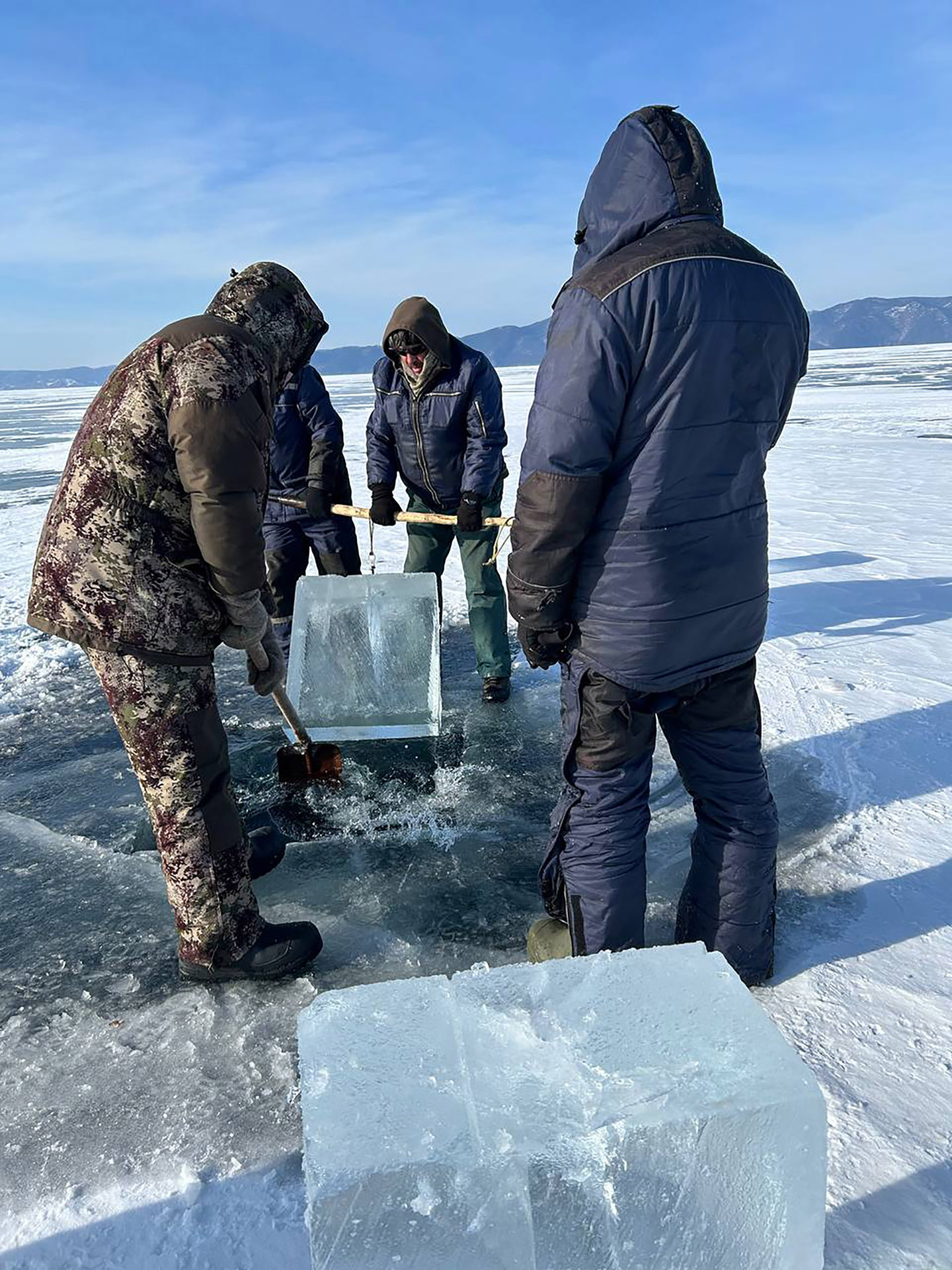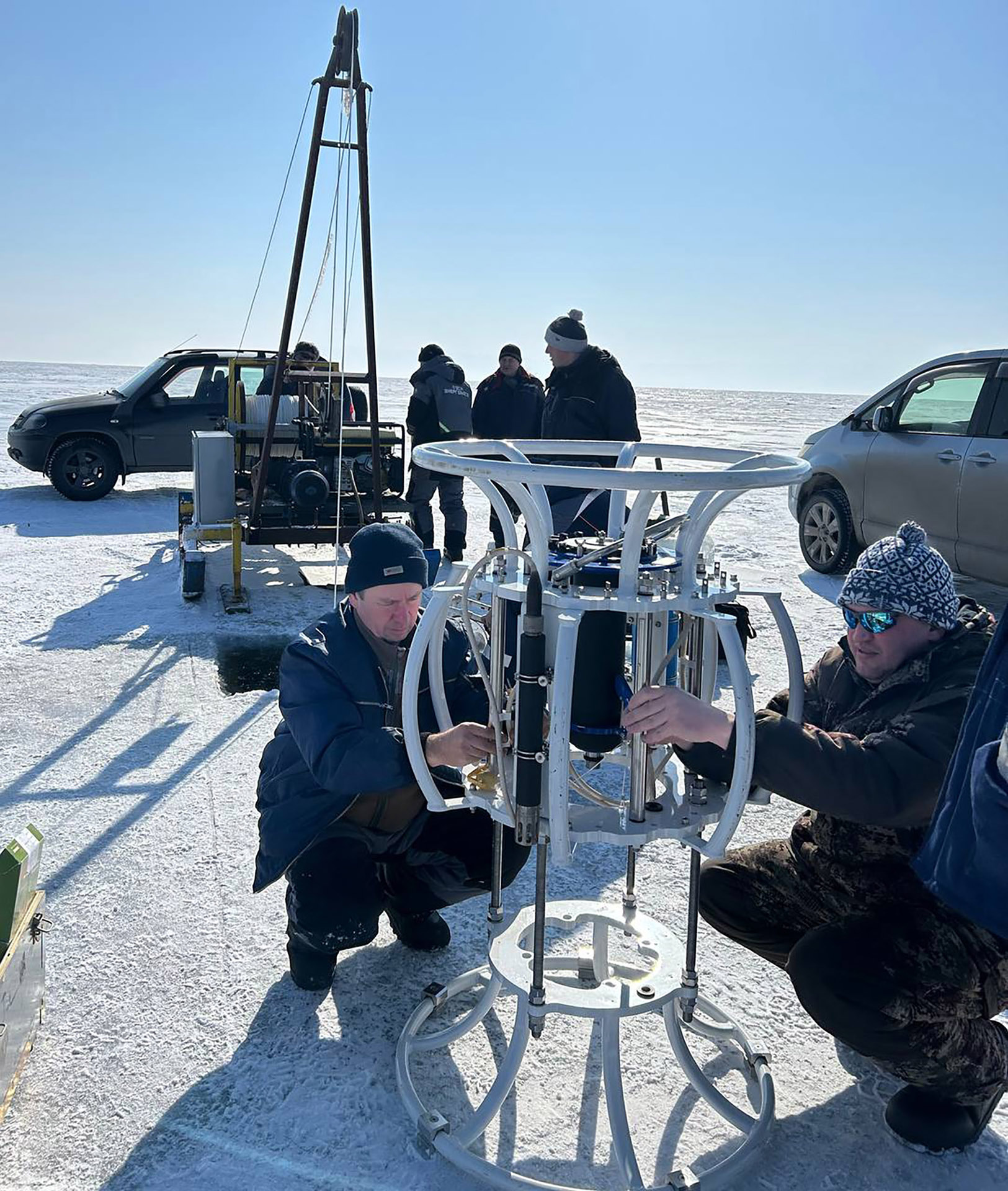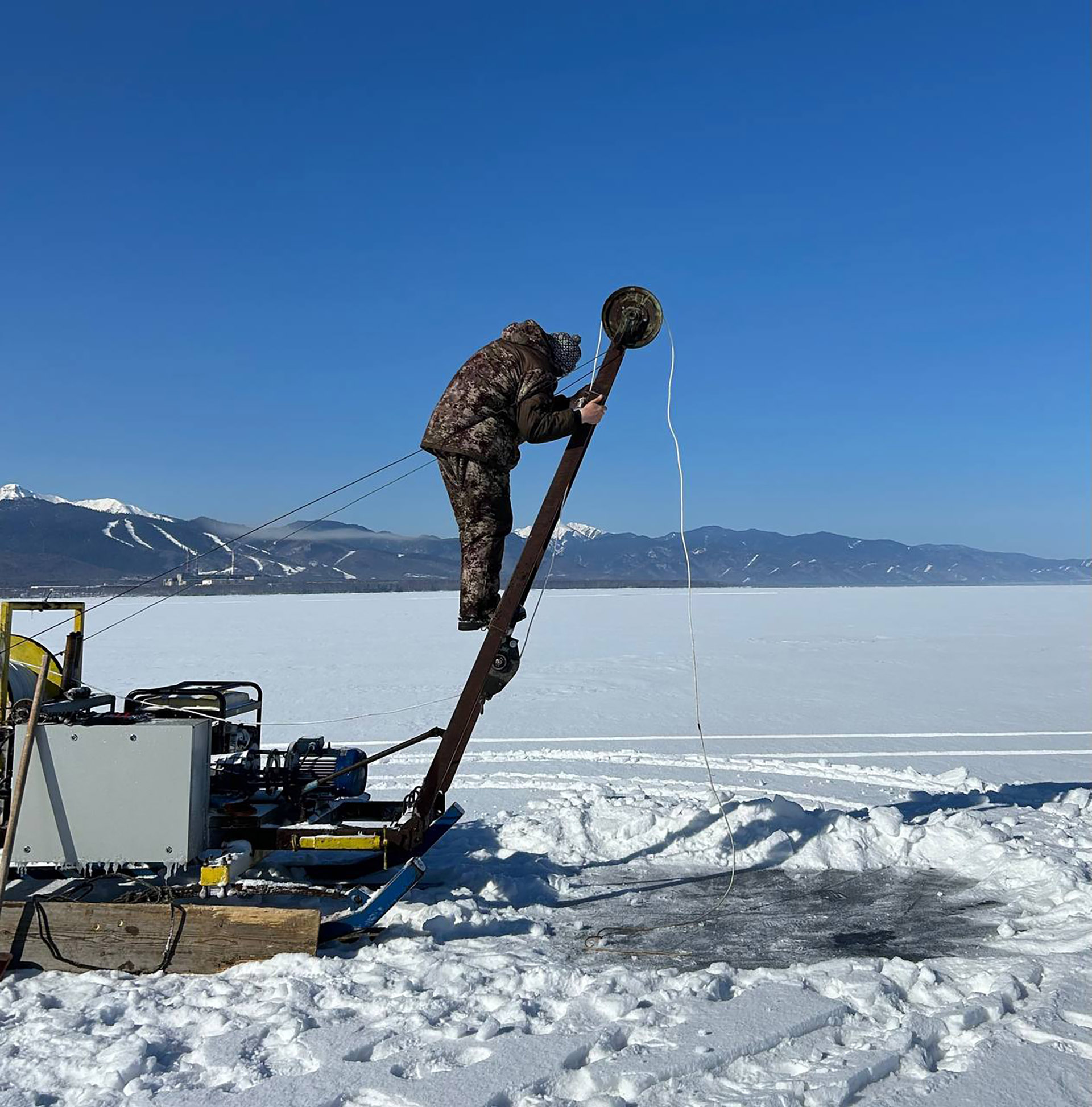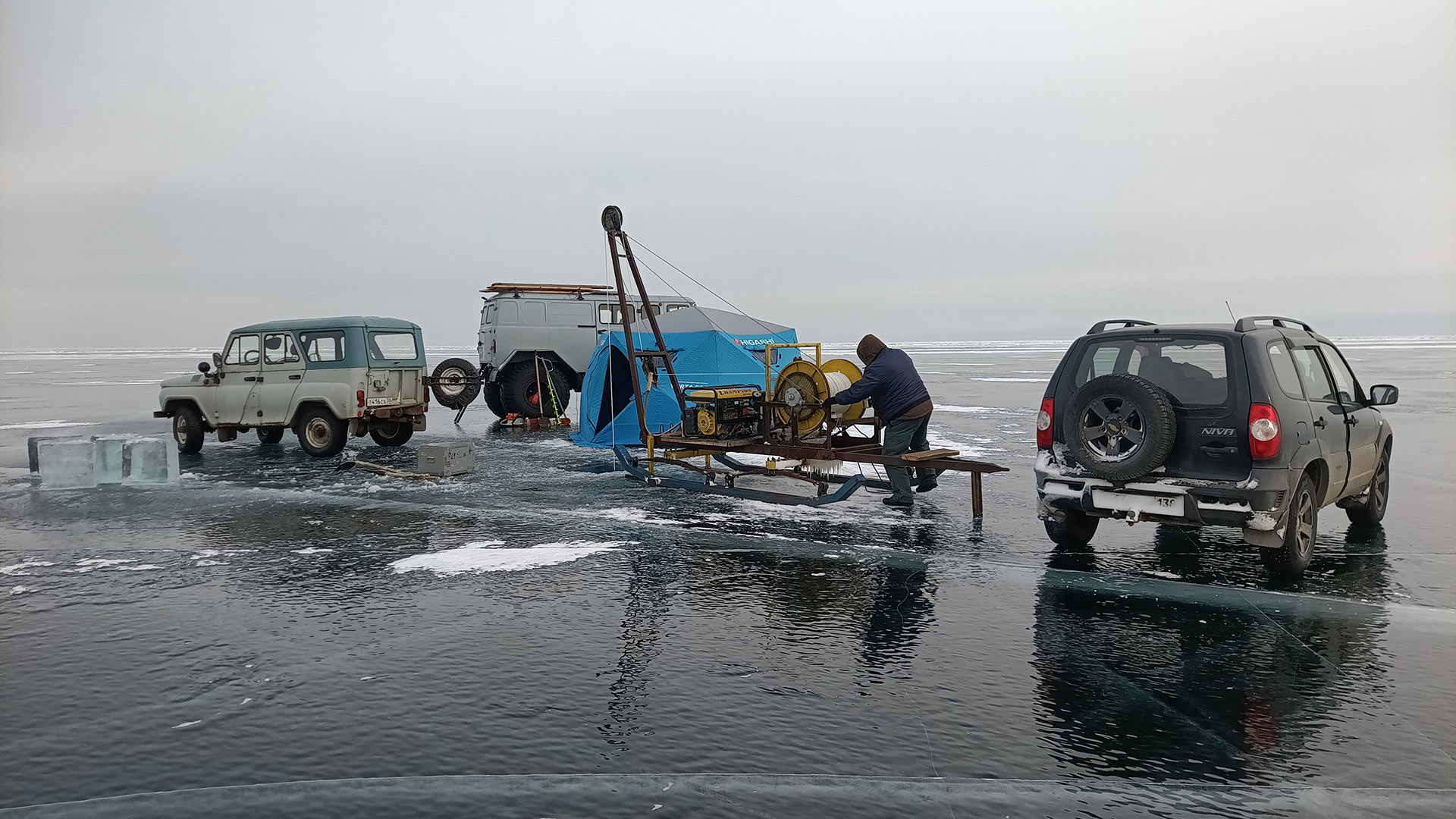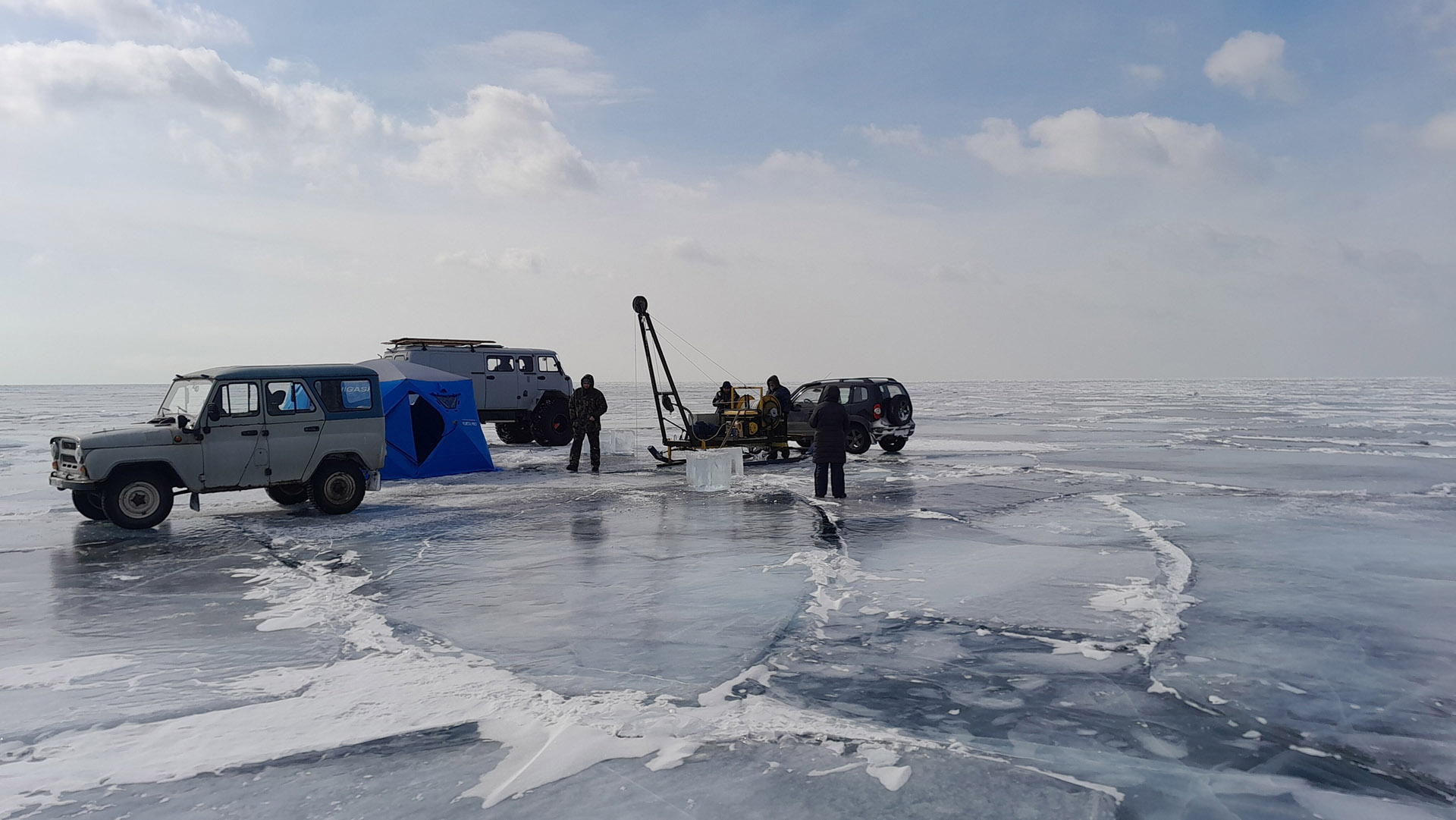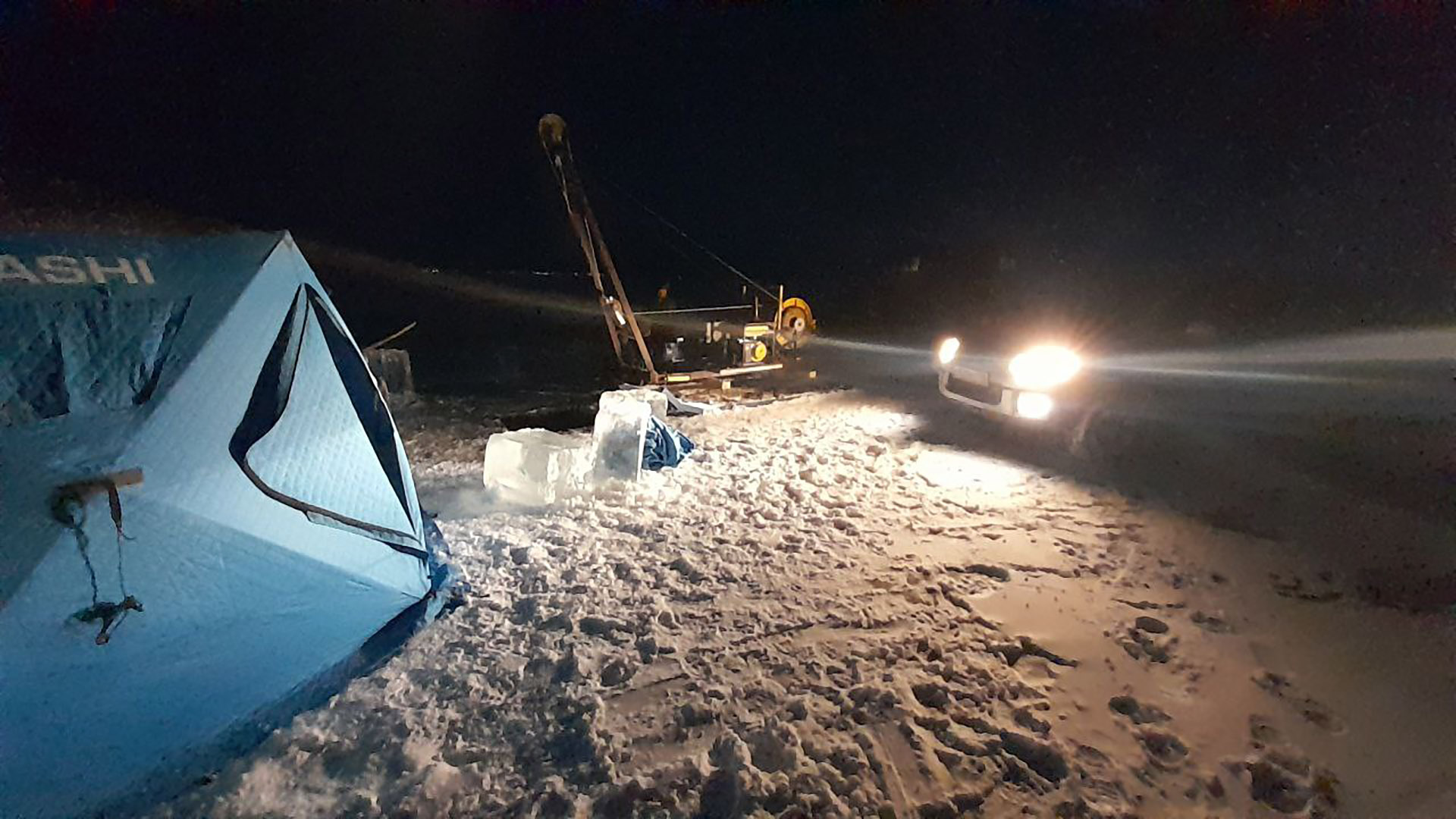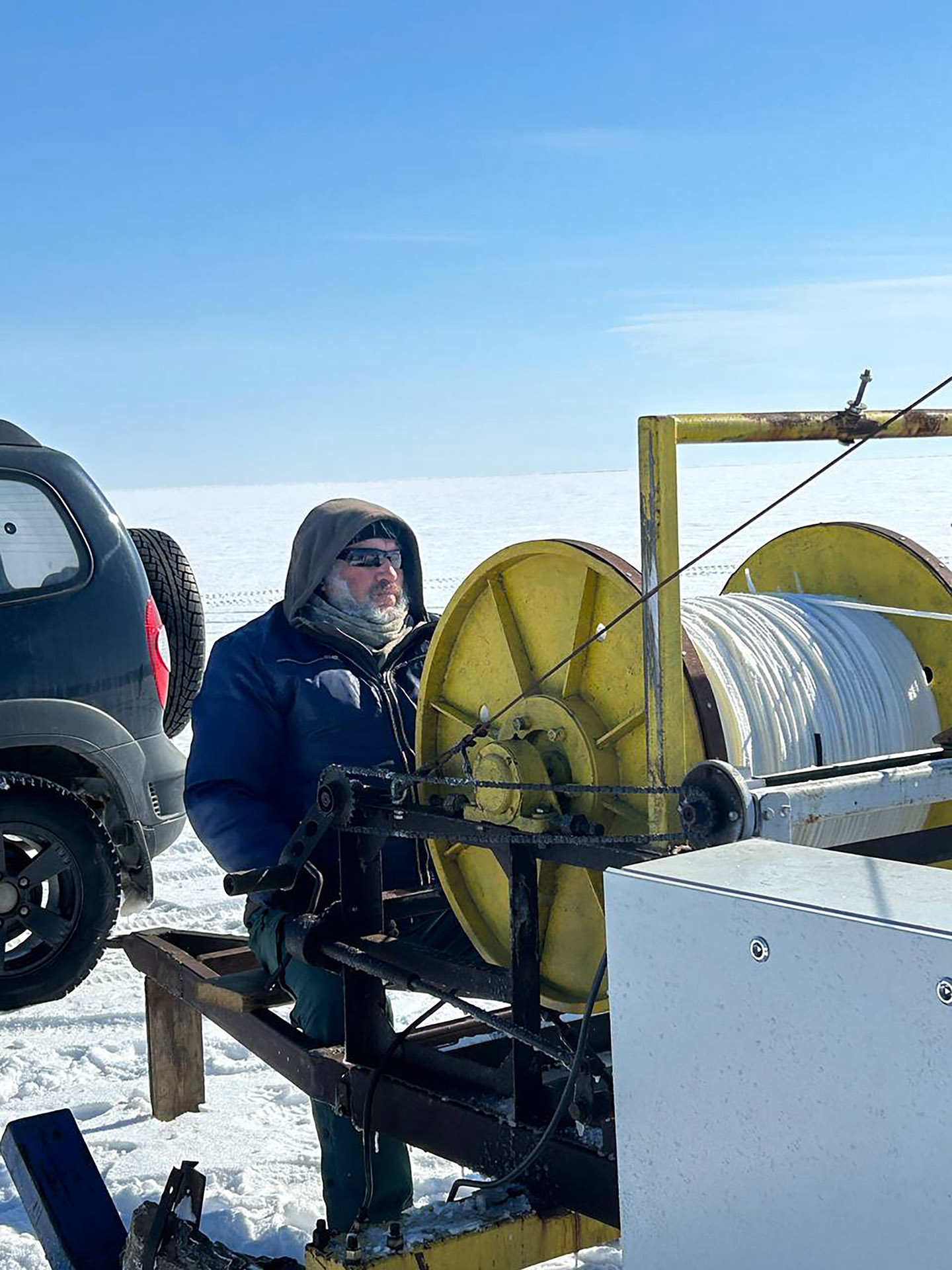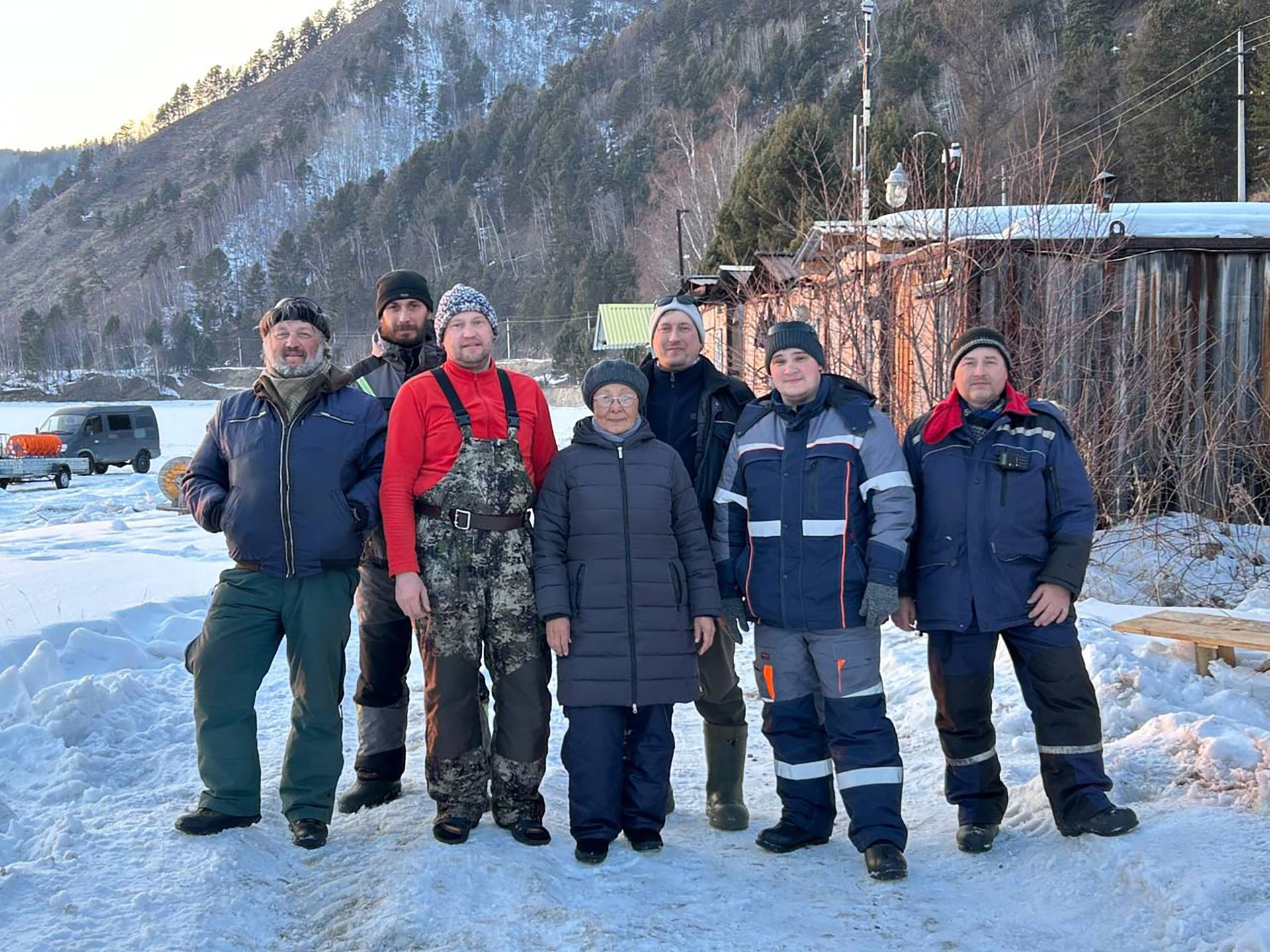



Field work within the complex winter hydrophysical expedition on the ice of Lake Baikal has finished
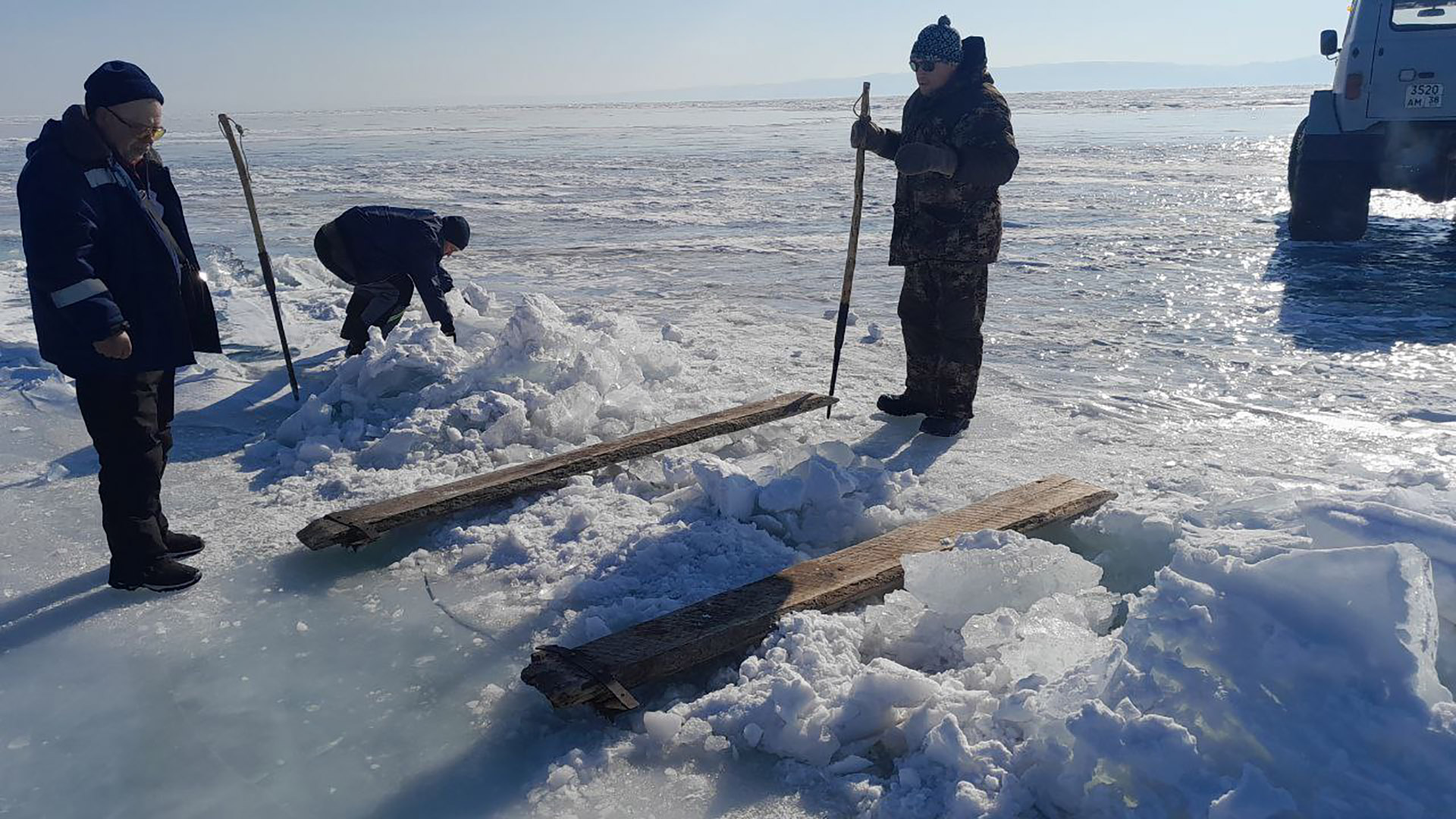
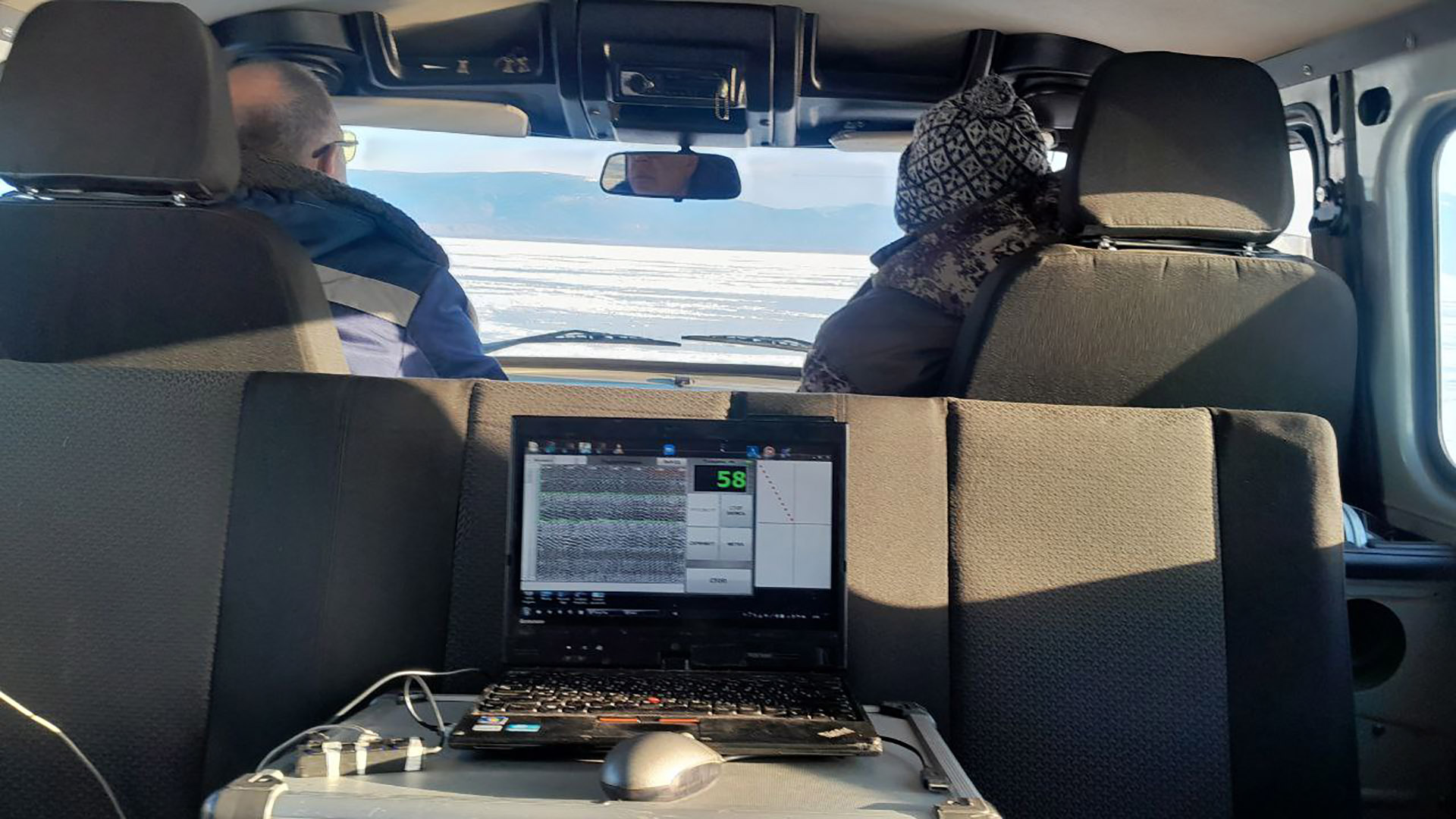
Field works were carried out from March 4 to April 4, 2025 within the State Assignments “Investigation of the advective and turbulent water exchange of Lake Baikal and its impact on the lake ecosystem, risks of catastrophic events” (0279-2021-0004) (led by I.A. Aslamov), “Assessment of ecological and economic aspects of the impact on Lake Baikal from ongoing and planned anthropogenic factors in the Baikal natural area, rational nature management, water and bioresource potential of Lake Baikal” (0279-2022-0004) (led by M.M. Makarov), and “Study of transformations in the state of water bodies and watercourses of East Siberia in seasonal and long-term aspects in terms of climate changes, geological environment and anthropogenic pressure” (0279-2021-0005) (led by A.P. Fedotov).
The aim of the expedition is to assess the advective and turbulent water exchange of Lake Baikal and its impact on the lake ecosystem determining the quality of its waters and the spatial distribution of planktonic communities.
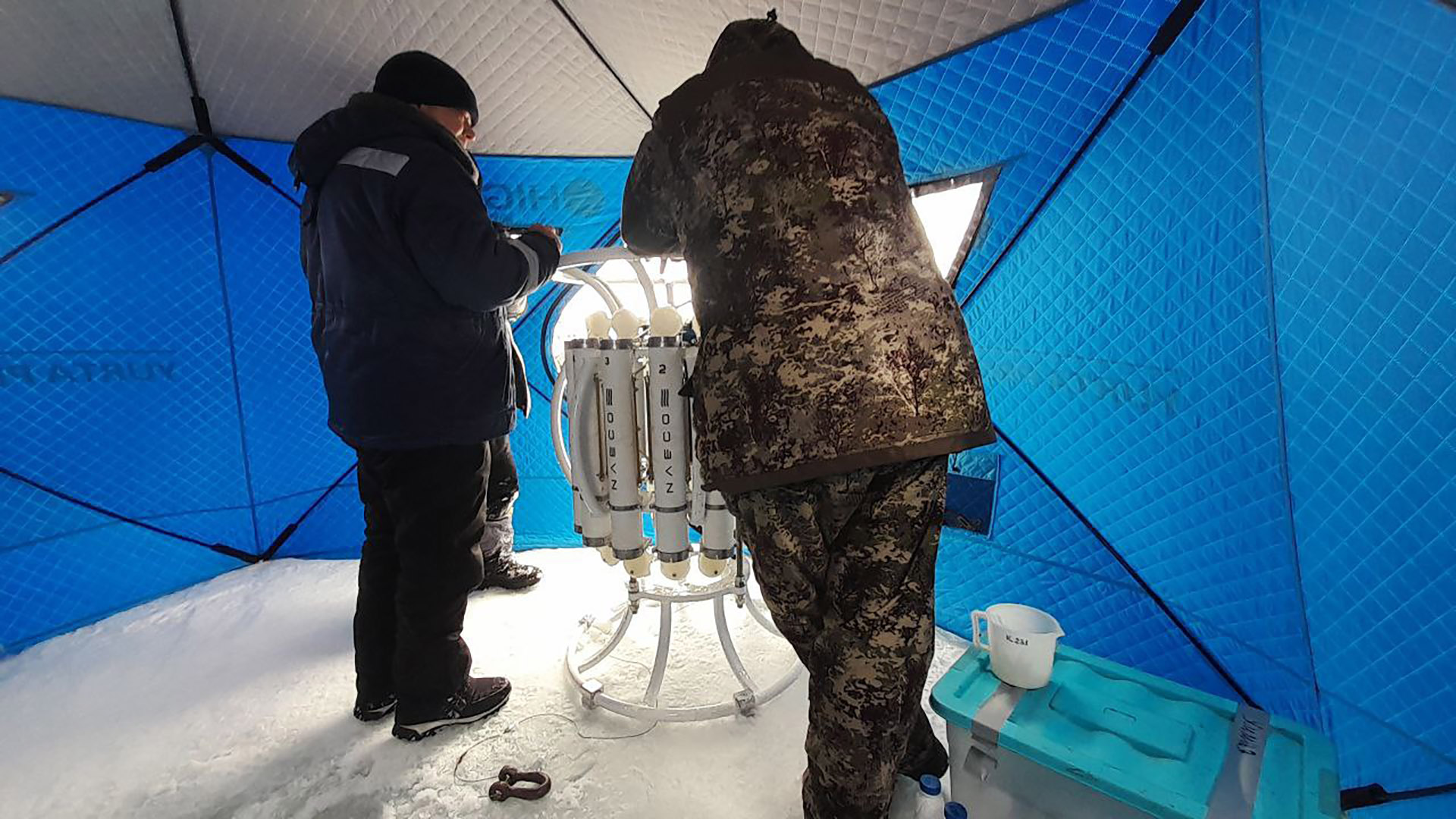
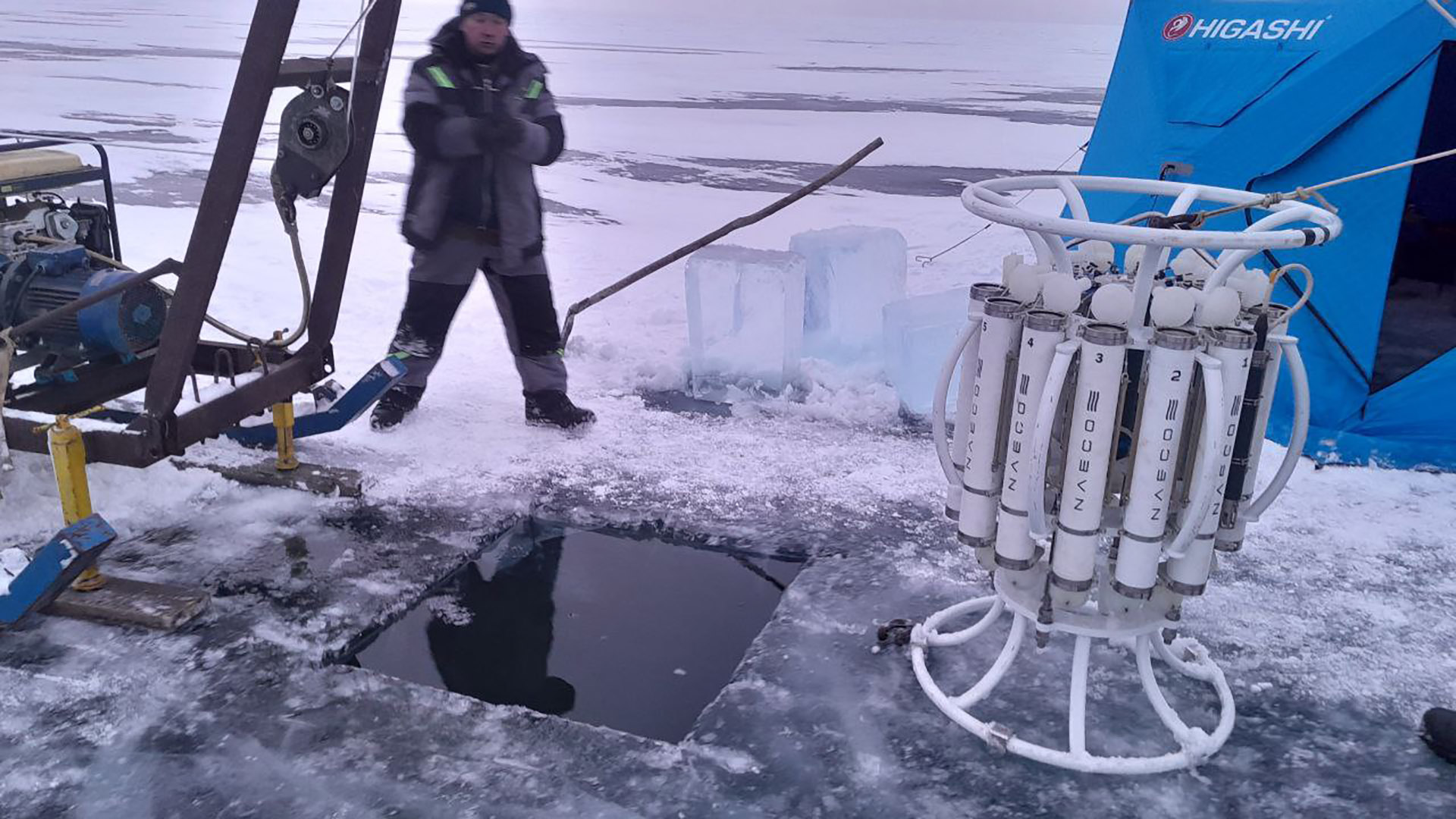
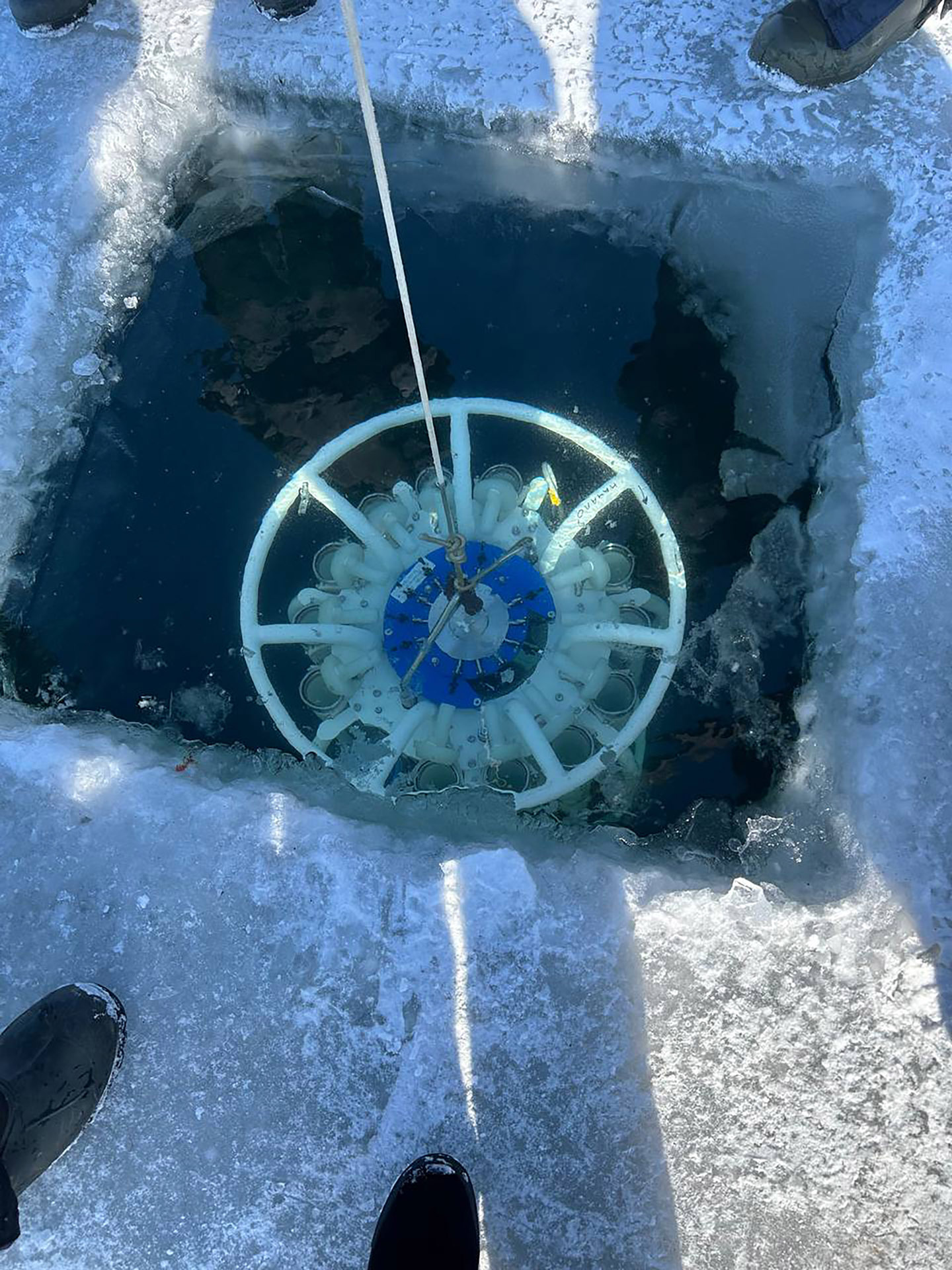
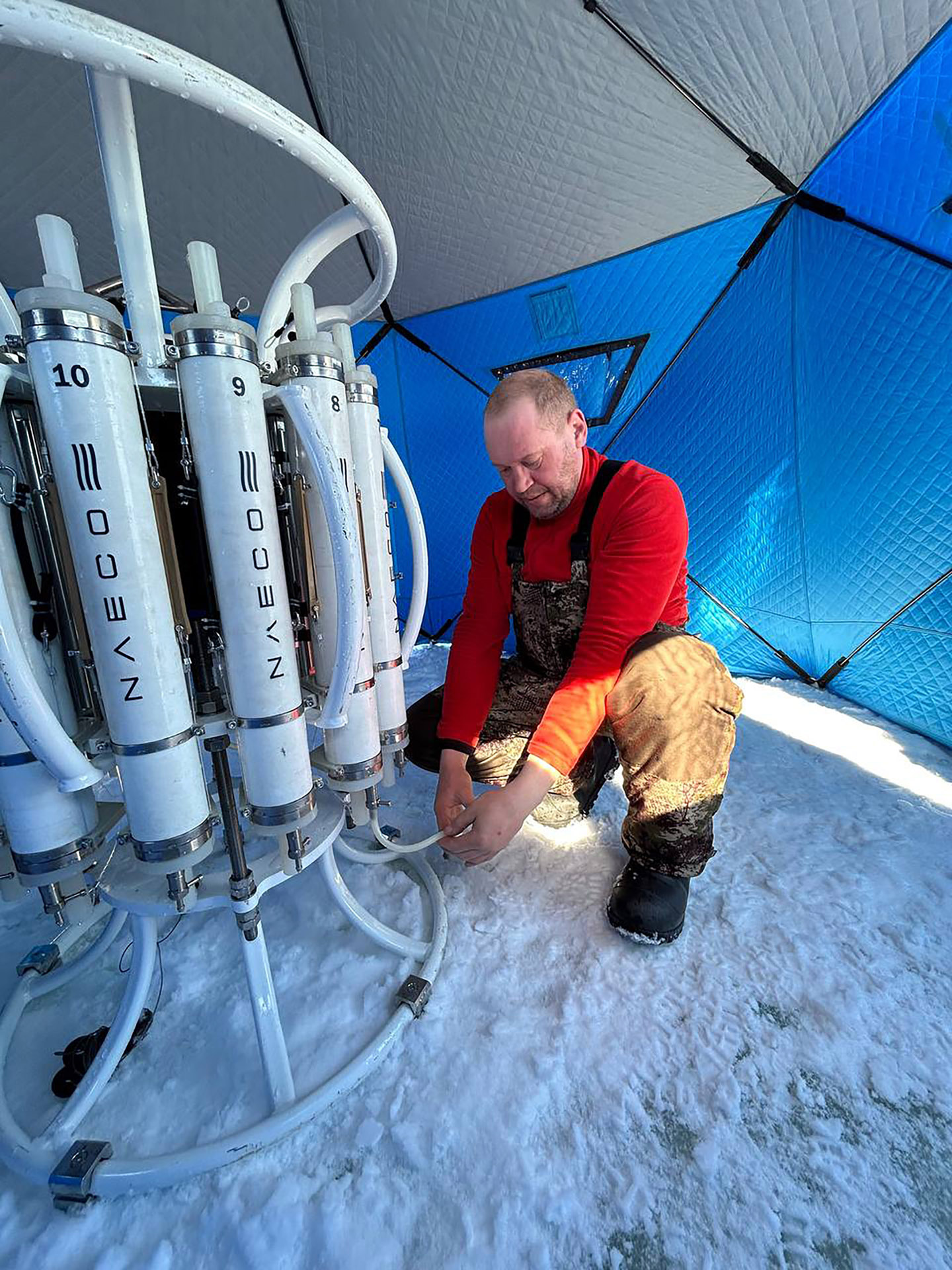
The works were carried out in the southern basin of the lake. During the expedition, samples were taken on a standard grid of stations at three transverse sections of the lake (Kadilny-Mishikha, Listvyanka-Tankhoy, Maritui-Solzan) and 12 km from Kultuk, on fixed horizons from surface to bottom using a cassette-type sampler NEACO designed in Russia and equipped with 12 2.4-liter bathometers. Water samples were taken at 16 stations for chemical analysis of biogenic elements and methane content, as well as for studying the spatial distribution of planktonic communities. Additionally, zooplankton samples were taken at all stations with a "Juday" net. A total of samples were collected:
- Phytoplankton – 20
- SEM – 15
- Picoplankton – 56
- Biogenic elements –95
- Zooplankton –32
- PhycoProbe – 16
- Dissolved methane – 303
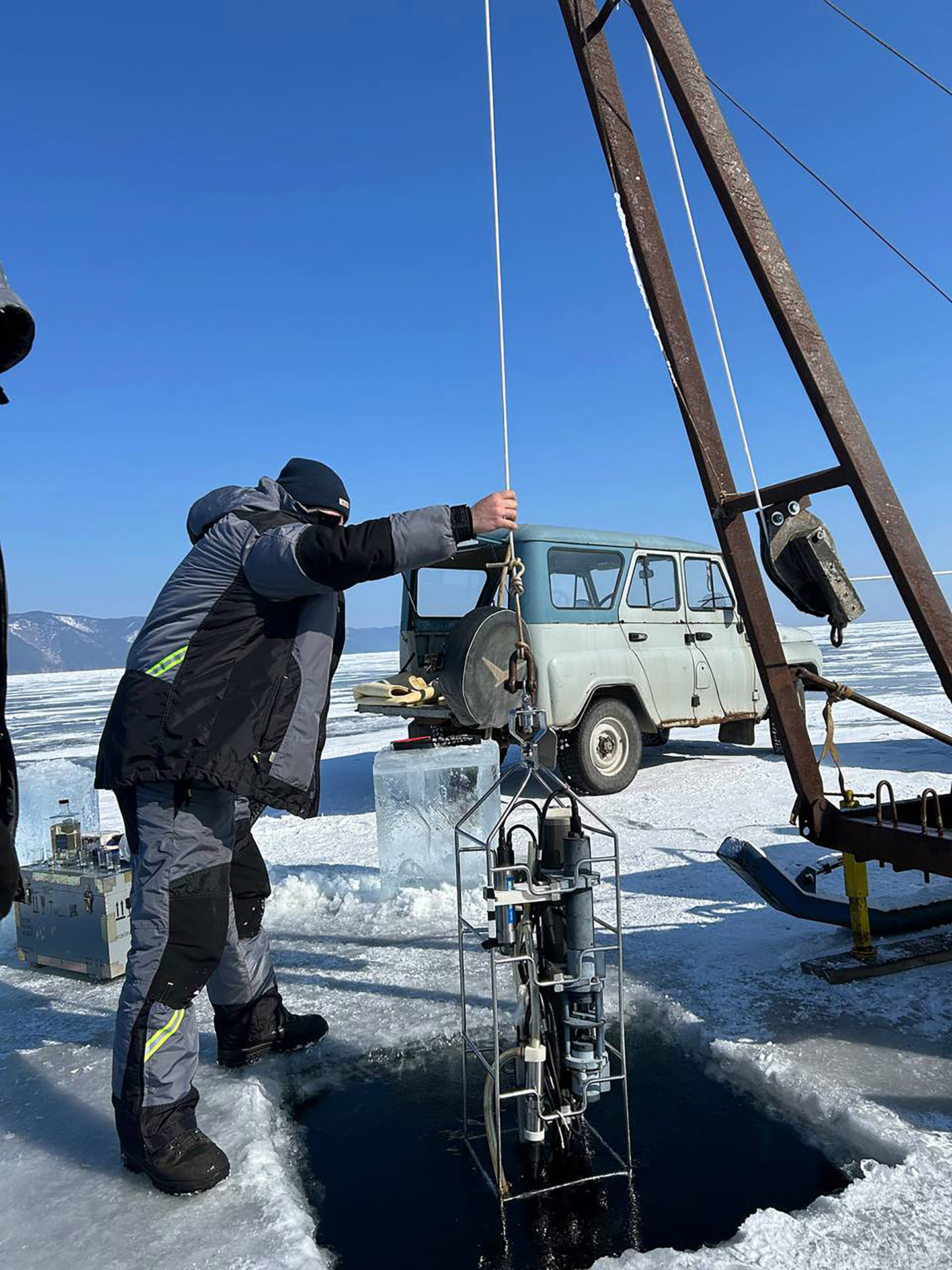
21 CTD probes (SBE-19 and JFE Rinko AAQ-177 probes) and 16 multi-channel immersion fluorometer probes were performed.
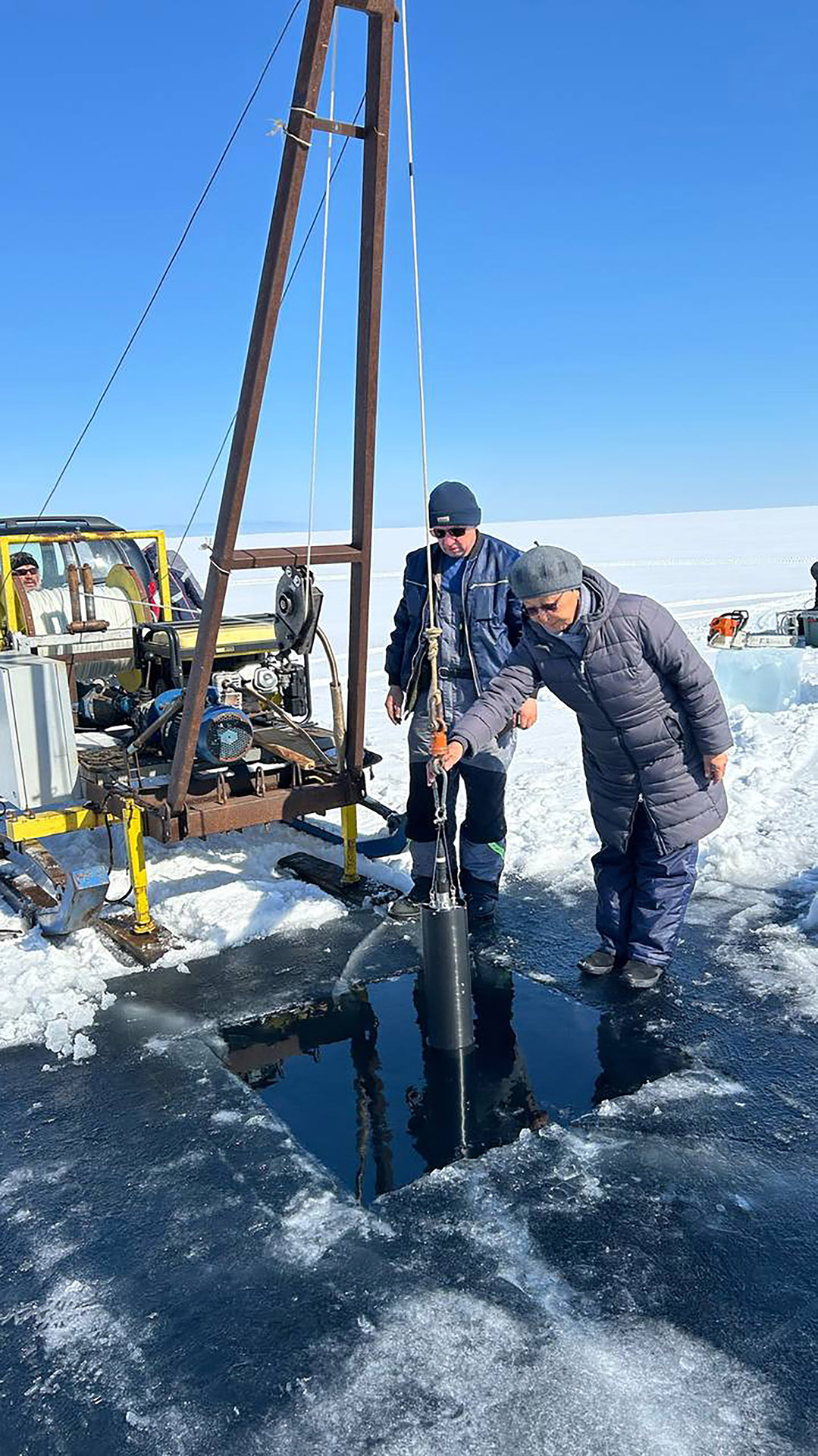
Two deep-water pelagic buoy stations were lifted 7 kilometers from the settlement of Bolshye Koty and in the middle of the Listvyanka-Tankhoy section. After maintenance, replacement of batteries and intercalibration of temperature sensors, three buoy stations were installed in the middle of the Listvyanka-Tankhoy section and two stations at the P-5 gas outlet in the zone of Posolskaya banka. Prior to installation, the ROVBUILDER remote-controlled device was used to perform a thorough visual inspection of the lake bottom and to measure the hydrophysical properties of the water column at the section through the gas outlet.
In the vicinity of the neutrino telescope (106th km of the Circum-Baikal Railway), joint experiments were carried out with employees of the SRI of Applied Physics of ISU to compare different methods for measuring the depth of Lake Baikal (by hydrostatic pressure, echo propagation, using a sounder and standardized tape ruler). Besides, from depths of 12 and 30 meters, experimental autonomous recorders with thermistor chains measuring the vertical distribution of temperature were lifted. After reading the data, replacing the batteries and updating the microcode software, the recorders were reinstalled until the autumn of 2025. In order to record the vertical temperature distribution in the upper 300 meters of Lake Baikal, a self-made thermistor chain was also set up in the neutrino telescope camp during the project.