


Development of the Oshurkovskoye apatite deposit
On 7 October 2026, the Russian Academy of Sciences (RAS) hosted a joint meeting of the RAS Scientific Council on Global Environmental Problems and the SB RAS Scientific Council on the Problems of Lake Baikal. The meeting addressed the environmental impact of developing the Oshurkovskoye apatite deposit in the Republic of Buryatia (https://new.ras.ru/press-center/ekologicheskiy-aspekt-osvoeniya-oshurkovskogo-mestorozhdeniya-apatitov-v-buryatii-rassmotreli-v-ran/). Below, the key points from a presentation delivered at the meeting by A. P. Fedotov, D Sc in Geology and Mineralogy.
Currently, ApatitArgo company holds a subsoil use license granting the right to explore and extract mineral resources at the Oshkurovskoye deposit. The project development plan includes the construction of a processing plant with a capacity of up to 14 million tons of ore concentrate per year, with a Р₂О₅ content of 39%. However, the average Р₂О₅ concentration in the ore at the Oshkurovskoye deposit is as low as 3.65%. Hence, producing that volume of ore concentrate would require the extraction of approximately 140 million tons of ore.
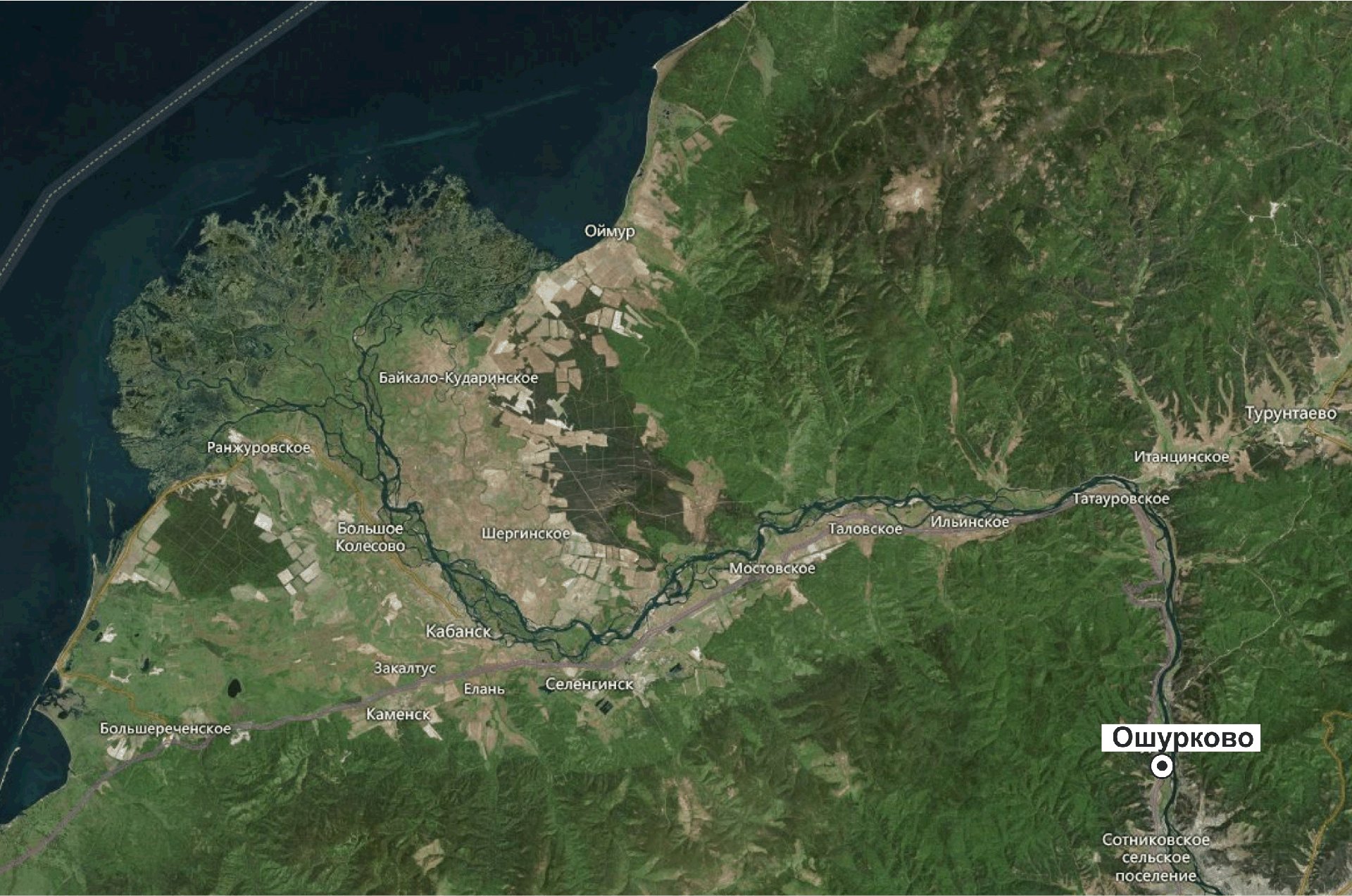
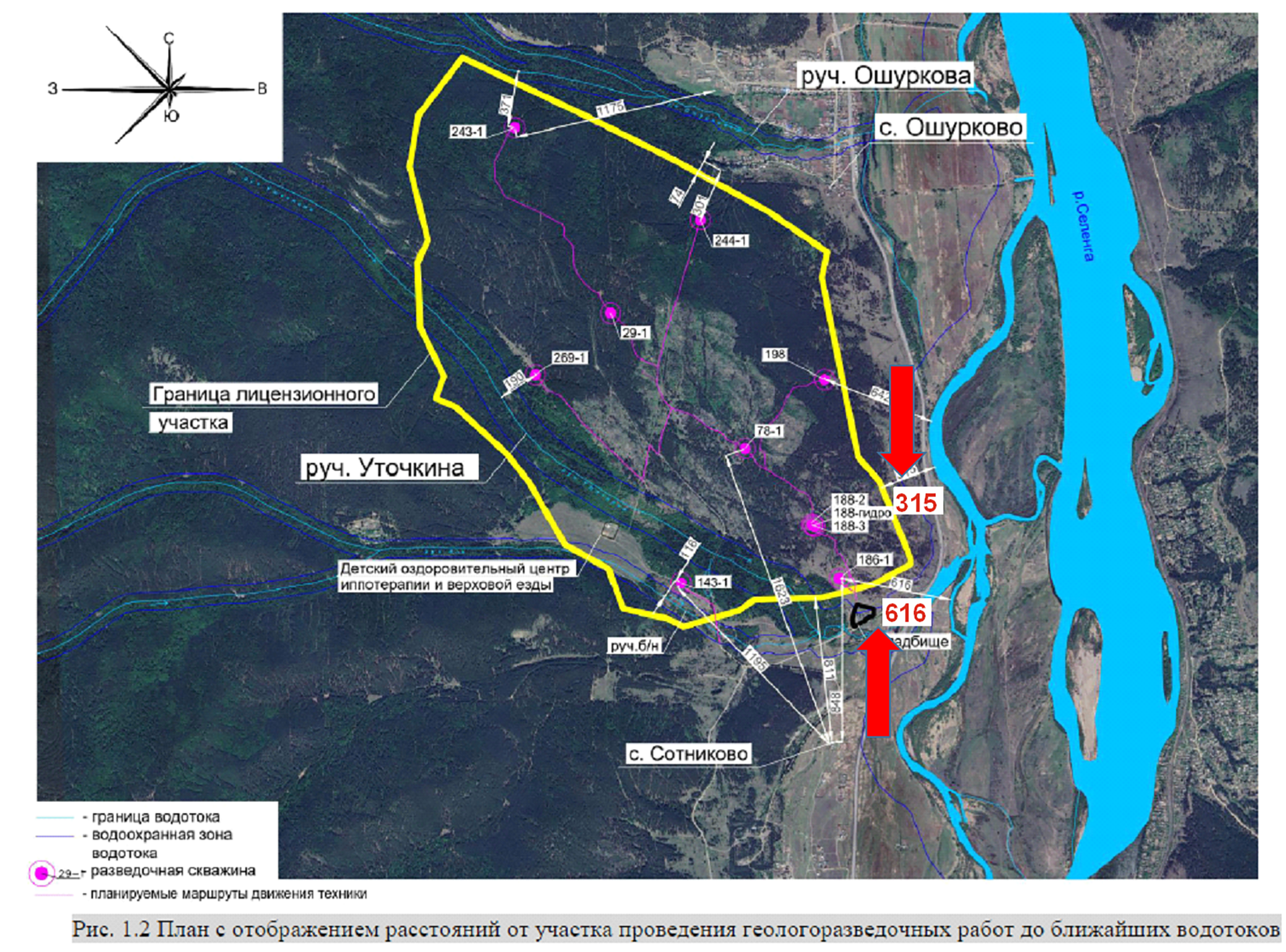
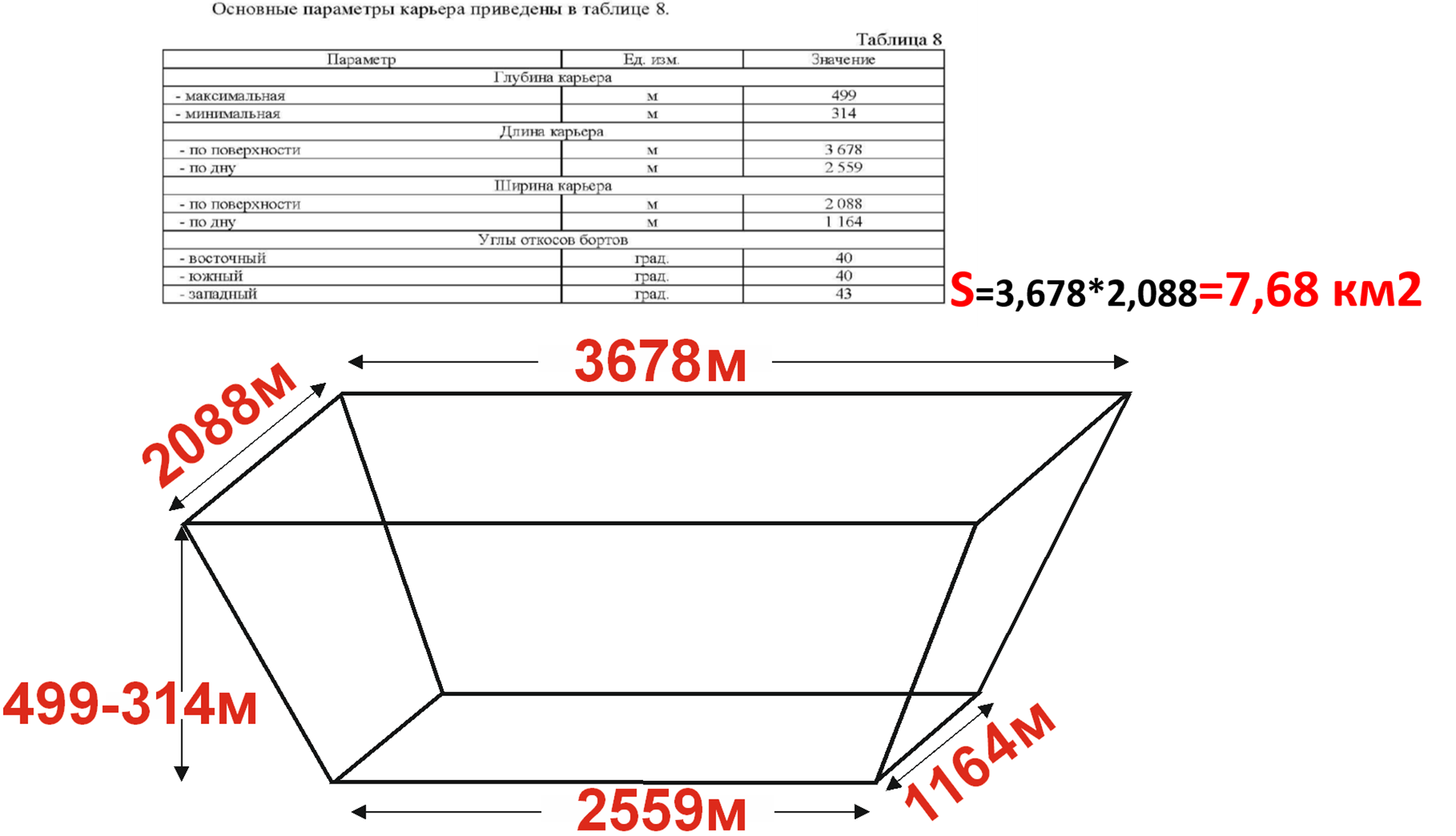
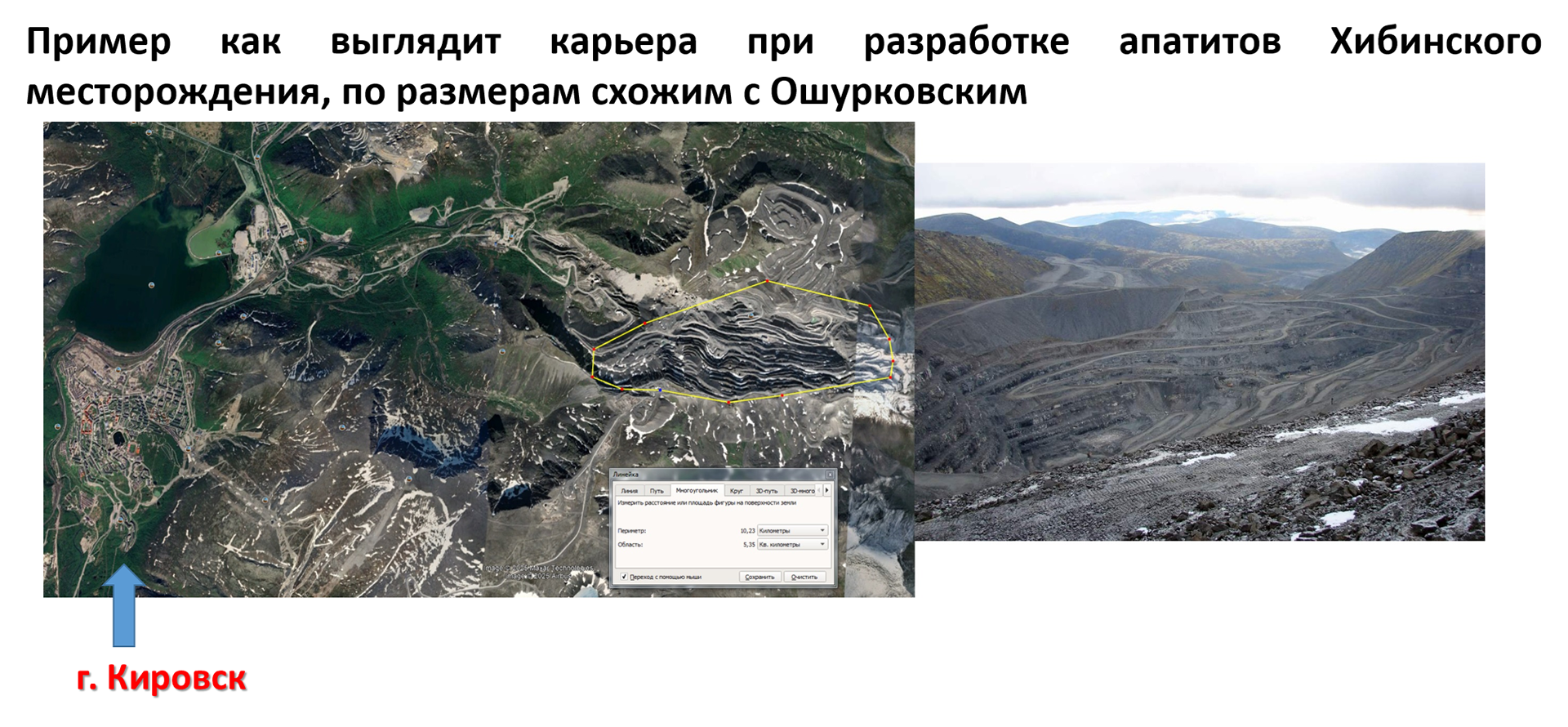
The distance from the southern boundary of the licensed area to a channel of the Selenga River is only 315-615 m. The Oshkurovskoye deposit is situated straight 70 km from Lake Baikal. The deposit is planned to be developed using the open pit mining method. The project design specifies an open pit with the following dimensions: 3.678 (length) х 2.088 (width) km at the surface; 2.559 (length) х 1.164 (width) km at the base; and a depth of 314-499 m.
Evidently, no economic activity can achieve zero pollutant emissions. Furthermore, such activities raise environmental safety concerns for which there are currently no definite answers. First, the development of any deposits alters the chemical composition of groundwater as it mixes with mine water. For instance, the exploration of the Khibiny deposits leads to the enrichment of mine water with soluble forms of molybdenum, resulting from the oxidation and leaching of molybdenite from the host rock. This creates anthropogenic hydrochemical flows with molybdenum concentrations up to 100 times higher than the maximum permissible concentrations (MPCs) established for water bodies used for fisheries (Chukaeva, 2018). The Modonkul River, which drains the exhausted Dzhida tungsten-molybdenum deposit (Republic of Buryatia), is classified as "slightly polluted" (quality class 2) in its upper reaches; however, further downstream–after mixing with mine water–it is categorized as "polluted" (quality class 4) (Khazheeva et al., 2024). Now, at the pilot-scale development stage of the Oshkurovskoye deposit, which involves an open pit mine 10 meters deep and 0.97 hectares in area, groundwater inflow into the pit is 1092 tons per hour. What will the volume and composition of the groundwater be during full-scale industrial development? The existing project documentation merely declares the answer to this question: “The treatment facilities will treat it to meet regulatory standards before discharging it into watercourses."
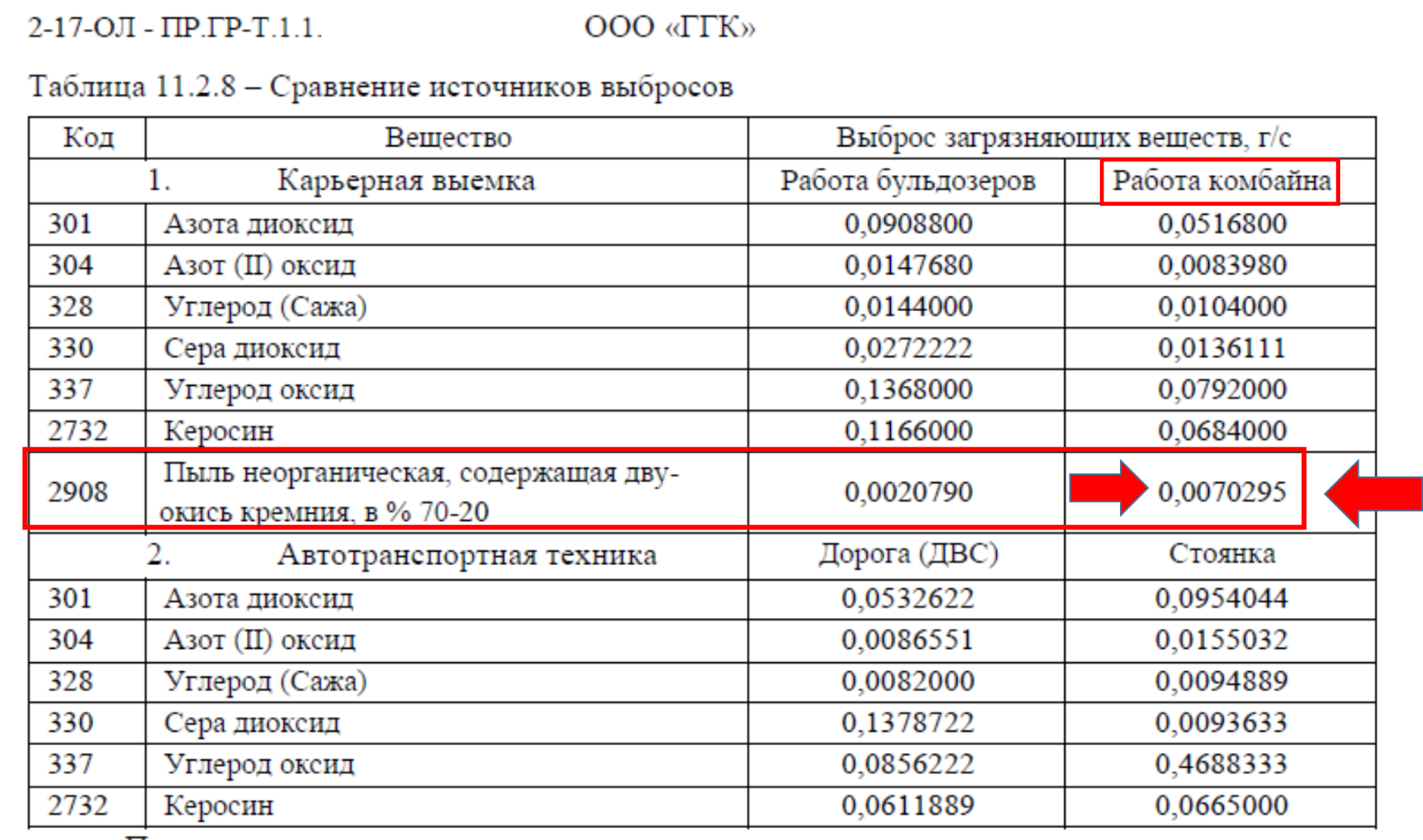
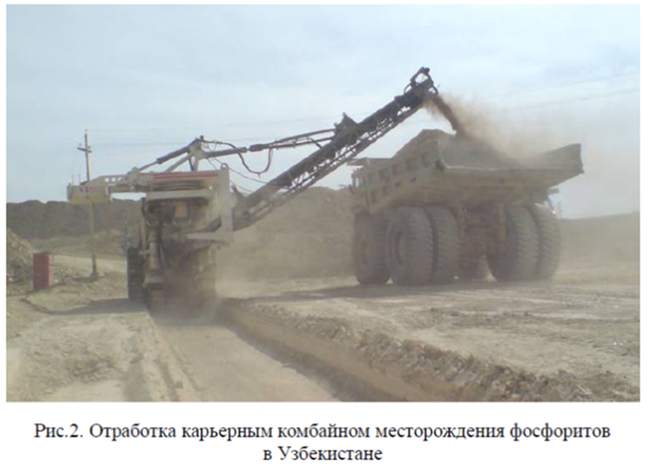
Another significant technological issue concerns the deposit developing method. Initially, a drill and blast method was proposed, but it was widely acknowledged to be environmentally unacceptable. The current stage project documentation provides for the use of an XCMG XM2005K milling machine or an equivalent model as the primary extraction method. However, according to the technical specifications, the XCMG XM2005K milling machine is designed for removing the top layer of asphalt pavement. The rock formations of the Oshurkovsky massif have a compressive strength of 150–280 MPa, far exceeding the 20–50 MPa technical capacity of such milling machines. The project documentation estimates inorganic dust emissions from the machine’s operation of only 7 mg/s, which is ten times lower than the chemical emissions from its own engine. Furthermore, a general drawback of using milling machines is the dust generation and the loss of fine and ultra-fine fractions, which are blown away during the milling. Interestingly, the XCMG LW900K wheel loader will produce only 9 kg of inorganic dust while excavating and relocating 28,700 tons of topsoil and vegetation layer annually. These examples highlight the insufficient evaluation of environmental impacts.
According to the project documentation, the apatite ore from the Oshurkovskoye deposit will be processed using the flotation method. Although a closed-loop circulation of flotation solutions is claimed, 5–20% of the flotation solution and recycled water will end up in the tailings storage facility along with the sludge discharged after the flotation process. Previously, the Transbaikalia apatite plant used oleic acid, tall oil, pine oil, and kerosene for apatite flotation. It should be expected that these components will also end up in the tailings storage facility.
Measures to control dust from the open pit mine, haul roads, and waste dumps suggest year-round water spray dust suppression mobile units. However, such operation becomes difficult under below-zero temperatures. If so, what is the fate of the water used for this purpose? Evidently, some water will evaporate, while the rest will percolate into underlying strata, ultimately reaching the Selenga River.
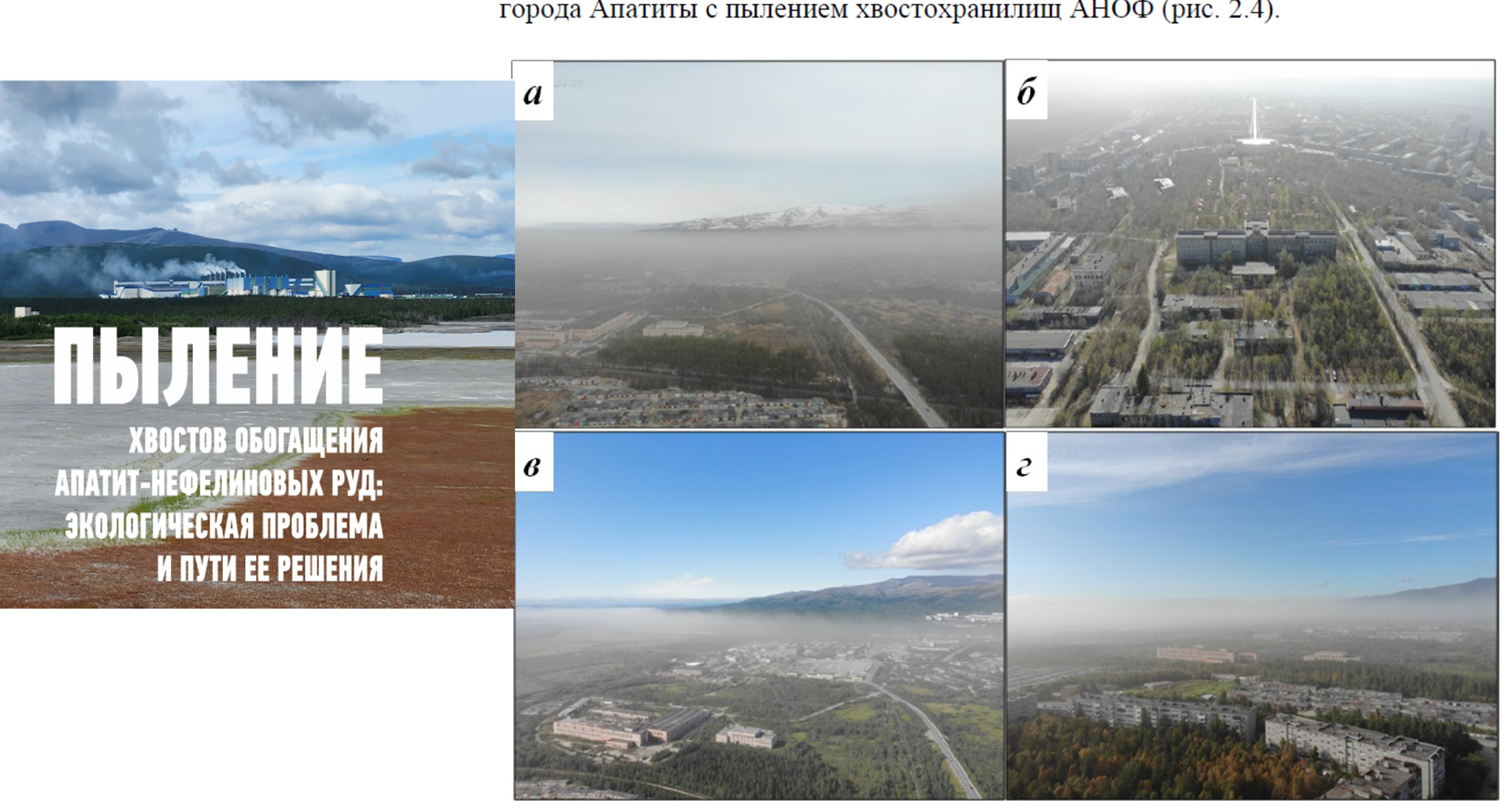
A serious issue concerns tailings storage facilities (piles of substandard ore waste) and the integrity of their base. For instance, in the area adjacent to a processing plant near the city of Apatity, ~9 kg of heavy metals, up to 1350 kg of dust, and 10 kg of sulfur compounds are on average deposited per square kilometer every day (Kardnachev et al., 2011). Another example is the dust generated by tailings storage facilities of the Dzhida tungsten-molybdenum plant (Republic of Buryatia). Long-term storage of mining and ore-processing waste leads to the formation of fine-grained weathering products, which are dispersed by air currents across the surrounding area. This dust contains toxic elements (Al, Mn, Fe, Zn, Cu, Pb, and Cd) (Voronina, 2025). Experimental studies on the impact of atmospheric precipitation on tailings from apatite-bearing ore processing revealed that the concentrations of nickel, copper, strontium, zinc, and manganese in the resulting runoff exceeded MPСs for water bodies used for fisheries by factors of 3, 5, 5, 17, and 448, respectively (Krasavtseva et al., 2021). How can it be assumed that the Oshurkovskoye tailings storage facility will have zero pollutant emissions? These pollutants will inevitably enter the Selenga River through diffuse surface runoff.
The deposit is expected to be developed for 20-25 years, but what is the fate of the open pit mine and tailings storage facilities once the deposit has been exhausted in 25 years? This question is not even being discussed.
According to The Federal Service for State Statistics, the production volume of mineral fertilizers in Russia increased by 3.5% in 2025, reaching 65.4 million tons, with exports for the same year totaling 43-45 million tons. Therefore, the Russian Federation has no urgent need to develop such a large-scale facility near Lake Baikal for the production of apatite concentrate. It is worth recalling a document from the past: due to the deteriorating ecological situation in the Lake Baikal basin, the State Commission on Mineral Reserves of the USSR–in a letter dated February 9, 1987 (No. OK-10/24)–deemed further exploration of the Oshurkovskoye deposit inexpedient and declined to review or approve permanent exploration criteria for the site.
It must be acknowledged that open pit mining of a phosphate deposit–situated 500 m from the Selenga River and in the immediate vicinity of Lake Baikal–posses significant environmental risks, both now and in the future, to the lake’s ecosystem and adjacent areas and can be comparable to the Baikal Pulp and Paper Mill in terms of its scale. Adopting a precautionary approach, any consideration of developing the Oshurkovskoye deposit should be abandoned entirely.