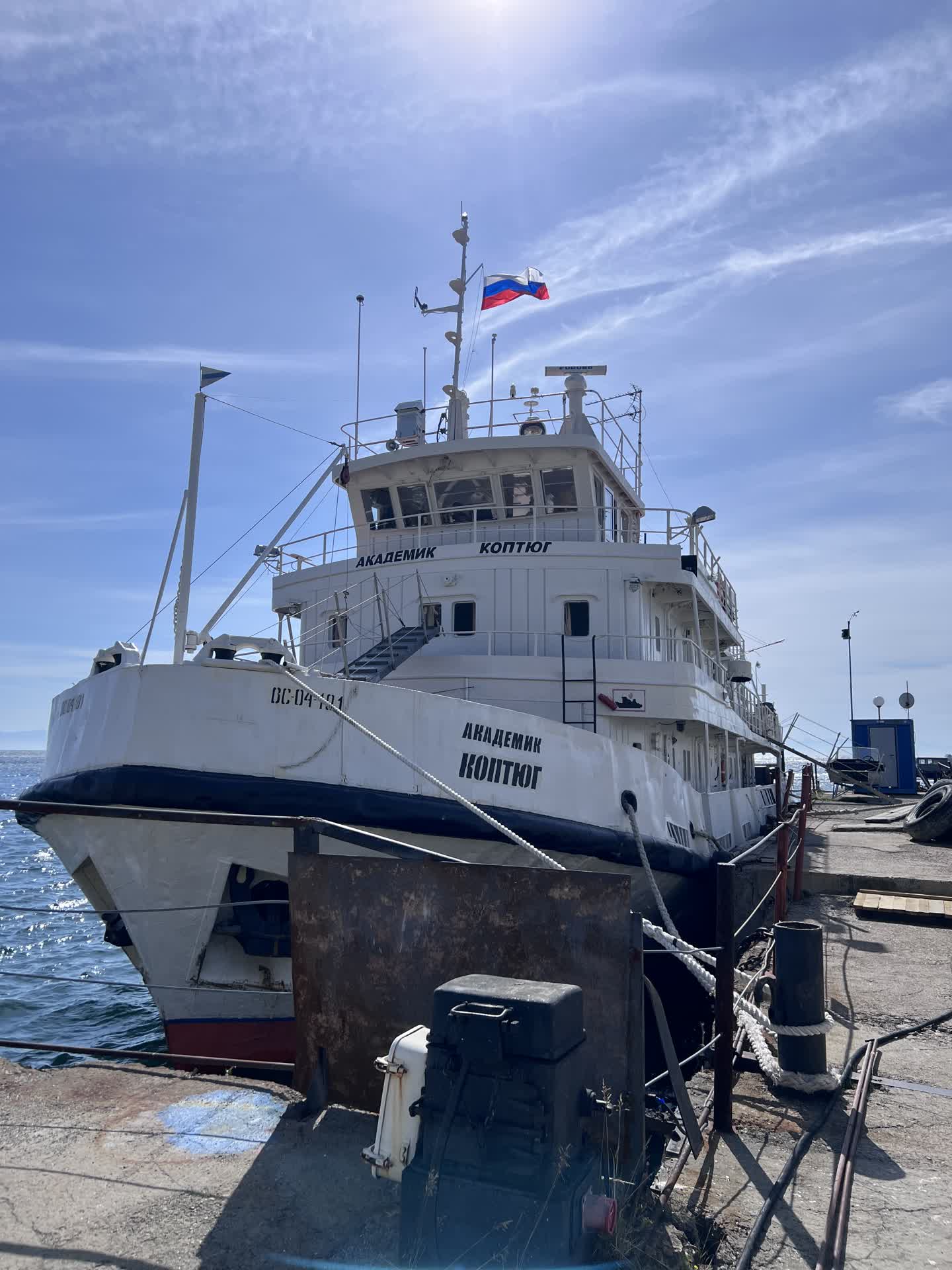



Expedition aboard the RV «Akademik V.A. Koptyug» from 31 August to 6 September 2026
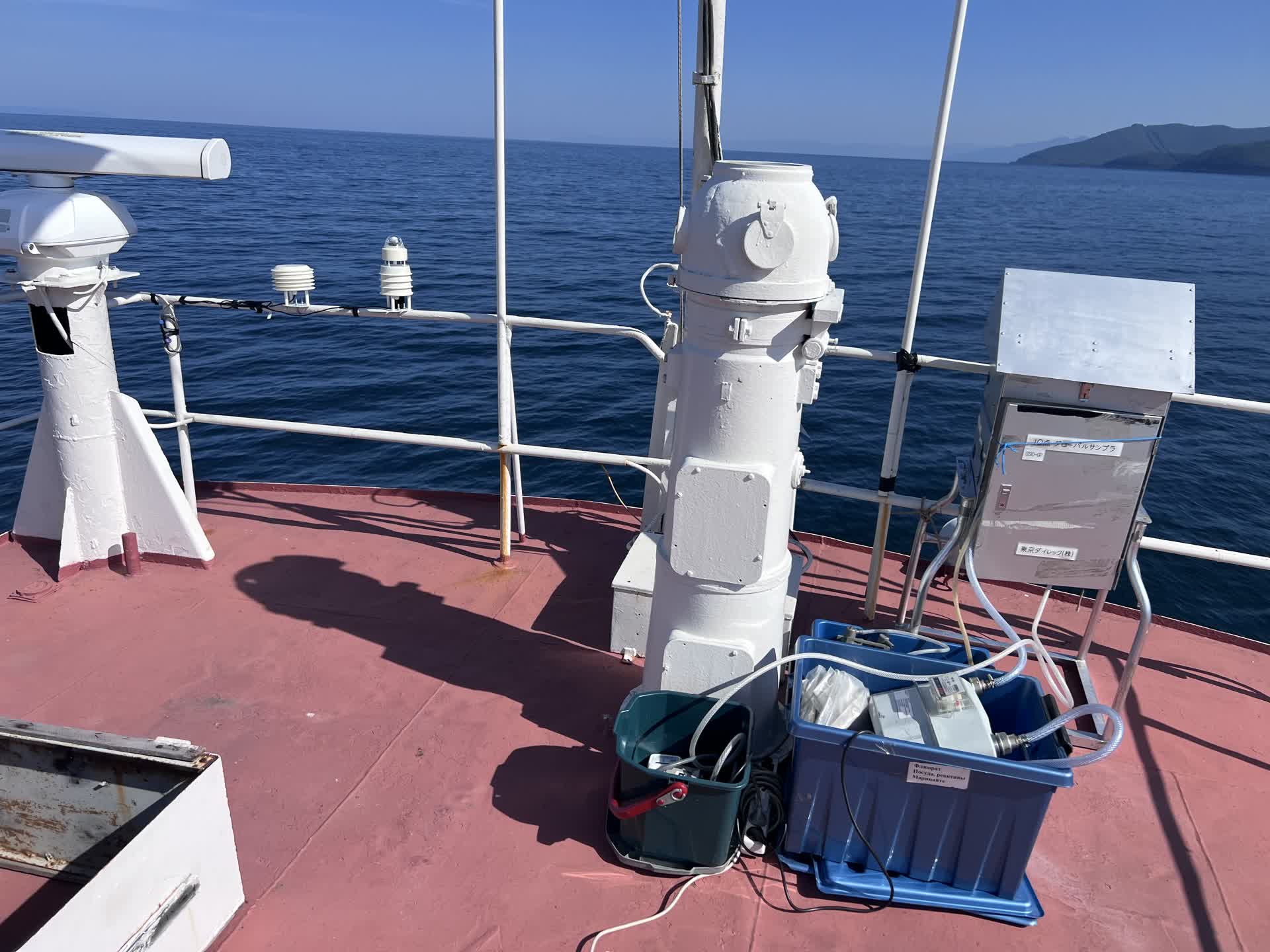
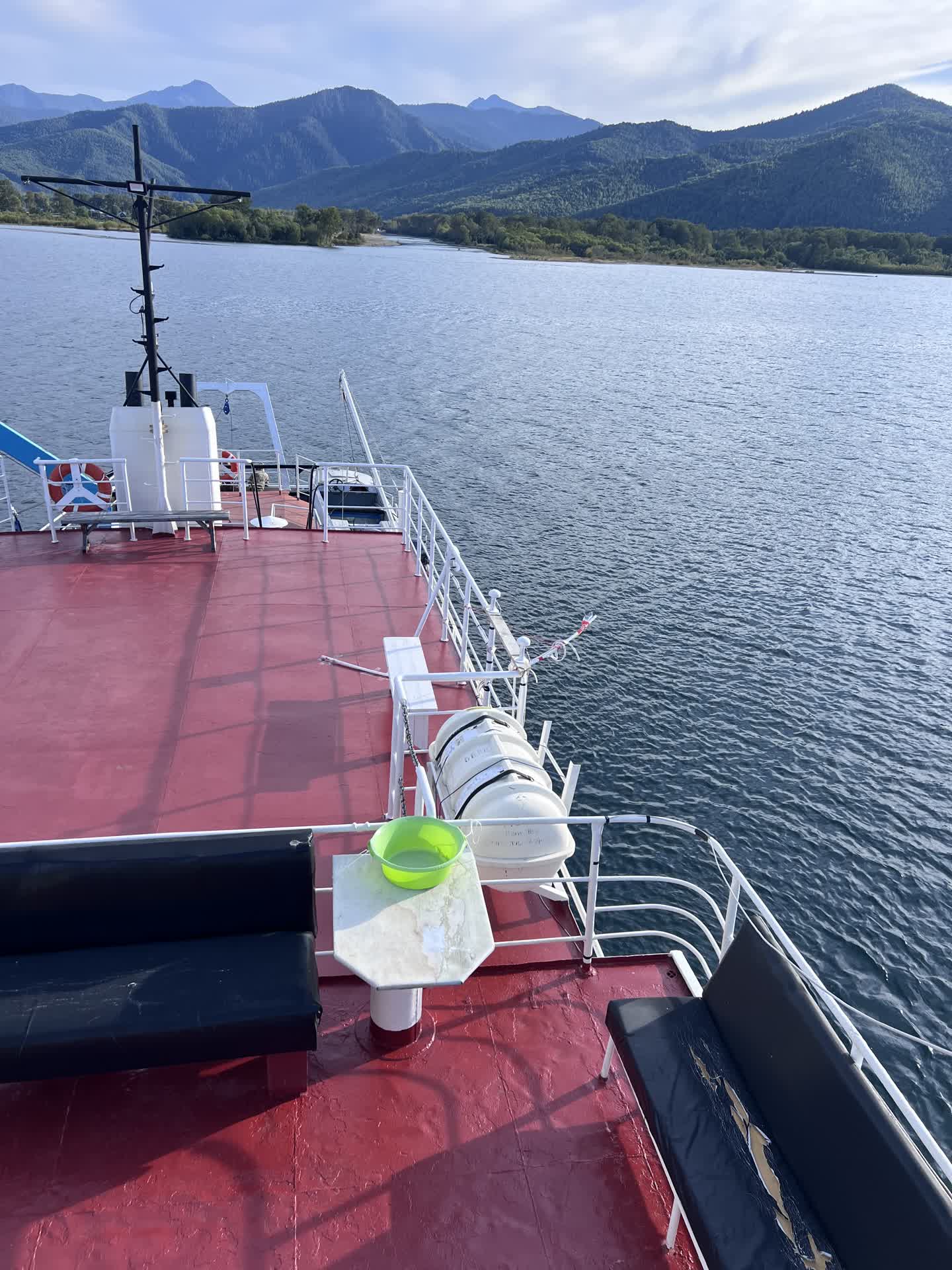
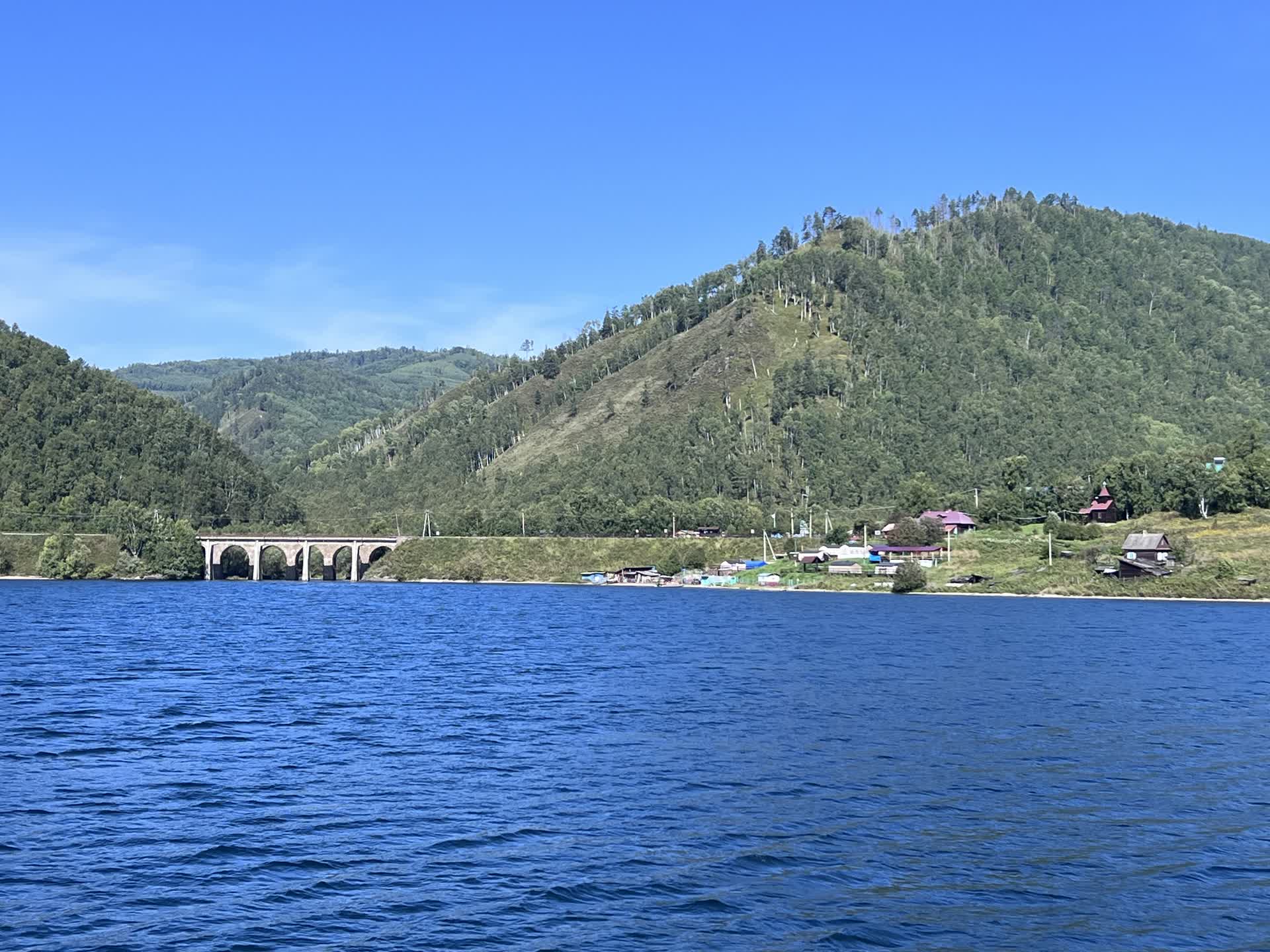
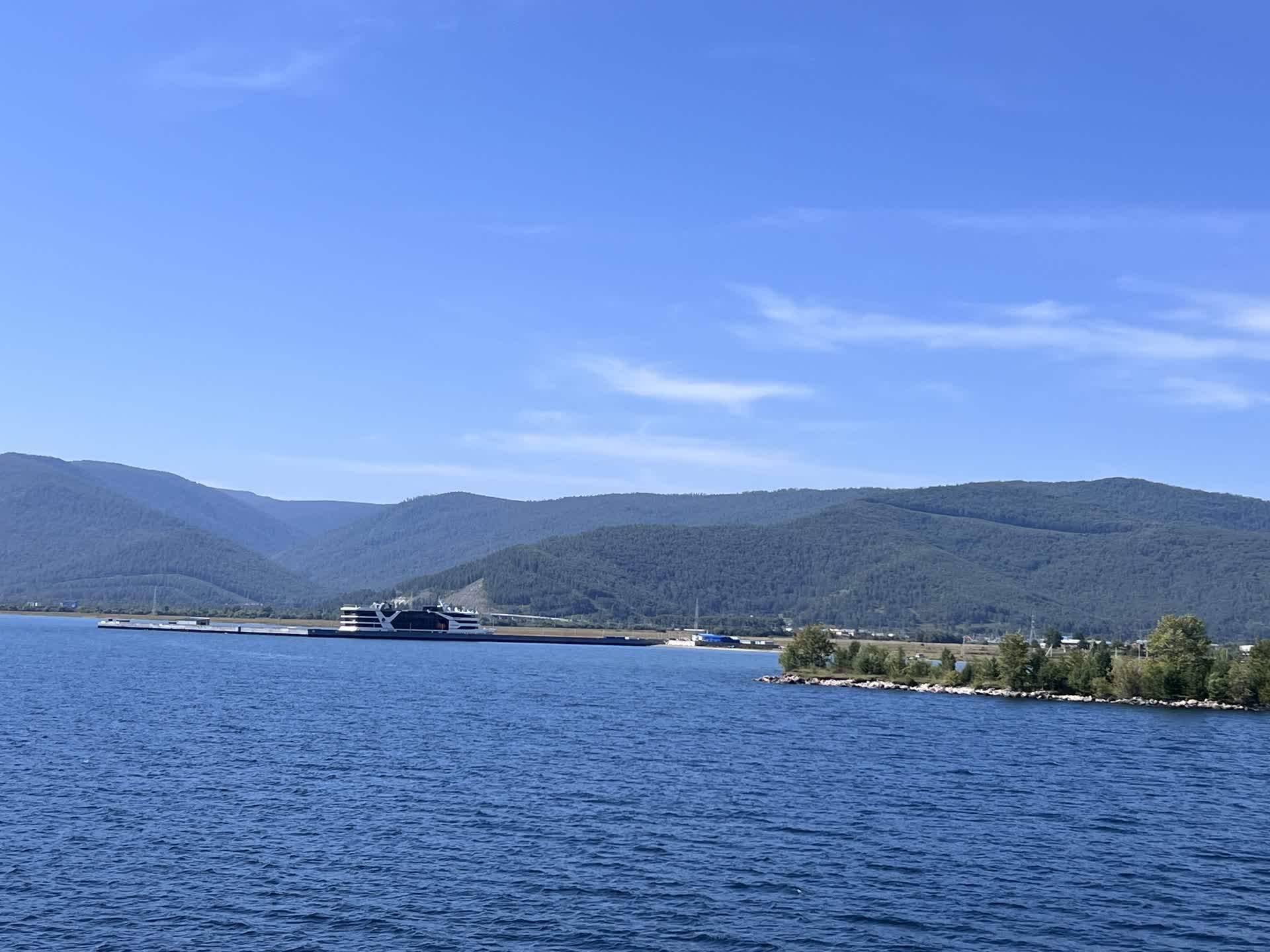
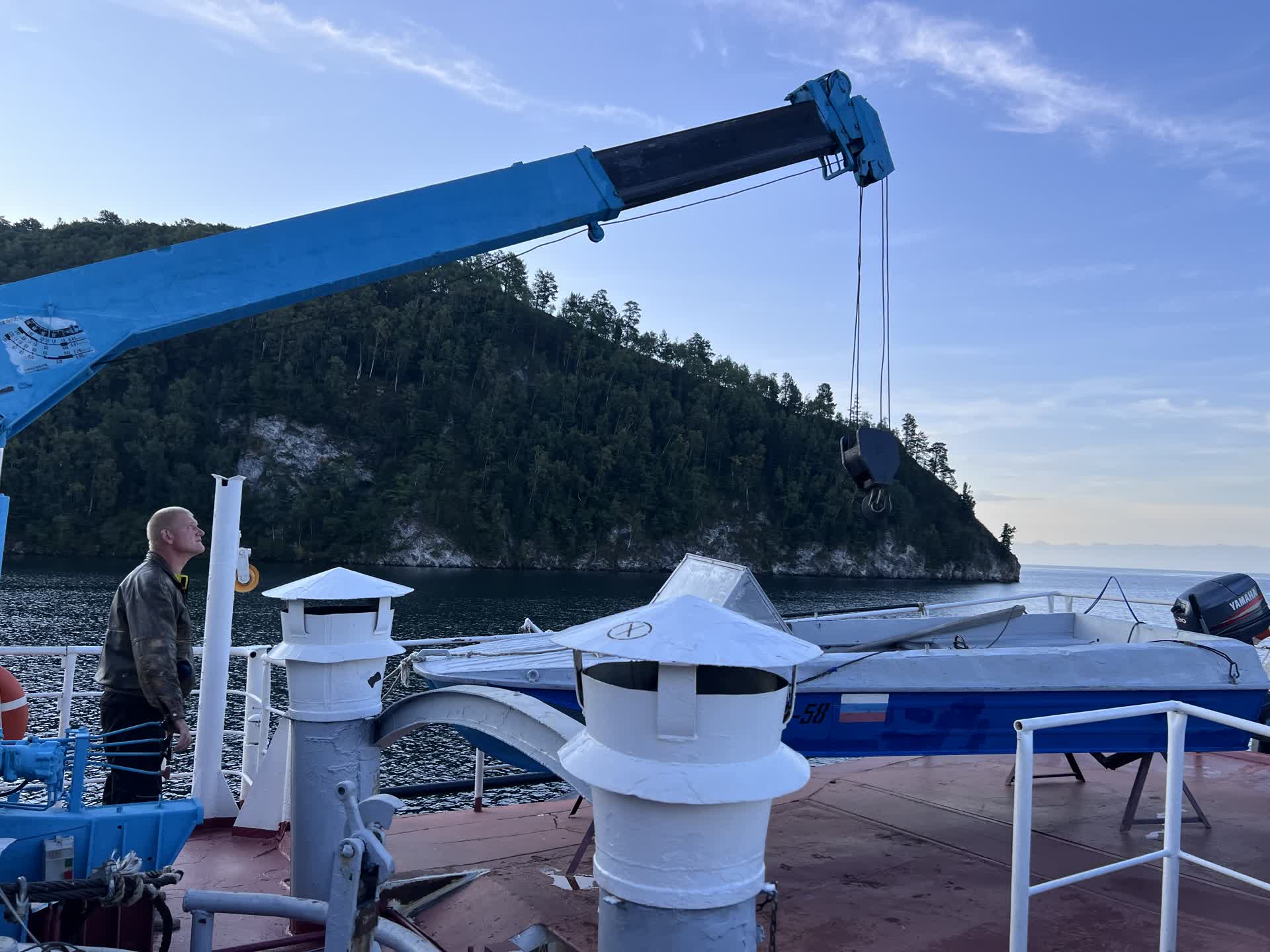
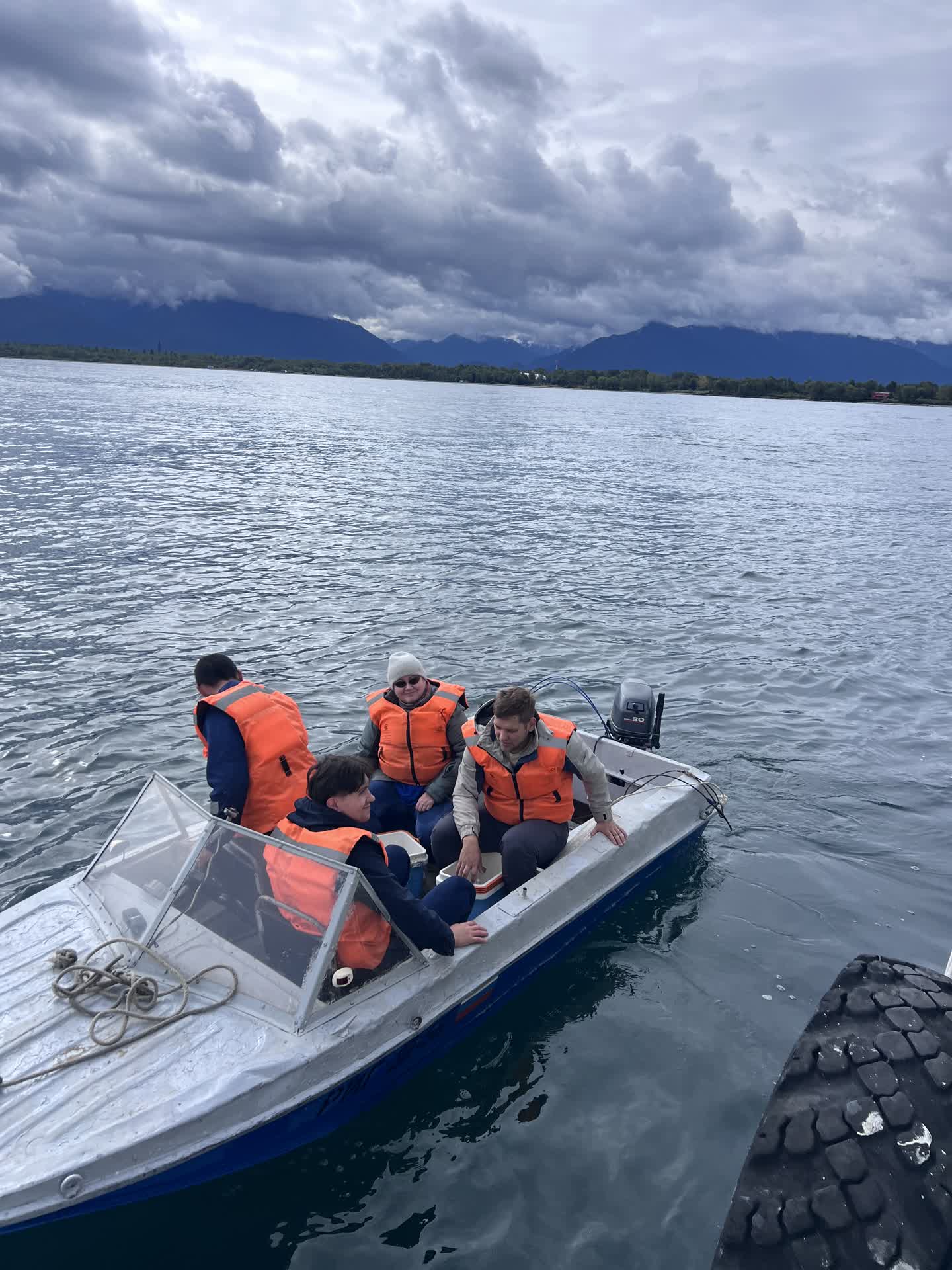
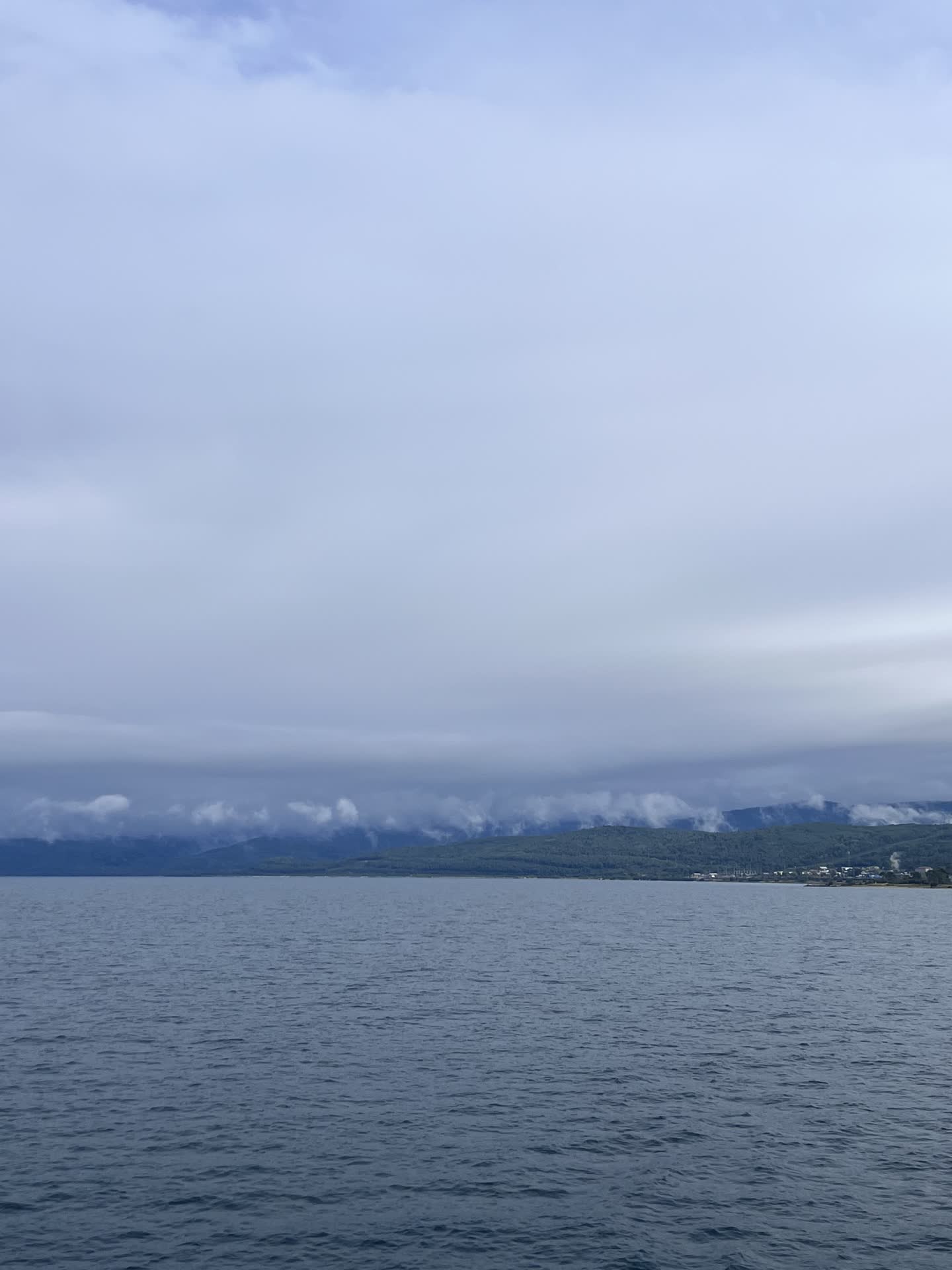
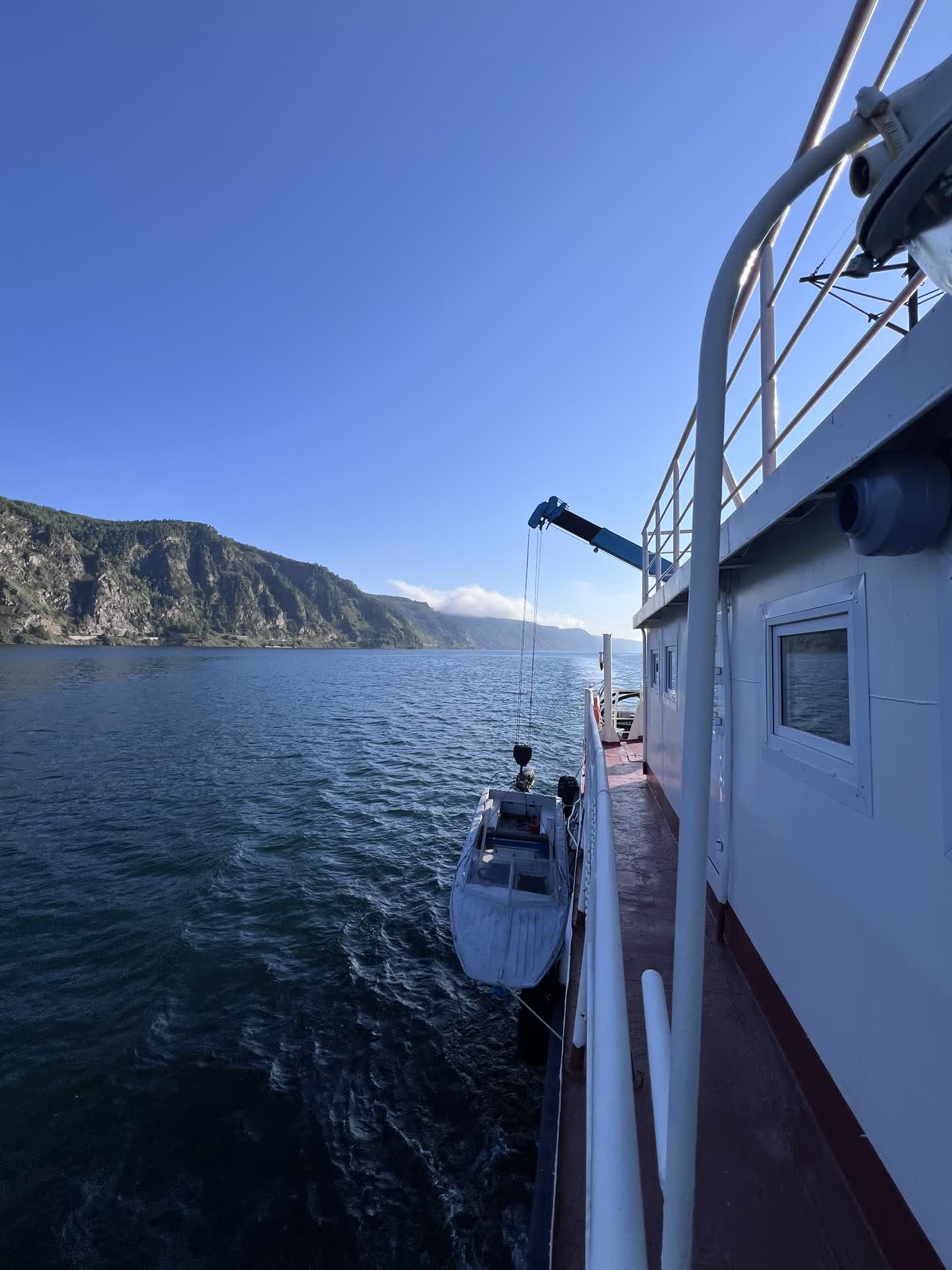
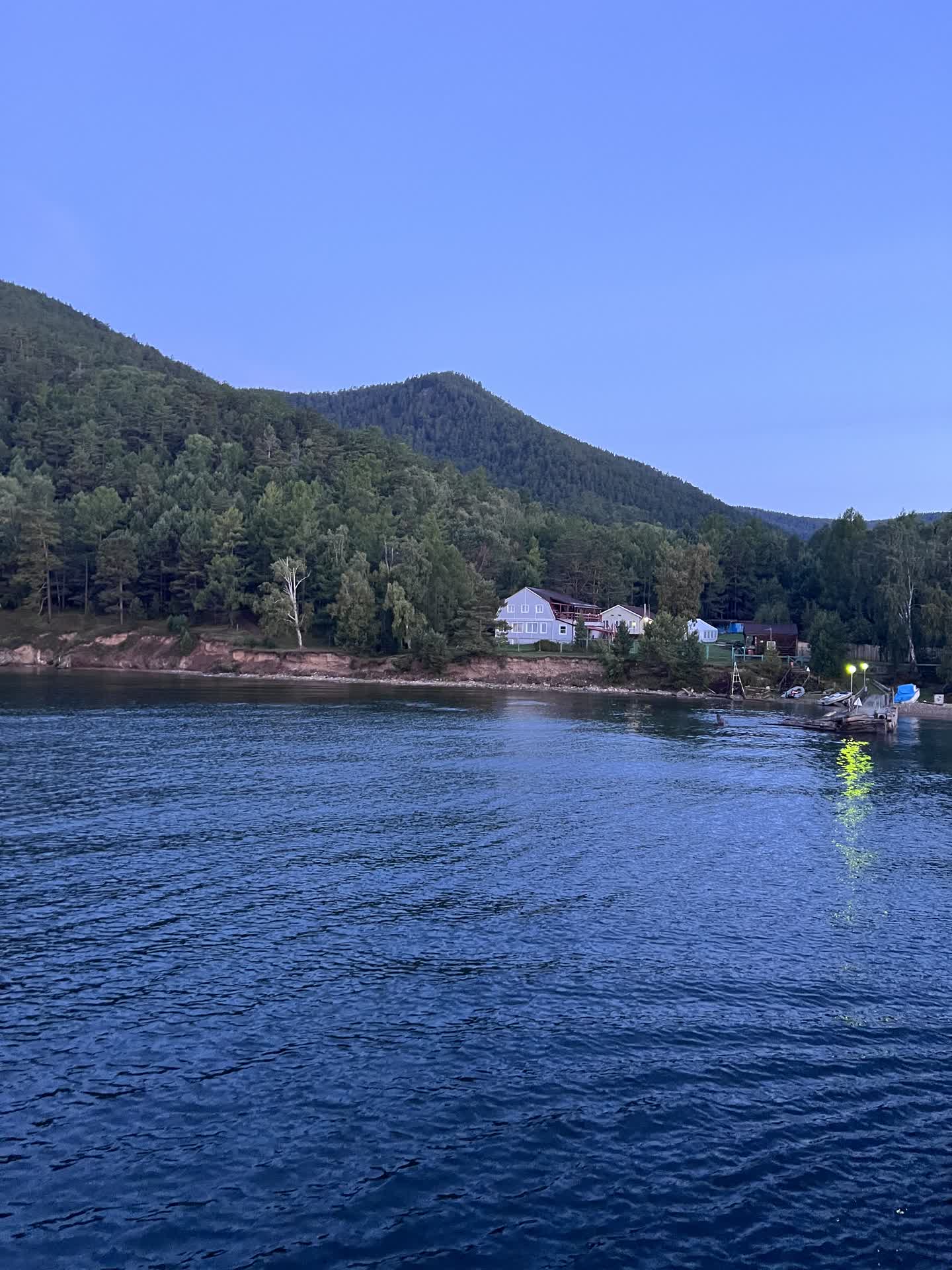
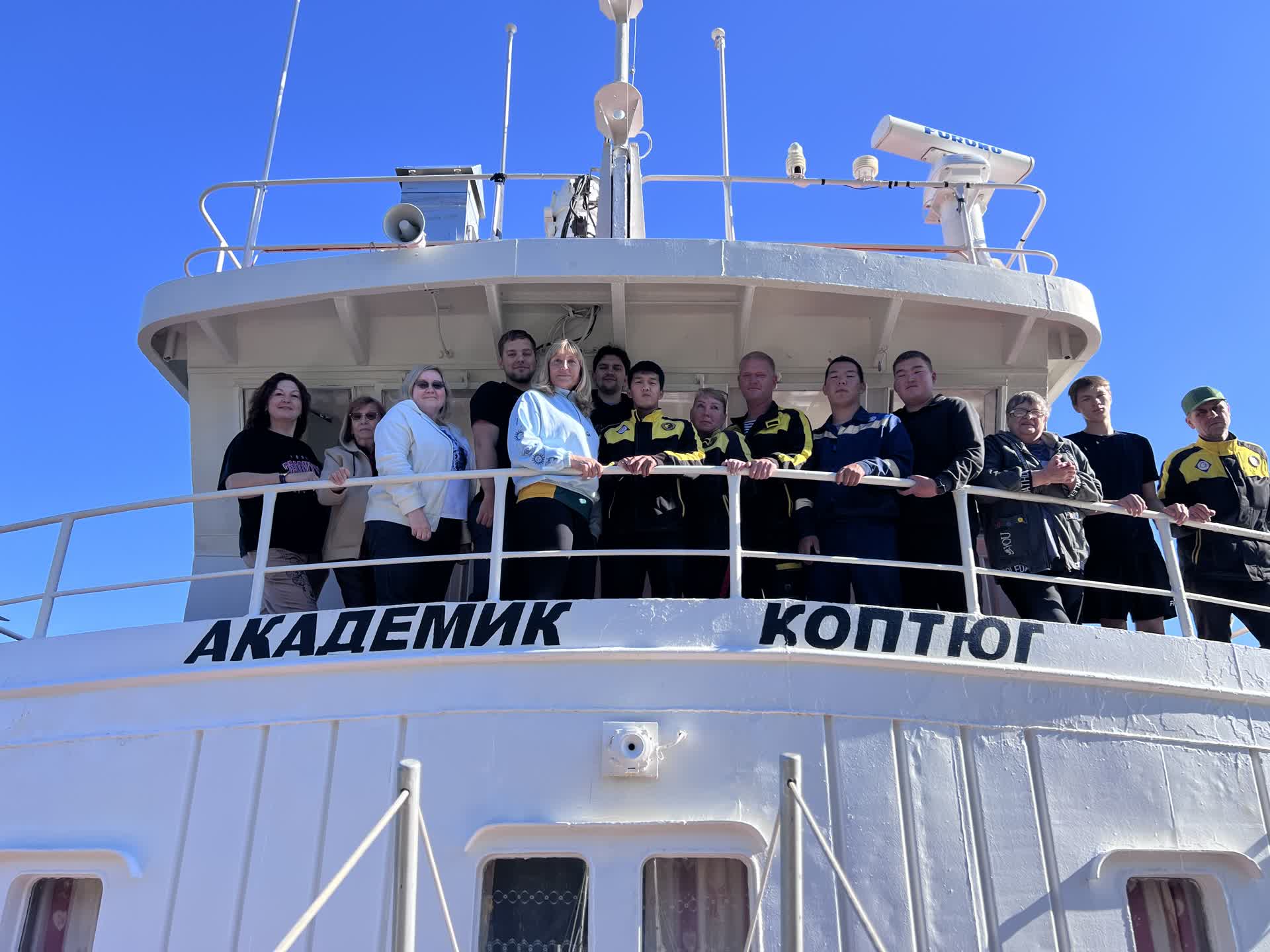
A research expedition was conducted aboard the RV «Akademik V.A. Koptyug» from 31 August to 6 September 2026, aiming at monitoring the concentrations of aerosol and gaseous pollutants, as well as meteorological parameters of the air above the water area of the southern basin of Lake Baikal, to identify its pollution sources. It also involved assessing water quality of estuarine areas of some lake’s tributaries using model sites.
The expedition was carried out within the frameworks of state projects No. FWSR-2026-0017 «Study of carbon cycle components, biogenic elements, and other chemical substances in natural environments of the Baikal region under climate change and anthropogenic load» (headed by T.V. Khodzher) and No. FWSR-2026-0004 «Comprehensive study of viral and bacterial communities of Lake Baikal: structural, functional, and genetic organization, as well as the dynamics and transformation of microbiocenoses affected by various environmental factors» (headed by Belykh O.I.).
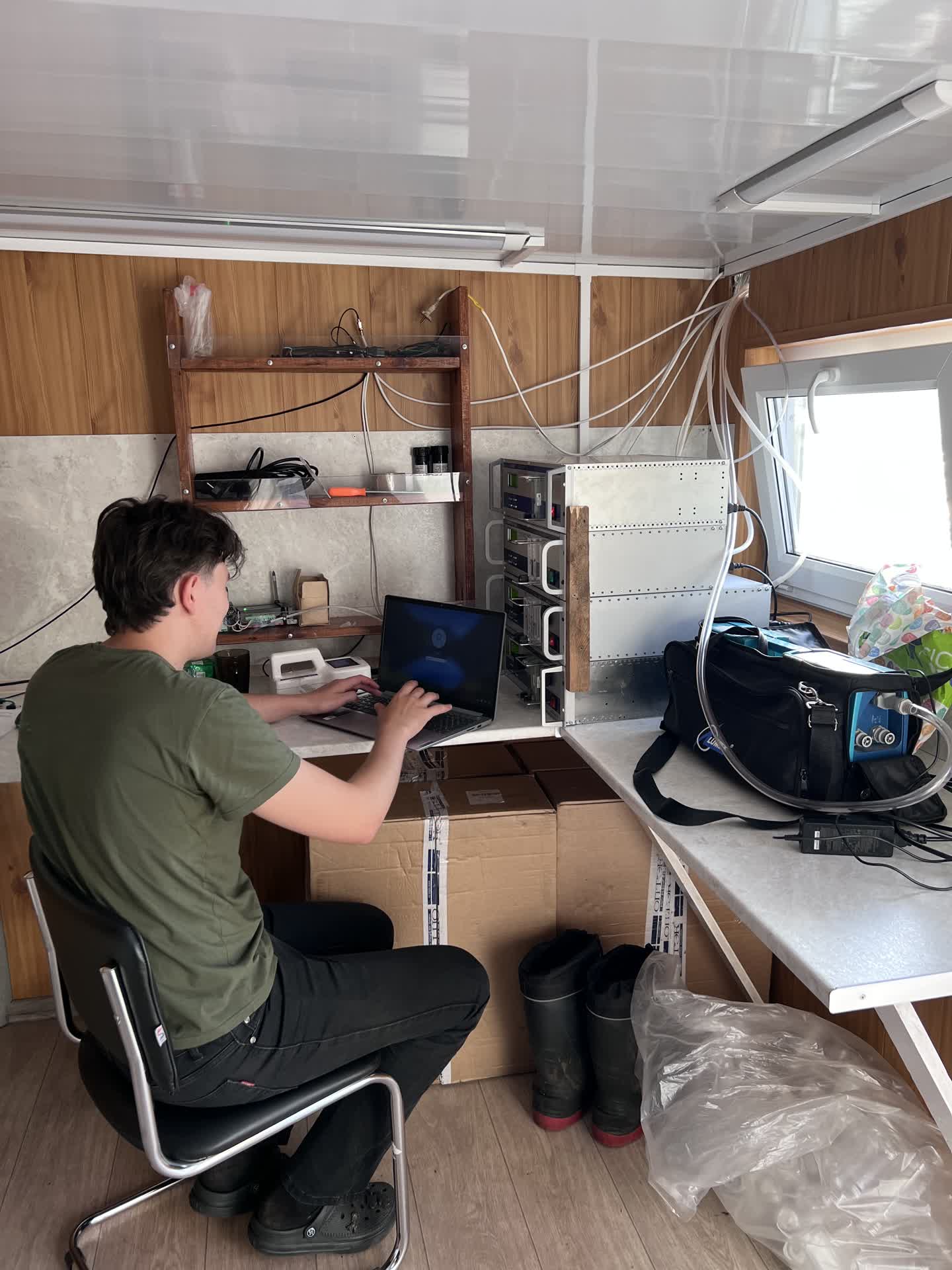
In the course of the expedition, continuous monitoring yielded the spatiotemporal distribution of air pollutants, such as ozone, sulfur and nitrogen oxides, carbon dioxide, gaseous mercury, and aerosol particles in the air above the southern basin of Lake Baikal. The mean concentrations were as follows: nitrogen dioxide (NO₂)–0.10 mg/m³; nitrogen oxide (NO)–0.034 mg/m³; carbon oxide (CO)–0.16 ppm (∼0,18 mg/m³); carbon dioxide (CO₂)–388 ppm; sulfur dioxide (SO₂)–1.5 µg/m³; hydrogen sulfide (H₂S)–0.00012 mg/m³; and ozone (O₃)–0.033 mg/m³. All measured concentrations were significantly below the maximum permissible concentrations (MPCs) established for atmospheric air. The mean concentration of gaseous mercury was 2.05 ng/m³, which is higher than background values observed during the warm season in the coastal zone of the southern basin of Lake Baikal (1.44 ng/m³). Overall, short-term elevations in mercury concentrations up to 0.26 ng/m³ were recorded, presumably caused by the emissions from the research vessel.
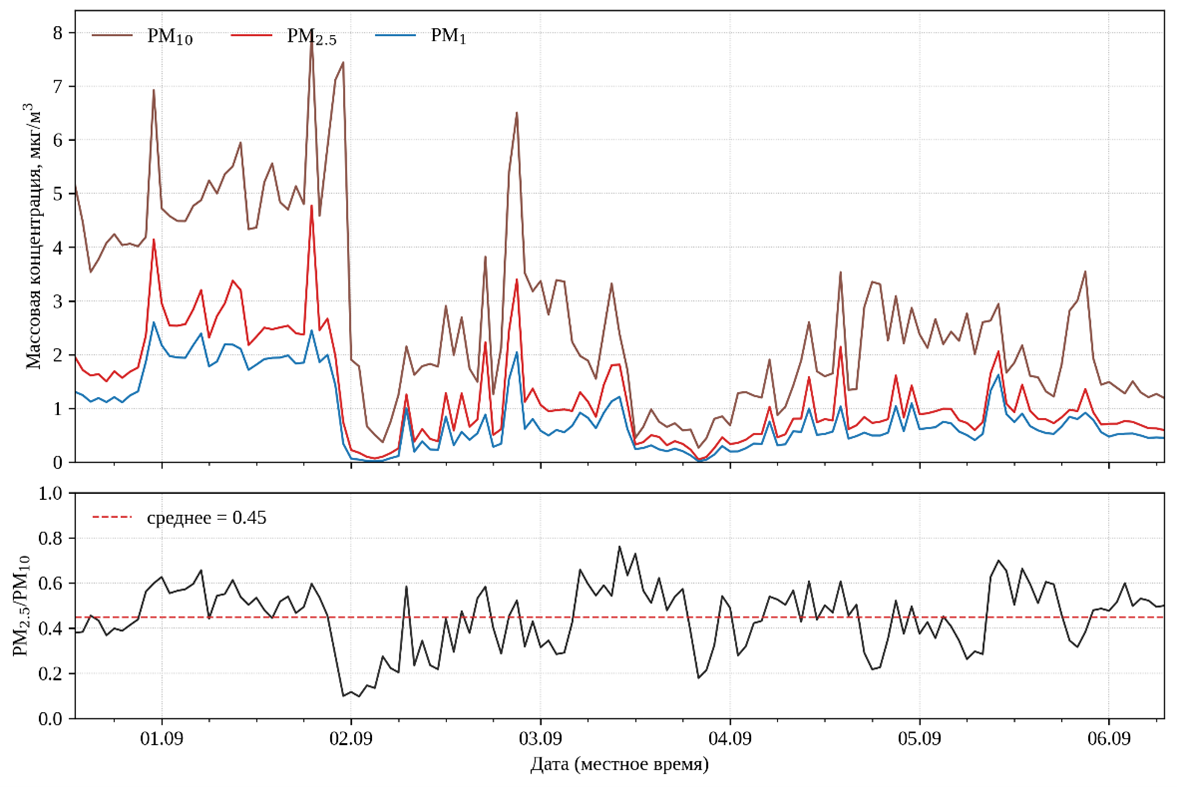
Figure. Hourly mean concentrations of PM₁, PM₂.₅, and РМ₁₀ in the surface atmosphere above the southern basin of Lake Baikal measured from the board of the RV «Akademik V.A. Koptyug» from 31 August to 6 September 2026; the PM₂.₅/РМ₁₀ ratio of hourly mean concentrations in the surface atmosphere above the southern basin of Lake Baikal.
During the expedition, hourly mean mass concentrations of aerosol particles were low: 0.86 µg/m³ for PM₁, 1.24 µg/m³ for PM₂.₅, and 2.71 µg/m³ for PM₁₀, without exceeding MPC for PM₂.₅ (35 µg/m³). The highest daily mean PM₁₀ concentrations were recorded on 31 August and 1 September 2026 (4.4 and 5.3 µg/m³). After 2 September 2026, PM₁₀ concentrations dropped threefold (to 1.3–2.2 µg/m³) due to the arrival of cleaner air masses in the study area. The PM₂.₅ aerosol concentrations measured in the air of the southern basin during this expedition were lower than those recorded previously. For instance, during the summer expeditions of 2023-2025, PM₂.₅ concentrations ranged from 2.9 to 9.2 µg/m³, indicating that the air masses entering the water area of the lake were enriched with smoke aerosols. The PM₂.₅/PM₁₀ ratio varied from 0.10 to 0.76, with a mean value of 0.45. The correlation coefficient between the PM₂.₅ and PM₁₀ fractions was r = 0.88. These values corresponded to a mixed-composition aerosol, with roughly equal contributions from submicron and coarse-mode components. It was independently noted that particles smaller than 1 µm dominated the fine fraction. The mean proportion of PM₁ within the PM₂.₅ faction was 0.66.
Ten atmospheric aerosol samples were collected to determine the ionic composition, trace elements, soot, and PAHs. Chemical analysis of the samples will be conducted in the laboratory.
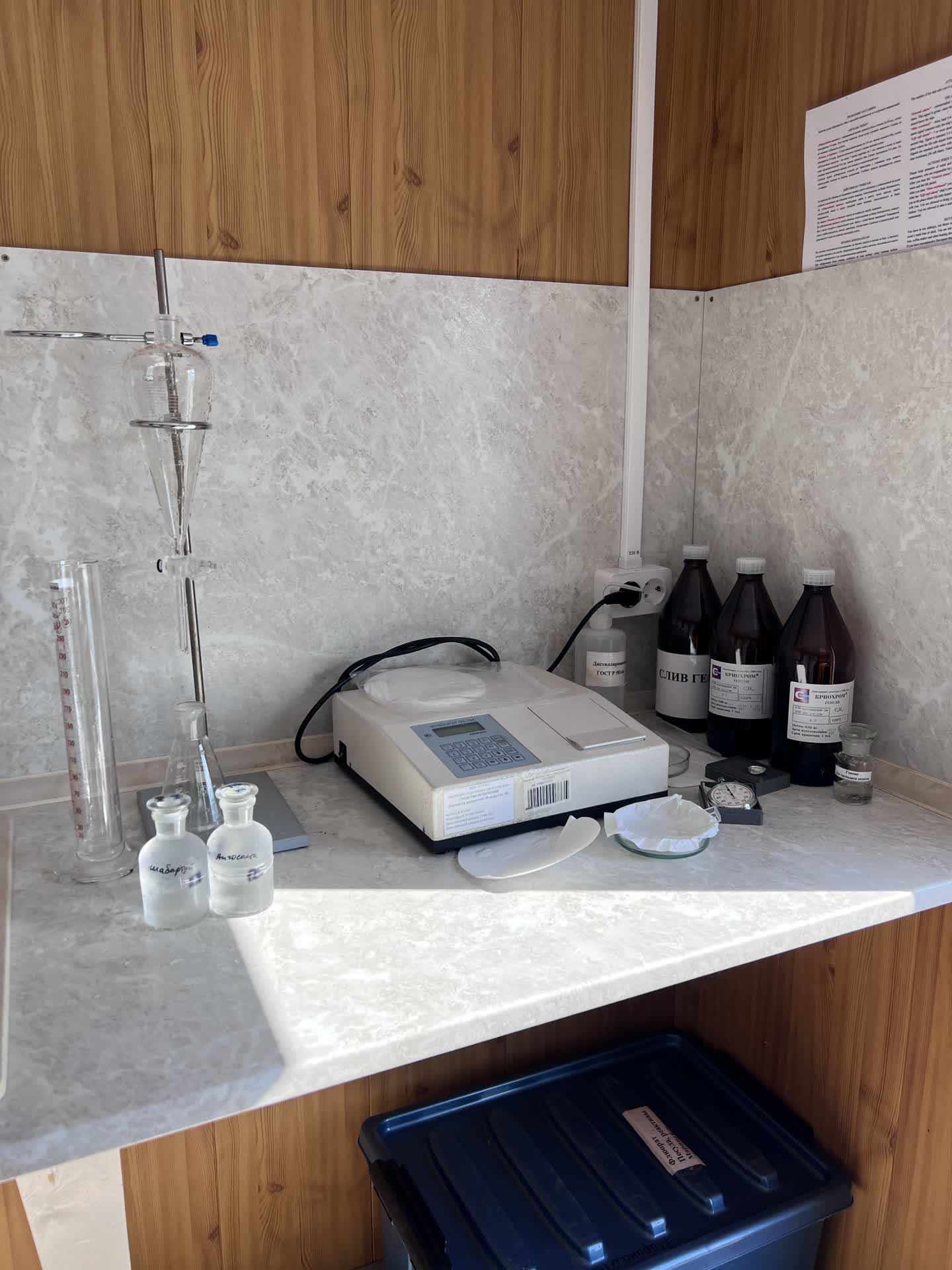
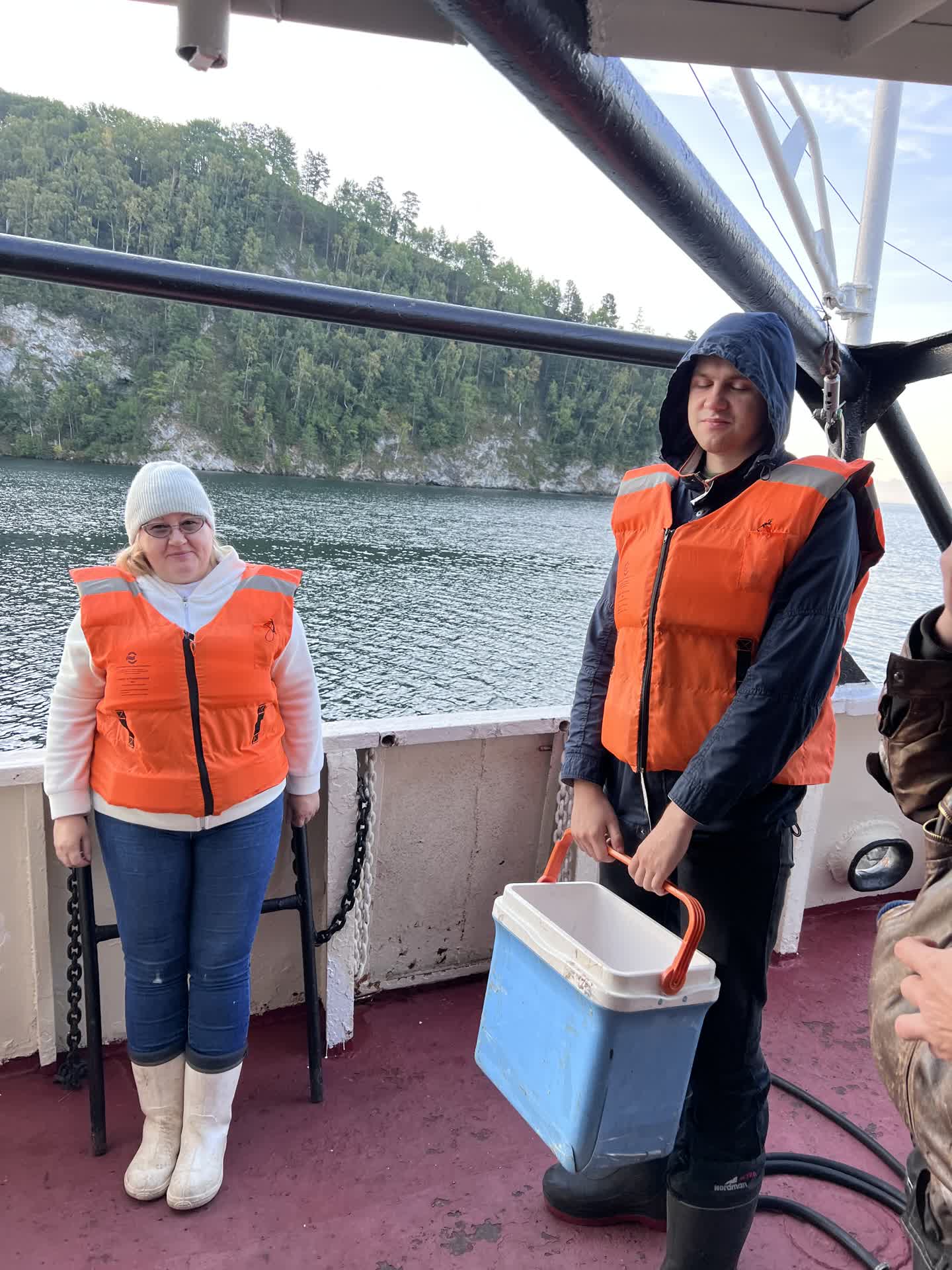
Additionally, 63 water samples were collected for chemical and microbiological analyses from the river estuaries along the southwest coast (Goloustnaya, Bolshaya Kotinka, Chyornaya, Bolshaya Cheremshanka, Malaya Cheremshanka, Krestovka, Kamenushka, Polovinnaya, Marituy, Shabartuy, and Angasolka) and southeast coast (Kultuchnaya, Medlyanka, Pokhabikha, Slyudyanka, Utulik, Solzan, Khara-Murin, Snezhnaya, Pereyomnaya, Mishikha, and Mysovaya), as well as in the littoral zone of Lake Baikal within a 50 m radius of the estuarine part of the rivers. A sample of treated wastewater was also collected from the municipal wastewater treatment plant in the town of Slyudyanka. Under the field conditions, the water samples were analyzed for oxygen, bicarbonates, pH, electrical conductivity, biogenic elements, and petroleum hydrocarbons. Ions, biogenic elements, biochemical oxygen demand (BOD), chemical oxygen demand (COD), polycyclic aromatic hydrocarbons (PAHs), and synthetic surfactants will be analyzed under laboratory conditions.
Concentrations of petroleum hydrocarbons at the estuaries of Lake Baikal tributaries ranged from 0.005 to 0.022 mg/dm³ (with a mean value of 0.010 mg/dm³), which does not exceed MPCs for fishery water bodies (0.050 mg/dm³). Elevated concentrations were recorded in watercourses flowing through the settlements of Listvyanka (Bolshaya Cheremshanka, Malaya Cheremshanka, and Kamenushka) and Bolshiye Koty (Bolshaya Kotinka), as well as in the Pokhabikha, Vydrennaya, and Mysovaya rivers along the southeast coast of the lake. In the wastewater from the municipal wastewater treatment plant in the town of Slyudyanka, the concentrations of petroleum hydrocarbons were 3.7 times higher than the MPCs established for fishery water bodies.
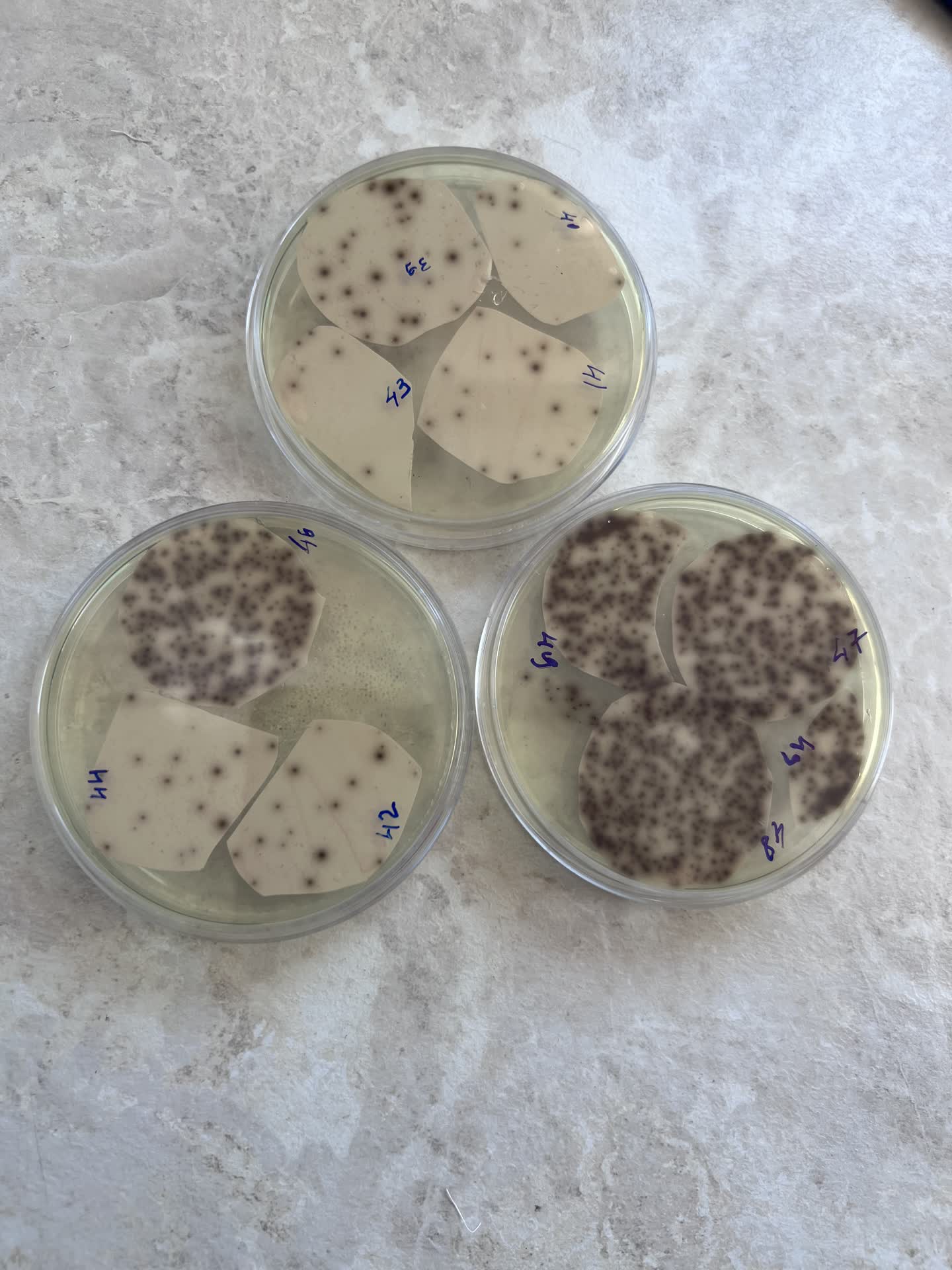
Under SanPiN 1.2.3685-21, «Hygienic standards and requirements for ensuring the safety and/or harmlessness of environmental factors for humans», water quality was assessed in terms of the major sanitary indicator microorganisms: total coliform bacteria (TCB), E. coli, and enterococci. The standards for surface waters regarding sanitary indicator microorganisms were exceeded at 23 sampling stations. The maximum abundance of all examined microbial groups was detected in the sample from the Mysovka River. An analysis of a wastewater sample from the municipal wastewater treatment plant in the town of Slyudyanka revealed that it did not meet the requirements of SanPiN 1.2.3685-21 across all the indicators examined.