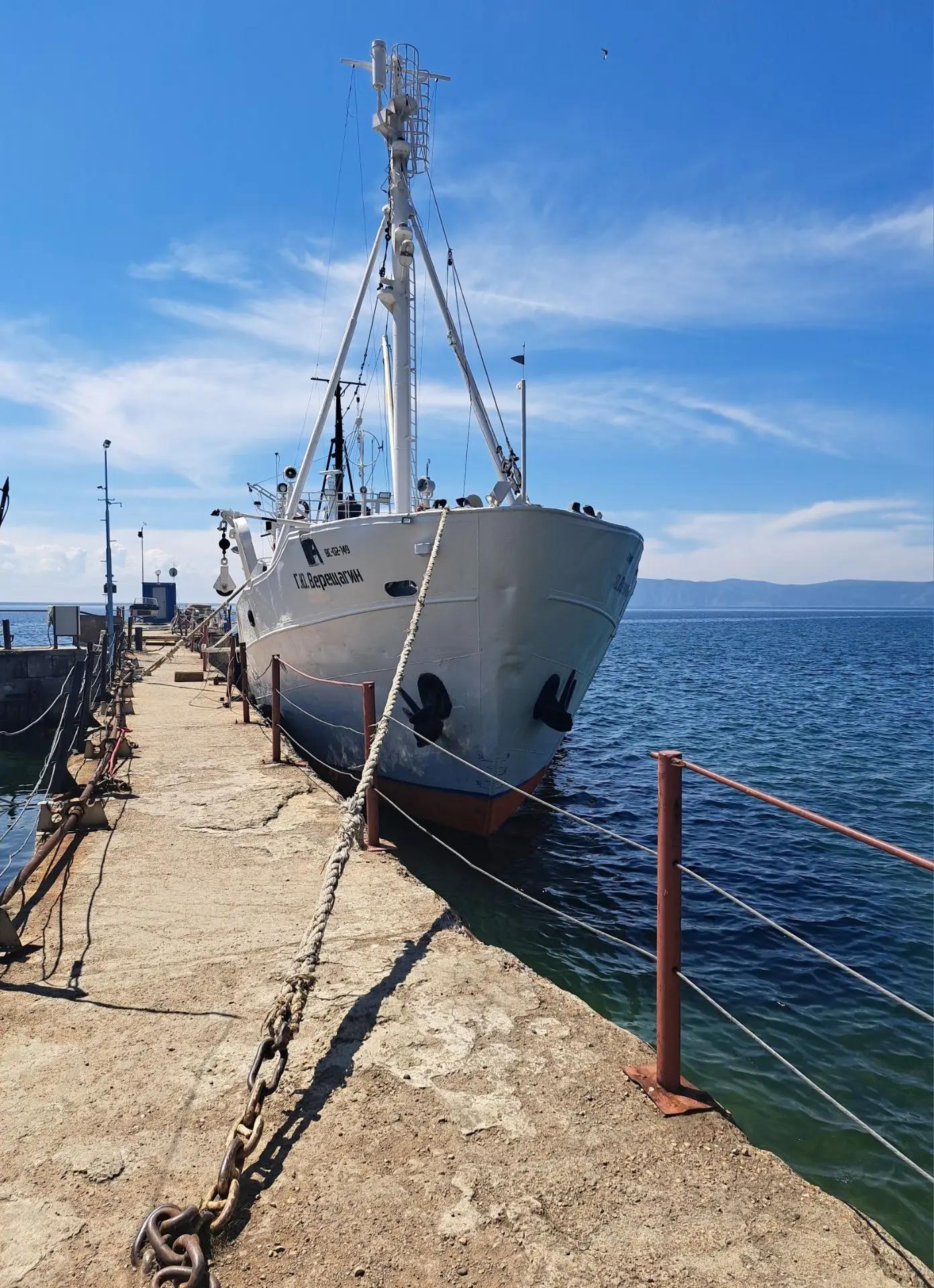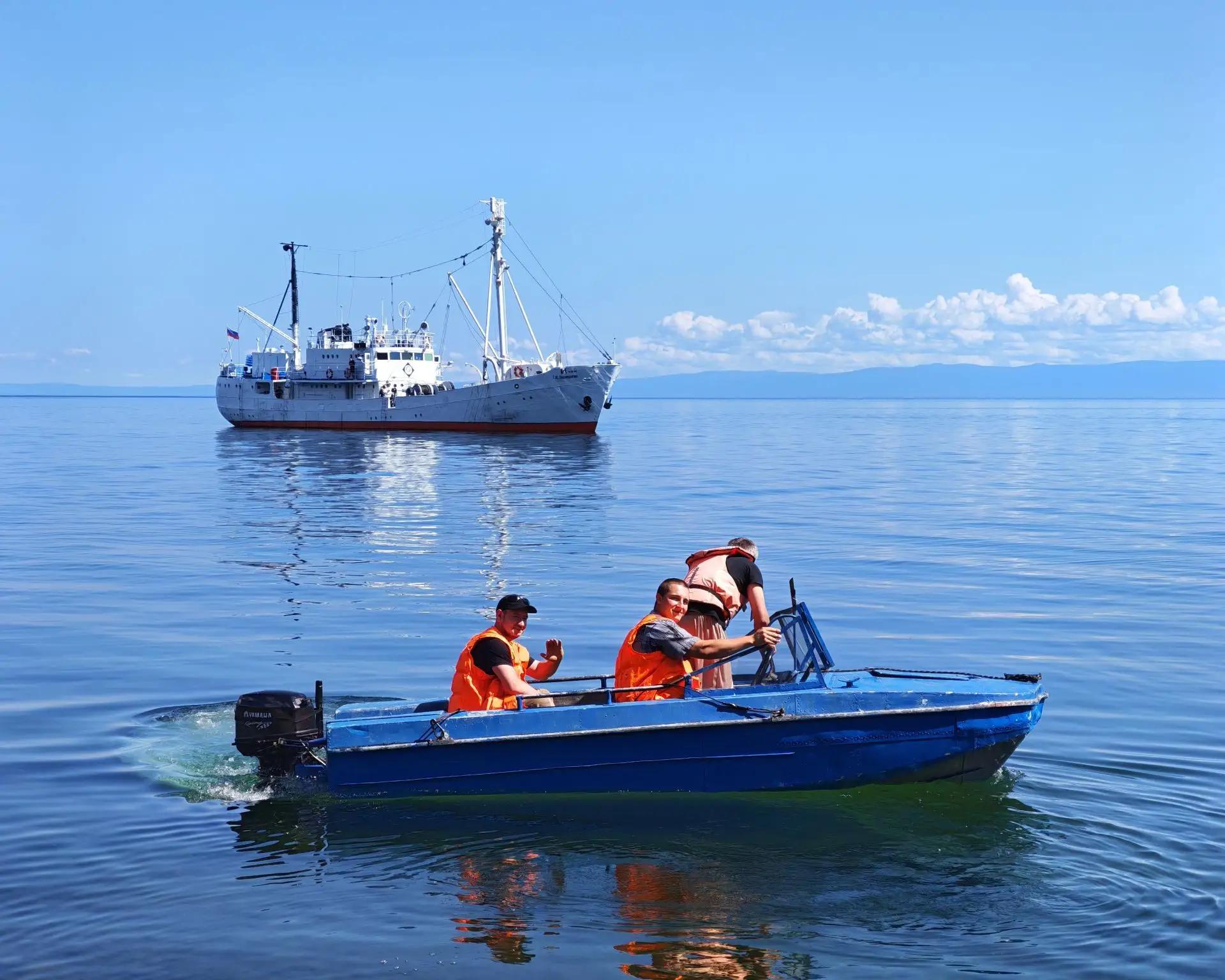



Comprehensive hydrophysical expedition aboard the RV “G.Yu. Vereshchagin” from 22 July to 4 August 2026
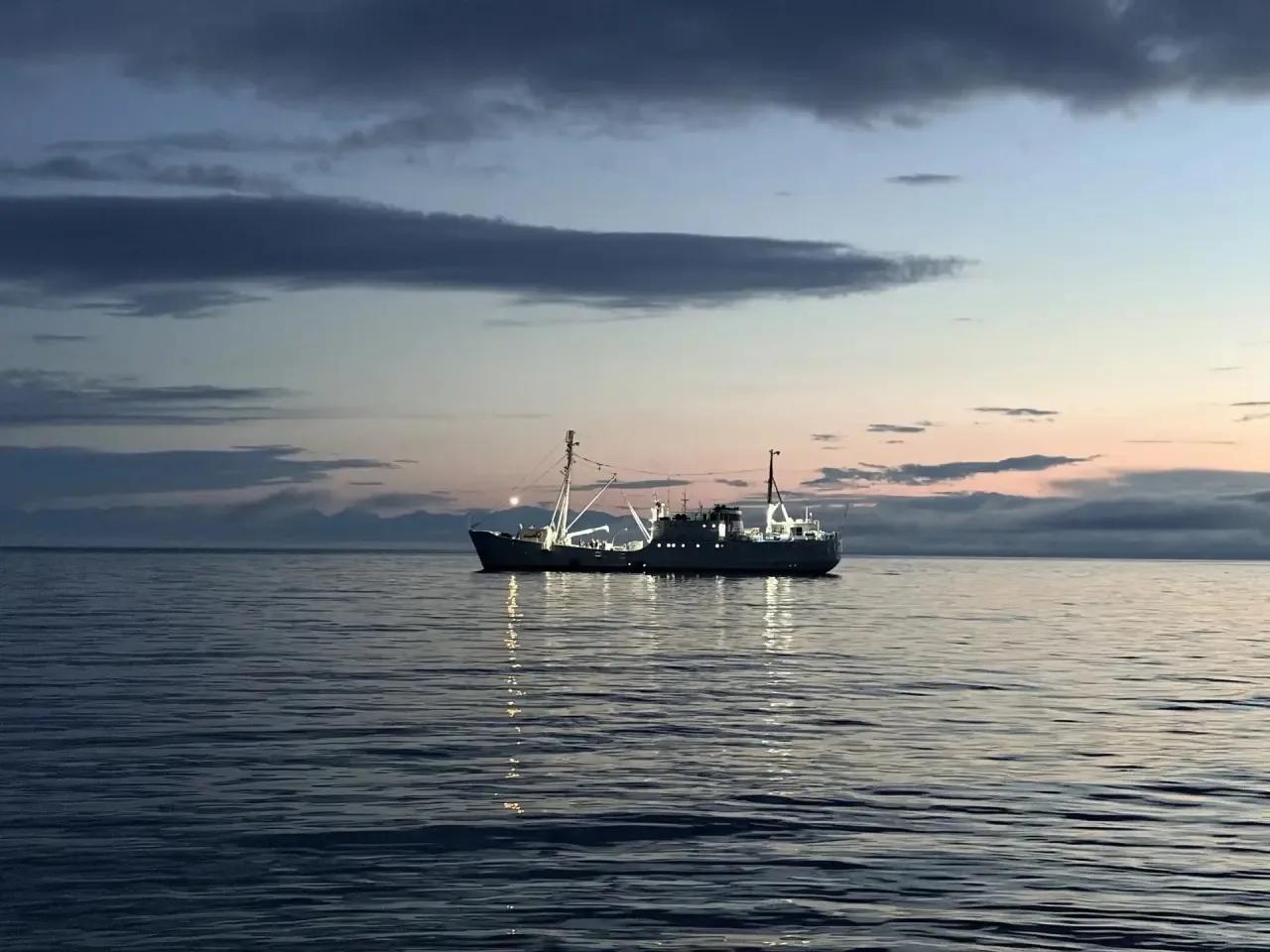
The expedition was conducted between 22 July and 4 August 2026 aboard the RV “G.Yu. Vereshchagin,” within the framework of the state projects Nos. FWSR-2026-0009 “Study of horizontal and vertical water exchange in Lake Baikal, its relationship with bottom geology, surface water inflow, and atmospheric influences, and its impact on the spatial distribution of pelagic organisms,” (headed by I.A. Aslamov) and FWSR-2026-0015 “The influence of abiotic factors of Lake Baikal and adjacent areas of East Siberia on the adaptation and biodiversity of aquatic organisms at the level of ecological, biochemical, and molecular genetic characteristic,” (headed by A.P. Fedotov).
The expedition aimed to conduct comprehensive studies of the spatiotemporal and seasonal changes in abiotic and biotic factors of Lake Baikal during spring, summer, and winter for identification of the cause-and-effect relationships of internal lake processes, assessment of the current state, and forecast of potential changes in the lake’s ecosystem.
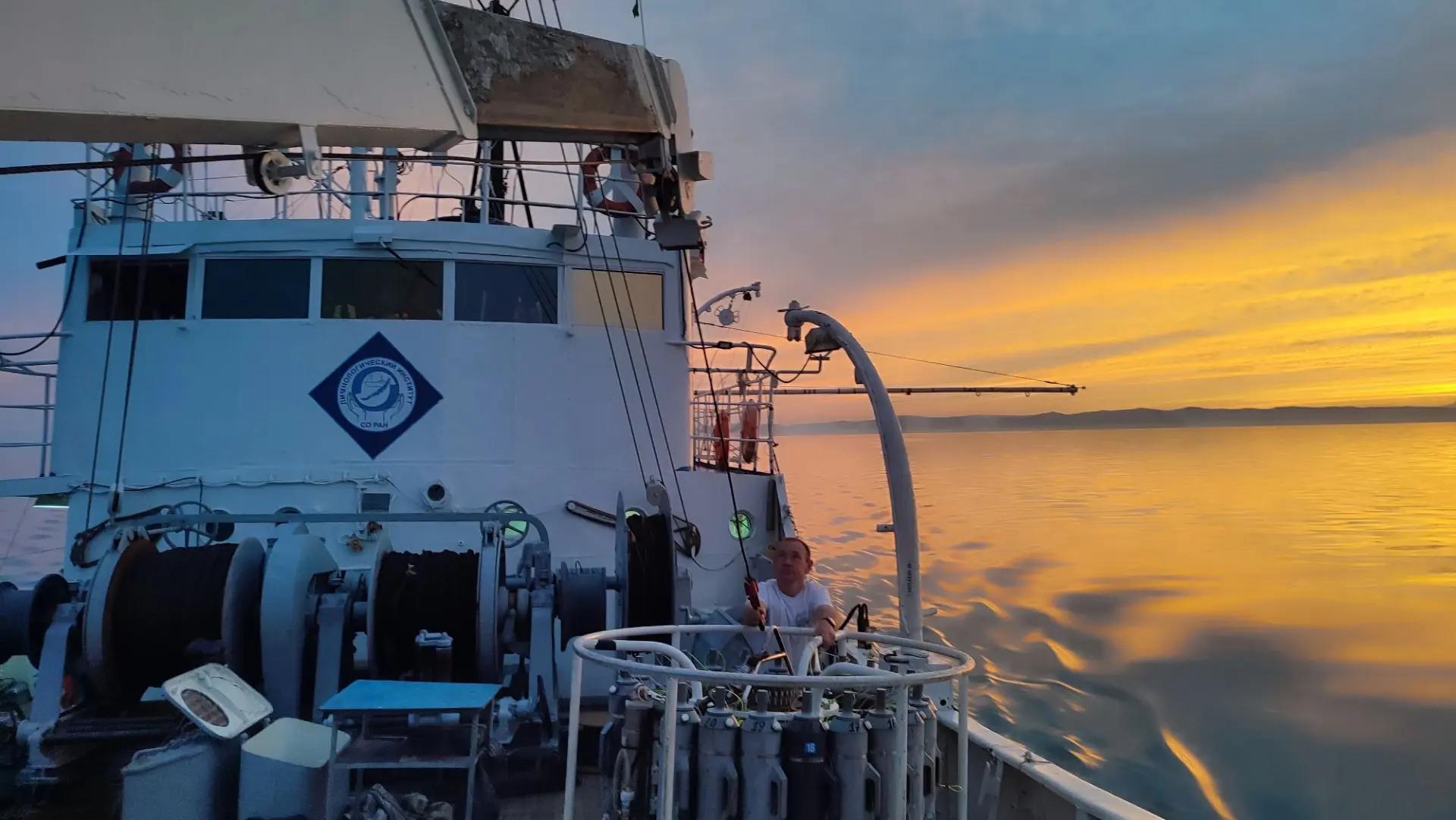
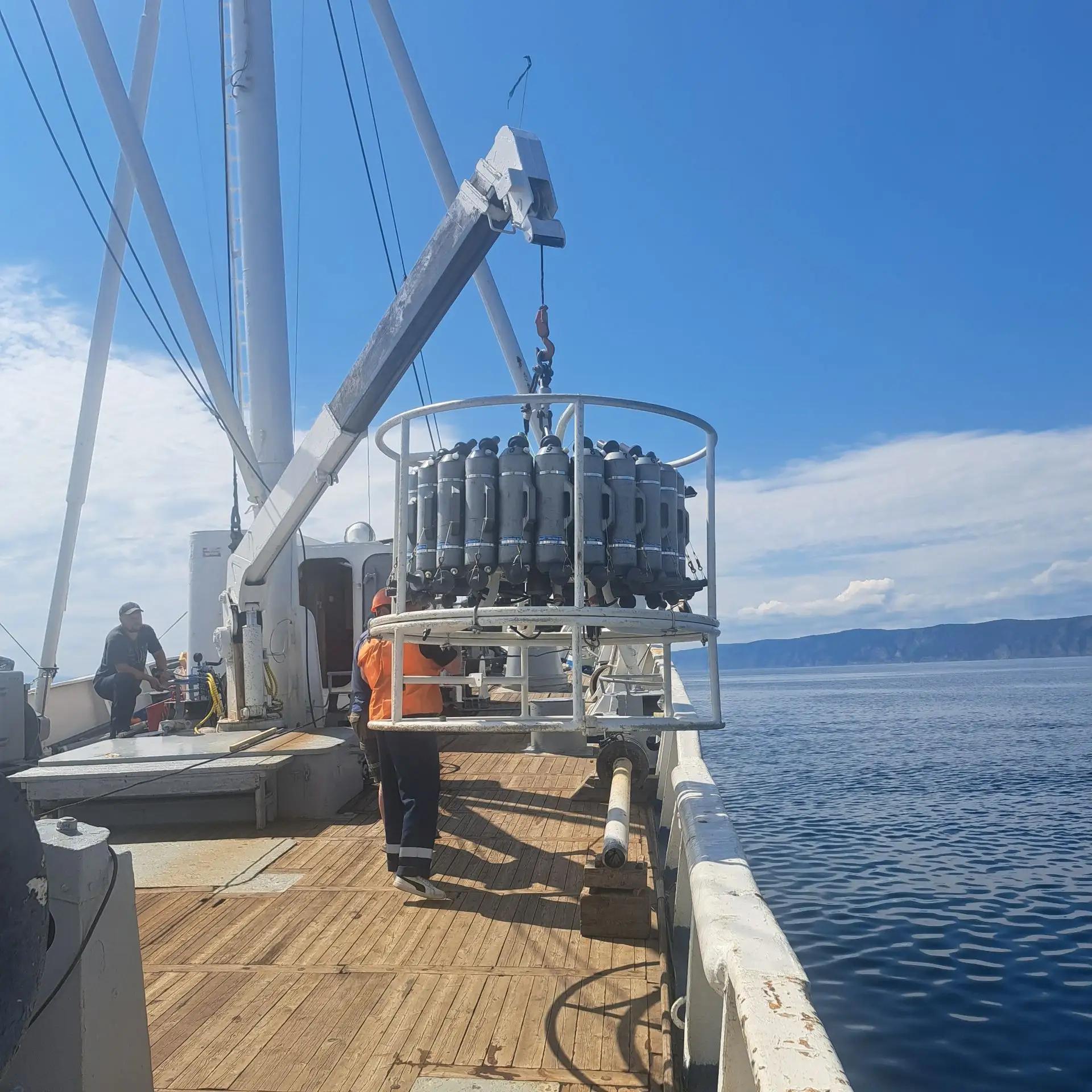
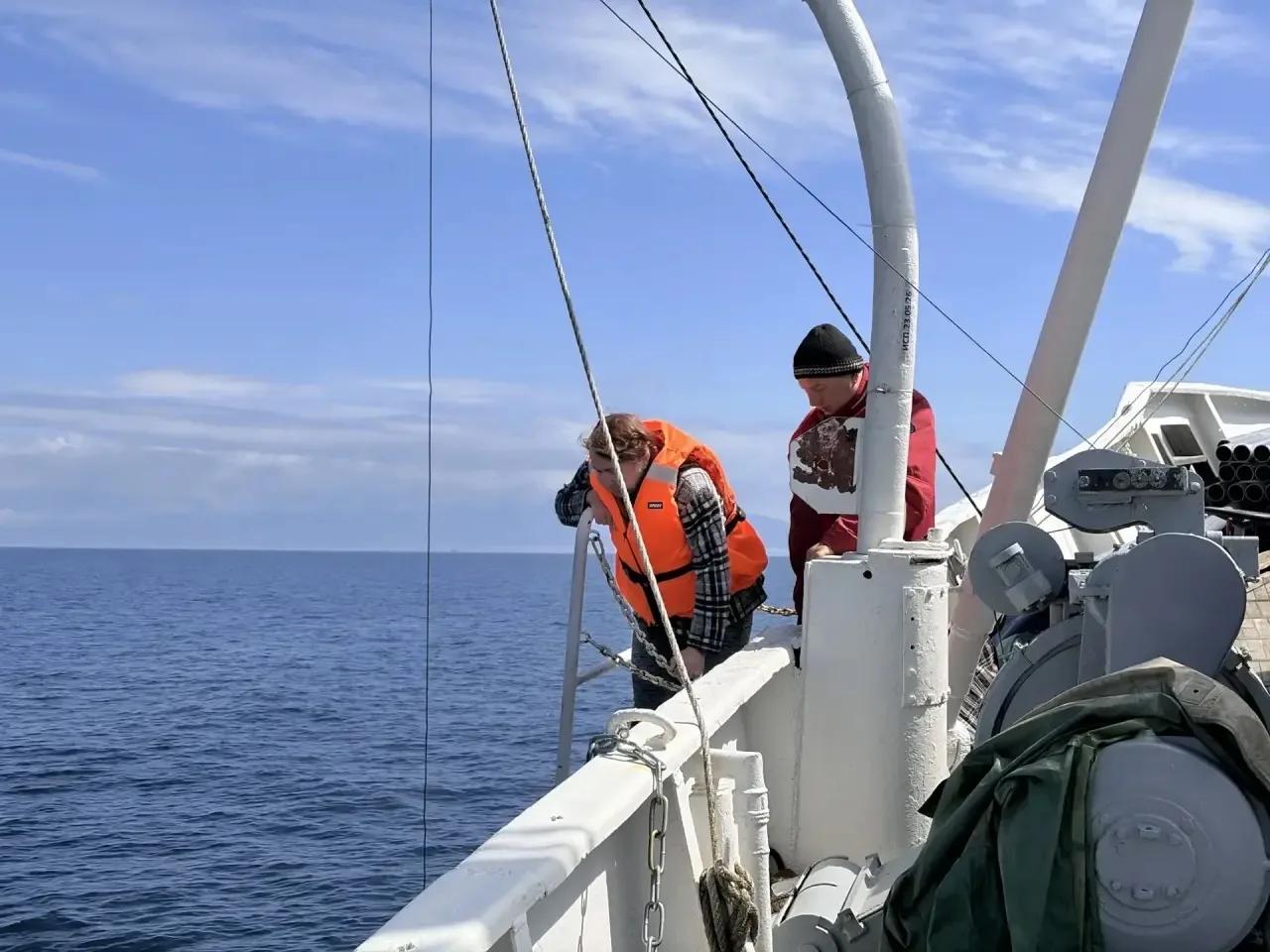
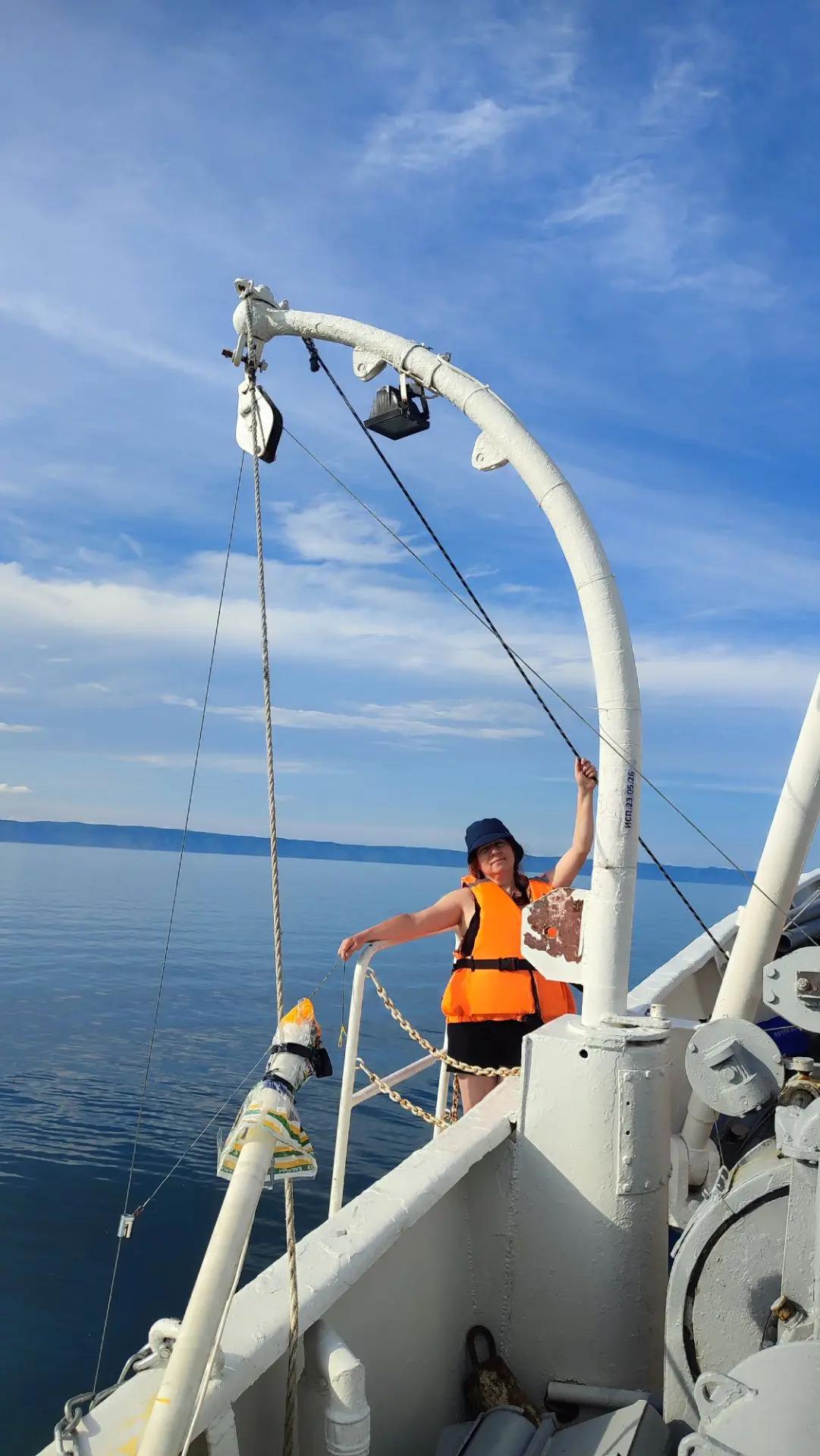
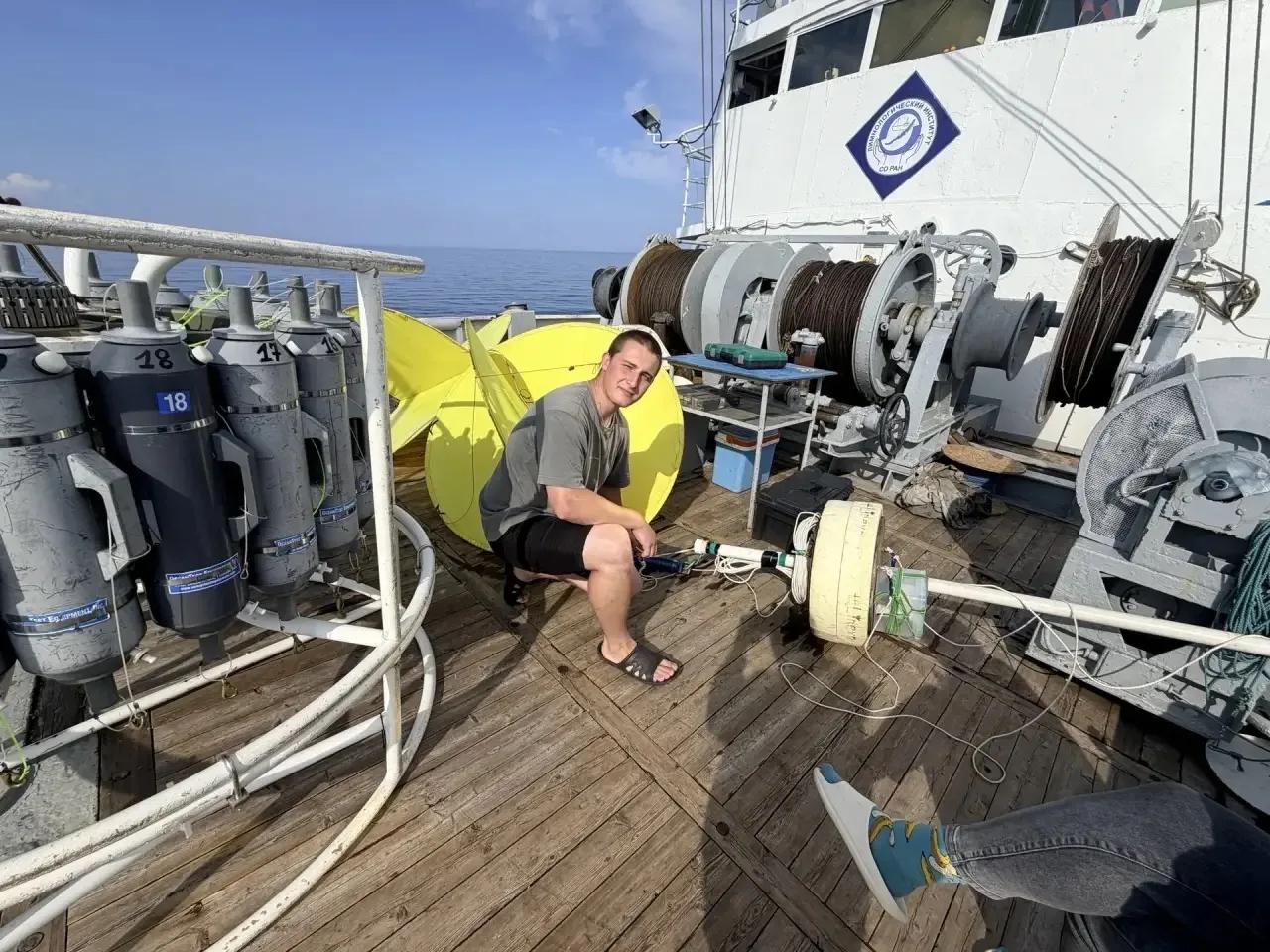
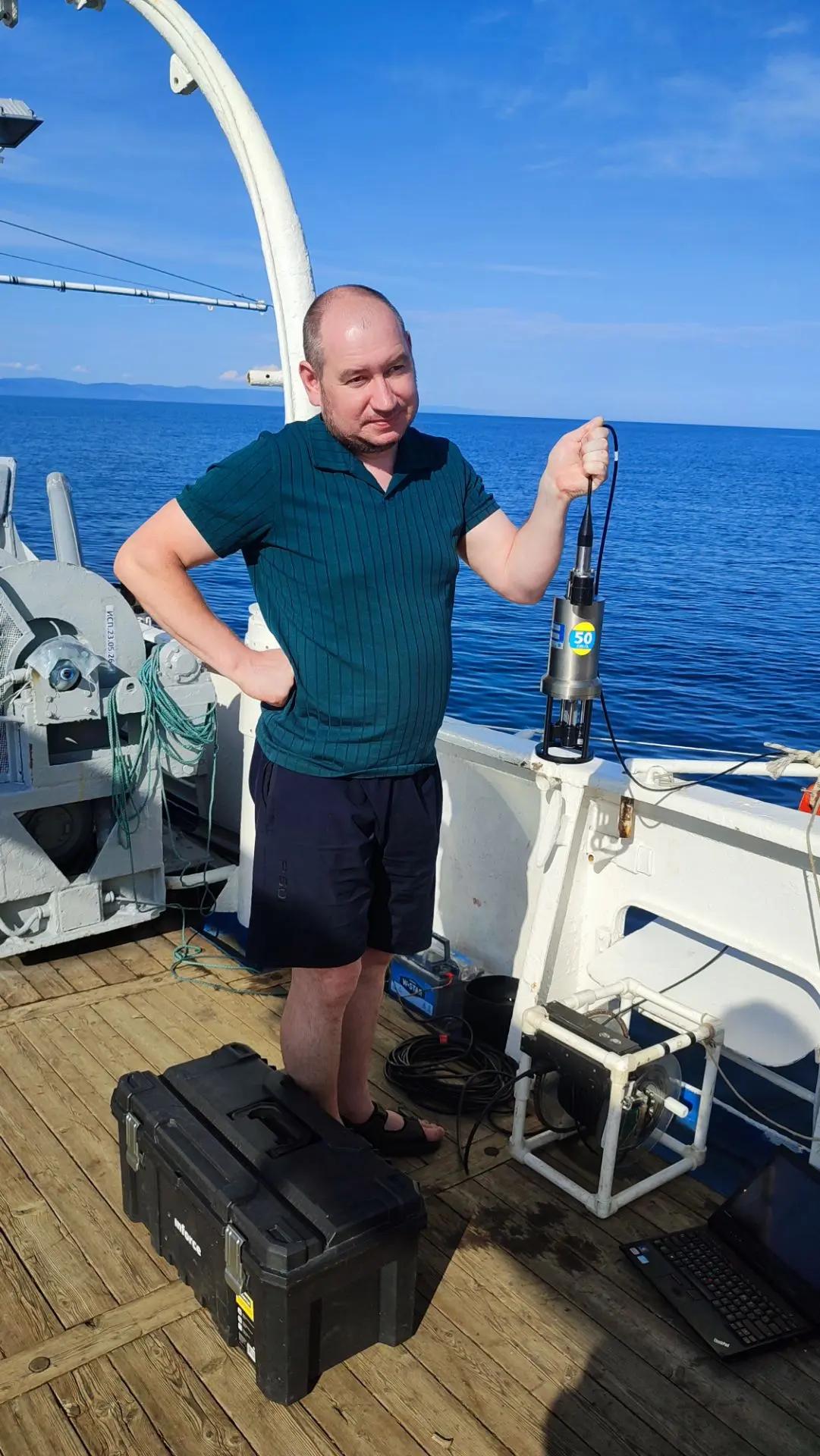
The work was carried out in three basins of the lake. Sampling was carried out along the standard grid of stations with longitudinal and transverse transects of the lake at fixed layers from the surface to the bottom using a Carousel SBE-32 Water Sampler equipped with 24 five-liter bathometers. Water was sampled for chemical analysis and to study the spatial distribution of microalgae across the water area of Lake Baikal. Zooplankton samples were taken with the Juday net. Water was sampled at 35 stations. Hydrophysical measurements were performed at 52 stations using a high-precision SBE-19+ CTD probe equipped with an additional dissolved oxygen sensor, and at 66 stations–using a Rinko AAQ-177 CTD probe (JFE Advantech Co., Ltd). Total samples collected:
- For chemical analysis–214;
- For determination of dissolved methane concentrations in water and bottom sediments–599;
- Phytoplankton–67;
- Zooplankton–47;
- Bottom sediments (benthic cores)–7.
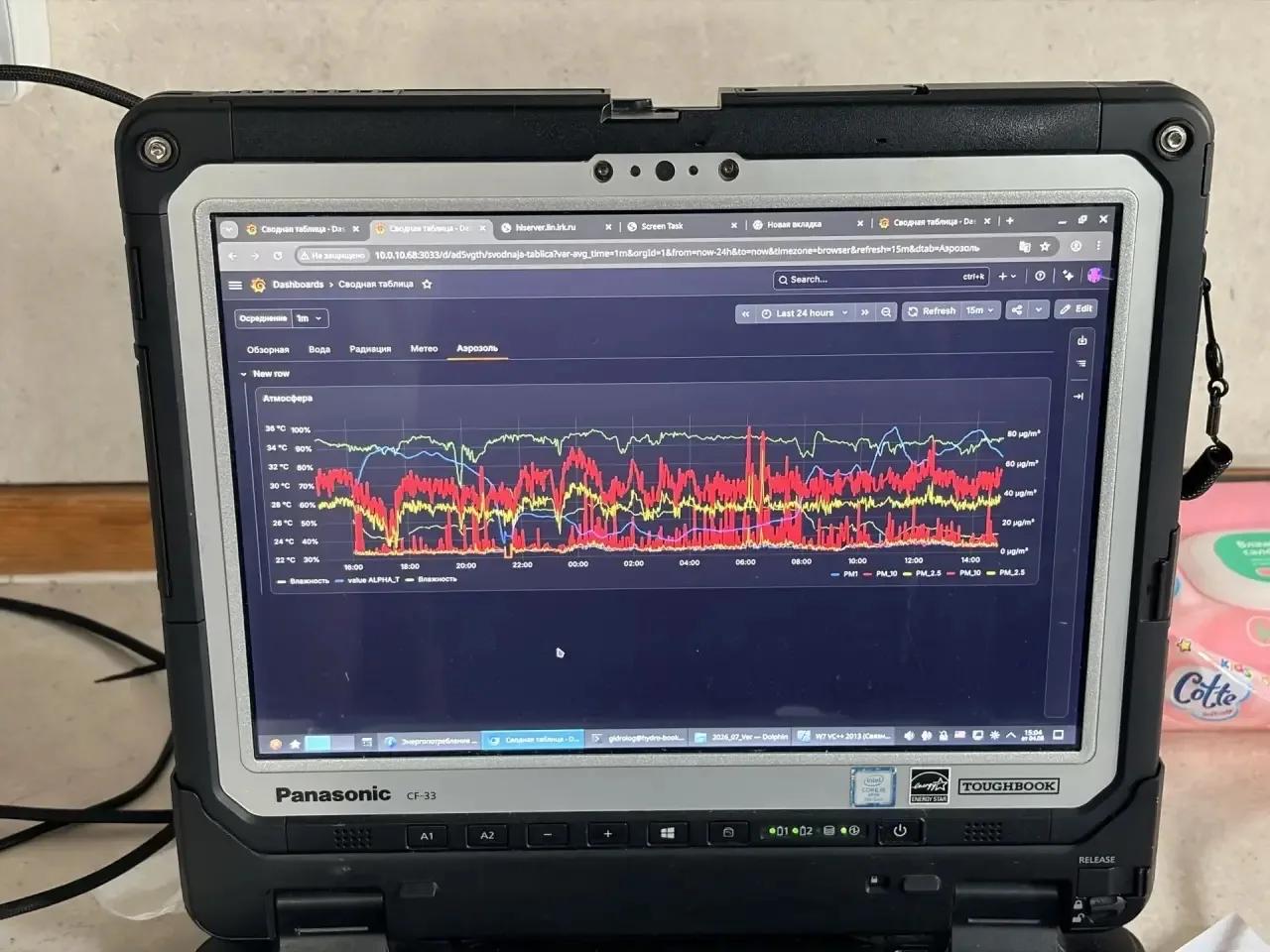
Temperature, electrical conductance, turbidity, pH, and redox potential (ORP) were continuously recorded in the near-surface water layer along the RV route; meteorological parameters, incoming and reflected solar radiation (in the long-wave and short-wave ranges), and additional incoming solar radiation (in the visible and UV ranges) were also recoded. The temperature of the lake’s water surface skin layer was measured with an infrared thermometer, and gas bubble emissions were monitored using a hardware-software system based on a Furino echosounder, with echogram data recording.
Experiments were conducted using “Piligrim” autonomous drifting buoys (developed in-house) in the area between Cape Goly and Cape Boro-Elga. Drift trajectories were obtained with a drogue (3 m² in area) deployed at depths of 1 and 10 meters.
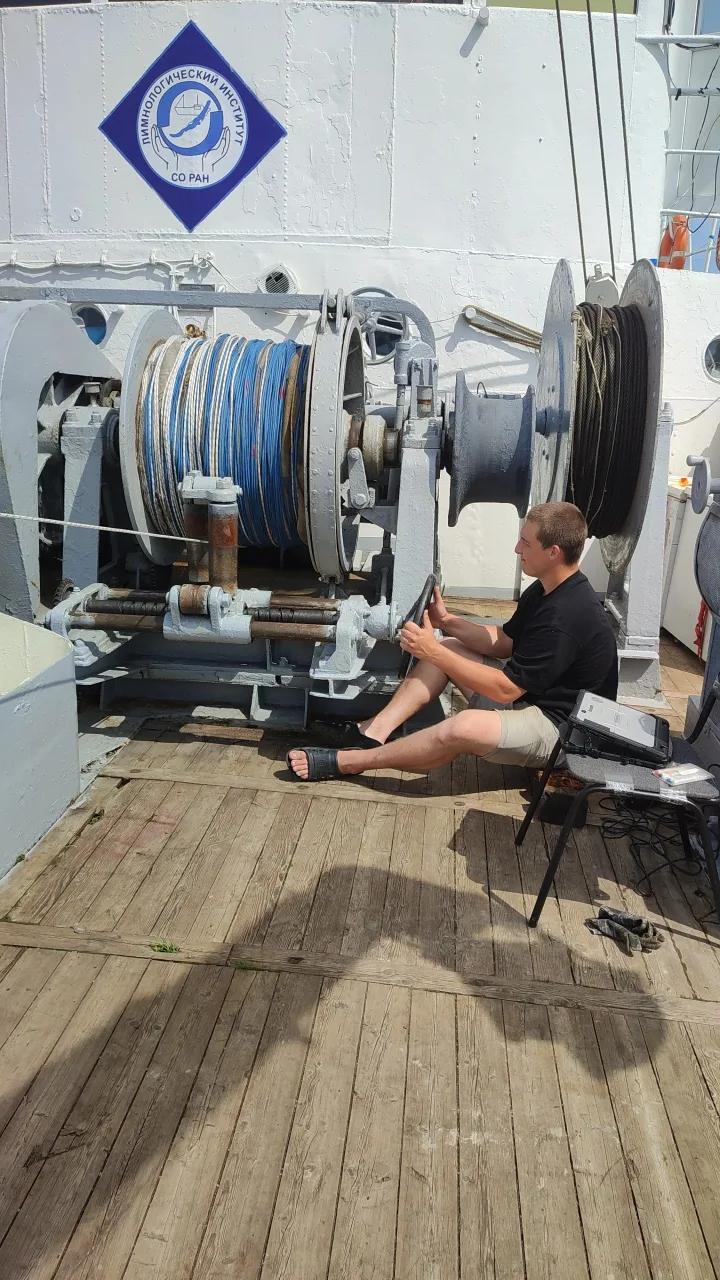
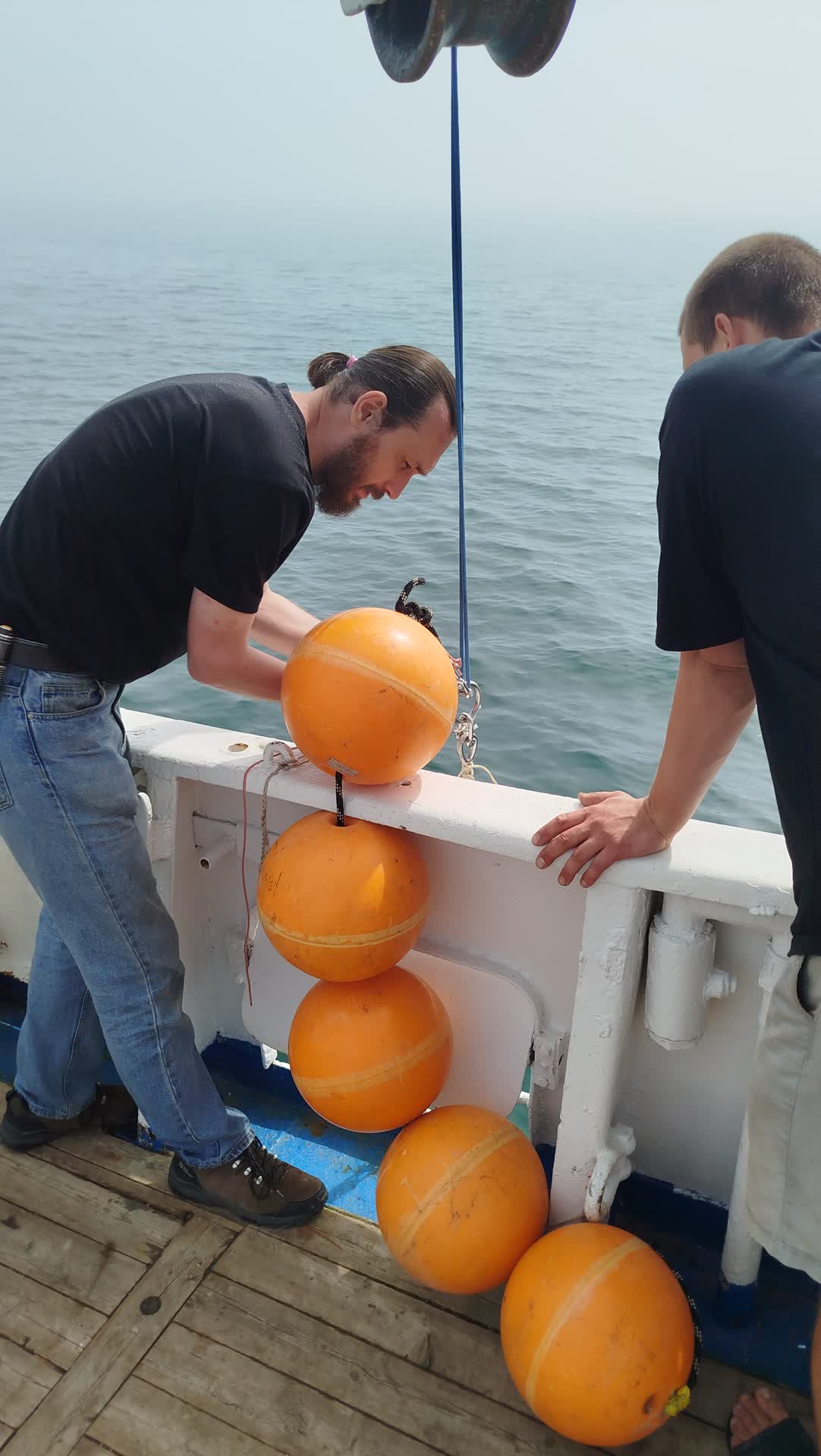
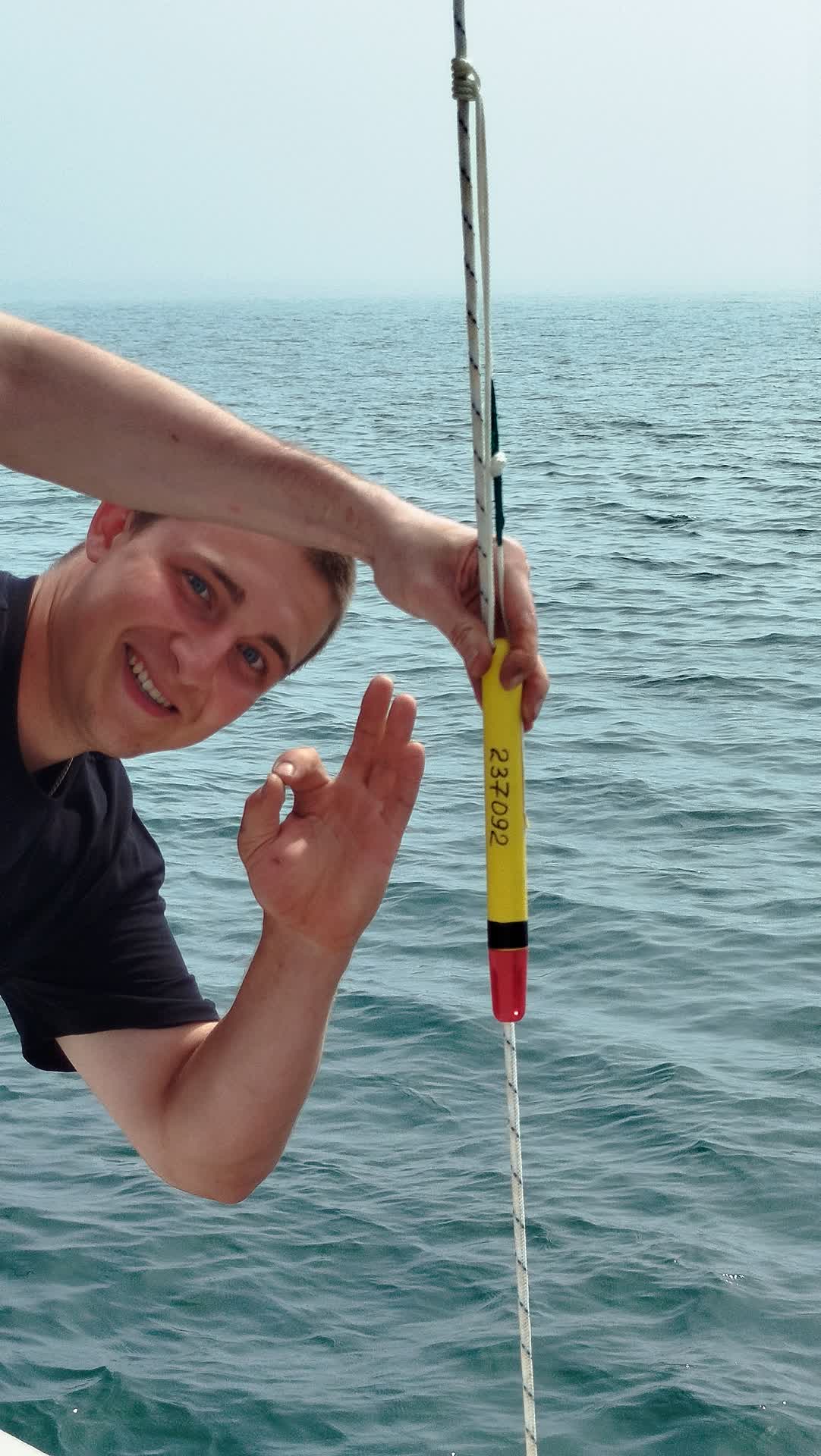
A buoy station was deployed at the boundary between the two basins (southern and central)–opposite the Buguldeika settlement, 6 km offshore and at a depth of 370 m. It was equipped with RBR SoloT temperature sensors spanning from the bottom to the surface, as well as AEM-USB electromagnetic current meters (JFE Advantech Co., Ltd.) positioned in the near-surface and near-bottom layers.
Near Cape Nizhneye Izgolovye on the Svyatoy Nos Peninsula, a transect was conducted across a developed vortex structure, involving CTD profiling and sampling with a water sampler and a Juday net.
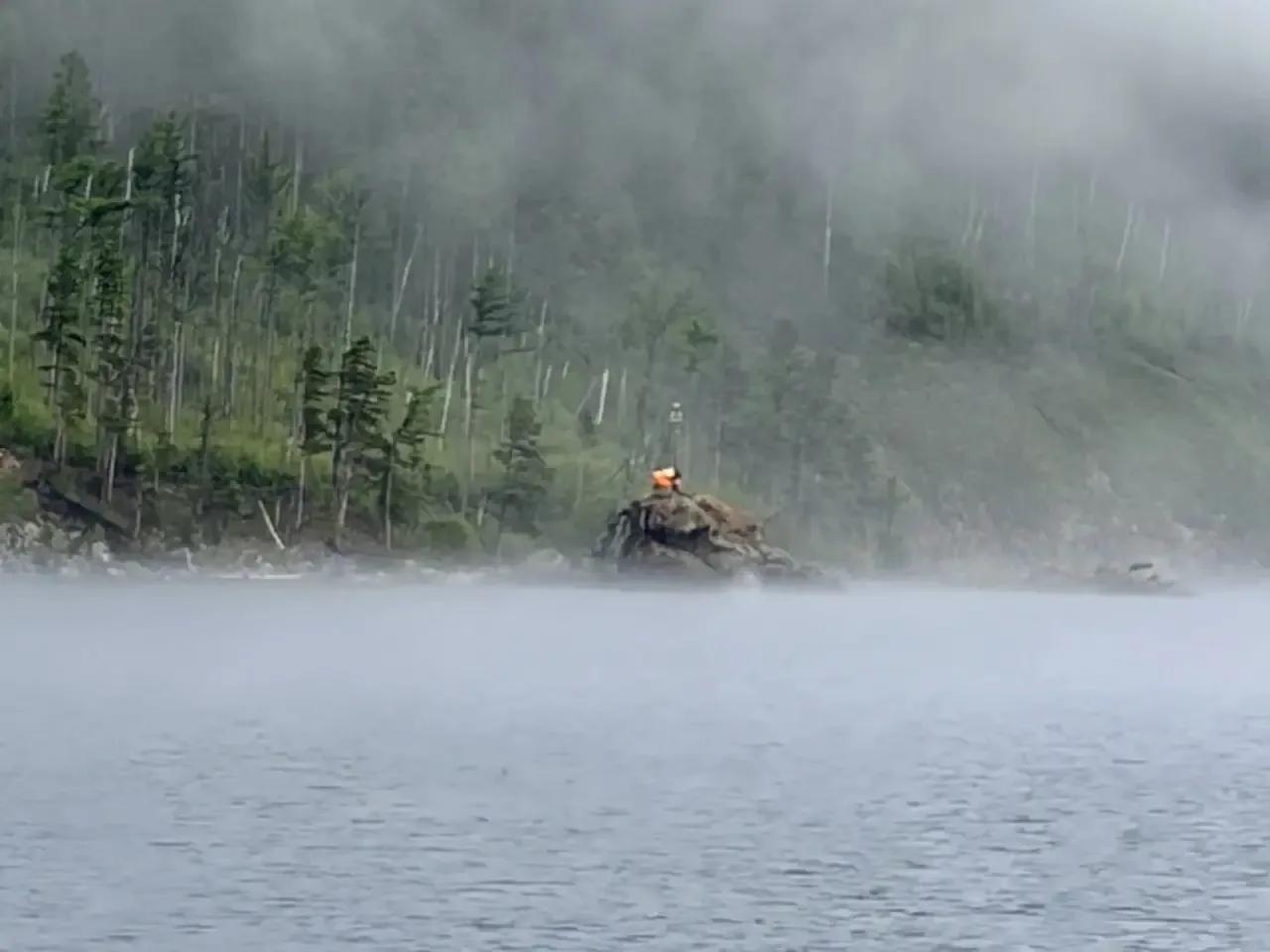
Maintenance of the monitoring stations was performed at Cape Elokhin, the Khakusy tourist camp, and the Uzury settlement.
Soil cores were collected using a heavy gravity corer in the area of the Bolshaya Osinovka River, as well as near pockmarks opposite Proval Bay and near Bolshoy Ushkany Bay. Preliminary lithological descriptions of the cores were performed directly on board the vessel, recording color, structure, coarse-grained inclusions, and turbidites. Additionally, dissolved methene concentration was measured. The collected cores were transported to the institute for further analysis.
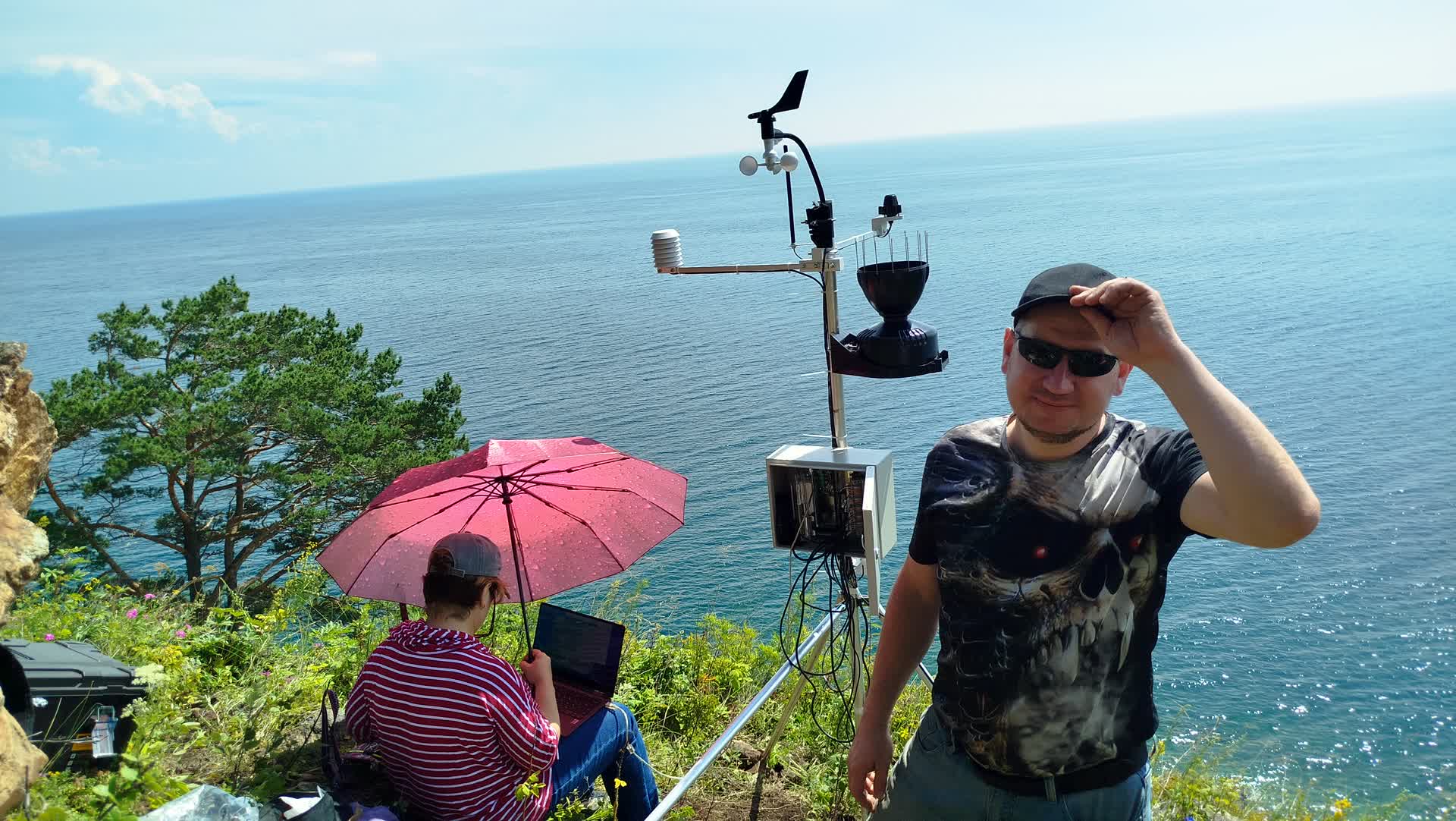
A SAM-TsB2 automated meteorological monitoring system was installed on Cape Polovinny (southern basin of Lake Baikal) in collaboration with IMCES SB RAS.