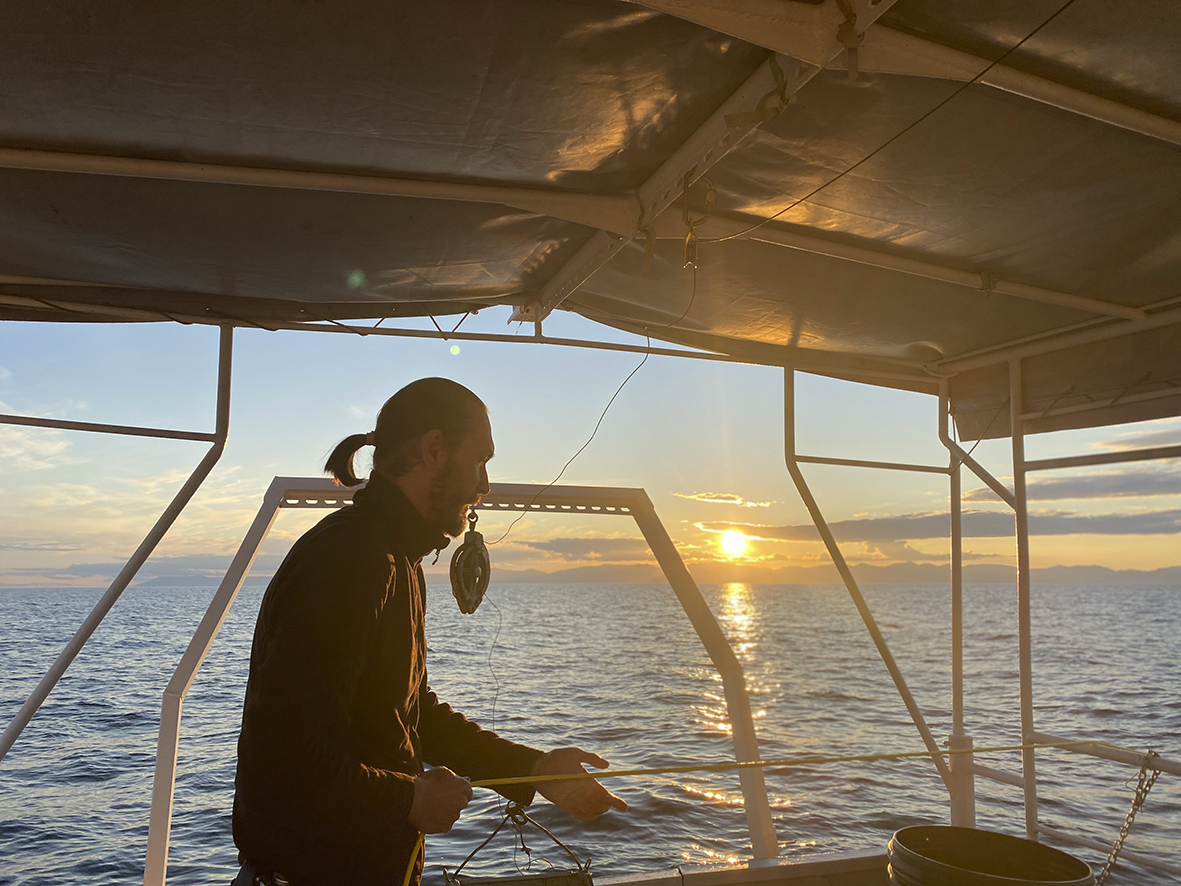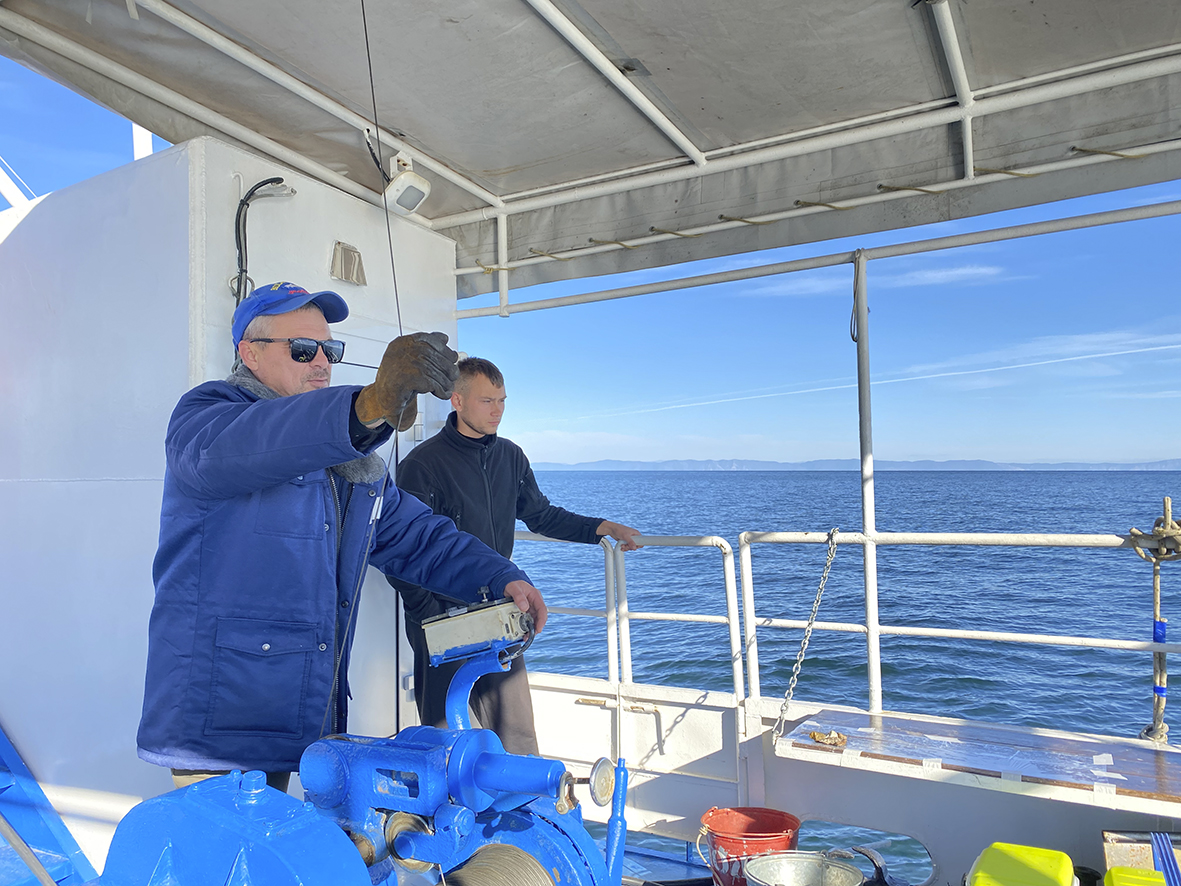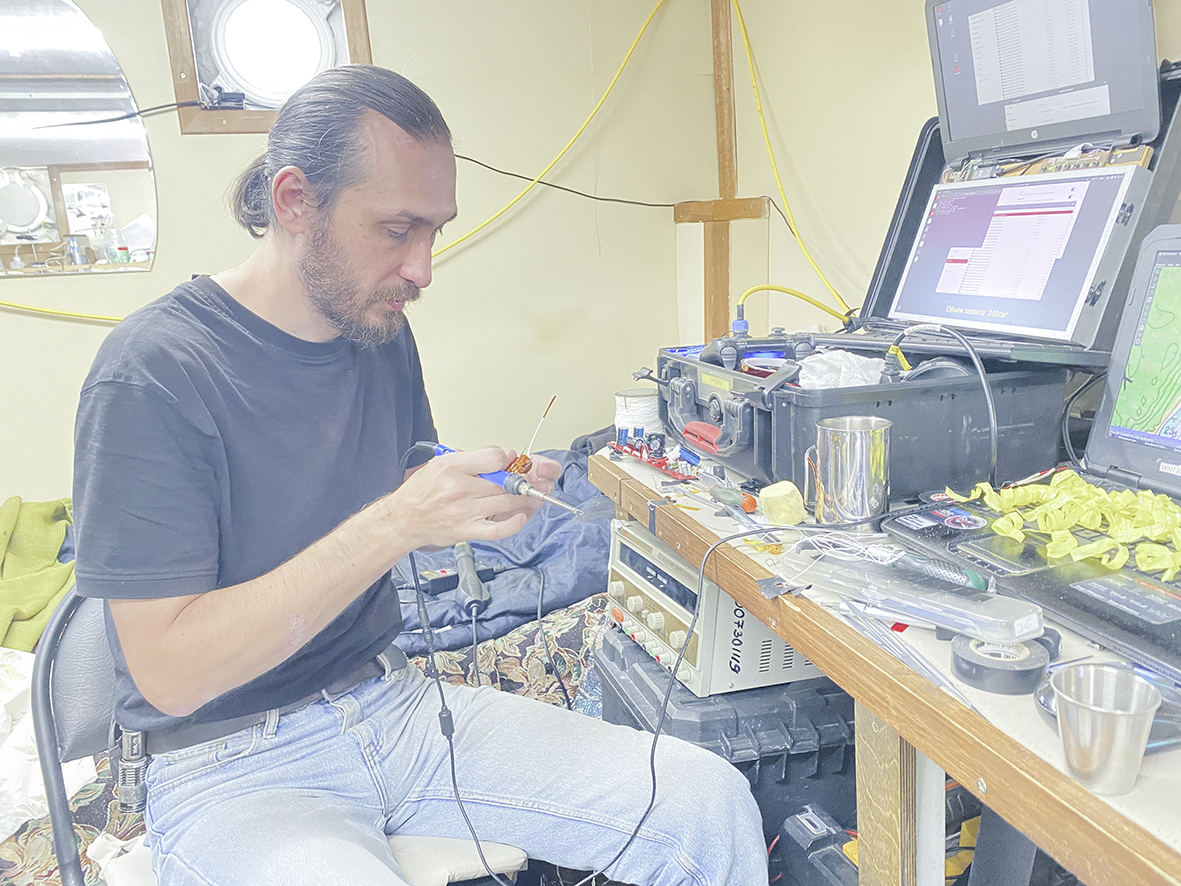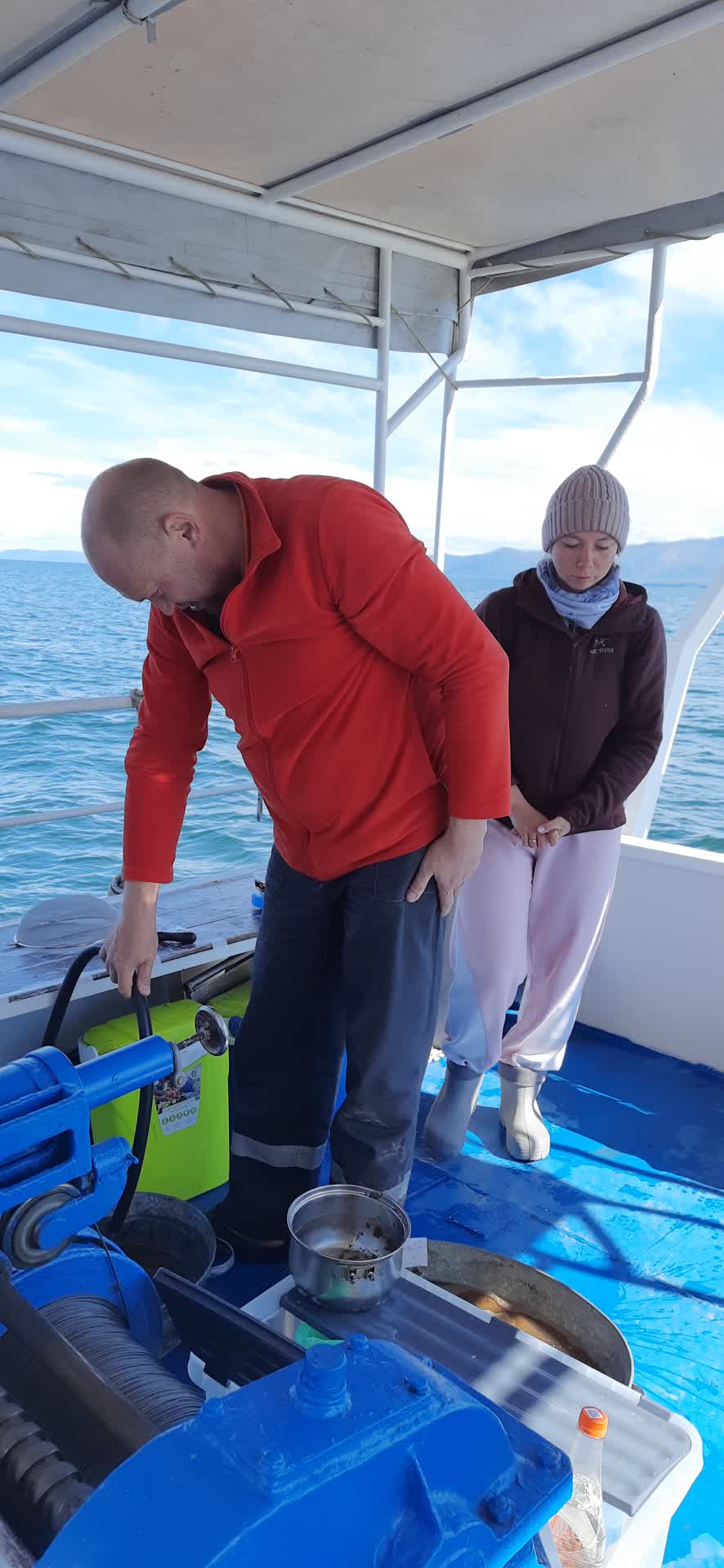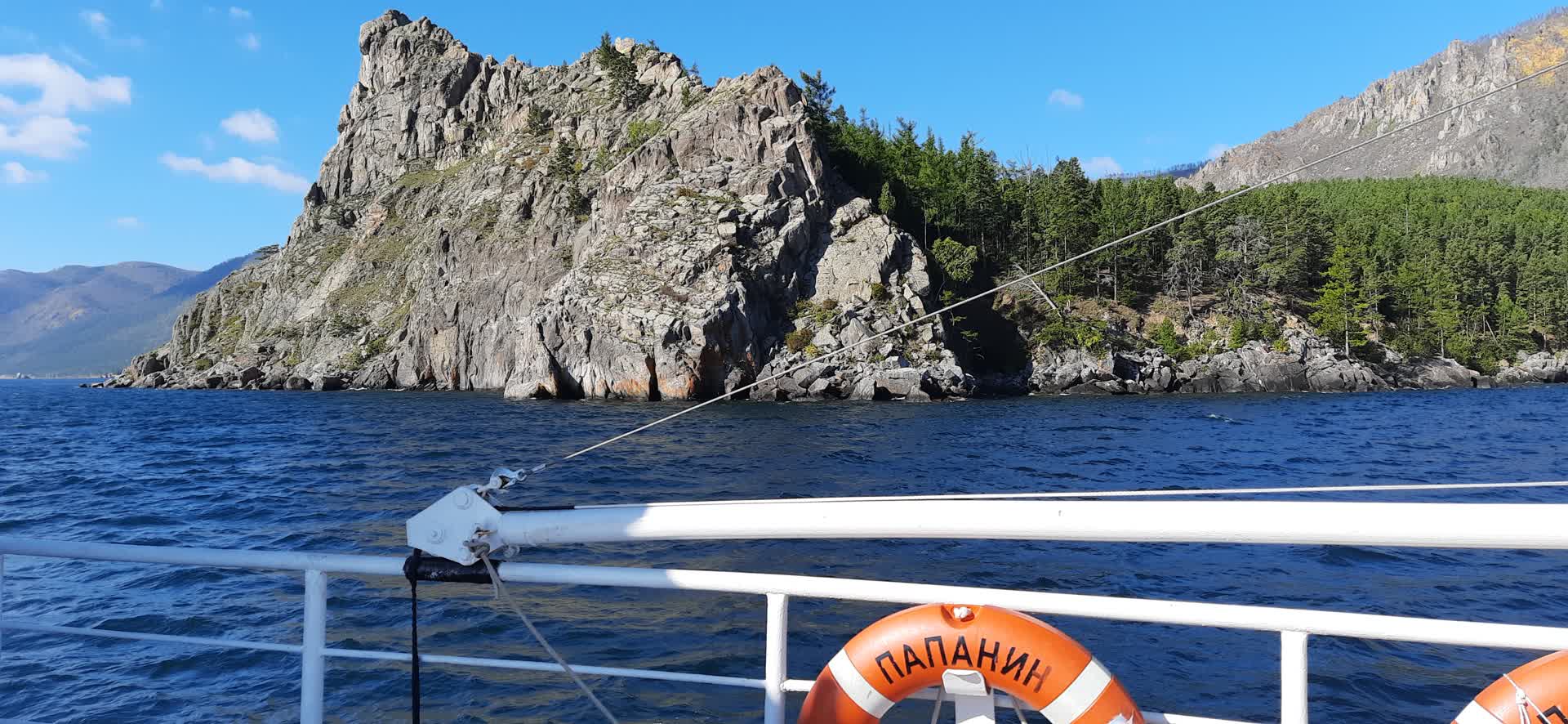



Expedition aboard the RV «I.D. Papanin» from 2 to 13 September 2026
A research expedition within the state projects No FWSR-2026-0016 «The impact of negative environmental processes in the coastal zone of Lake Baikal on the quality of interstitial, near-bottom, and shoreline water, and, consequently, on the diversity of species, taxocenoses, and communities» (headed by O. A. Timoshkin) and No. FWSR-2026-0017 «Study of carbon cycle components, biogenic elements, and other chemical substances in natural environments of the Baikal region under climate change and anthropogenic load" (headed by T. V. Khodzher) was conducted aboard the RV «I.D. Papanin» from 2 to 13 September 2026.
The expedition mainly aimed at studying the zoobenthos and measuring the concentrations of methane and mercury in the tectonic faults of Lake Baikal.
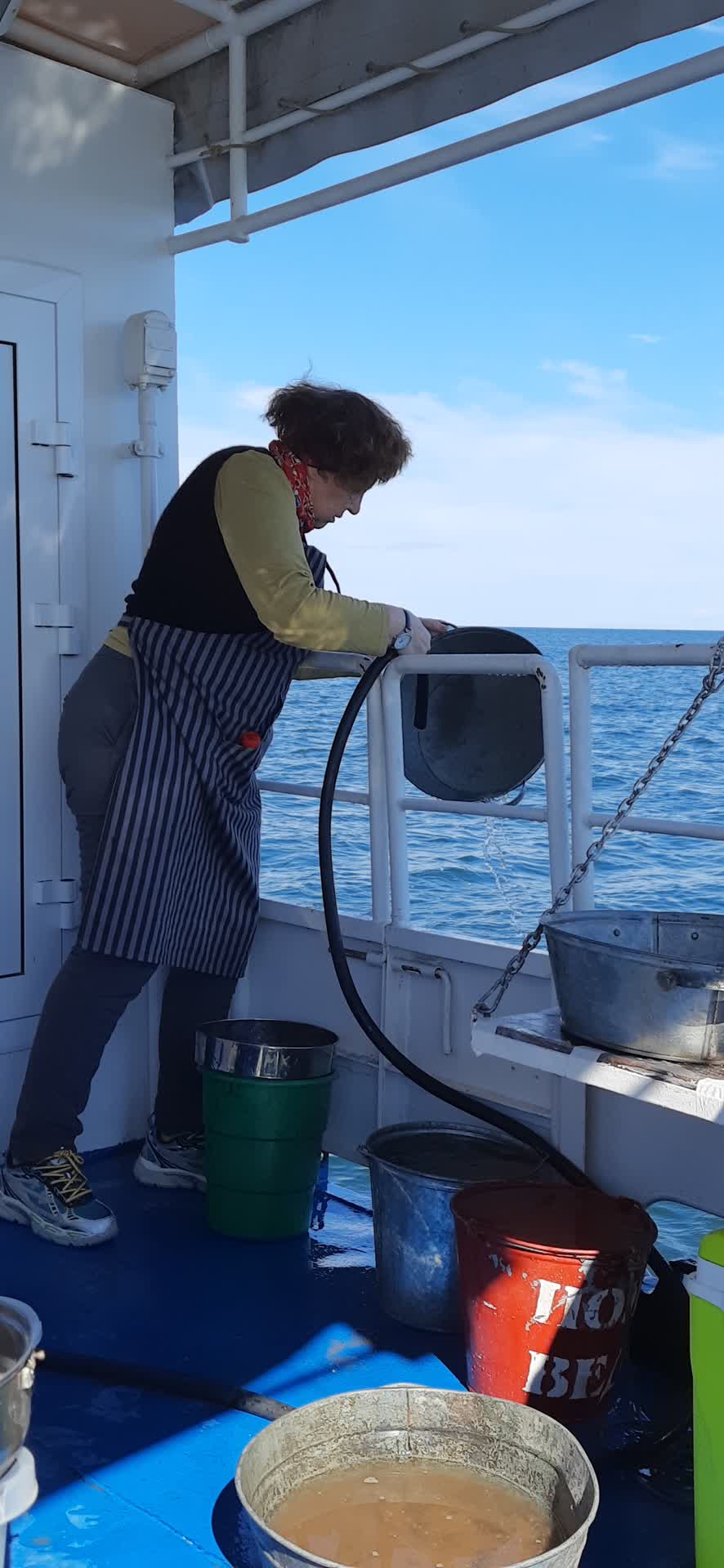
Fieldworks were carried out at 11 stations in the following areas: Ust-Anga Bay, Malaya Sukhaya (Chivyrkuy Bay), north of the Sosnovka River, Cape Bezymyanny, near Listvennichny Island, Talanka, and Zagza. Forty samples were collected, including 12 dredge samples to study the biology of gastropod mollusks and nematodes, as well as to analyze the content and concentration of mercury in the tissues of large invertebrates. To determine the methane concentrations in sediments and water, samples were collected using a gravity benthic corer and a water sampler (bathometer). The bulk of samples was obtained using a remotely operated vehicle (ROV) RovBuilder, which facilitated the collection of quantitative and qualitative samples of meiobenthos, near-bottom water, and woody debris along with the invertebrates inhabiting it (polychaetes, nematodes, and mollusks). Concurrently, the ROV was used to conduct underwater video surveys at the study sites, resulting in several hours of footage. Specialists have now begun the analysis and processing of the collected material.