


The 2026 expedition to study the Baikal omul in the Selenga shallows. Part 2.
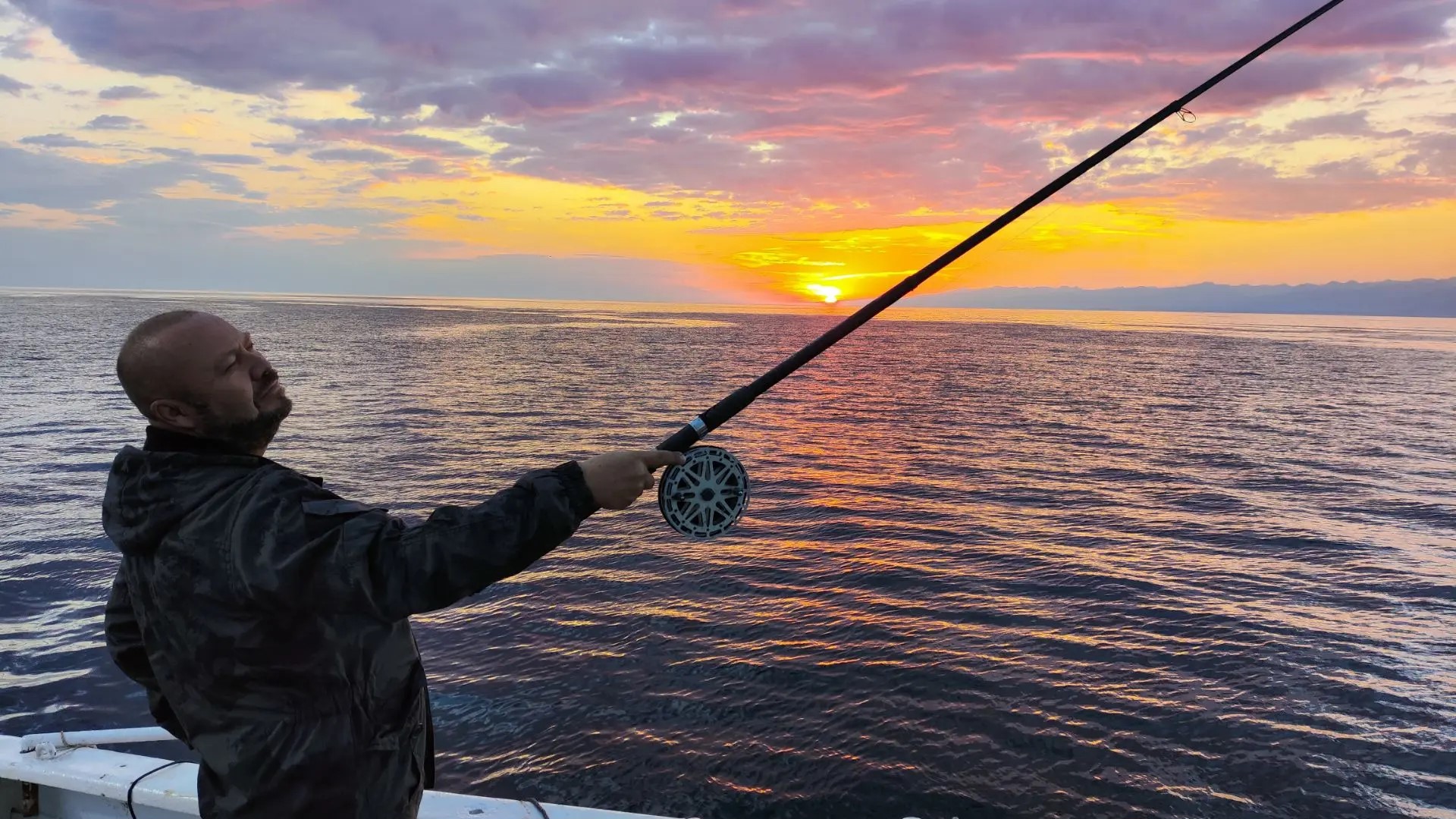
The second phase of the research expedition to study the Selenga population of Baikal omul under the current fishing ban was carried out aboard the research vessel “G.Yu. Vereshchagin” from 9 to 14 September 2026.
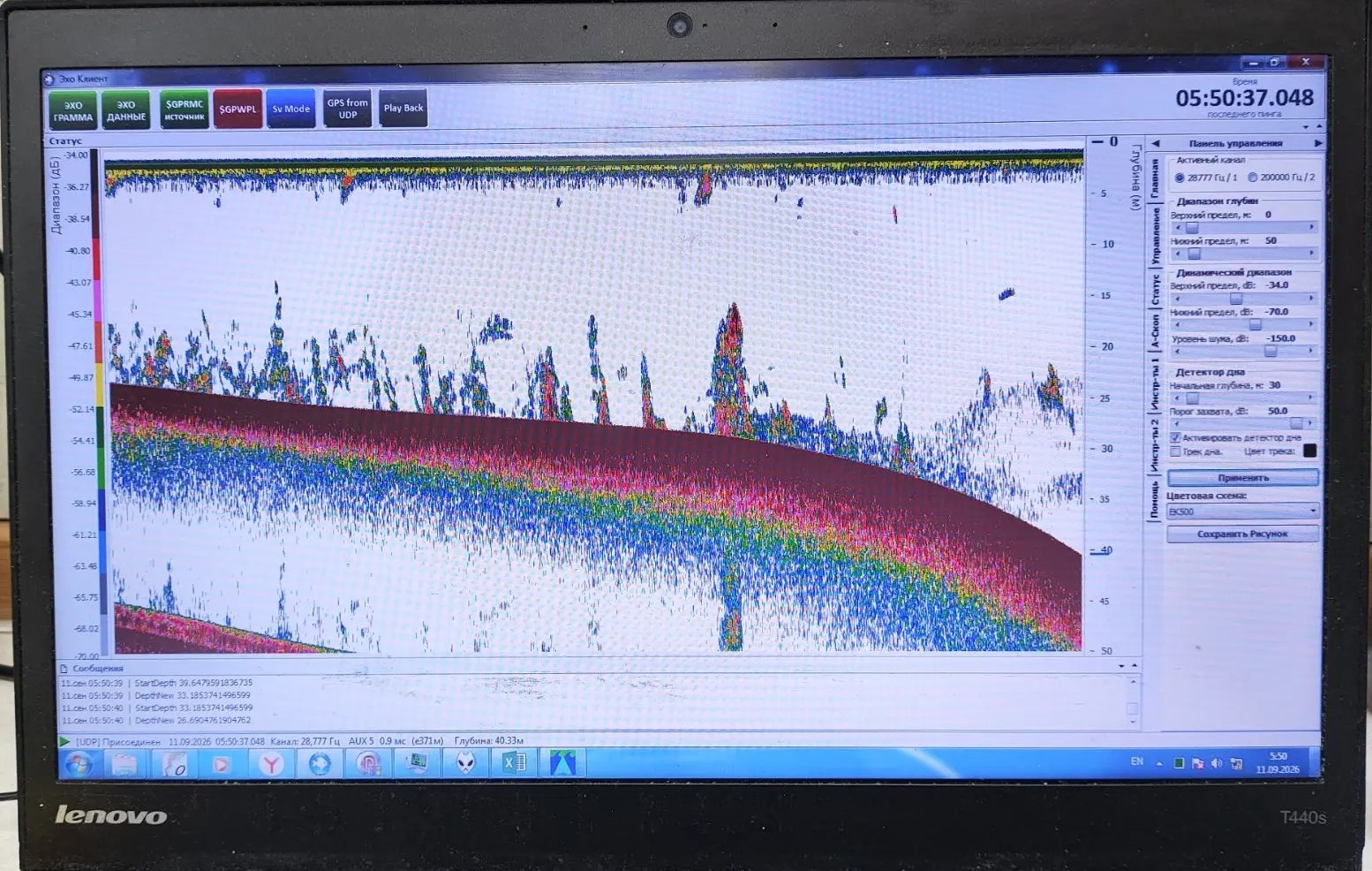
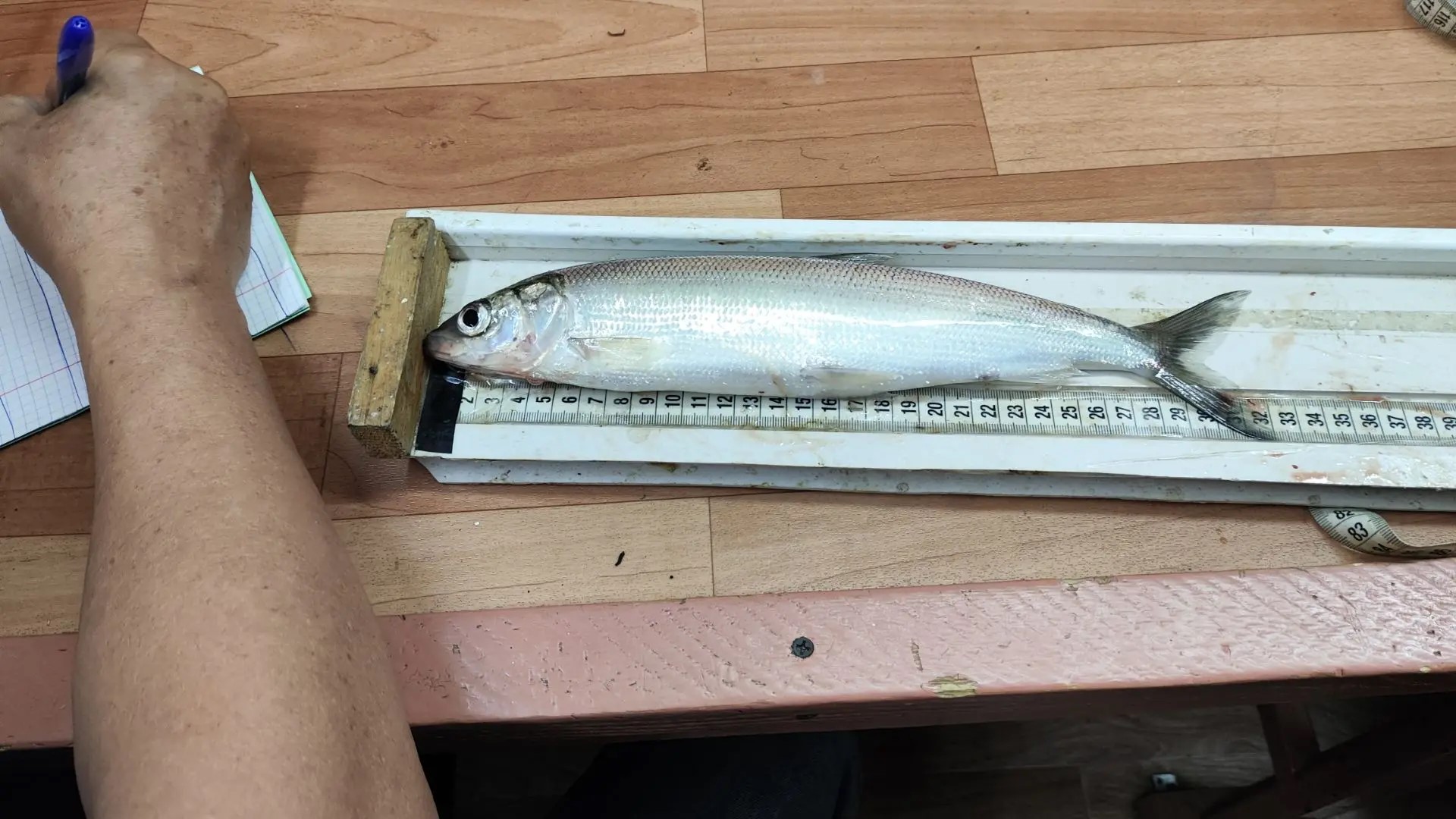
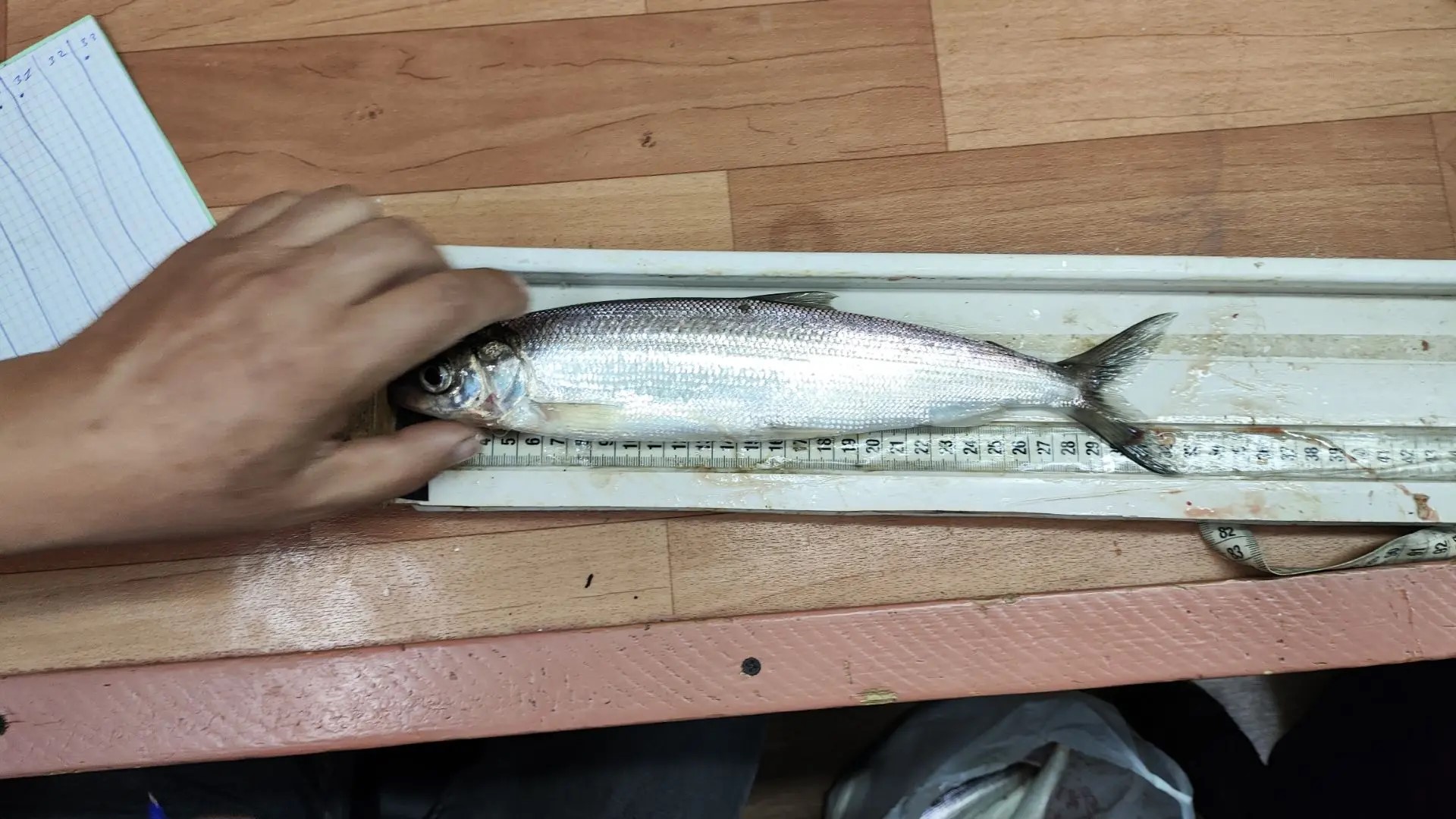
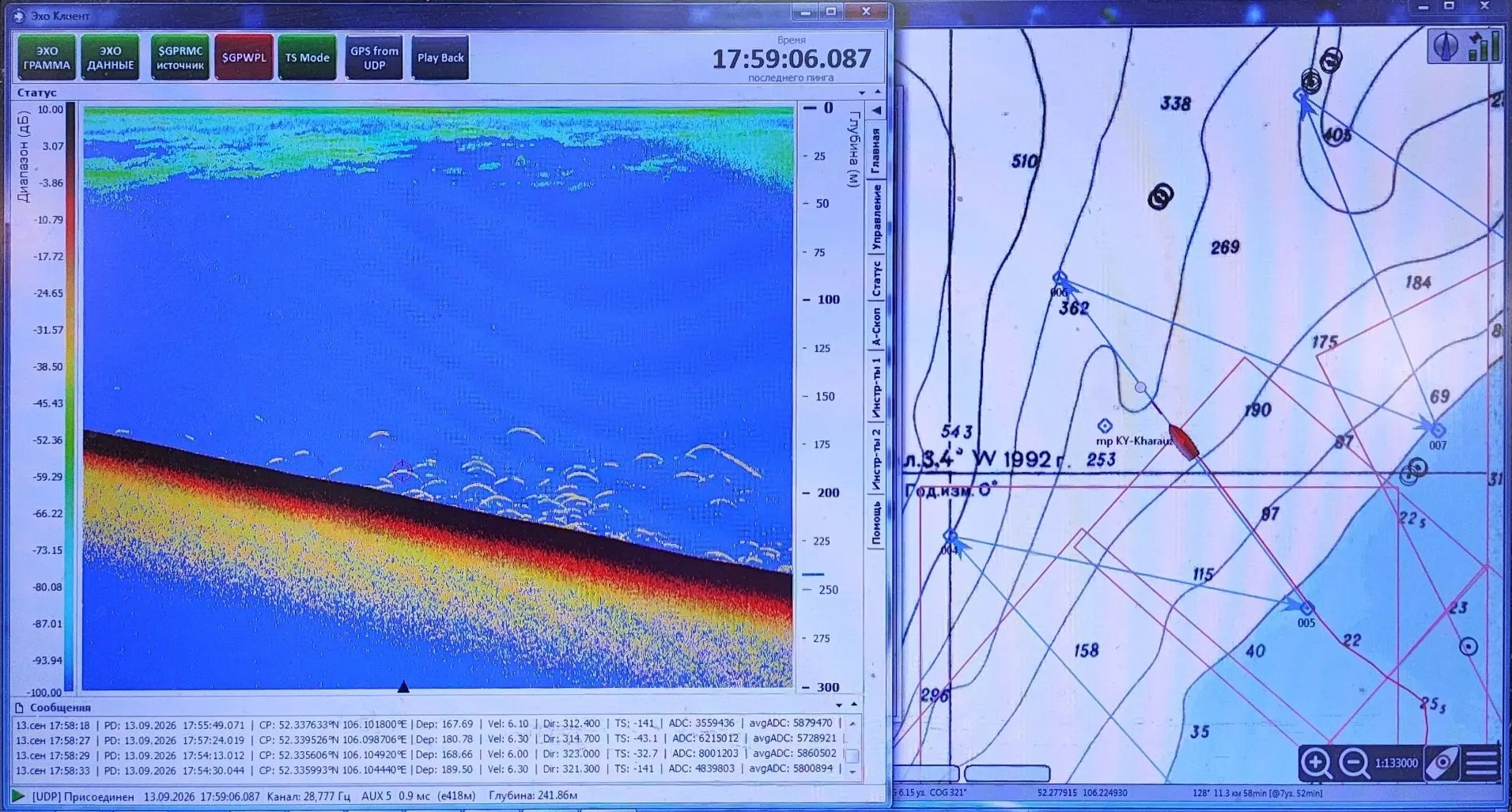
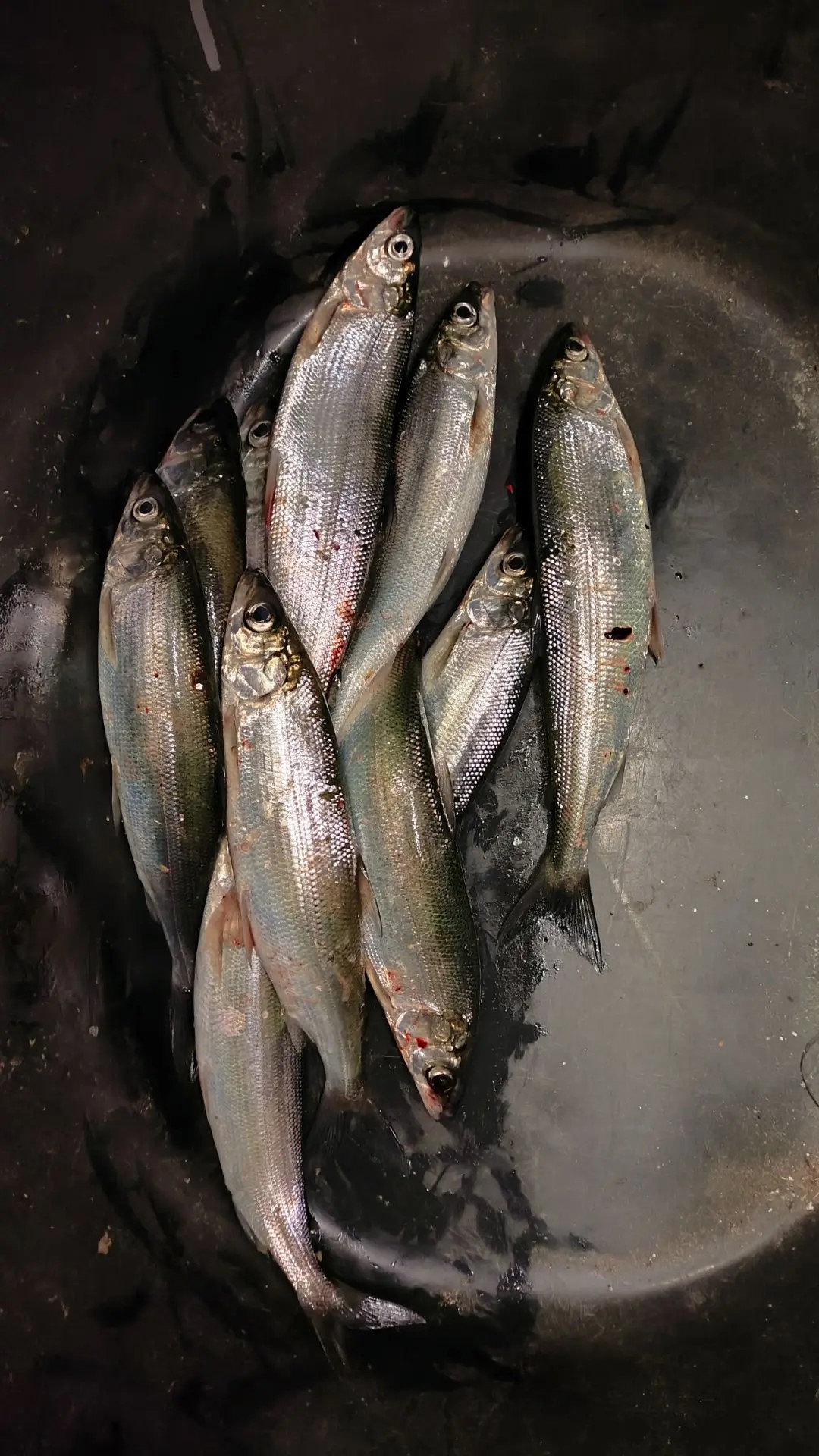
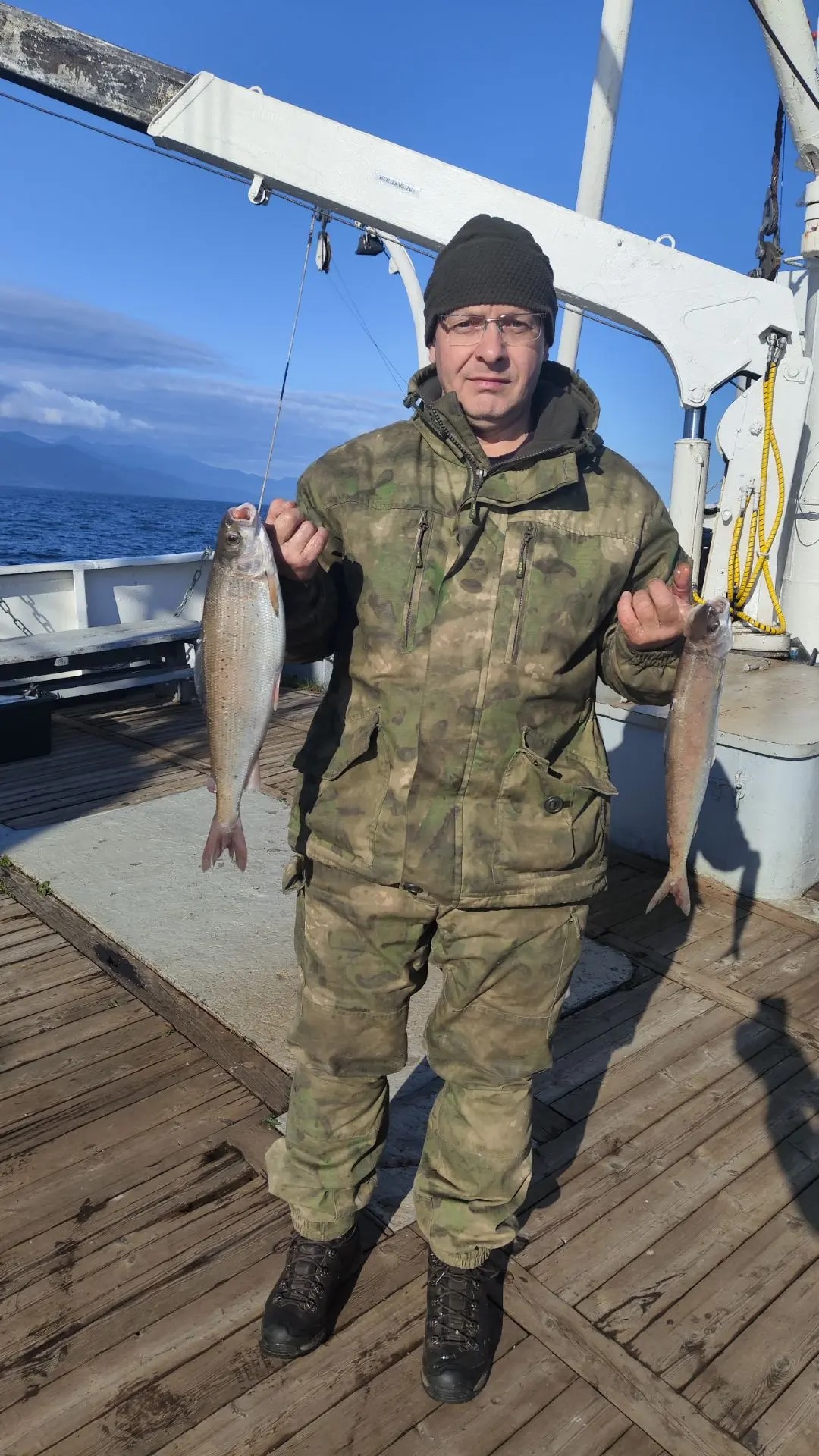
During the expedition, researchers from LIN SB RAS conducted hydroacoustic surveys of the omul feeding population using the “Echo-Baikal” system and carried out test fishing using non-selective gear.
An analysis of the data obtained, combined with the results of the acoustic-trawl survey in spring, drew the following conclusions:
- Sustainable population growth. There was a positive trend in the abundance and biomass of omul. Data from spring hydroacoustic surveys (late May) demonstrated steady growth in these values between 2021 and 2026. Biomass increased from an estimated 1,383 tons in 2021 to 2,510 tons by 2026. Despite minor fluctuations, a further increase by 0,3% was recorded in 2026, relative to the 2025 level.
- Effectiveness of conservation measures. Results from test catches indicated a significant downstream migration of larvae and the recruitment of the 2024 cohort into the feeding population. This confirms the effectiveness of the conservation measures implemented and the success of natural reproduction, establishing a foundation for the continued recovery of the population in the coming years.
- Distribution patterns. A hydroacoustic survey conducted in 2026 (covering a transect length of 300 km and an area exceeding 140,000 hectares) revealed an uneven distribution of fish across the water area of the Selenga shallows. The highest concentrations of larger individuals were recorded near the Kharauz channel. Furthermore, a comparison of daytime and nighttime echograms demonstrated the dispersal of dense omul schools, including those that remain close to the lake floor during the nighttime hours.