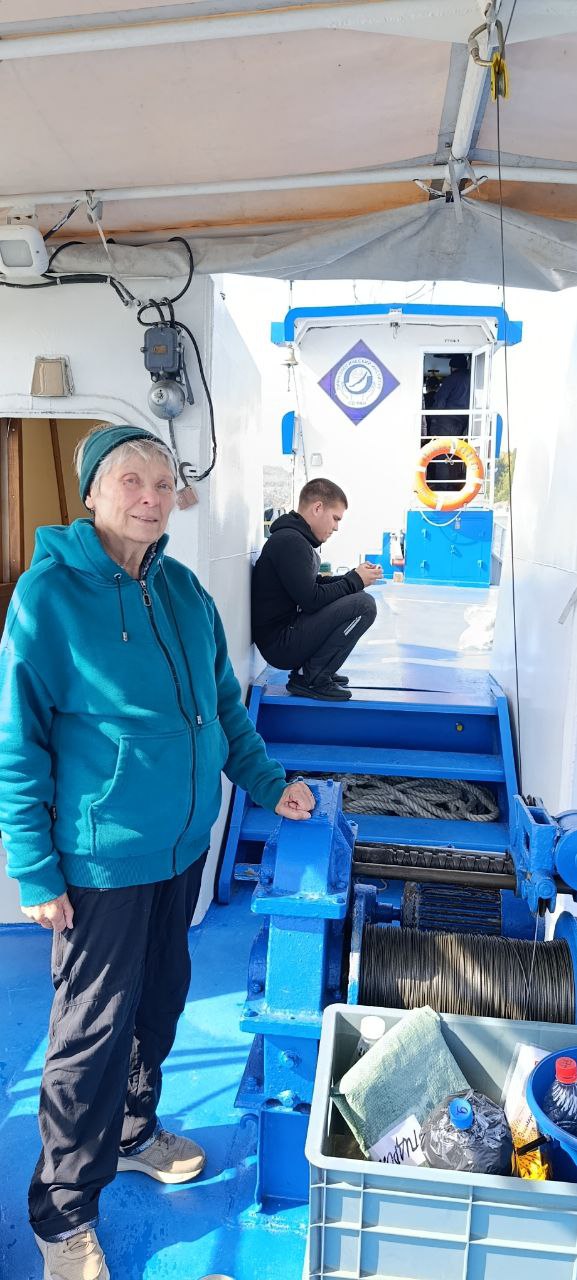



The expedition on RV Papanin on September 17-29, 2025 on monitoring the shallow water zone of Lake Baikal
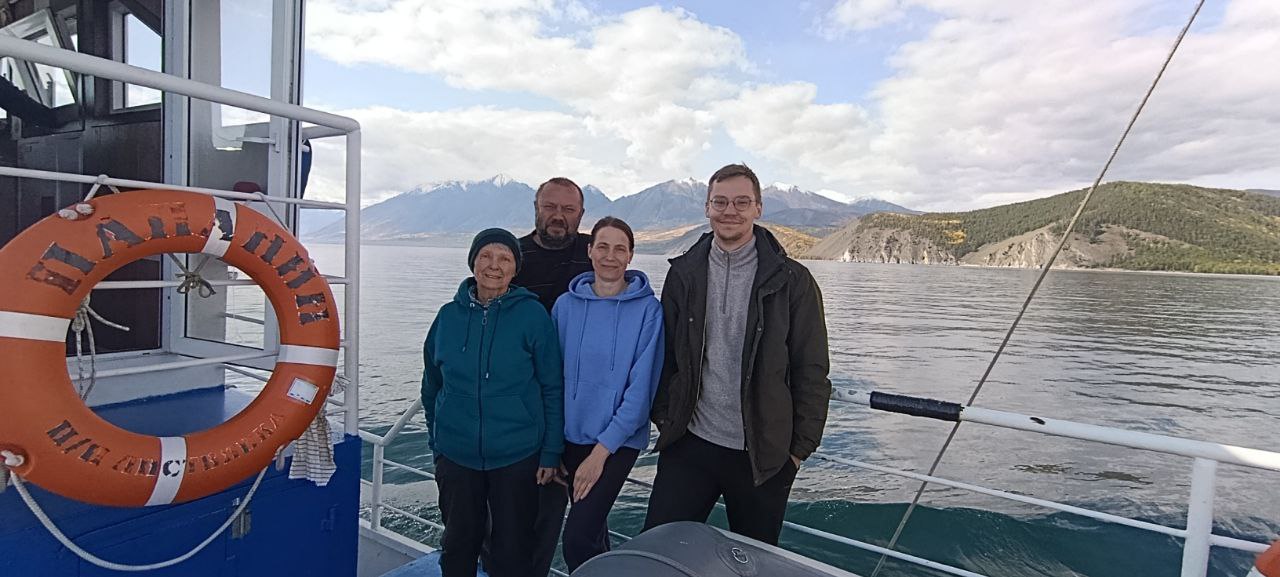
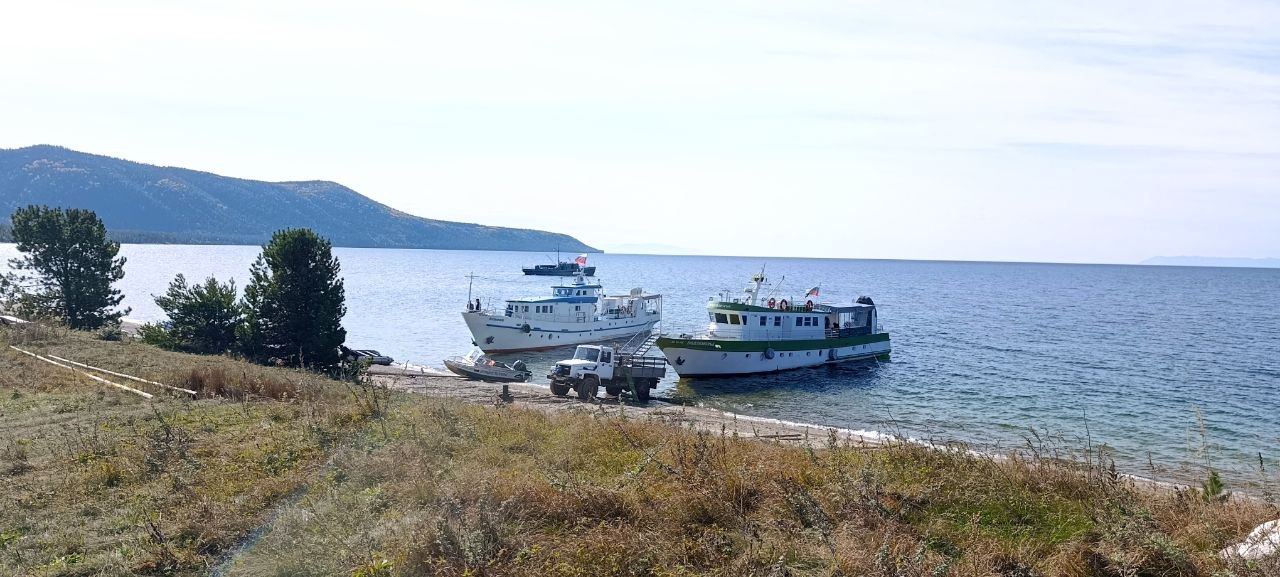
On September 17-29, 2025, field work was carried out on the R/V “Papanin” to study the ecological state of the coastal zone of Lake Baikal within the State Assignments “Study of transformations of the state of water bodies and watercourses of Eastern Siberia in seasonal and long-term aspects in the context of climate change, geological environment and anthropogenic loads” (0279-2021-0005) (led by A.P. Fedotov) and “Study of the role of atmospheric precipitation on aquatic and terrestrial ecosystems of the Lake Baikal basin, identification of sources of atmospheric pollution” (0279-2021-0014) (led by Khodzher T.V.).
The objectives of the expedition included: study of hydrochemical parameters of the shallow-water zone of the lake, assessment of aerosol-gas impurities in near-water layer of the atmosphere and evaluation of phyto-, zooplankton distribution.
The average sampling step along the Baikal coast was every 30-50 km including the zones with high anthropogenic load, sizeable bays, Selenga shallow-water zone and Maloye More Strait. Additionally, the samples were taken at three pelagic stations (1-2 km): Listvyanka settlement, Cape Elokhin, and Turka settlement.
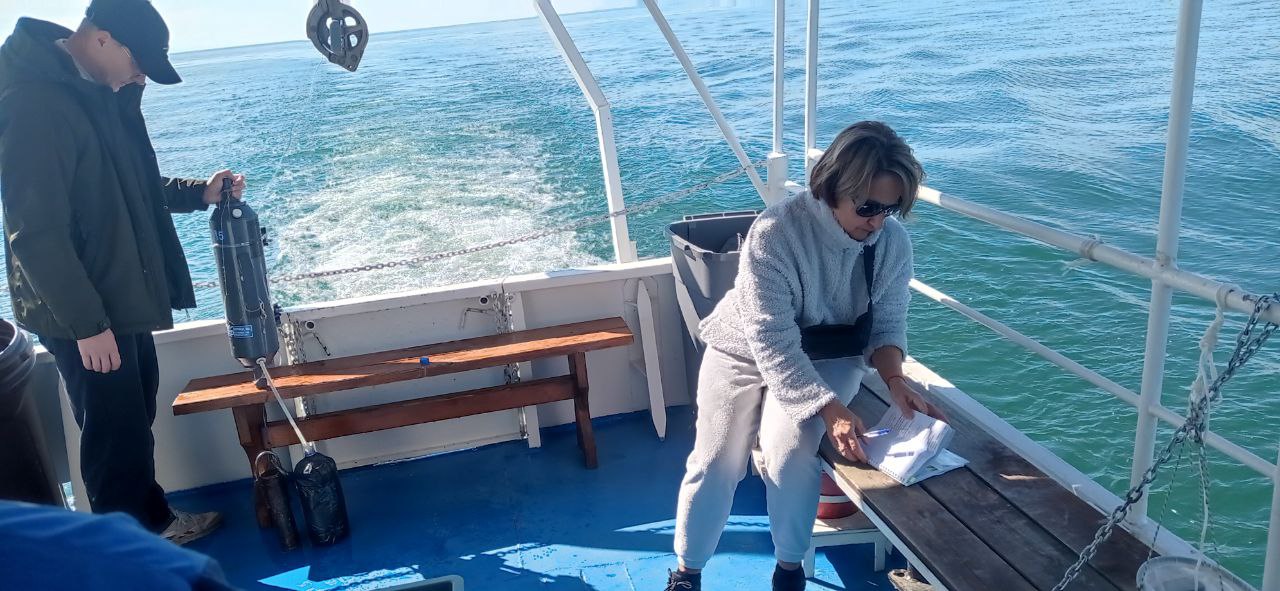
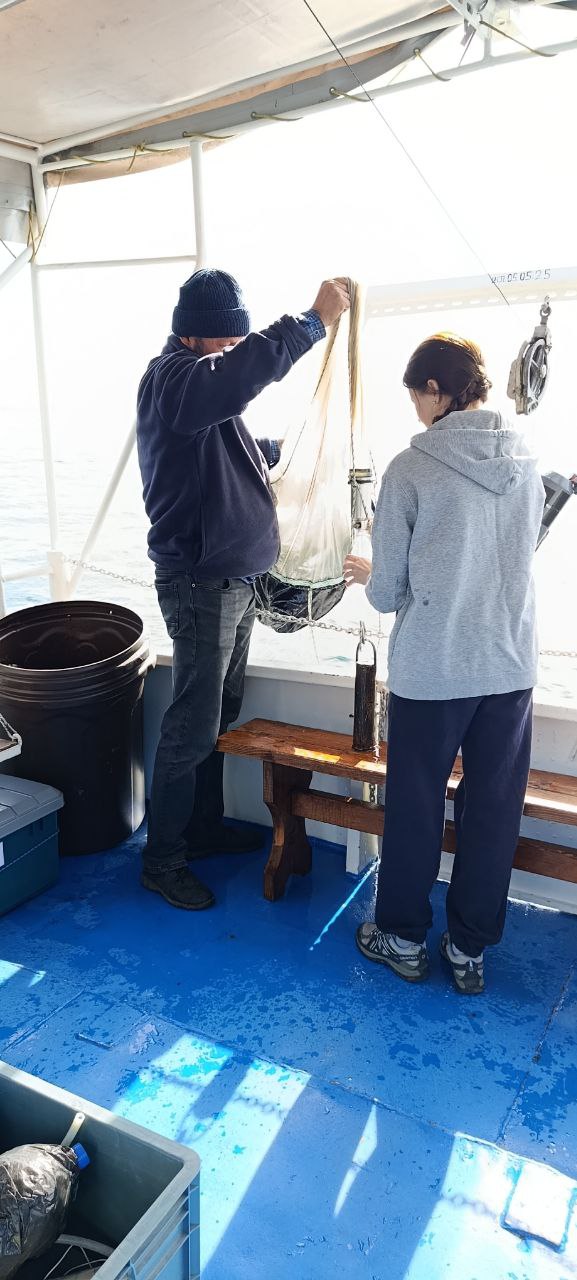
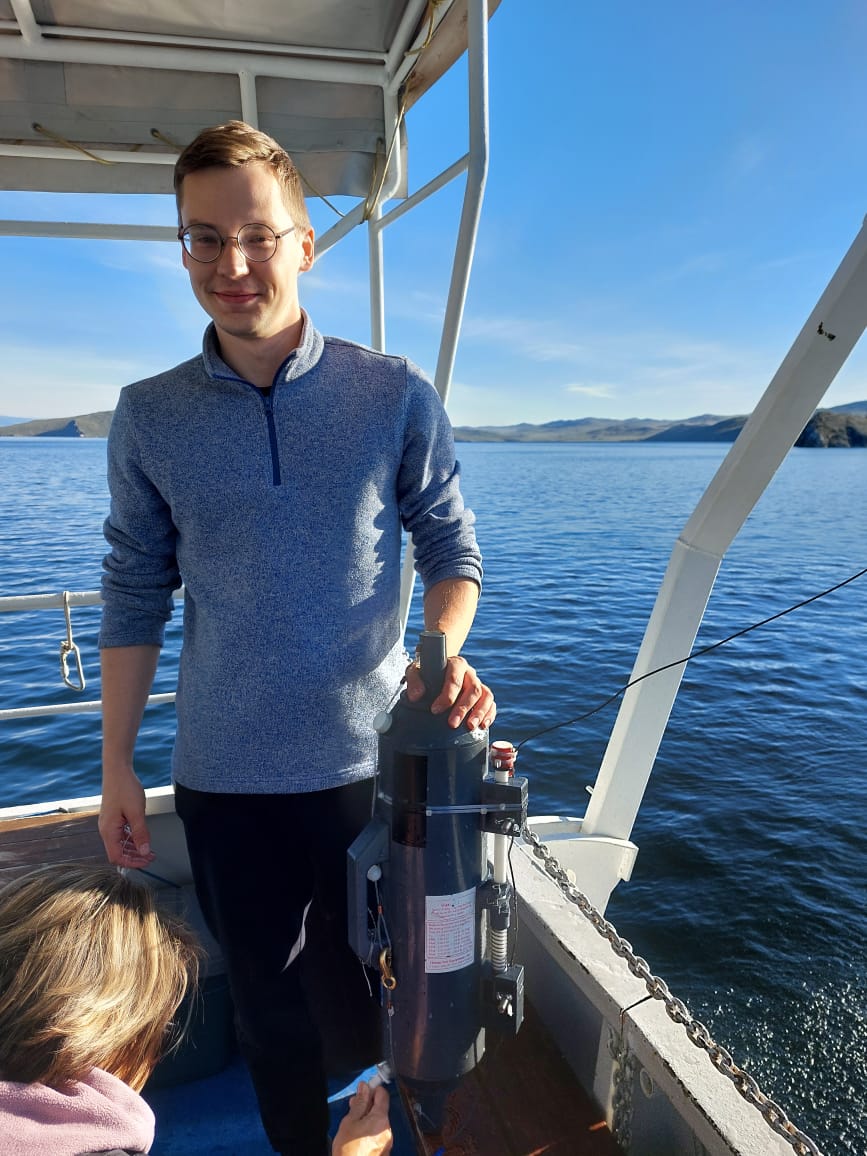
Phytoplankton samples were collected during the day-time using a bathometer in terms of quantity and an Apstein net in terms of quality. Zoobenthos samples were taken at 9 stations of depths from 5 to 30 m using a hydrobiological net during diving operations, then the samples were fixed for further laboratory processing by microscopy. Zooplankton samples were taken by vertical pulling of a Juday net. Zooplankton samples were collected for microscopy and DNA metabarcoding. At each station, the surface water temperature and transparency were measured using a Secchi disc. In order to identify and assess pollution sources during the transfer of atmospheric impurities from anthropogenic and natural sources, continuous recording of gas impurities (carbon oxides, sulfur, nitrogen, ozone) was carried out using automatic gas analyzers. A comprehensive measuring station CityAir was installed after maintenance service in the settlement of Davsha on the territory of the Barguzinsky State Natural Biosphere Reserve.
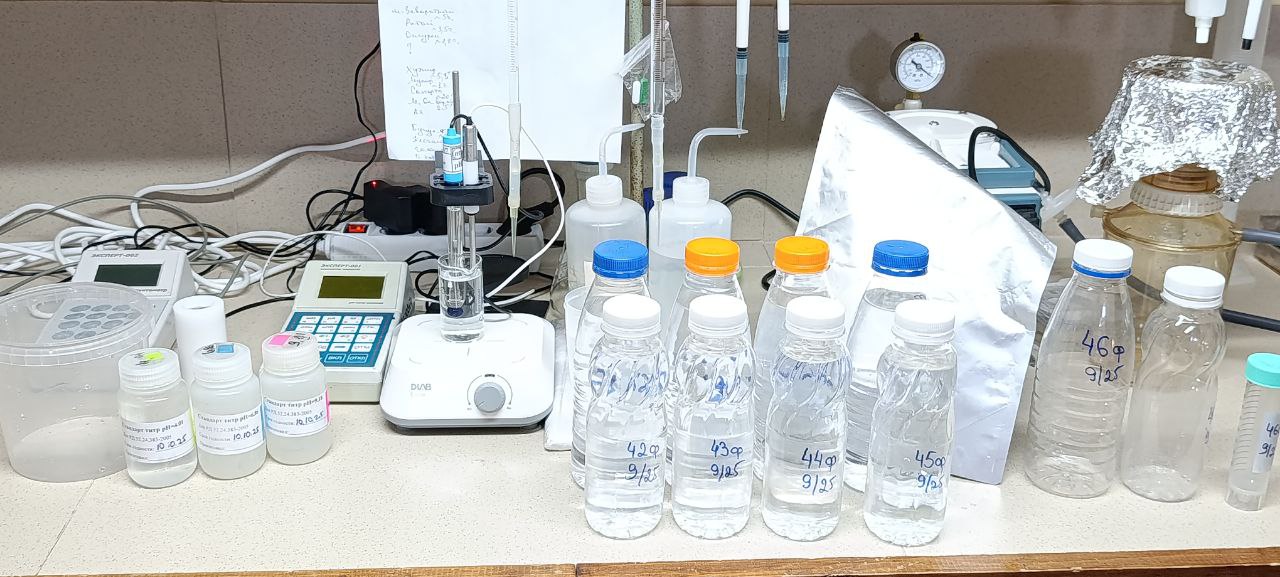
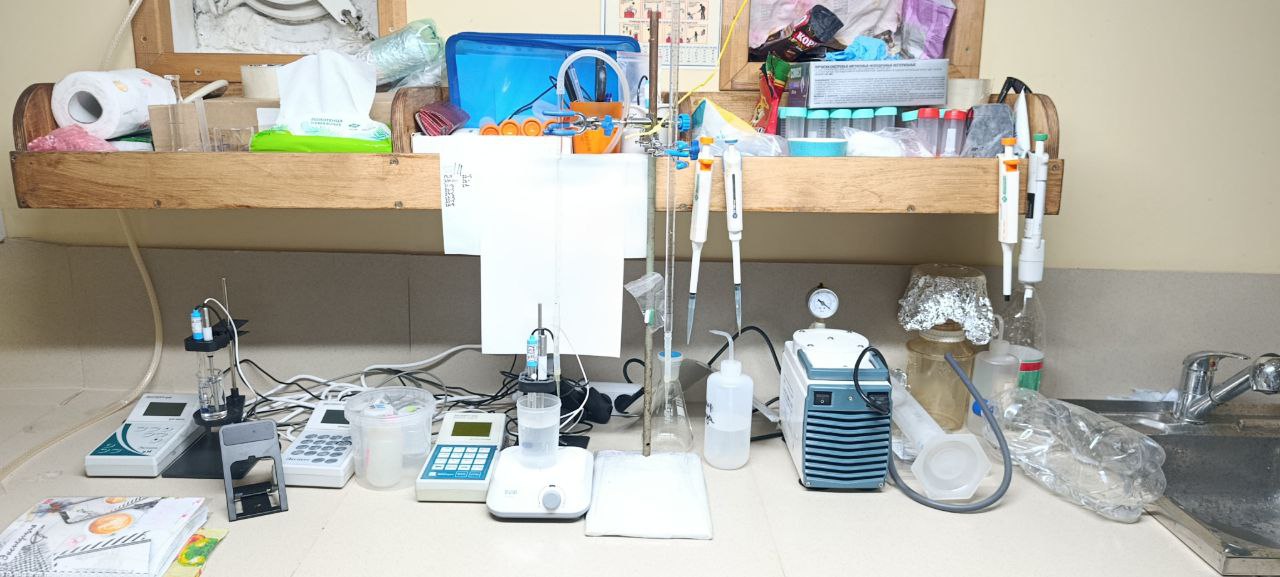
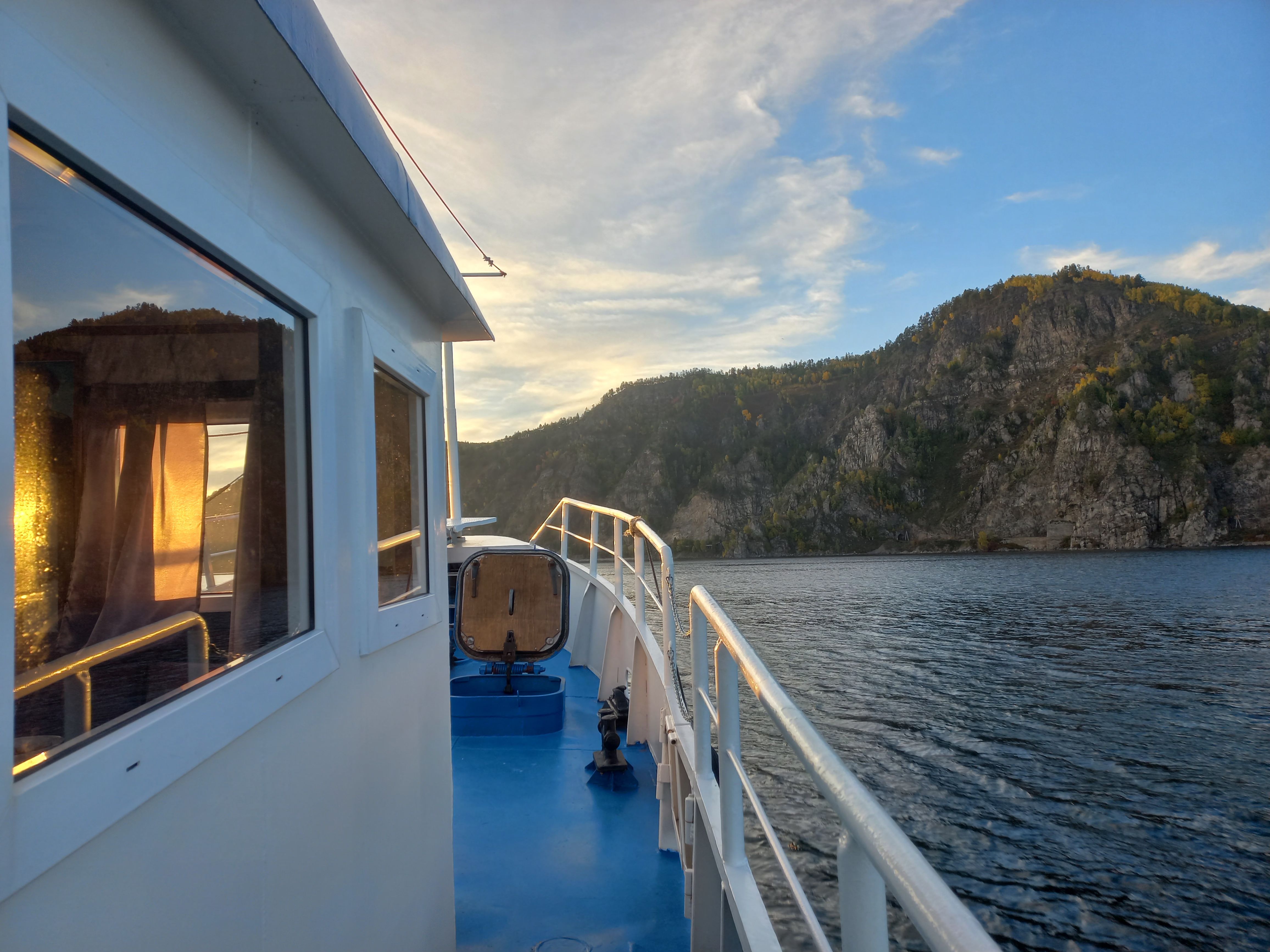
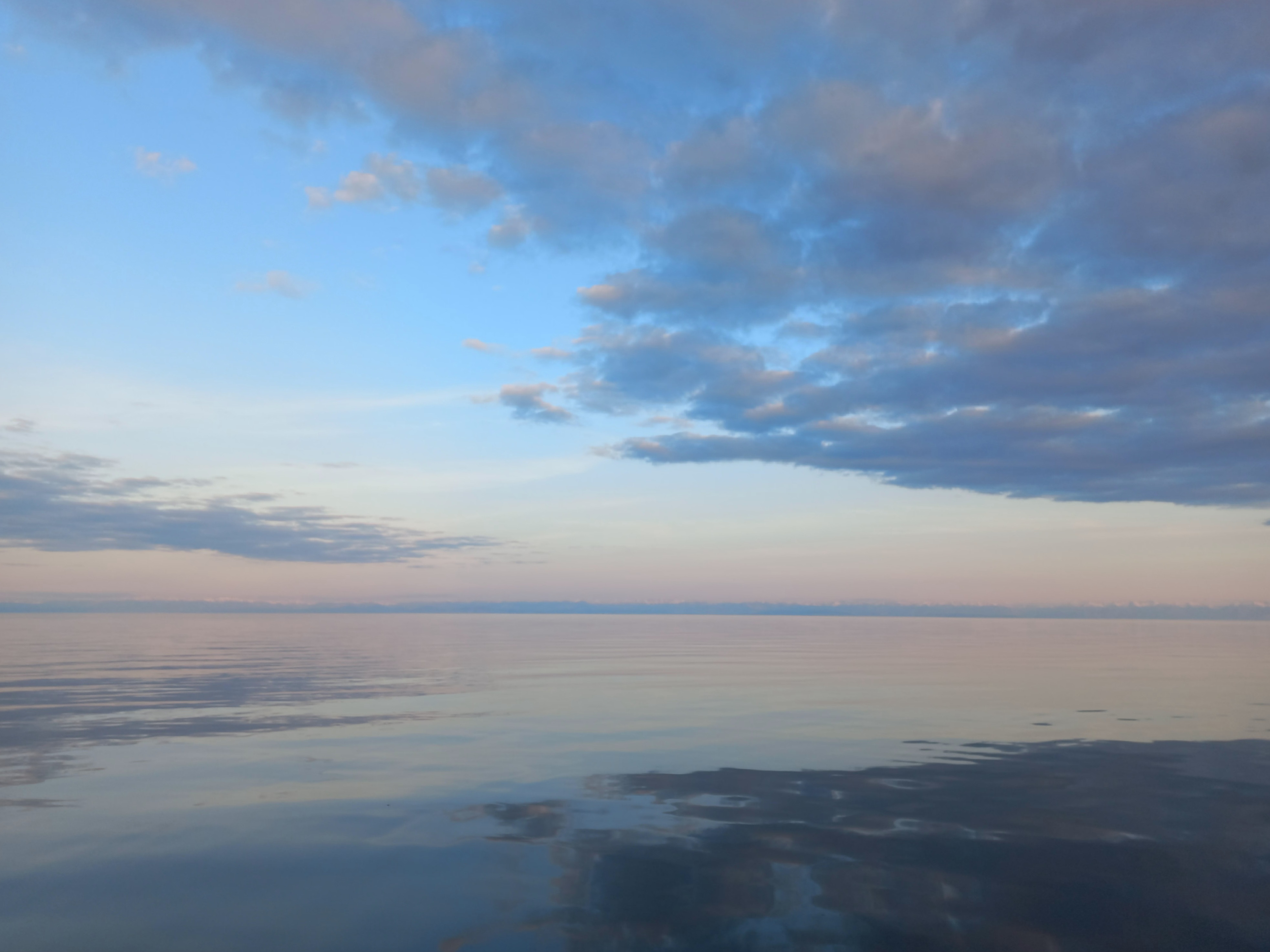
The pH, conductivity, hydrocarbonate content, and dissolved oxygen content in water samples were measured during the expedition. A preliminary analysis of the qualitative composition of phyto- and zooplankton showed the growth of the summer-autumn complex of species characteristic of this season. Zooplankton was distributed unevenly: near the island of Bolshoyi Ushkany and in the northeastern part of the Baikal, there was a high abundance of cladocerans, while in Aia Bay, rotifers were predominant, and at the settlement of Bolshie Koty and in the northwest, cyclops were found. A notable characteristic of this expedition was the prolonged calm weather along the entire area of the lake. At 37 out of 49 sampling stations, either windless conditions or ripples were observed during sampling. The average temperature of the surface layer was 12.8°C, which is comparable to the values observed in 2024 and 2021 over the past five years. The highest temperature was recorded near the Cape Nizhnee Izgolovye of the Svyatoi Nos Peninsula (14.3°C), while the lowest was recorded in Aya Bay (10.5°C).
.jpg)
.jpg)