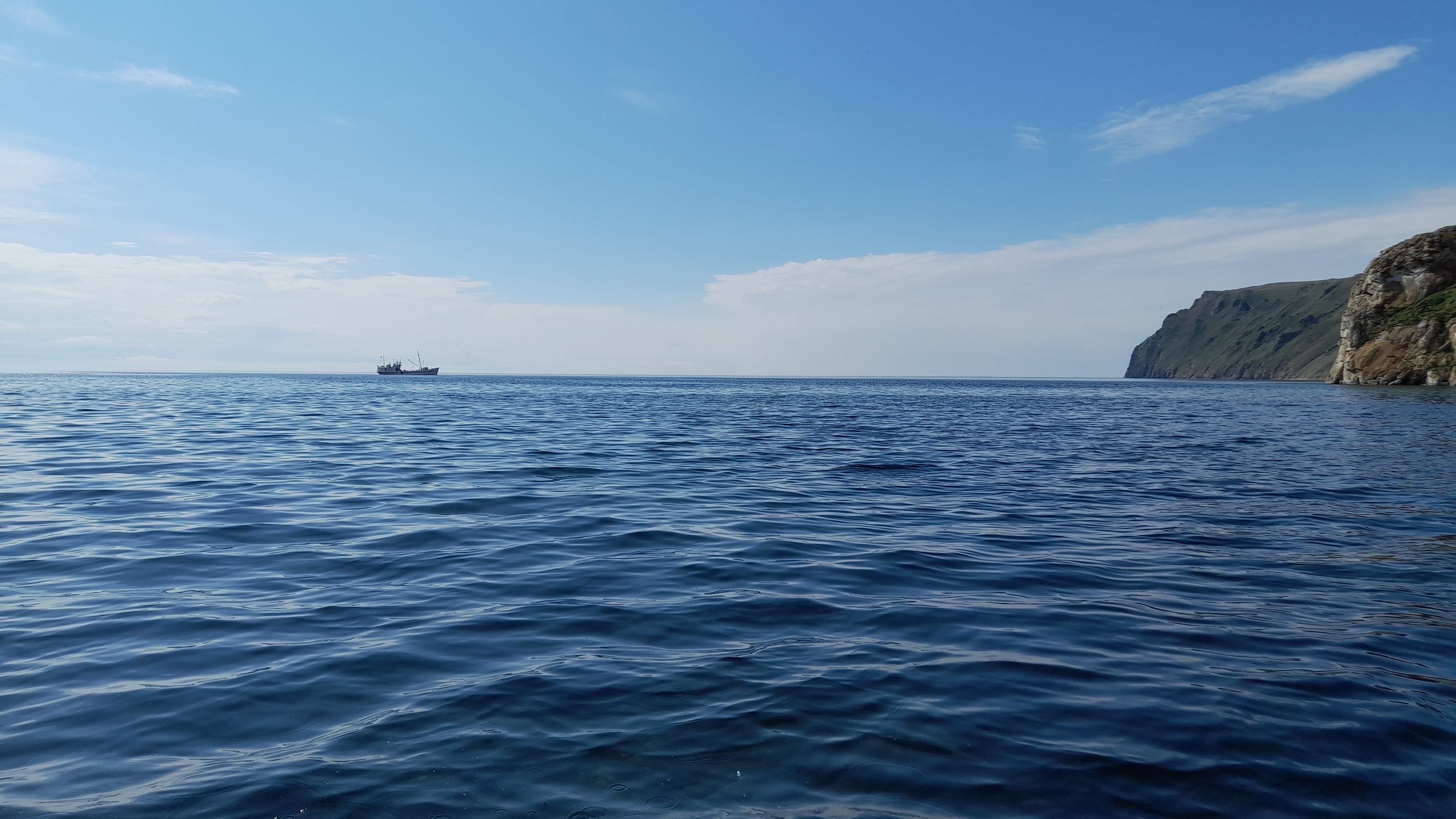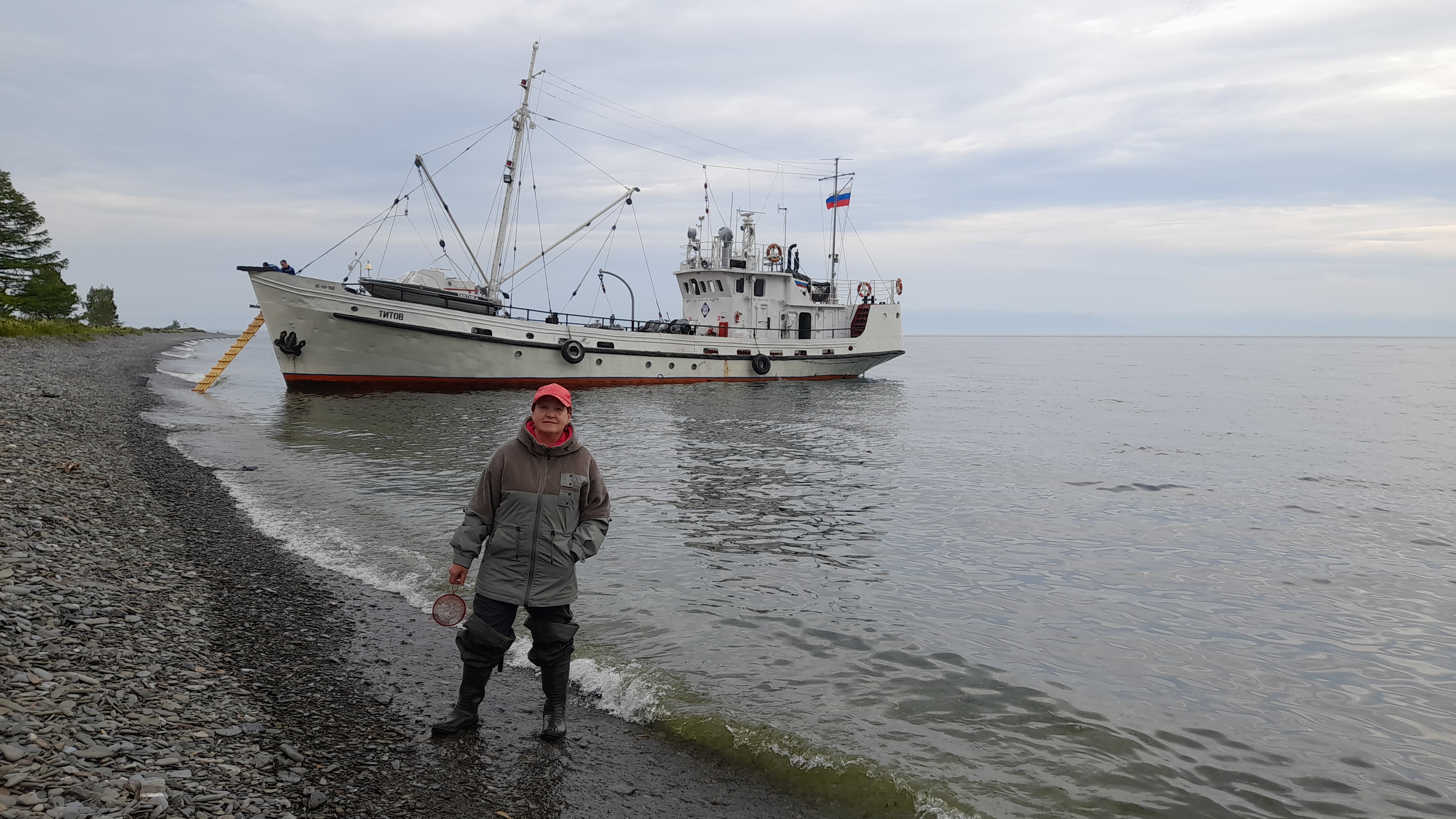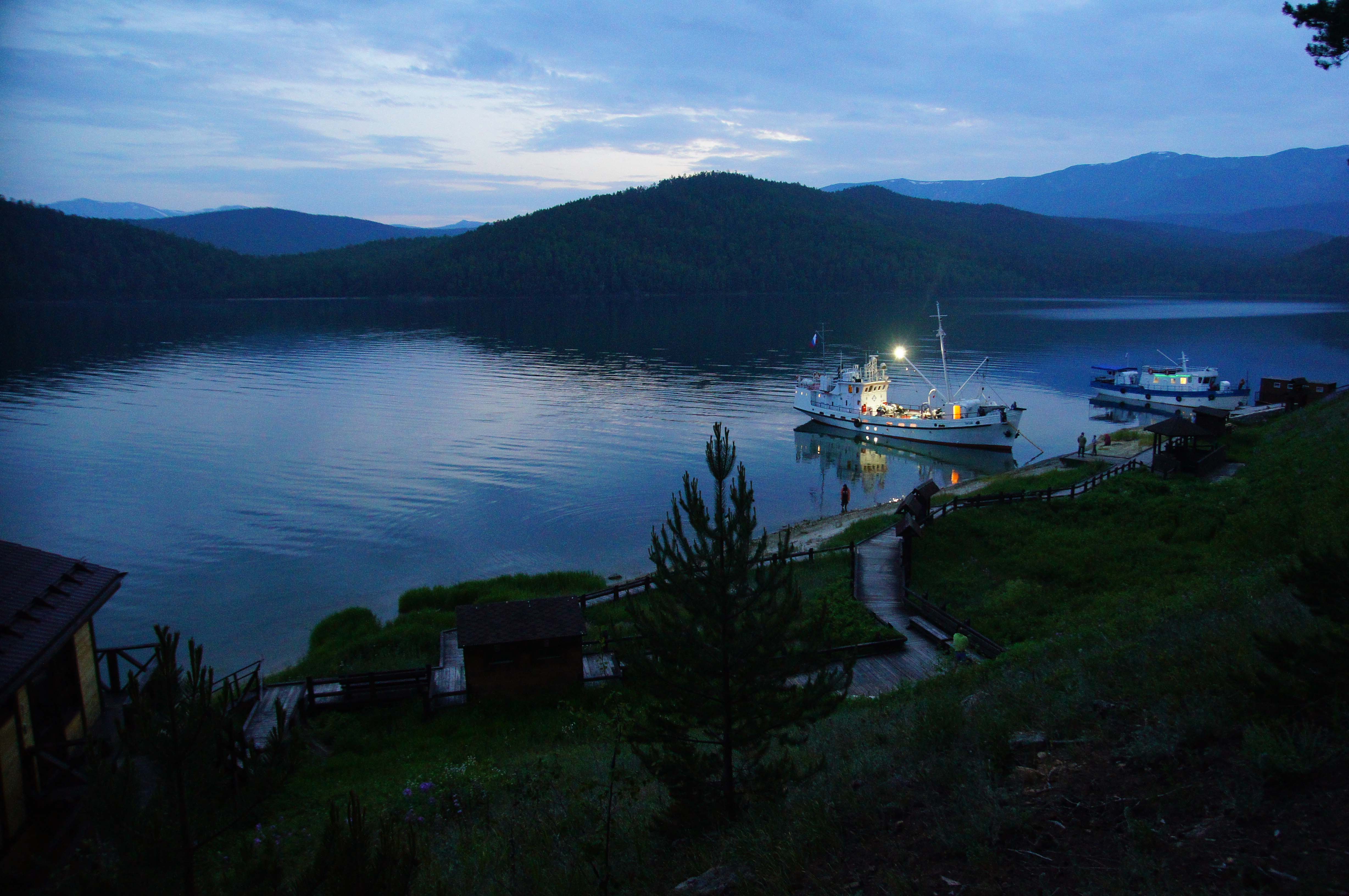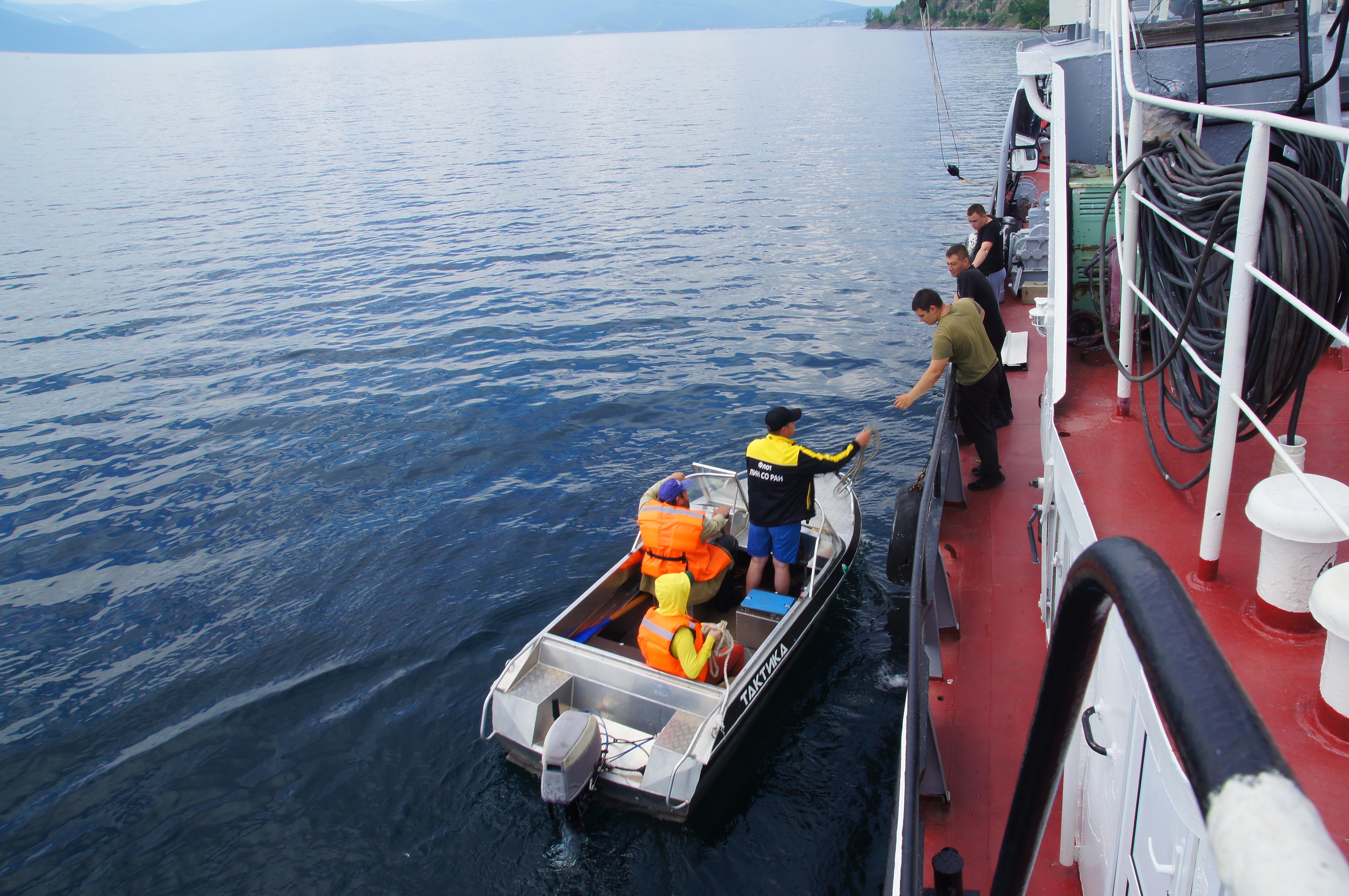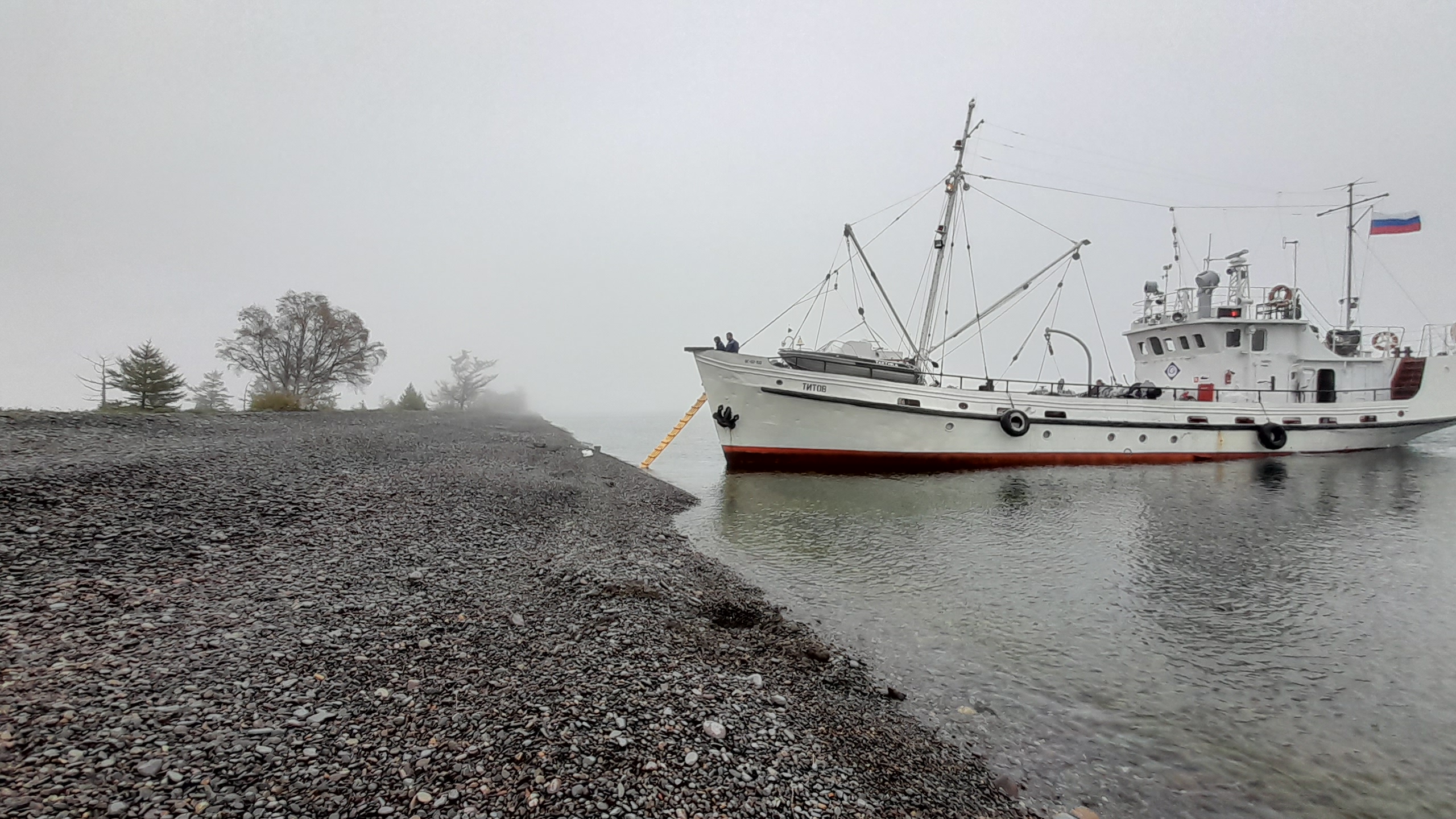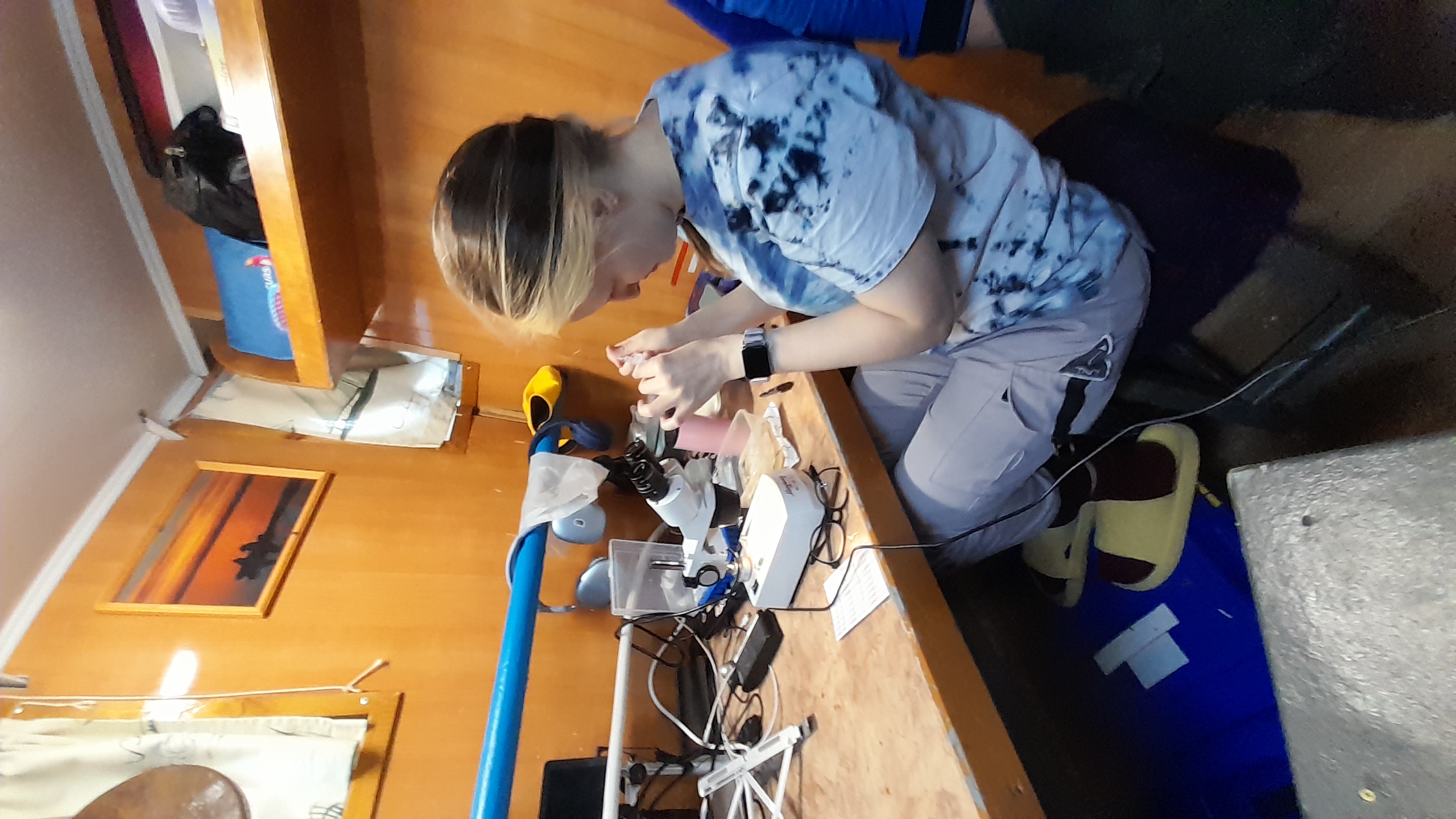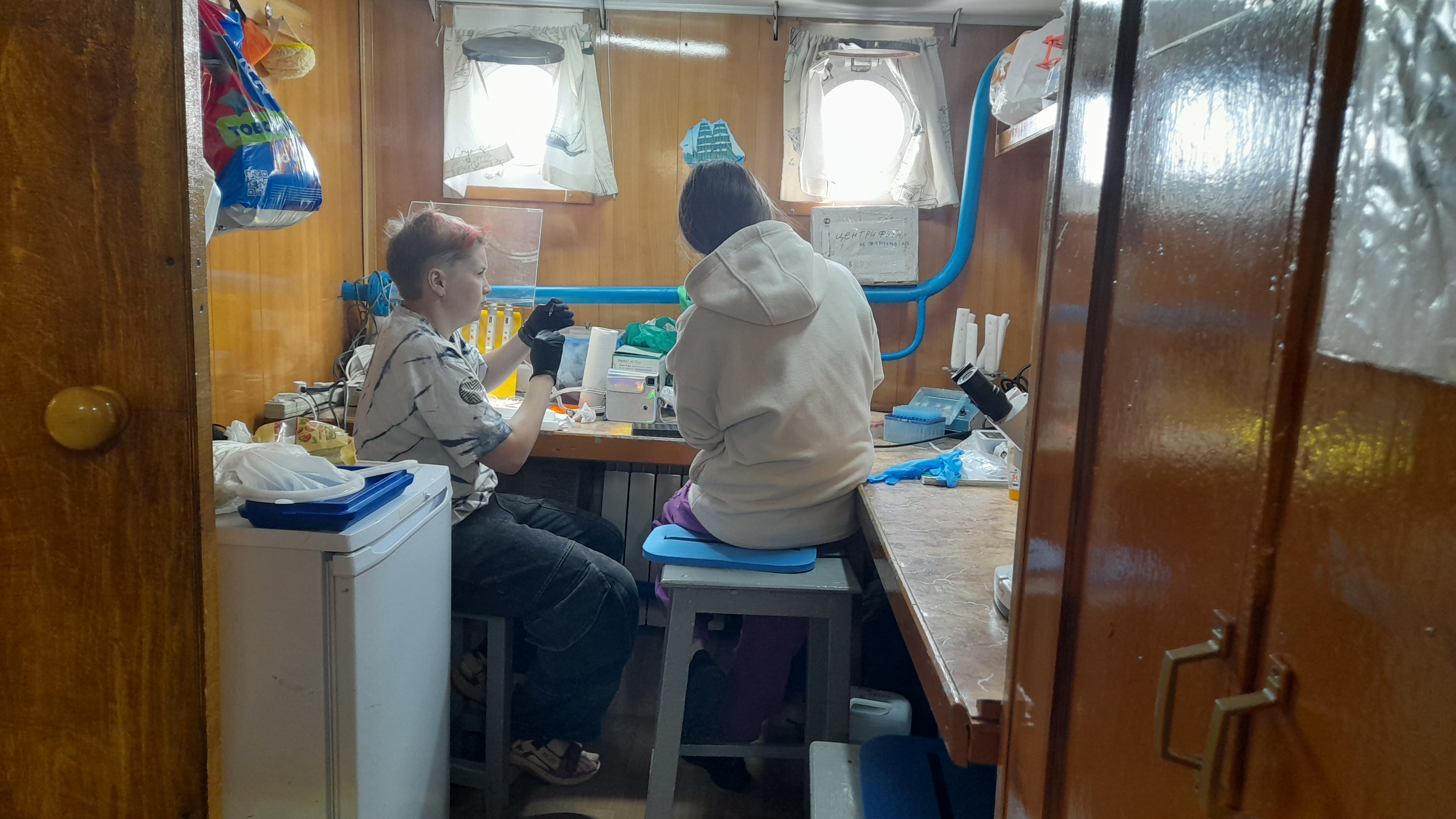



Expedition on board R/V Titov from June 24 to July 5, 2026
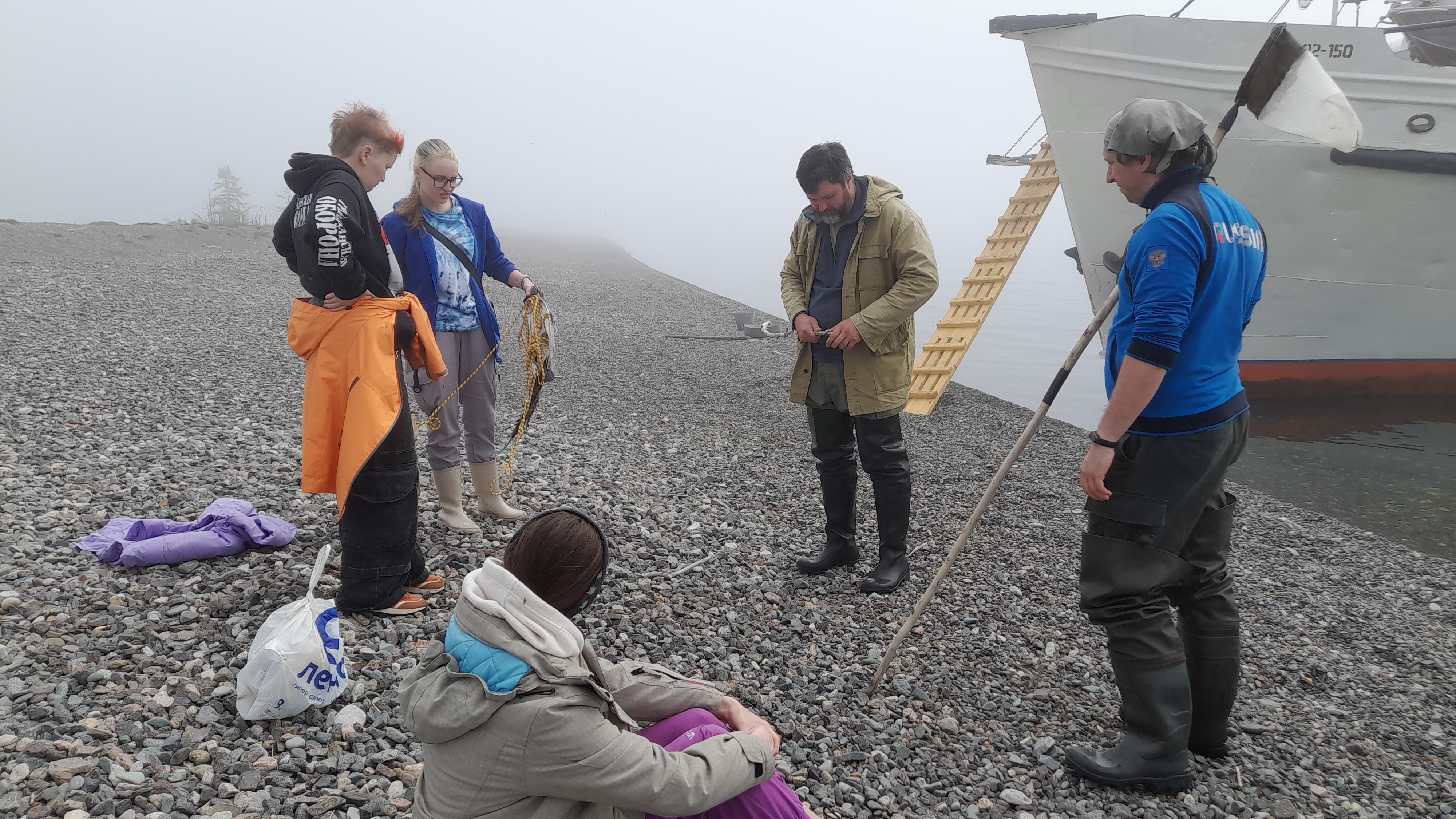
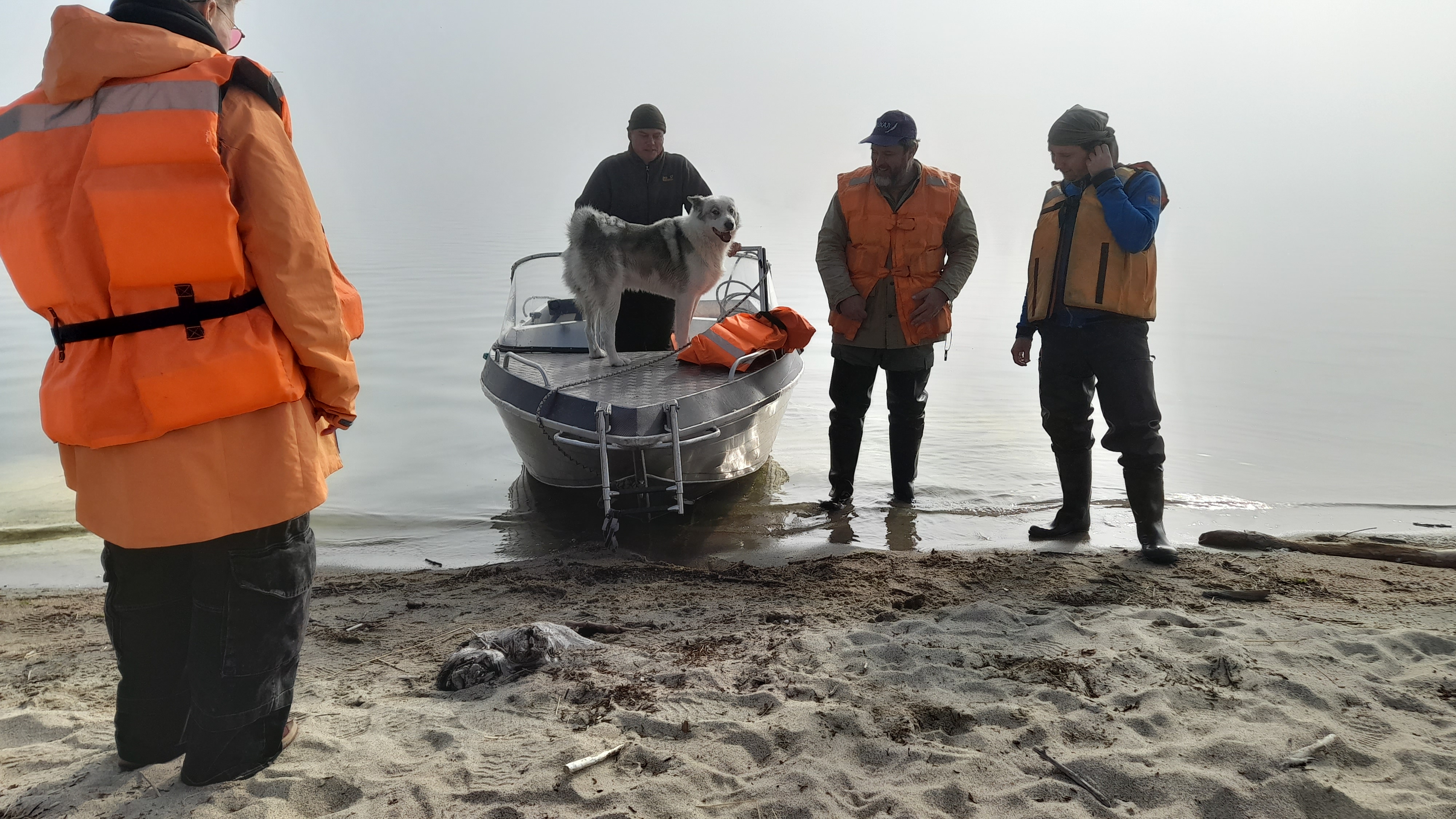
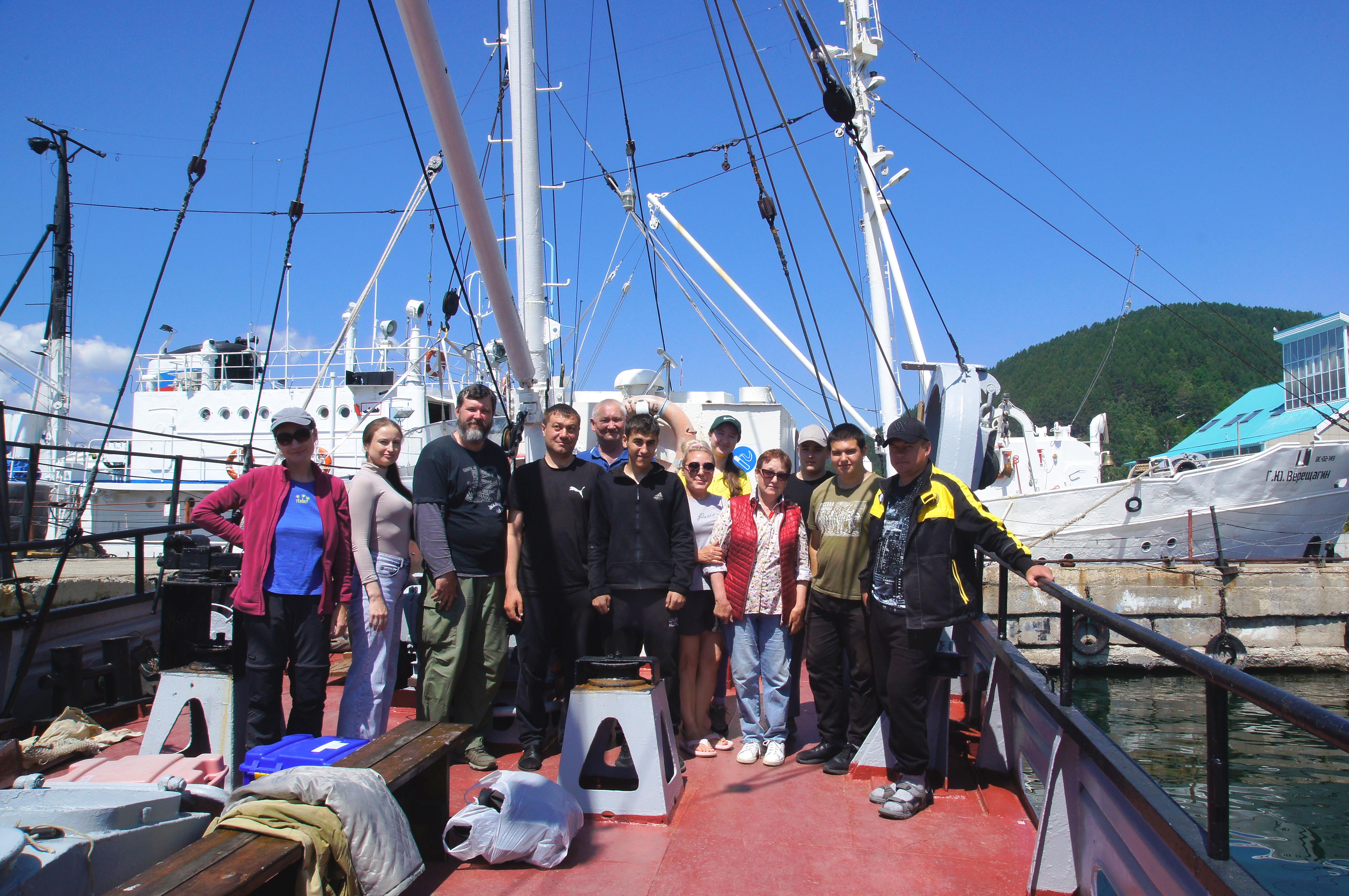
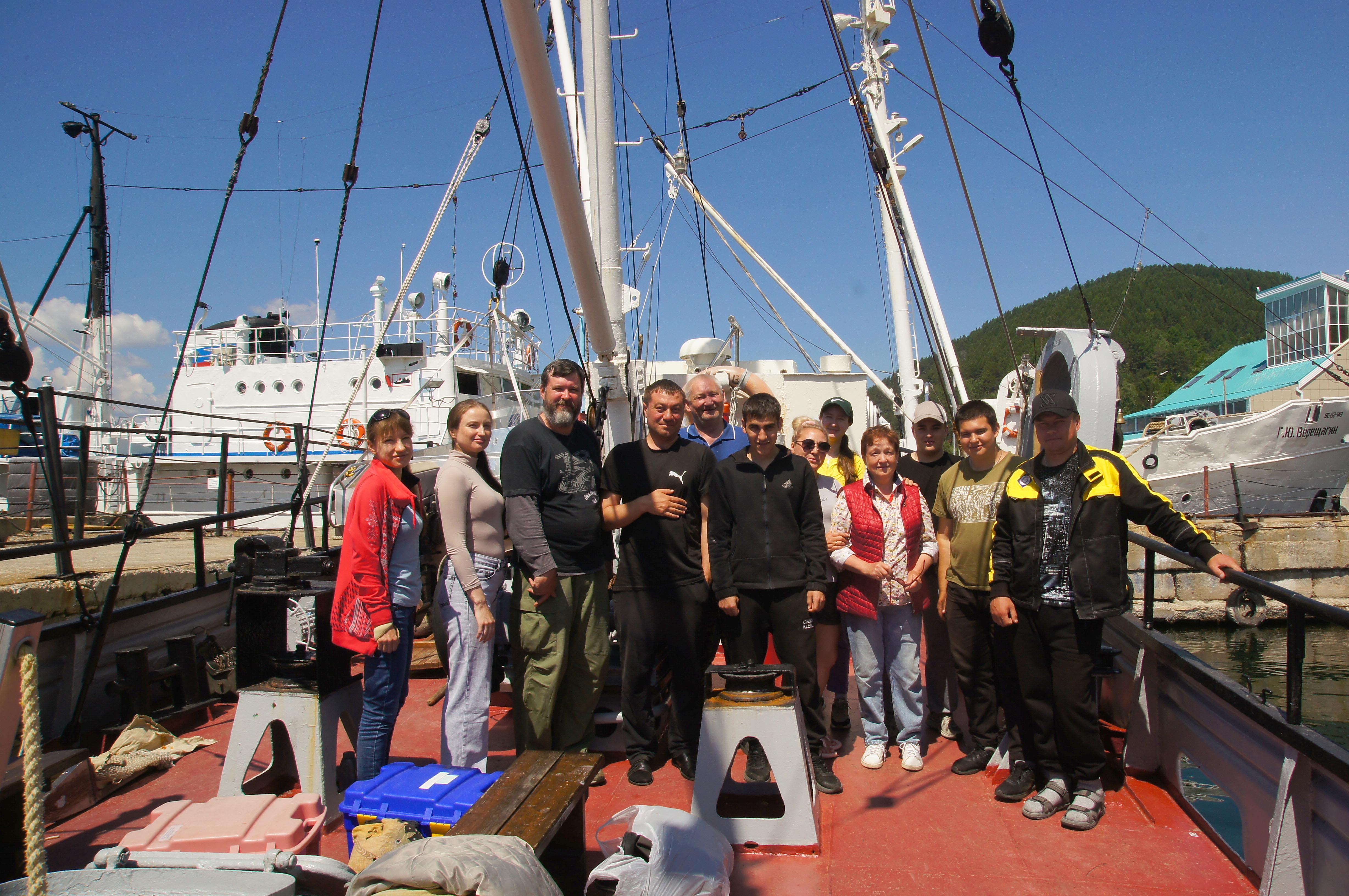
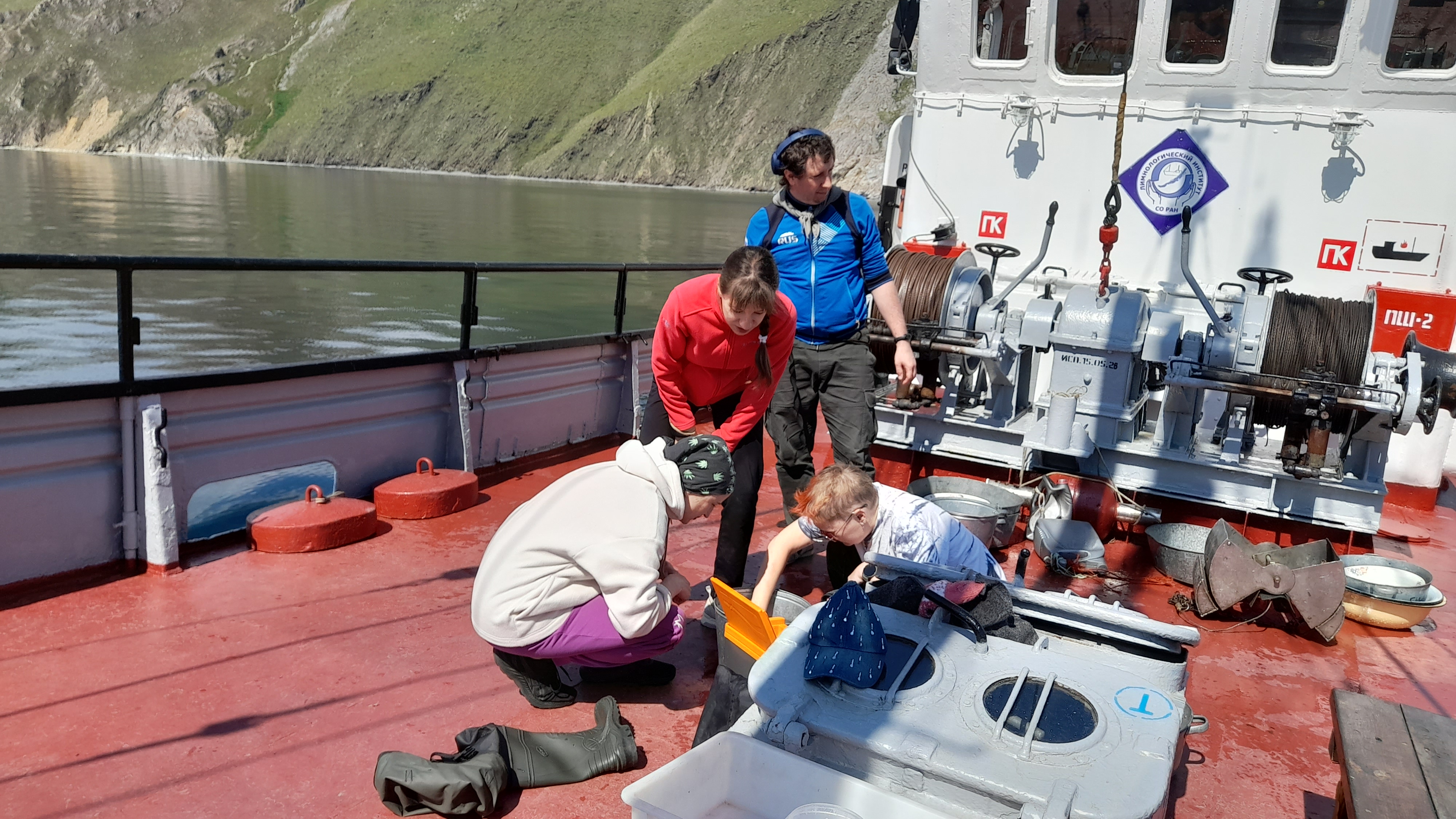
From June 24 to July 5, 2026 a comprehensive hydrobiological expedition on the R/V Titov was carried out within the State Assignments № FWSR-2026-0003 “Evolutionary and functional genomics of freshwater ecosystem hydrobiont species, populations, and communities” (led by Shcherbakov D.Yu.) and № FWSR-2026-0015 “The influence of abiotic factors of Lake Baikal and adjacent territories of Eastern Siberia on the adaptation and biodiversity of aquatic organisms at the level of environmental, biochemical and molecular genetic characteristics” (led by Fedotov A.P.). Seven employees of the Laboratory of Genosystematics and 1 employee of the Laboratory of Ichthyology LIN SB RAS, 1 employee of the Institute of Cytology and Genetics SB RAS, 1 employee of the Institute of Chemical Biology and Fundamental Medicine SB RAS took part in the expedition.
The expedition objectives are comprehensive (morphological, ecological, molecular-genetic, genomic, cytological, cytogenetic) studies of the Baikal endemic and palearctic species of invertebrates and macroalgae with various ecological strategies and population structures inhabiting different geographical areas of the littoral zone of Lake Baikal from the point of view of studying issues of preserving and maintaining genetic diversity at the level of gene pools of populations and communities, preserving the biological resources of the lake ecosystem.
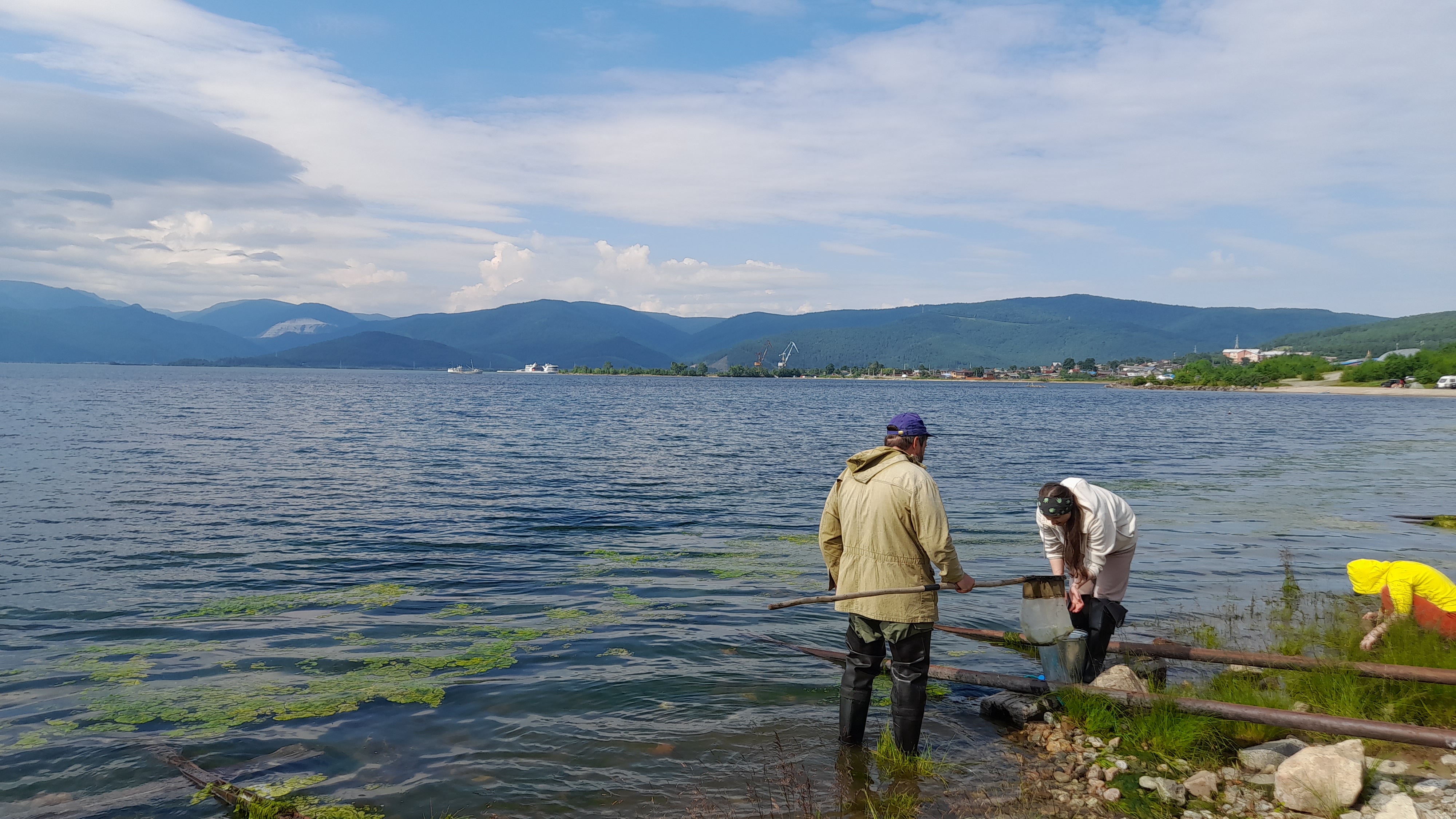
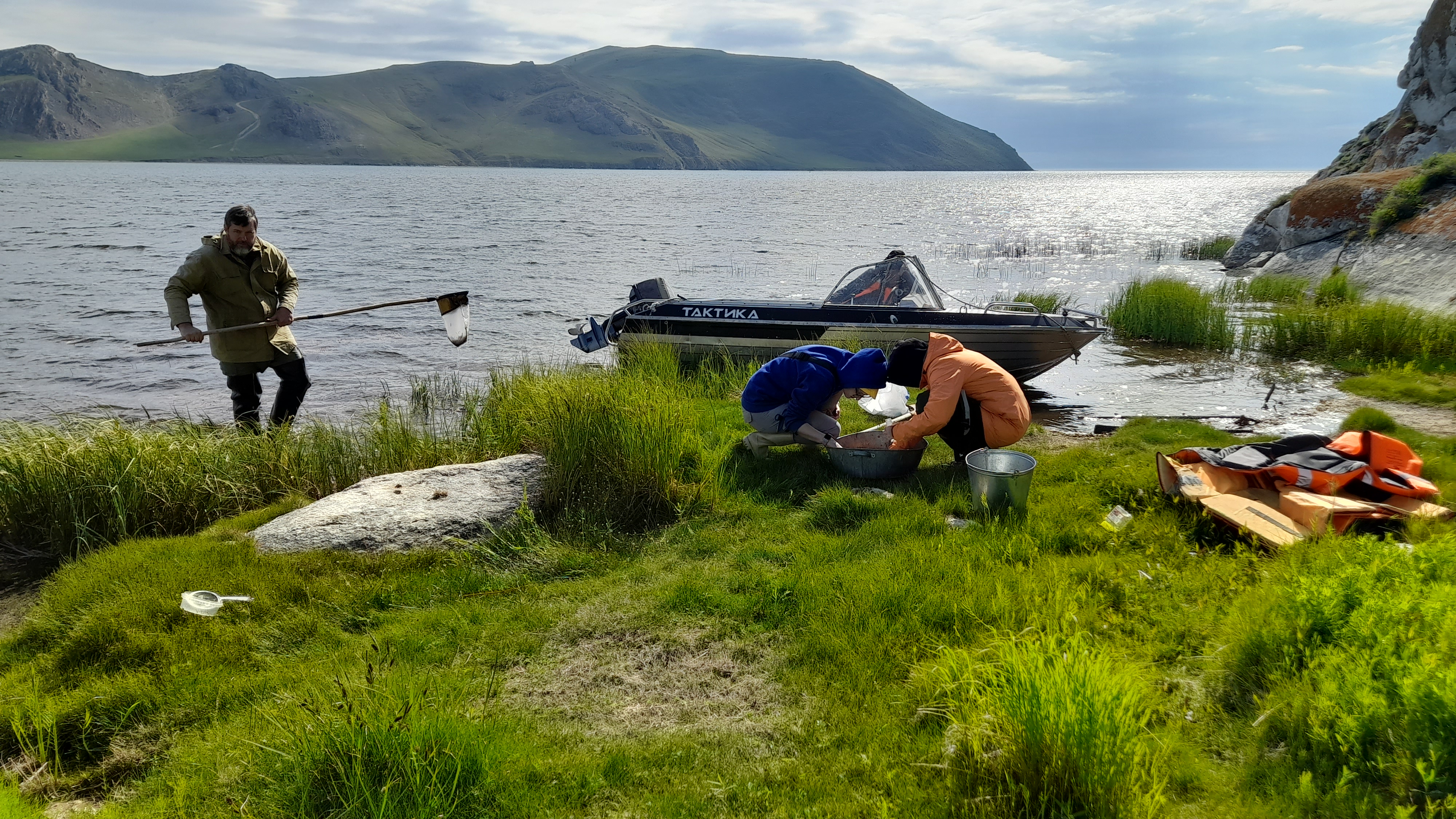
Sampling was carried out at 28 coastal stations on the western and eastern shores of the northern, central and southern basins of Lake Baikal.
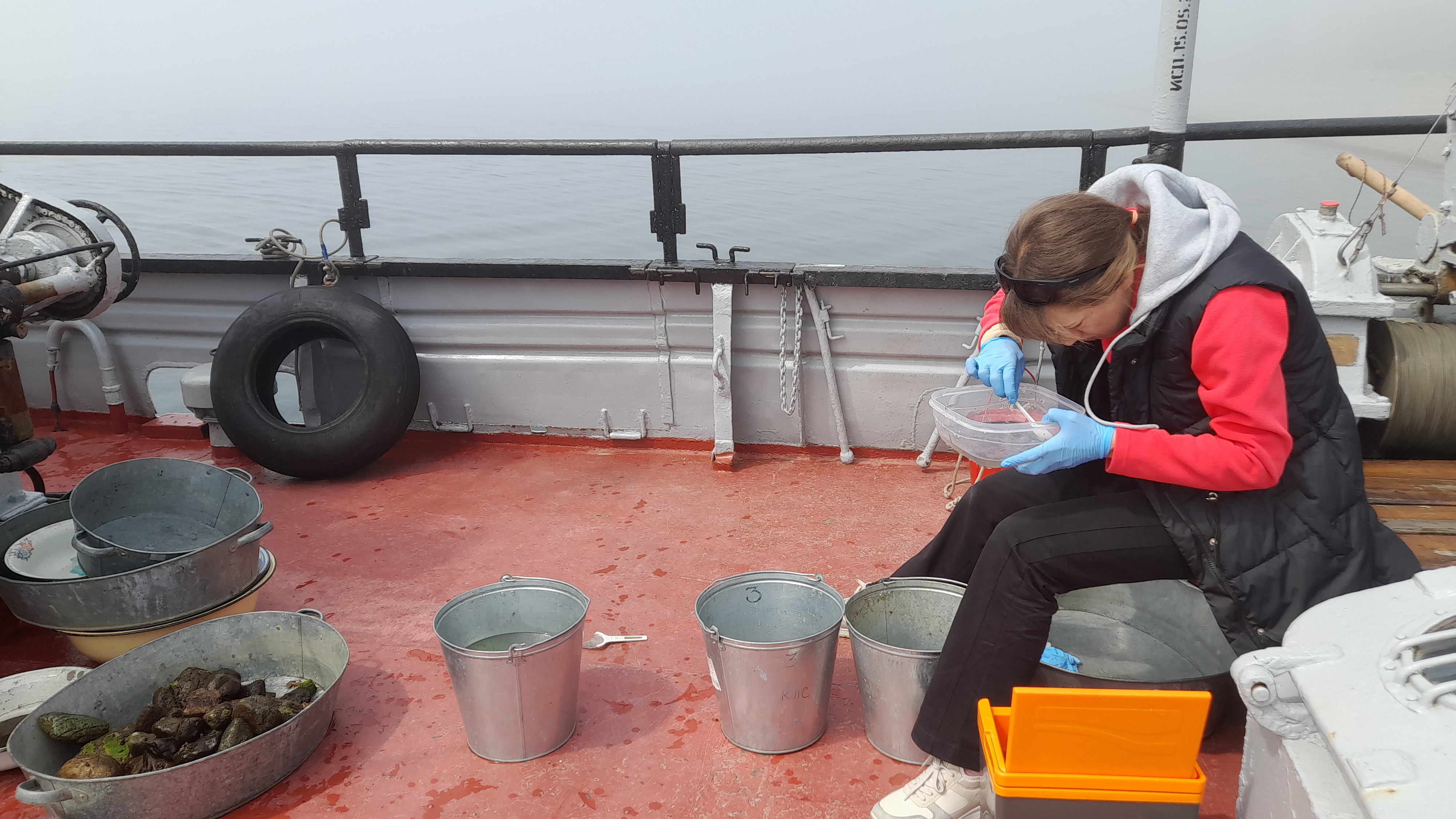
Samples were taken using dredge, bottom grab, hydrobiological scrapers and nets from the water edge to depths of 30-40 meters, diving equipment - at depths from 5 to 25 meters. In total, over 100 samples of invertebrate animals and macrophytes were collected and analyzed.
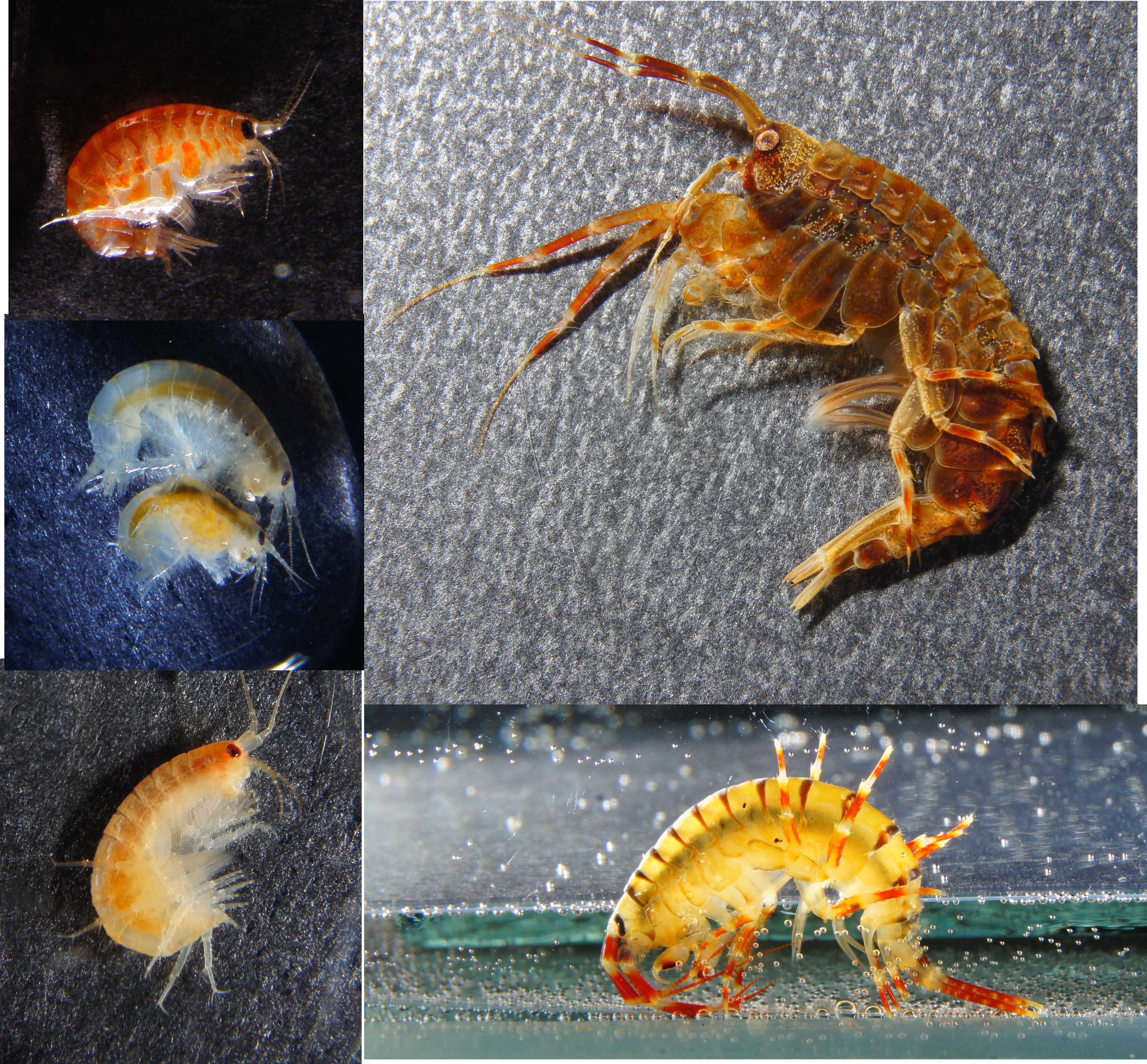
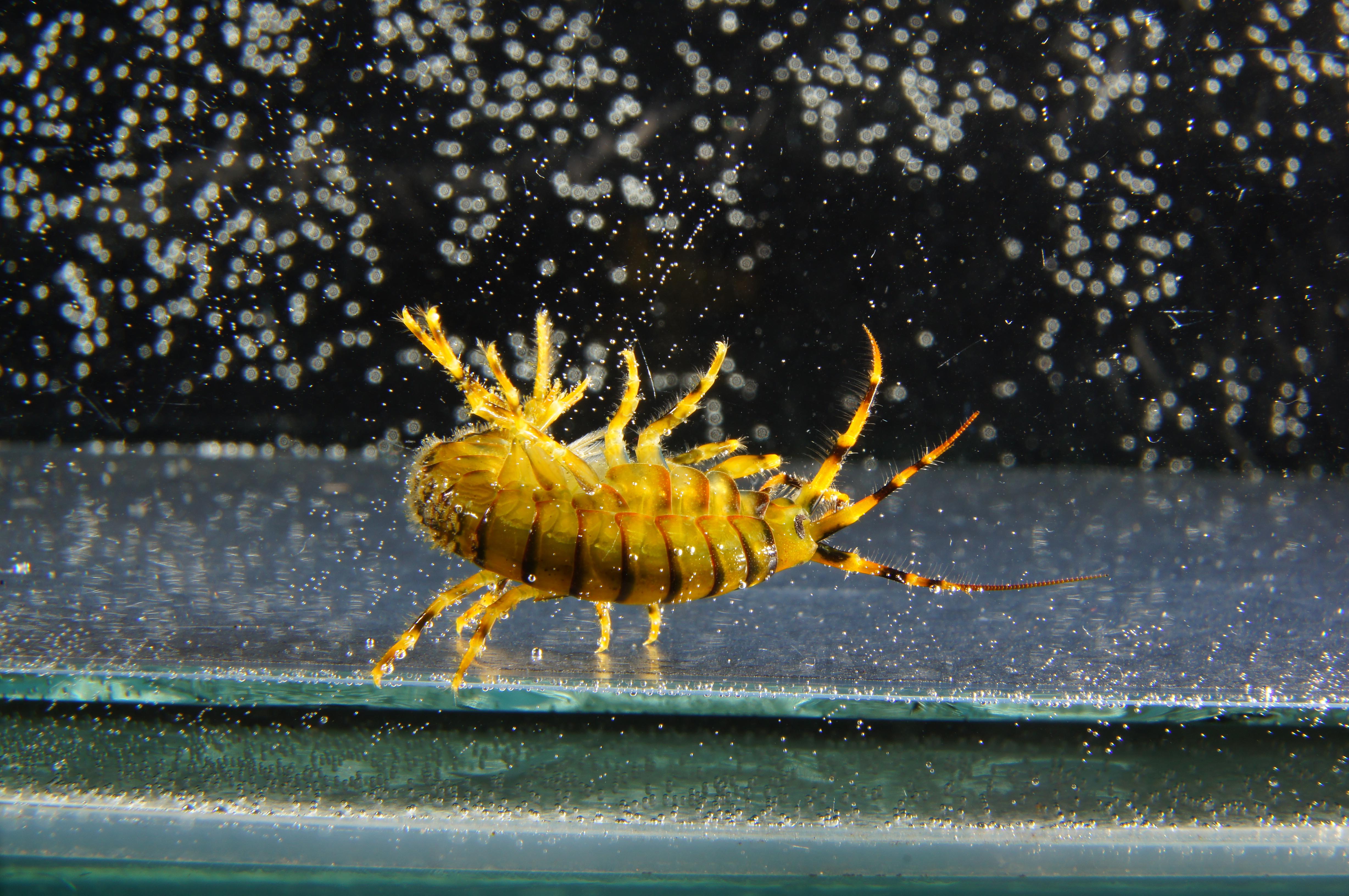
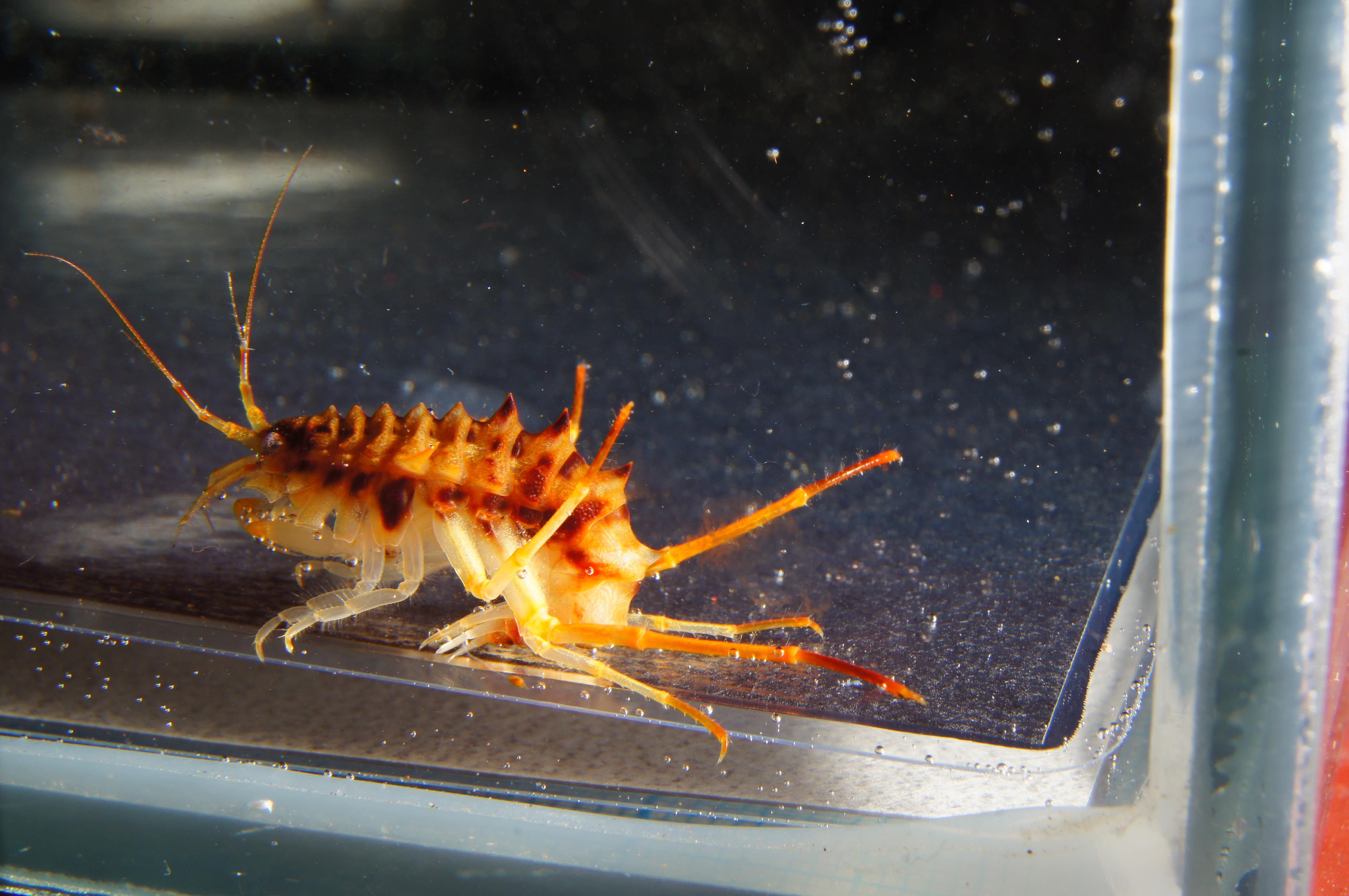
During the expedition, samples of amphipods of the species Gmelinoides fasciatus were collected from the water`s edge of various zones of Lake Baikal. In four points of the northern basin (Maly Solontsovy, Bolshoy Chivyrkuy, Zama village, Khuzhir settlement), three points of the southern basin (Angasolka, Slyudyanka, Snezhnaya river) at depths of 10 to 85 m. Samples of amphipods belonging to the families Acanthogammaridae, Eulimnogammaridae, Pallaseidae were collected. The resulting high-molecular DNA preparations may be used both for routine molecular genetic studies (PCR, Sanger sequencing) and for more high-tech applications: amplification of extended genome fragments of about ten bp, as well as preparation of libraries for next-generation sequencing.
Some of the amphipod samples of the Baikal endemic Eulimnogammarus verrucosus will be used in population-morphometric analysis to study microevolutionary processes. Biochemical analysis of DNA repair enzyme complexes was carried out for two endemic amphipod species E. verrucosus and Acanthogammarus victorii. Photofixation of the collected samples was also carried out.
Representatives of various species of mollusks (gastropods and bivalves) and tardigrades were selected. Collected samples of tardigrades and bivalves will be used to analyze the structure and number of chromosomes, as well as for molecular phylogeny.
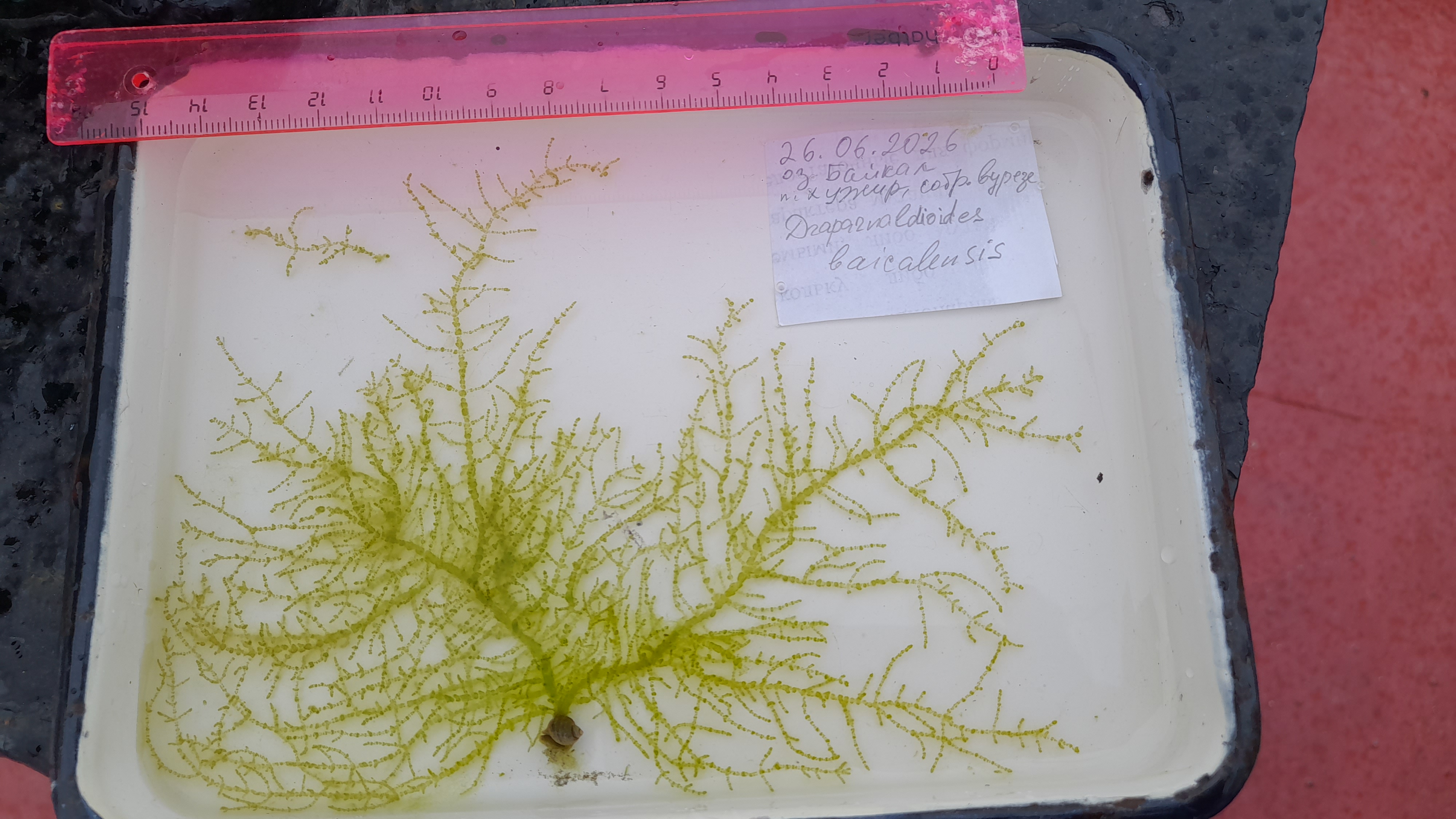
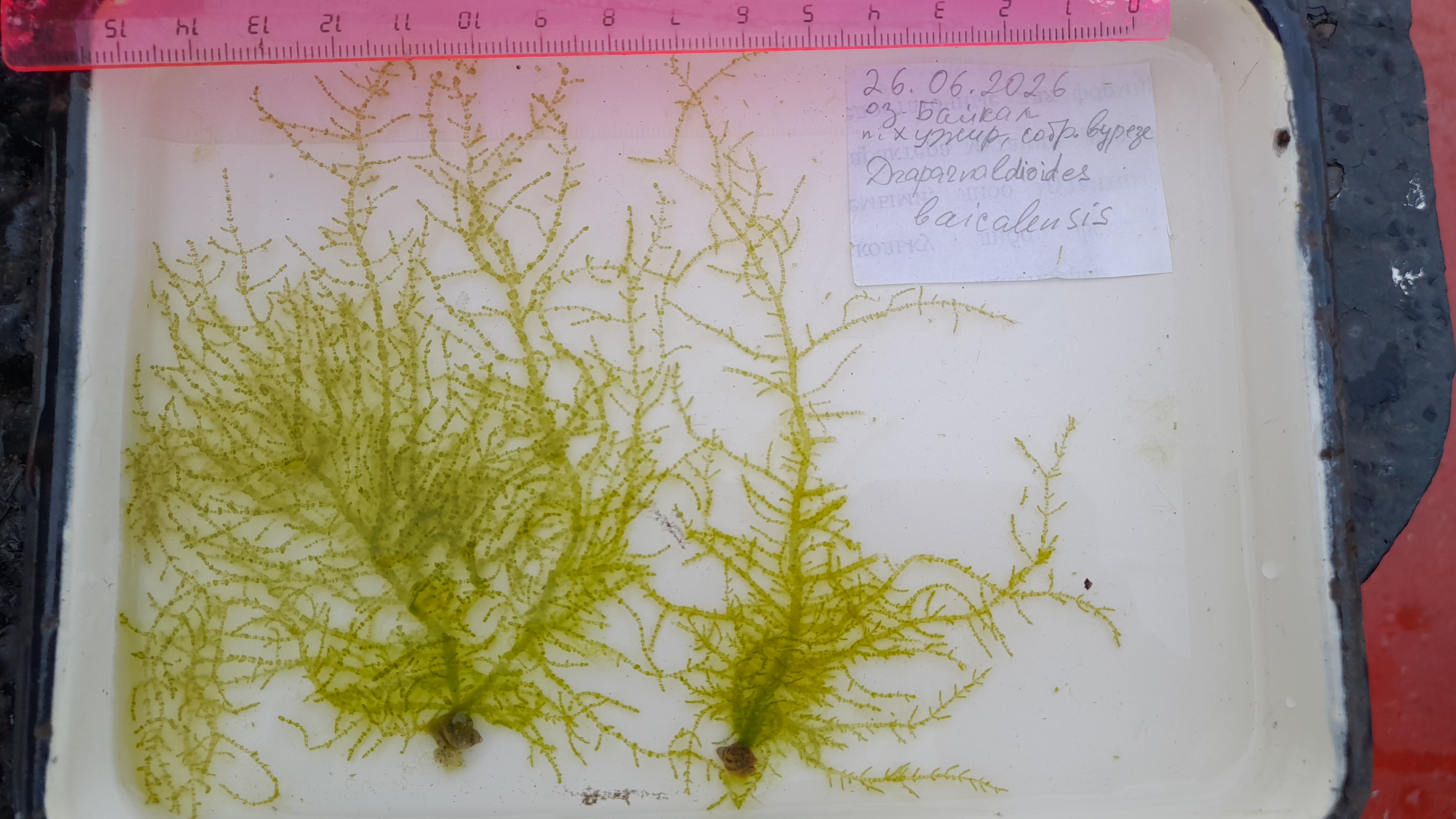
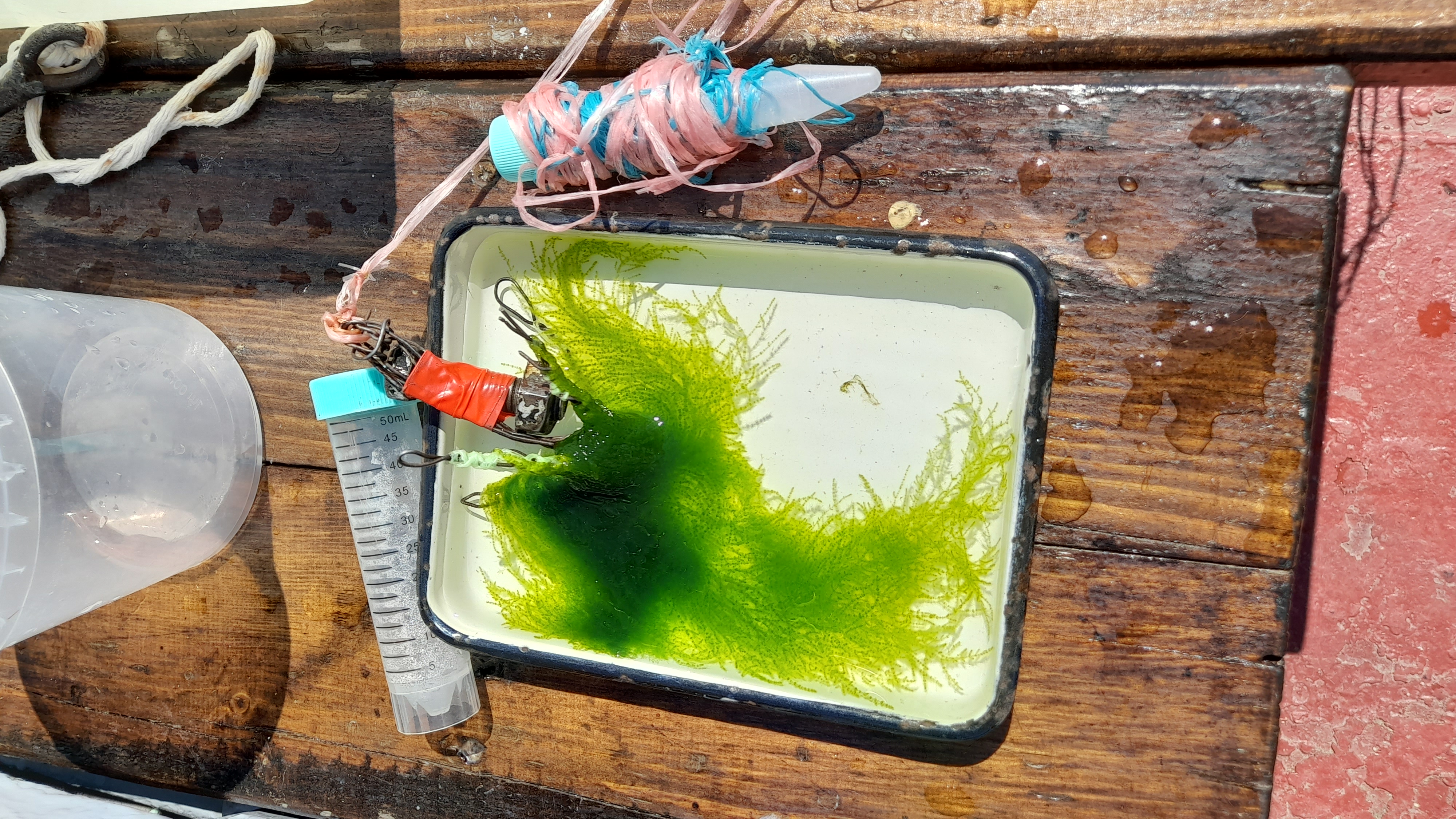
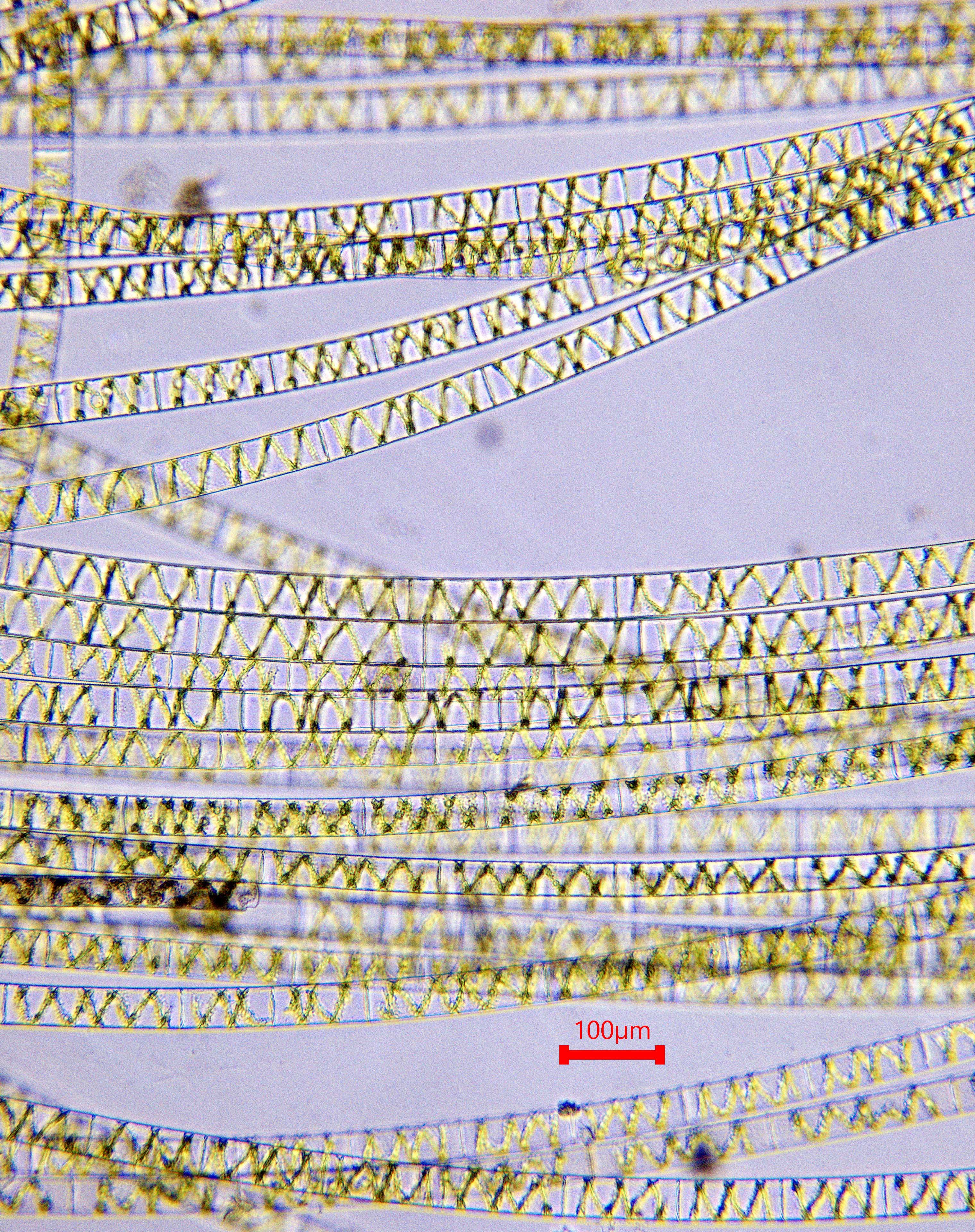
At some stations, we managed to collect samples of four out of ten species of filamentous algae of the endemic genus Draparnaldioides: D. baicalensis, D. simplex, D. arenaria, D. goroschankinii. These macroalgae will be examined for sporangia. Zygnem algae (Zygnematophyceae) were sampled for detection and karyological study of their sexual process - conjugation.
During visual observation of the coastal zone, one can note a massive blooming of filamentous algae of the genus Ulothrix at depths from 0 to 5 meters (stations of Kultuk settlement, Listvyanka settlement, Ust-Anga Bay, Khuzhir village, Cape Maly Solontsovy, Zavorotnaya Bay, the vicinity of Baikalsk town). The length of the thalli of algae reached 1 meter.