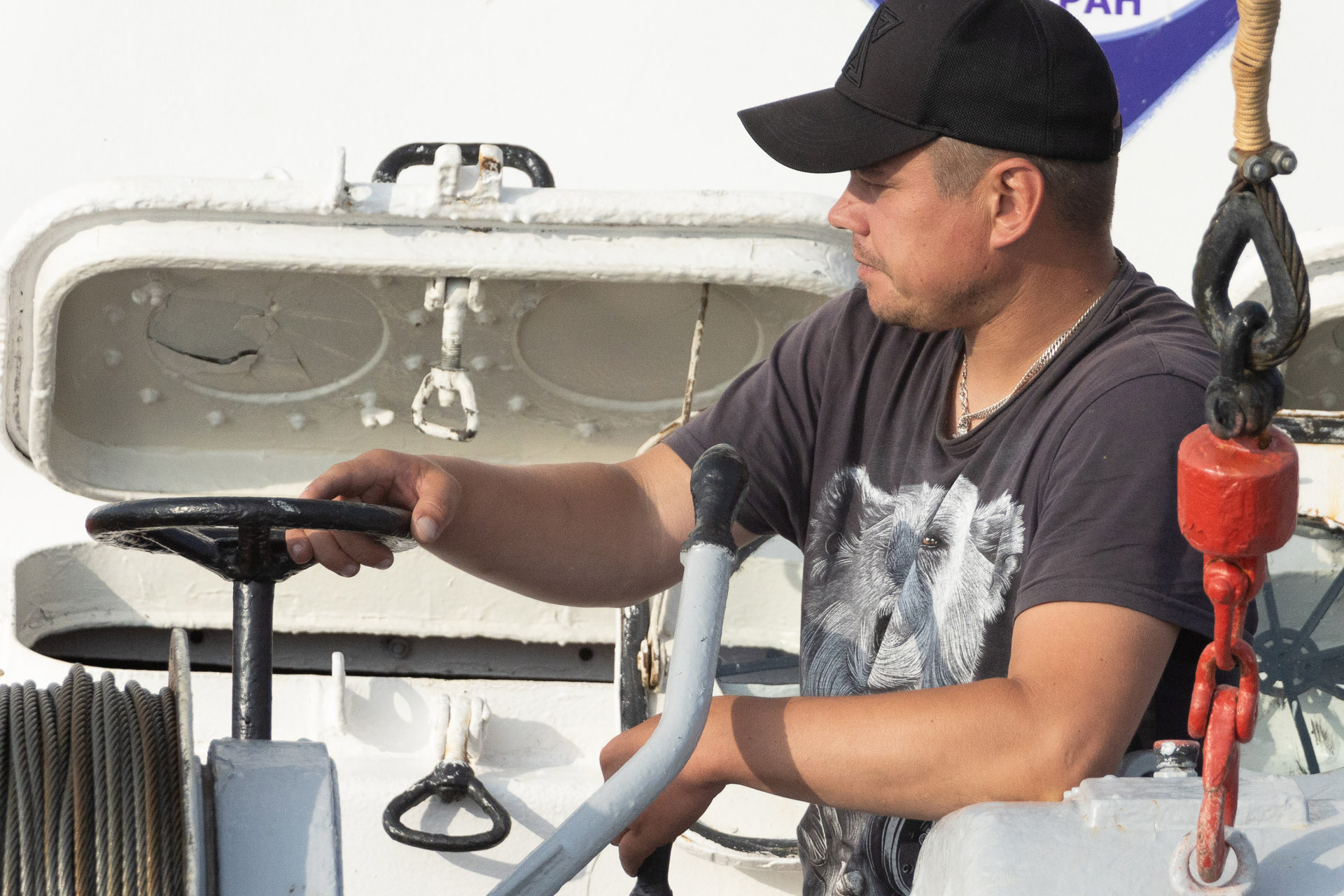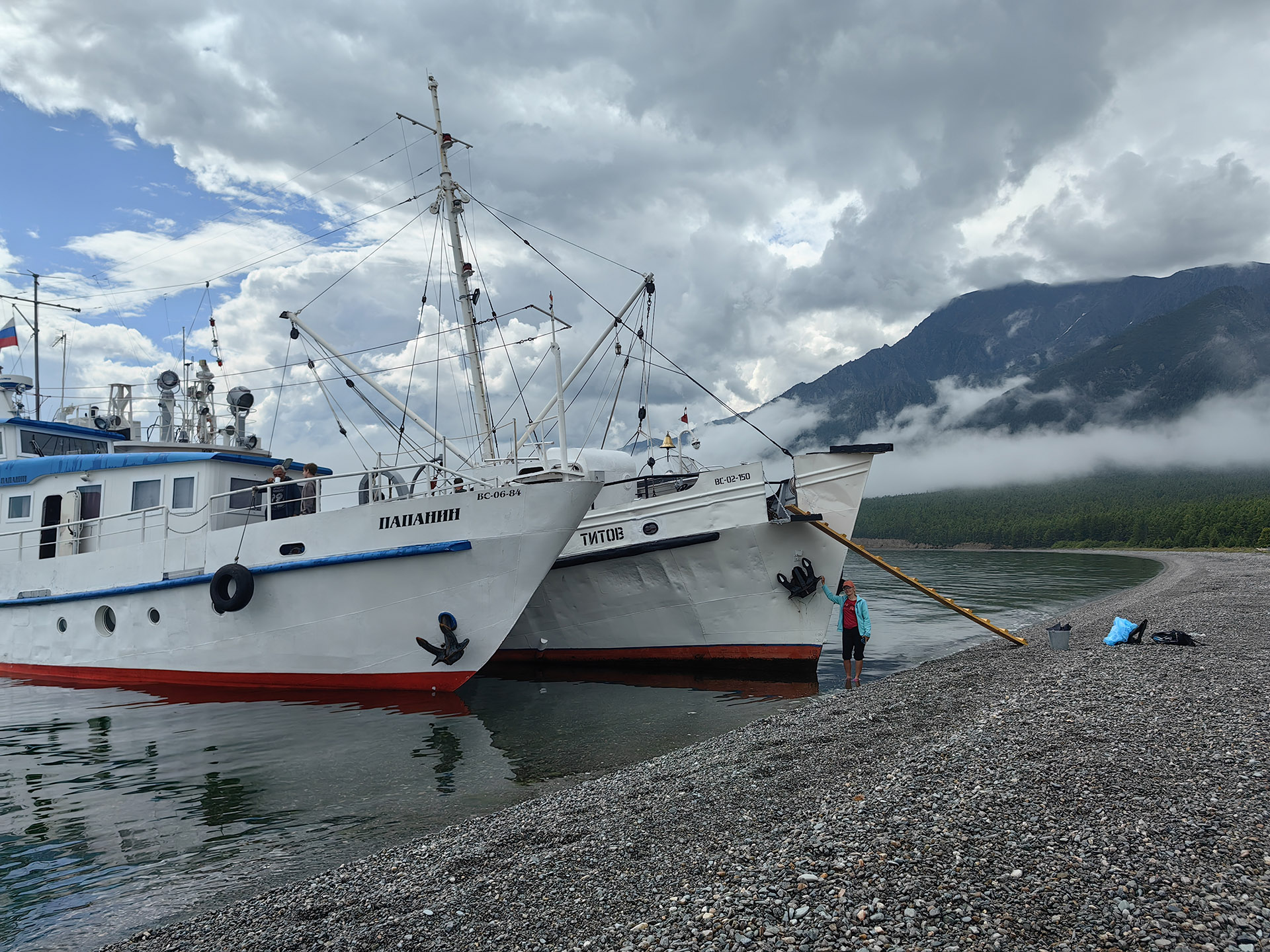



Expedition on the R/V Titov from July 28 to August 10, 2026
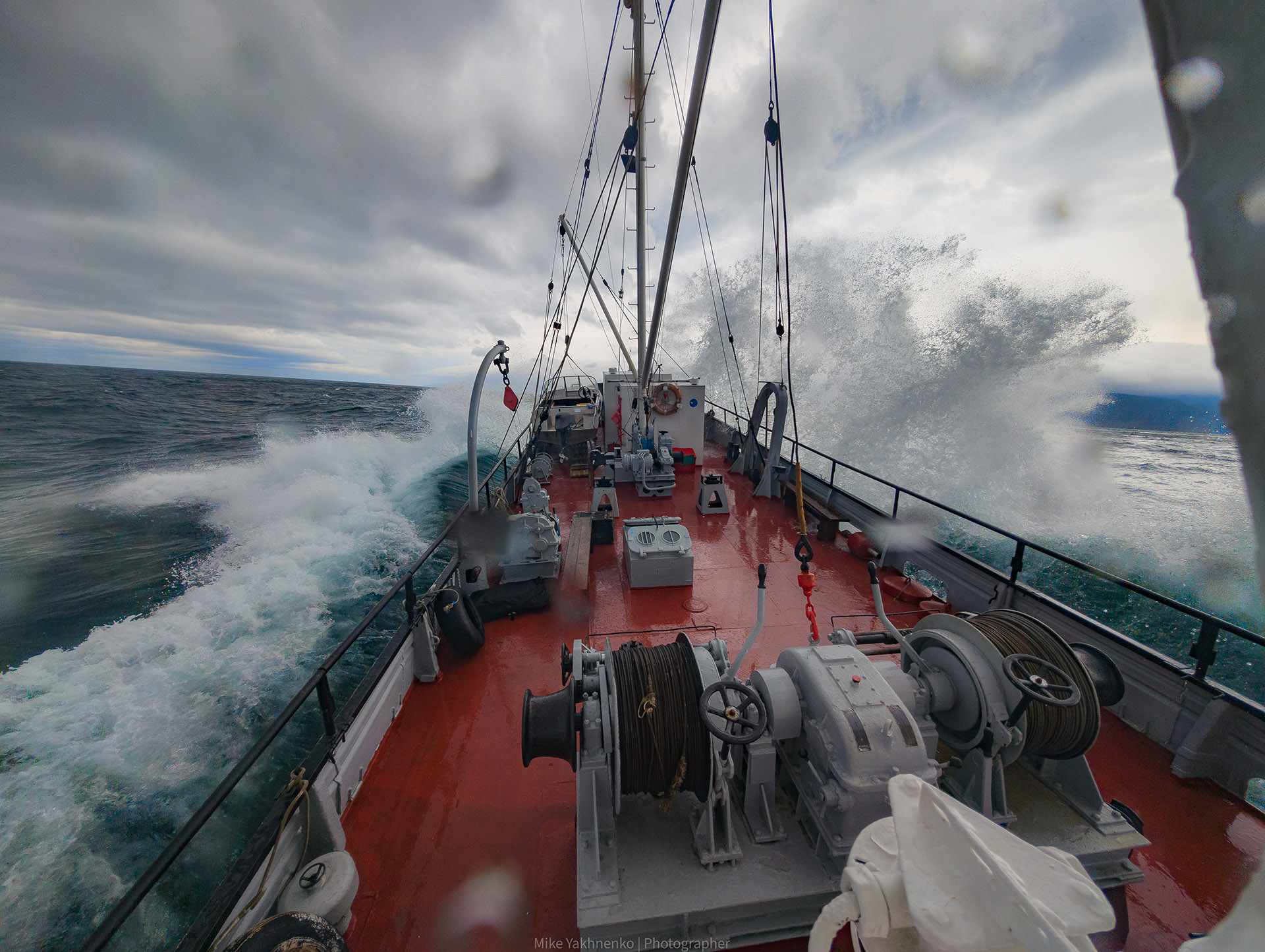
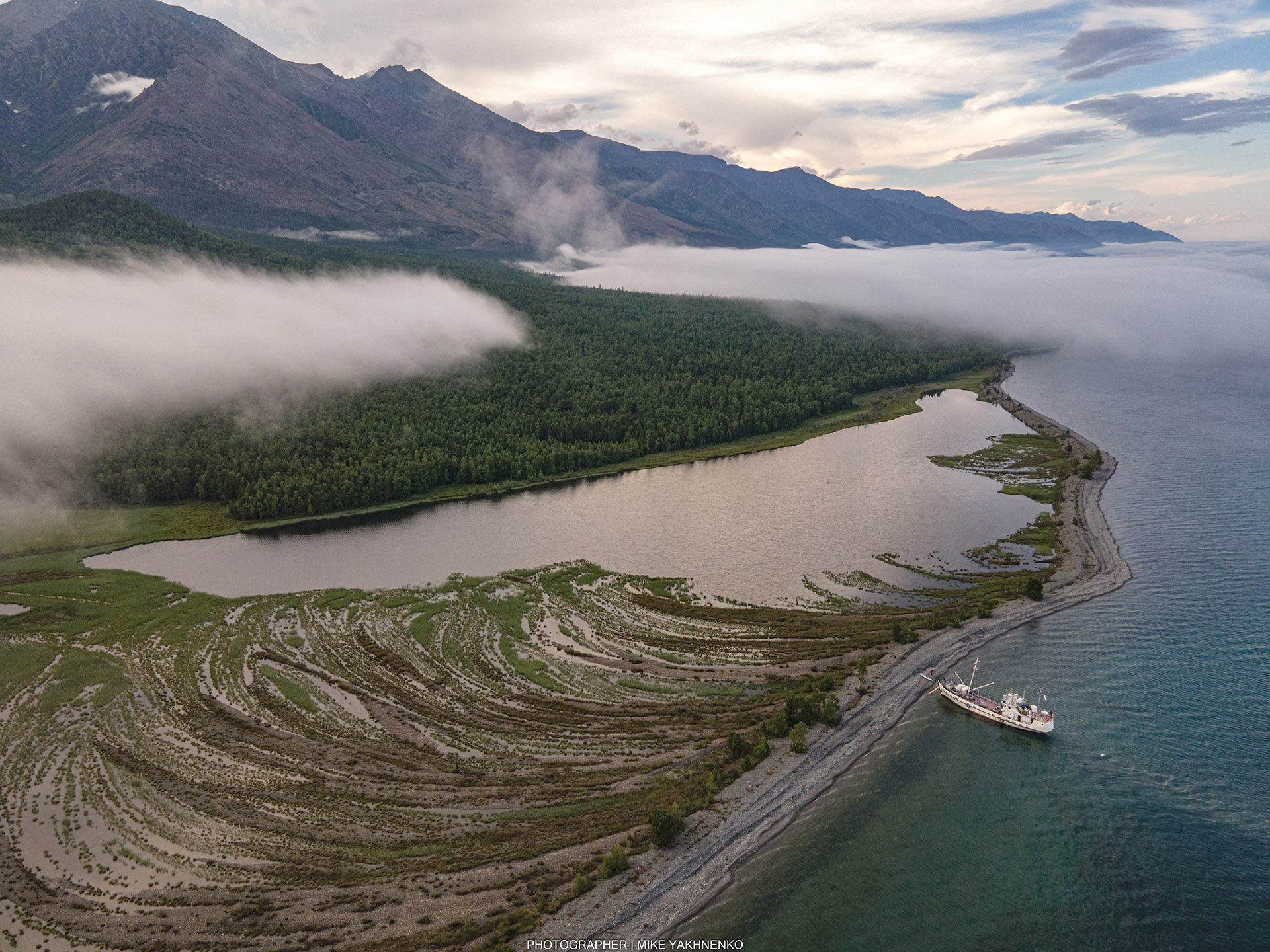
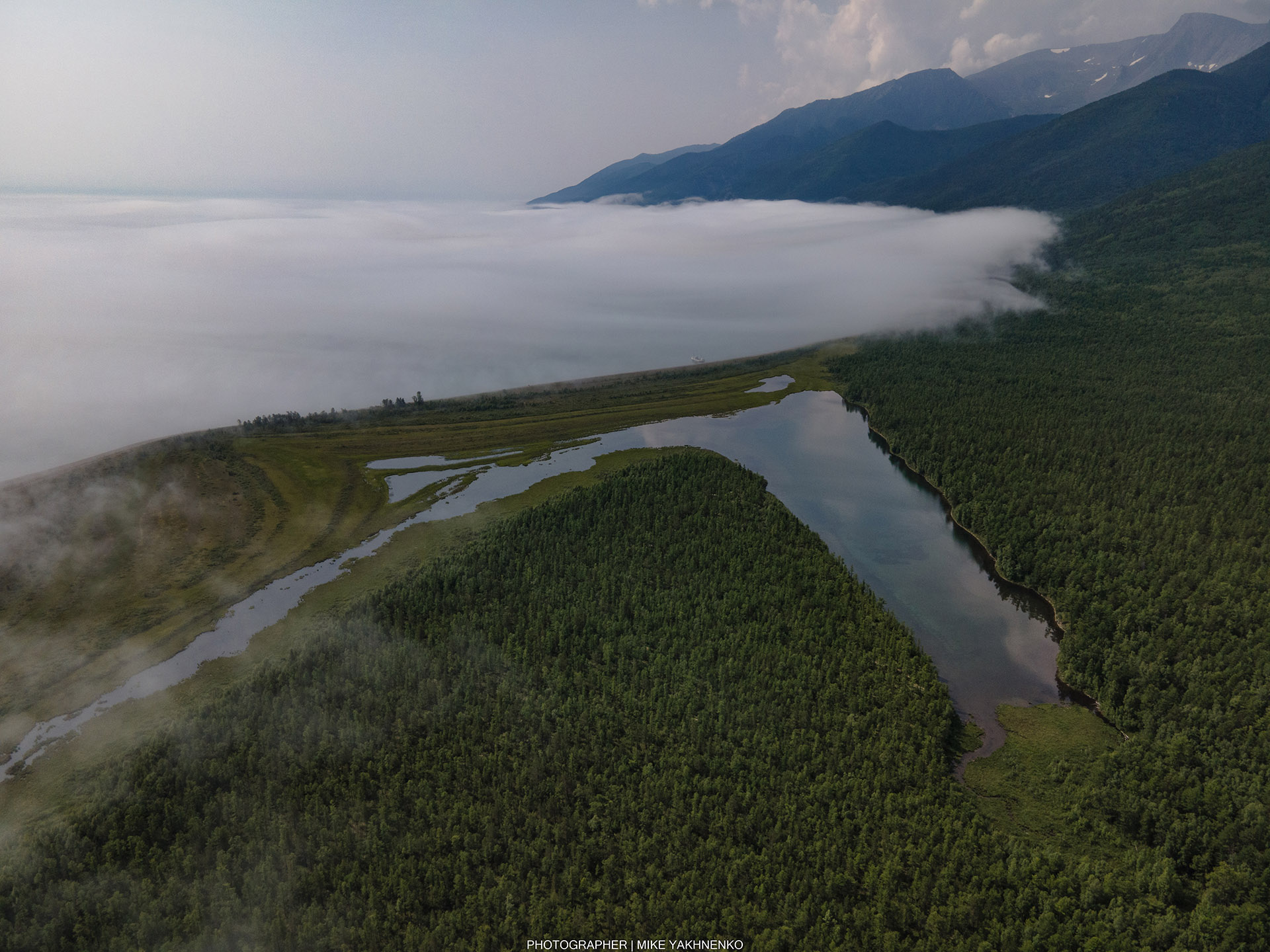
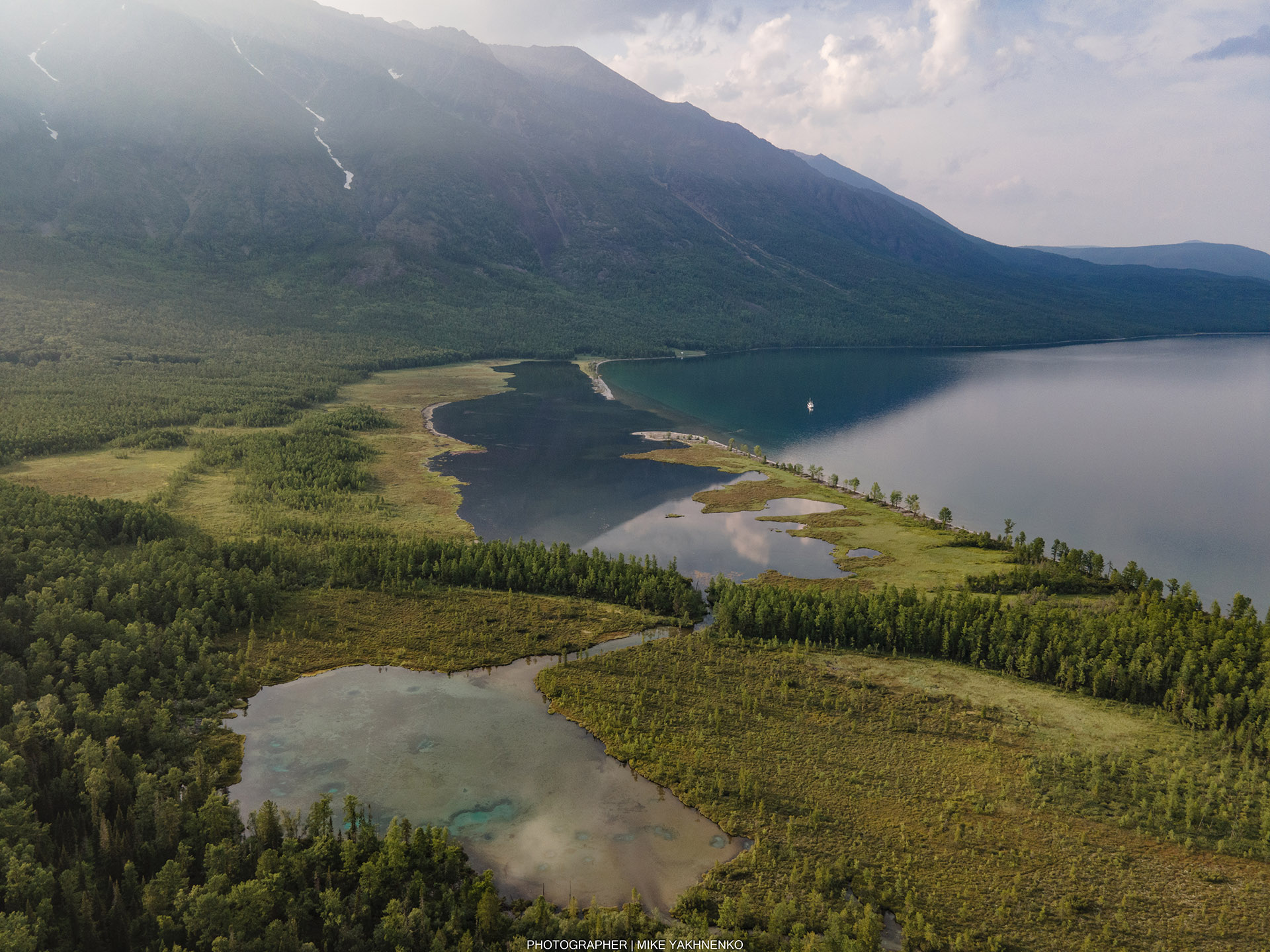
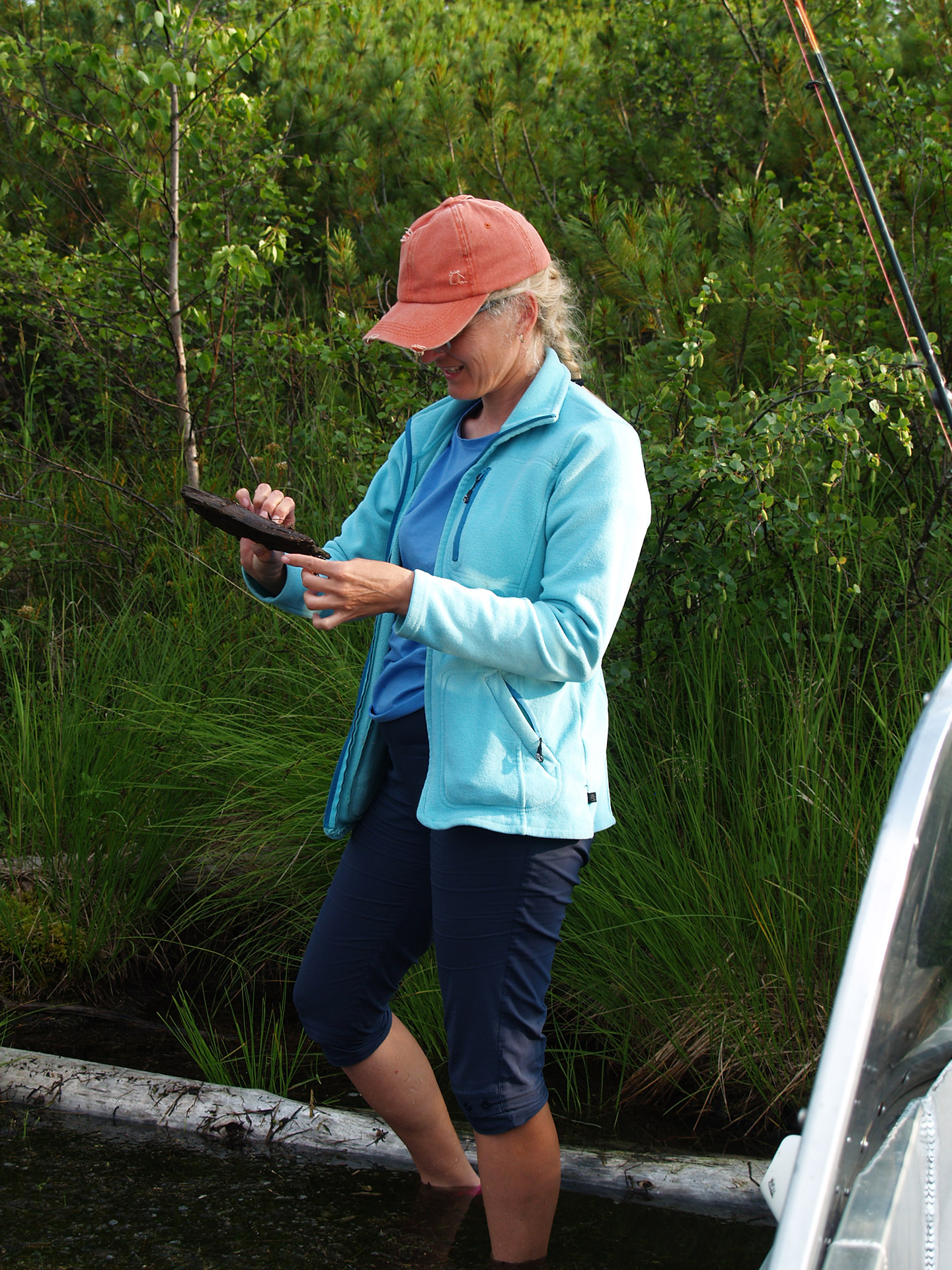
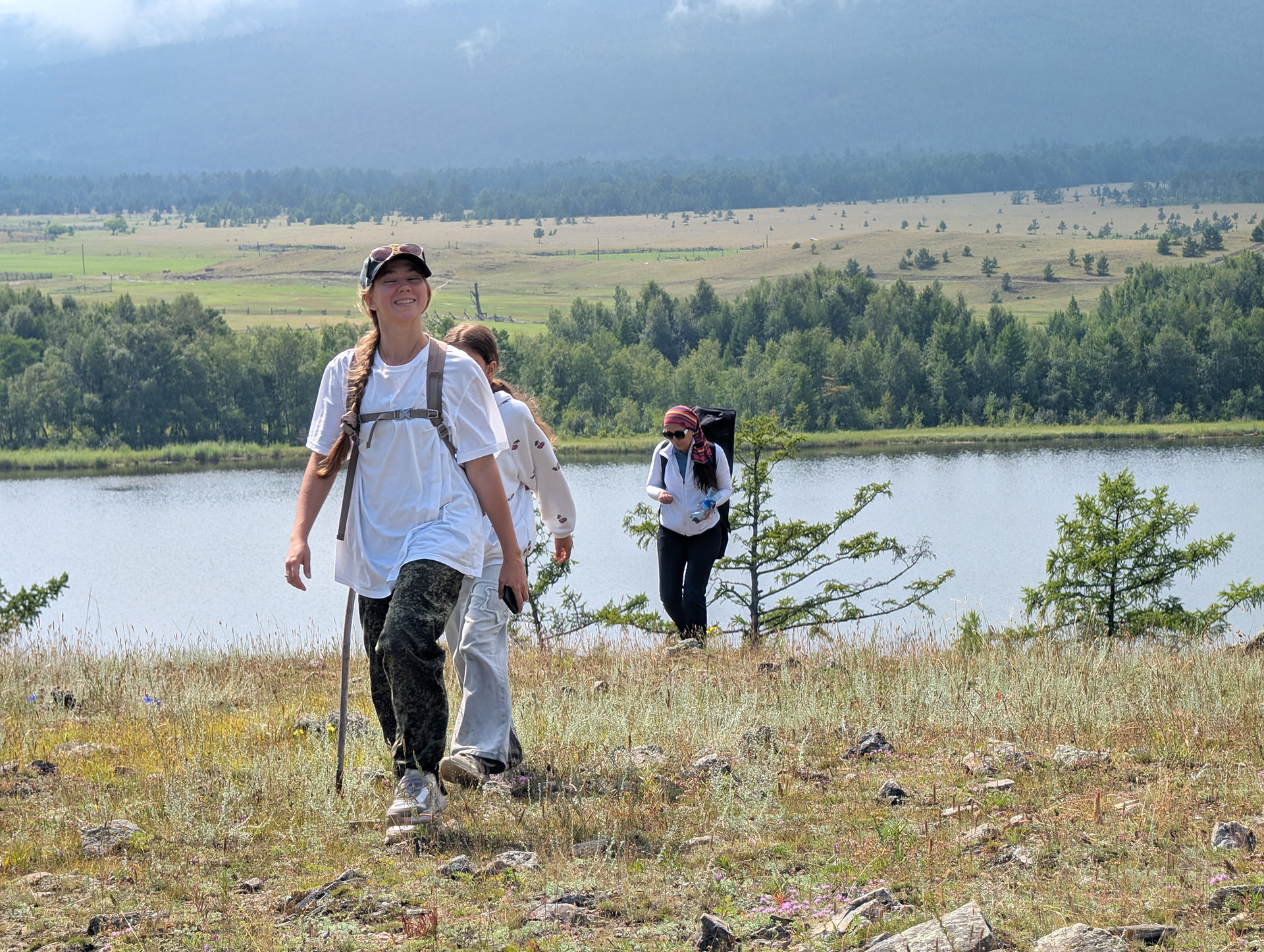
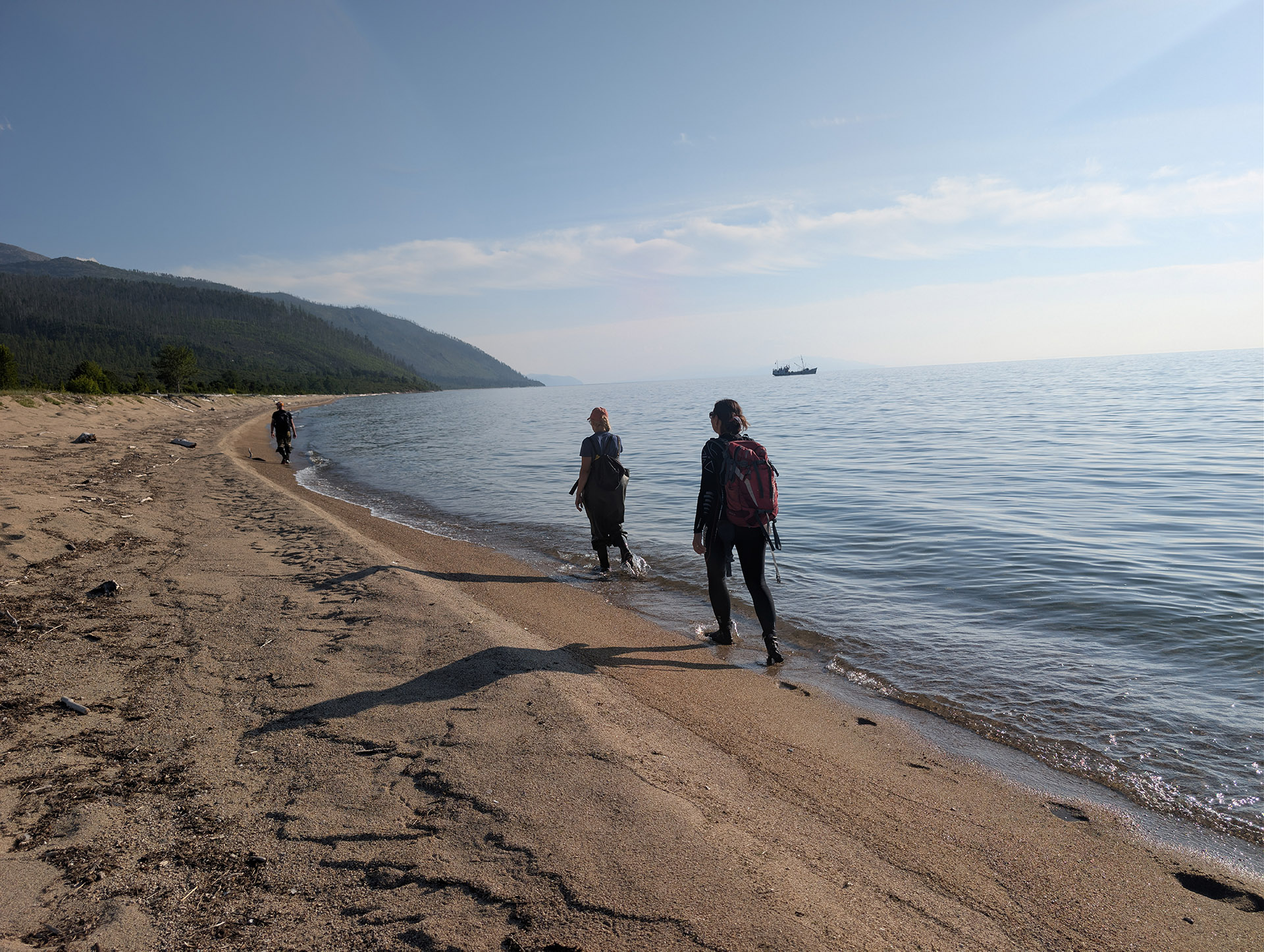
Fieldwork was carried out along the eastern and western coasts of Lake Baikal and its adjacent water bodies.
During the expedition, representatives of various taxonomic groups from both the endemic Baikal and Palaearctic faunas were collected.
In order to clarify the ranges and ecological preferences of mollusks, representatives of the families Valvatidae and Baicaliidae, as well as bivalve mollusks of the family Sphaeriidae, were collected in Boguchanskaya Bay and Chivyrkuisky Bay.
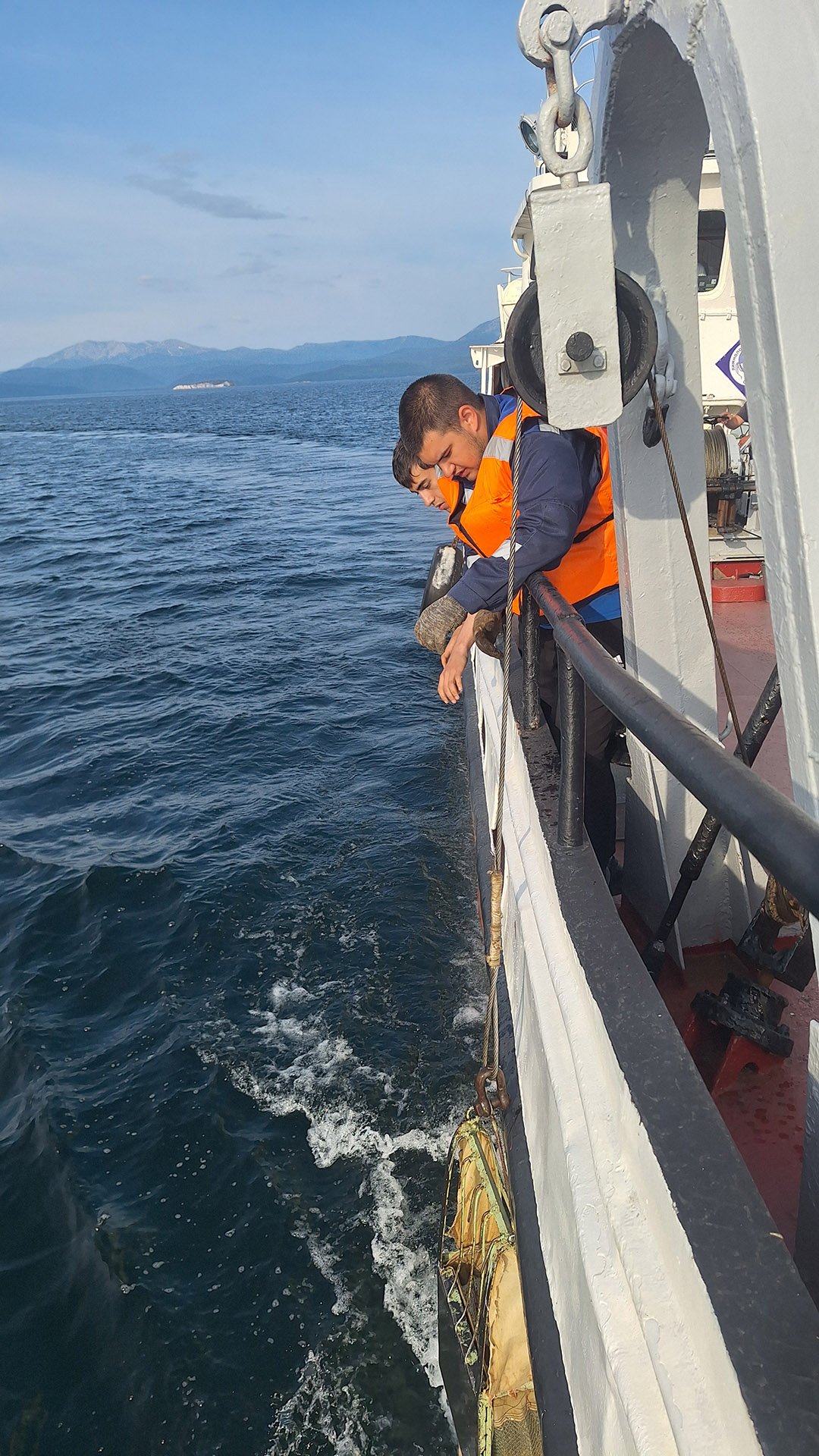
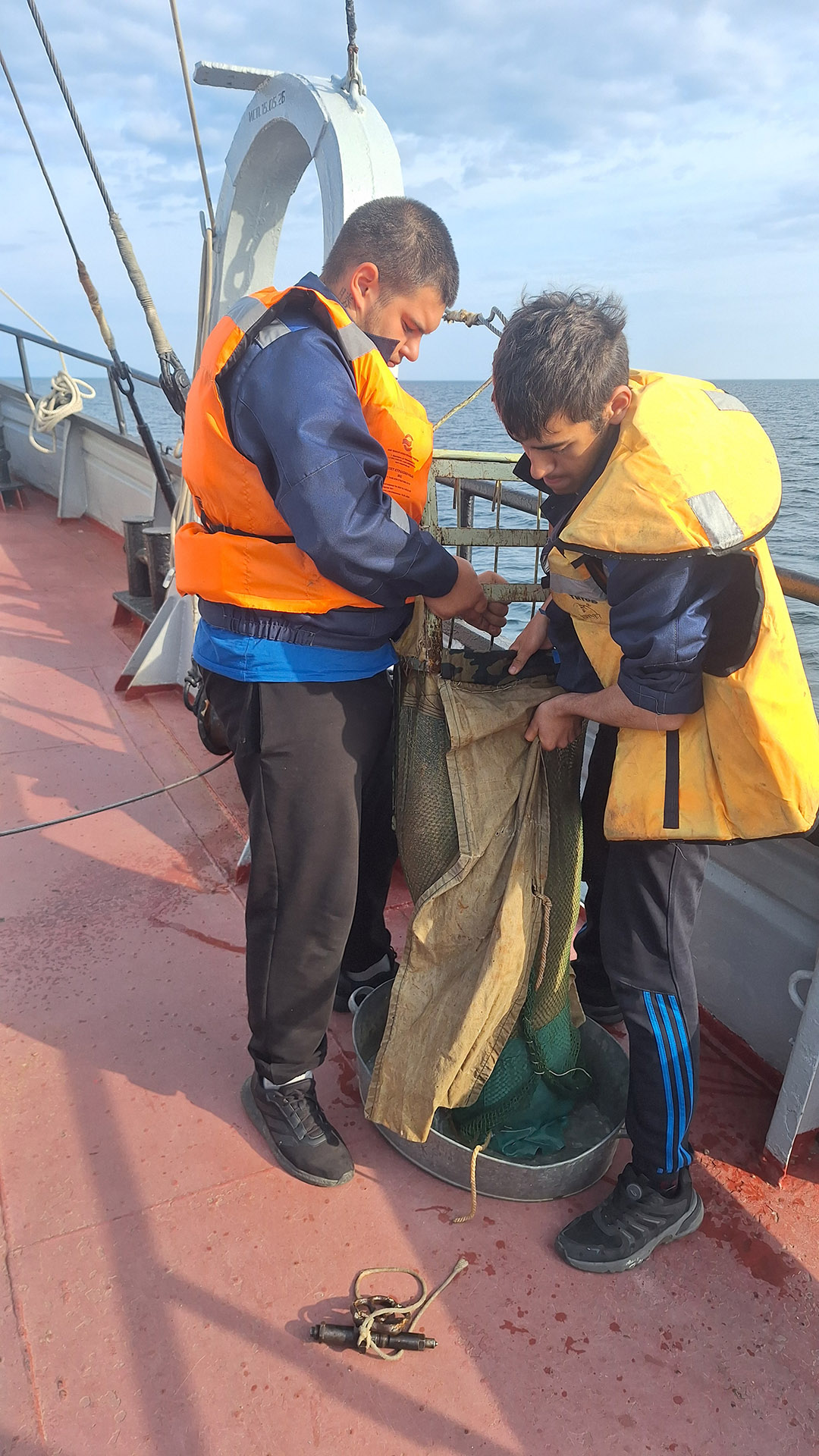
As part of the study of the endemic Trichoptera fauna of Lake Baikal, caddisfly larvae were collected in Boguchanskaya Bay and the transect of Chivyrkuisky Bay. Sampling was performed with a dredge at depths of 7–20 m. According to preliminary data, larvae of the Baikal endemic species Protobaicalina multispinosa, whose larval stage has not been described, were collected from Boguchanskaya Bay. In the laboratory of the R/V Titov, DNA was extracted from the abdominal segments of the larvae for species identification by genetic barcoding. The case and larval fragments bearing diagnostic characters were preserved in ethanol for species identification by classical methods by specialists of LIN SB RAS.
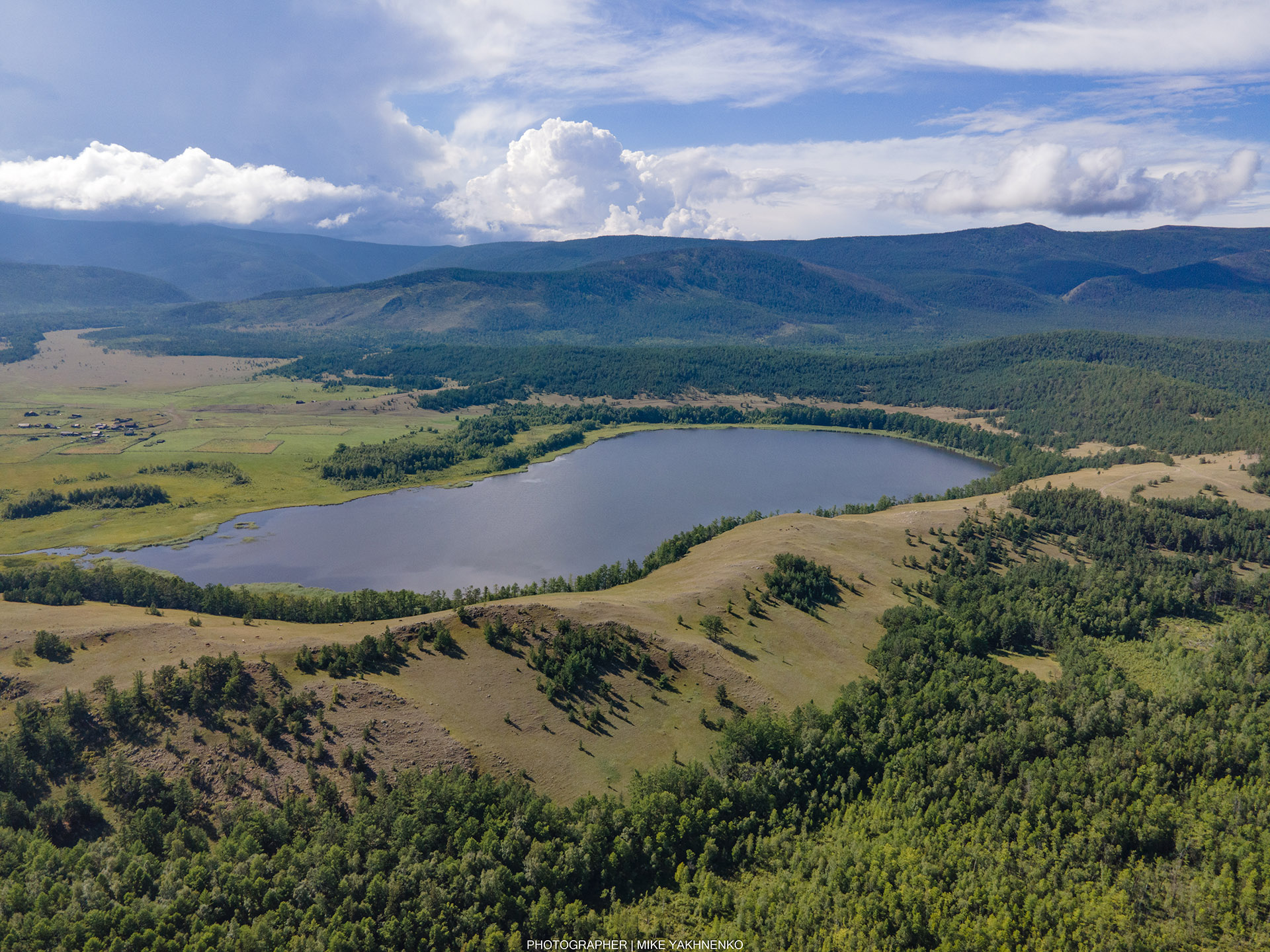
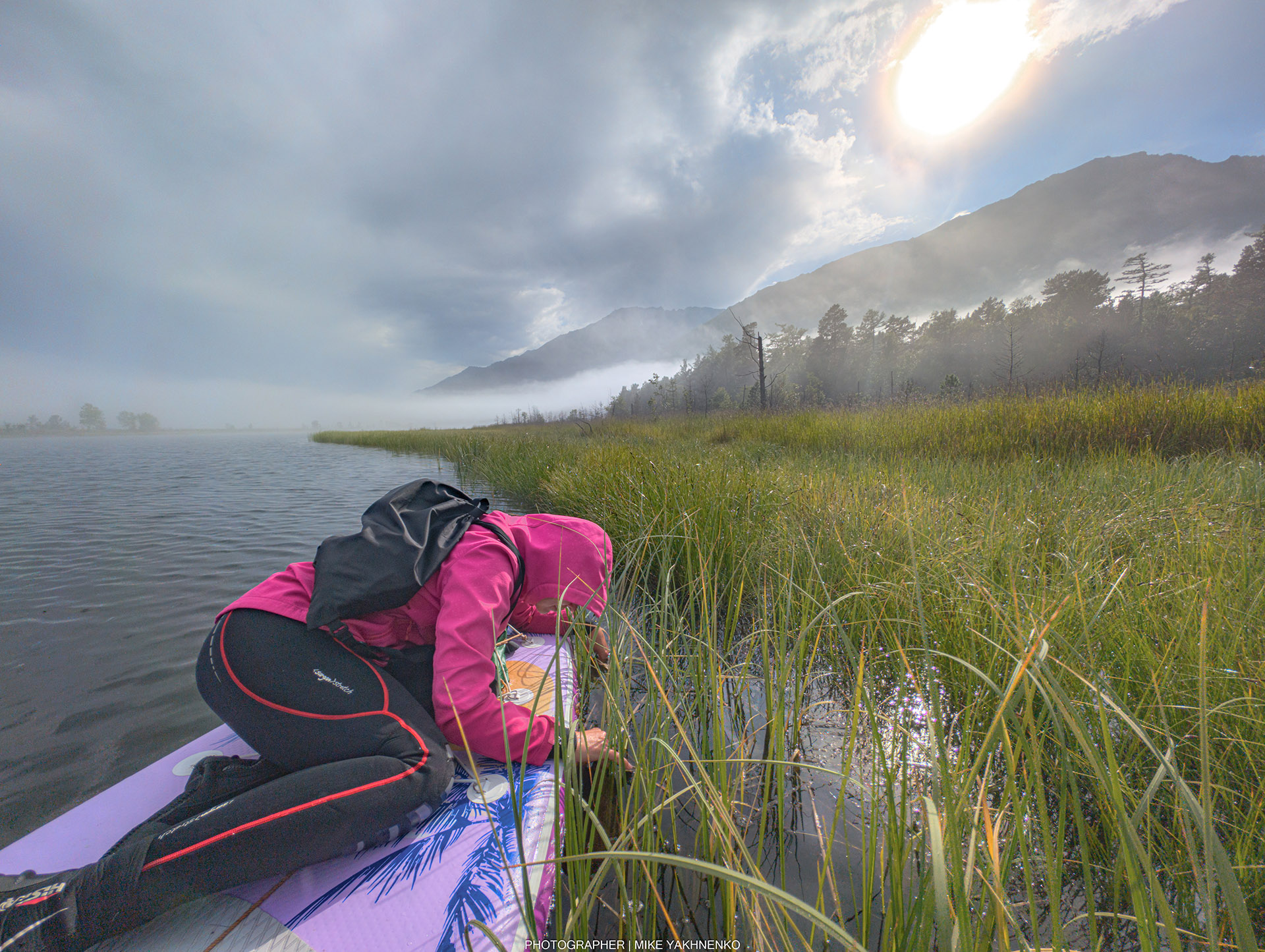
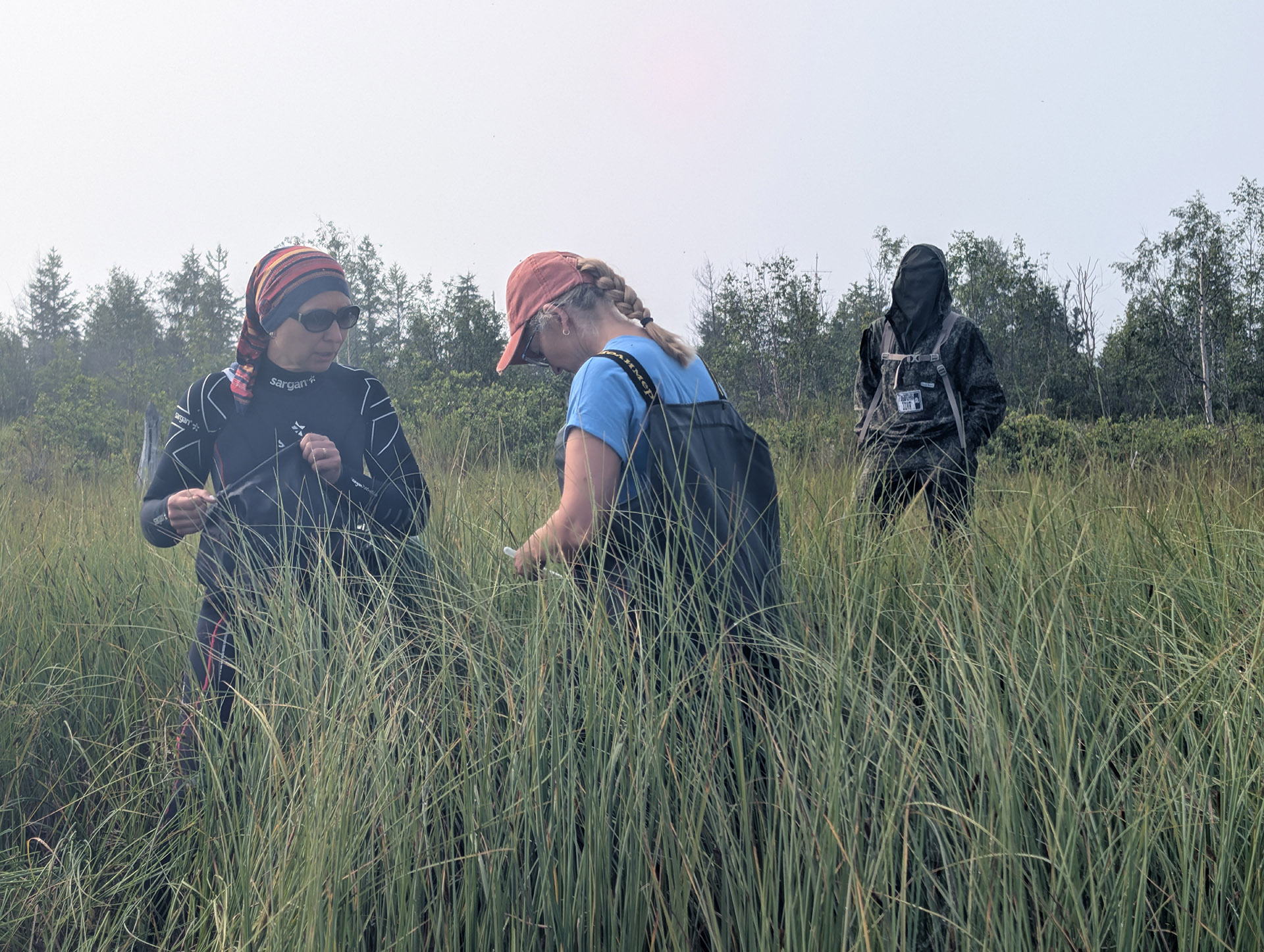
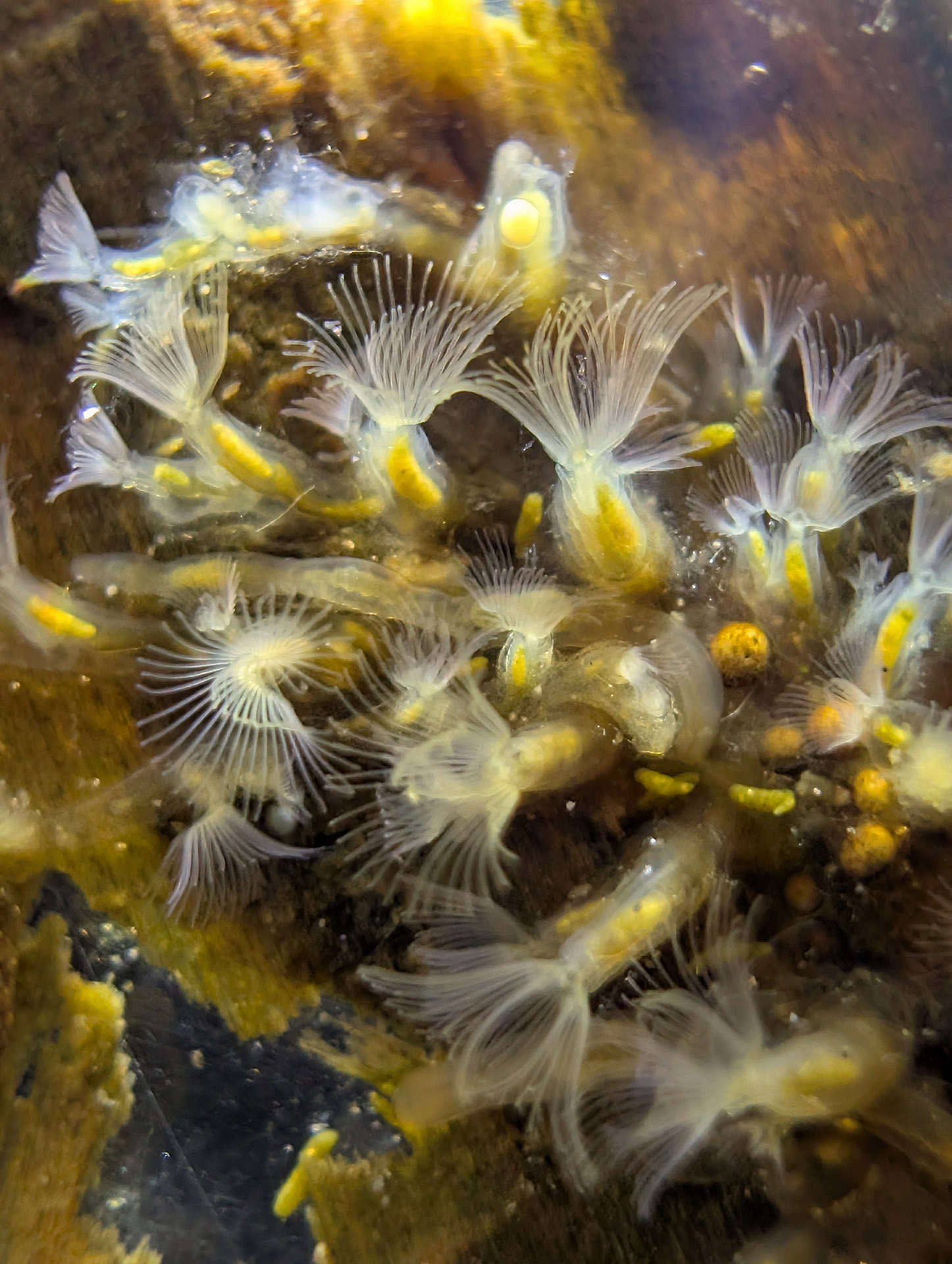
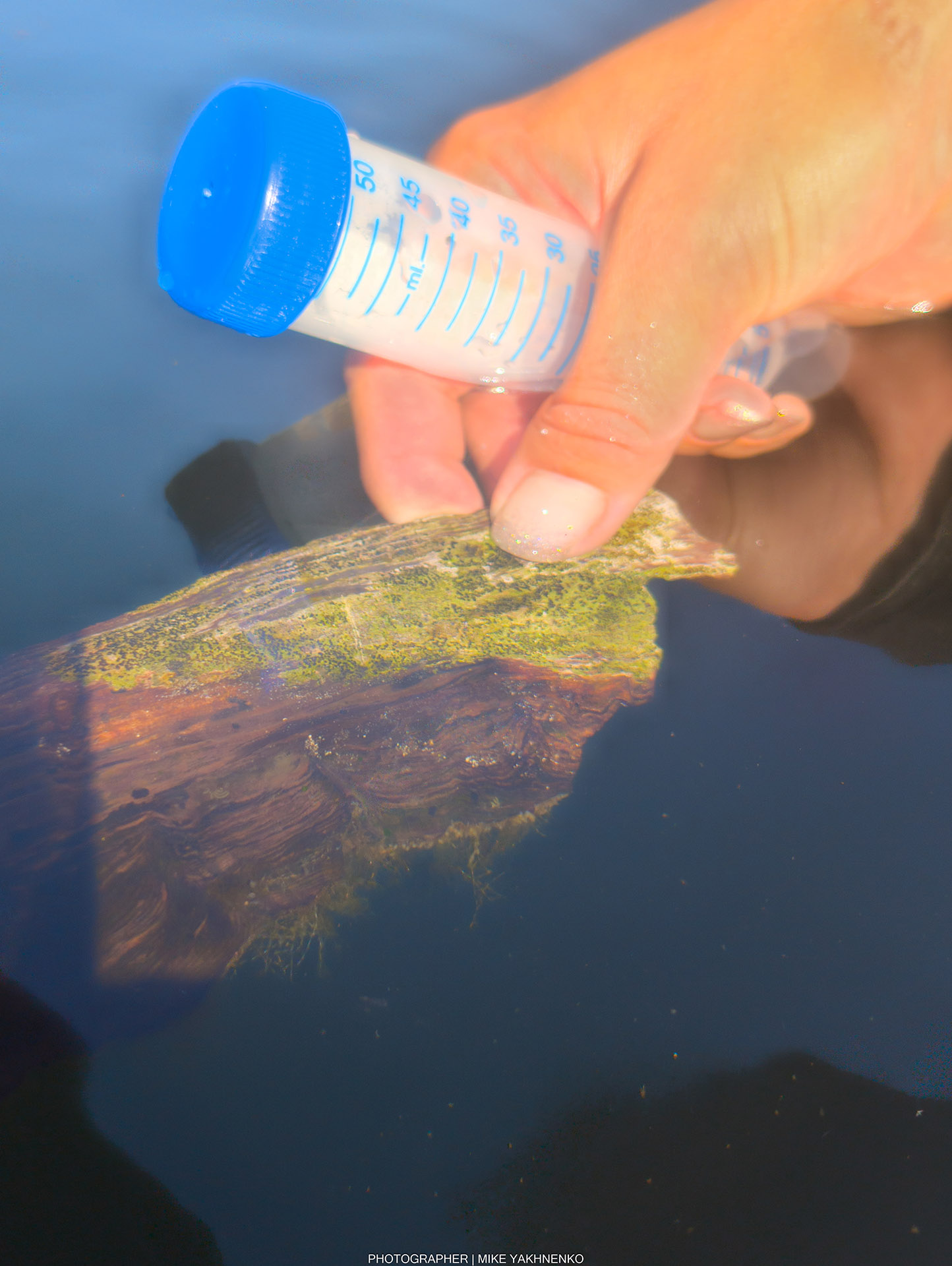
To study the species diversity and genetic polymorphism of bryozoans in the Baikal region, representatives of this group of aquatic organisms were collected in water bodies of the coastal-sor zone of Lake Baikal (Vydrino, Murino, the Pereyemnaya River, Posolsky Sor, Proval Bay, Chivyrkuisky Bay, Lake Kudaldinskoye, the Tompuda River, Bolsodey Bay, Lake Kovrizhka, the lake near Cape Maly Solontsovy, the lake near Cape Bolshoy Solontsovy, the lake near Cape Bolshaya Kosa, Lake Srednekedrovomysskoye, and Lake Ekhë-Nur). In the zooperiphyton collections, based on colony morphology and statoblasts, the presence of H. placoides, P. articulata (class Gymnolaemata), F. sultana, H. fruticosa, P. repens, P. fungosa, and C. mucedo (class Phylactolaemata) was established. In Lake Kotokel, bryozoans assigned to Plumatella sp. 1 were found, and in the Tompuda River and Bolsodey Bay — Plumatella sp. 2. Accurate species identification of these bryozoans requires detailed morphological and molecular-genetic analysis. Based on the taxonomic identification results, whole-genome sequencing will be performed for some of the species in order to investigate the structural features of mitochondrial genomes, as well as to search for different groups of DNA repeats in nuclear genomes to study their functions and evolutionary aspects of their appearance in bryozoan genomes.
Work continues on the study of ecological features of the distribution of aquatic organisms in Lake Baikal and adjacent water bodies. To this end, at all sampling sites, the main water parameters (temperature, pH, electrical conductivity) were measured, dissolved oxygen concentration was determined, water samples were taken for analysis of biogenic elements and organic matter, and were transferred to specialists of LIN SB RAS.