


Expedition on the R/V Academik V.A. Koptyug on July 17-28, 2026
On July 17-28, 2026, comprehensive expeditionary studies were conducted on the R/V Akademik Koptyug within the state assignments “Investigation of the components of the carbon cycle, biogenic elements, and other chemical substances in natural objects of the Baikal region under climate change and anthropogenic loads” and”.
The aim of the work was to conduct experimental observations of the content of aerosol-gas impurities, meteorological characteristics of the atmosphere over the pelagiс zone of Lake Baikal, and analysis of the water quality of its inflowing tributaries.
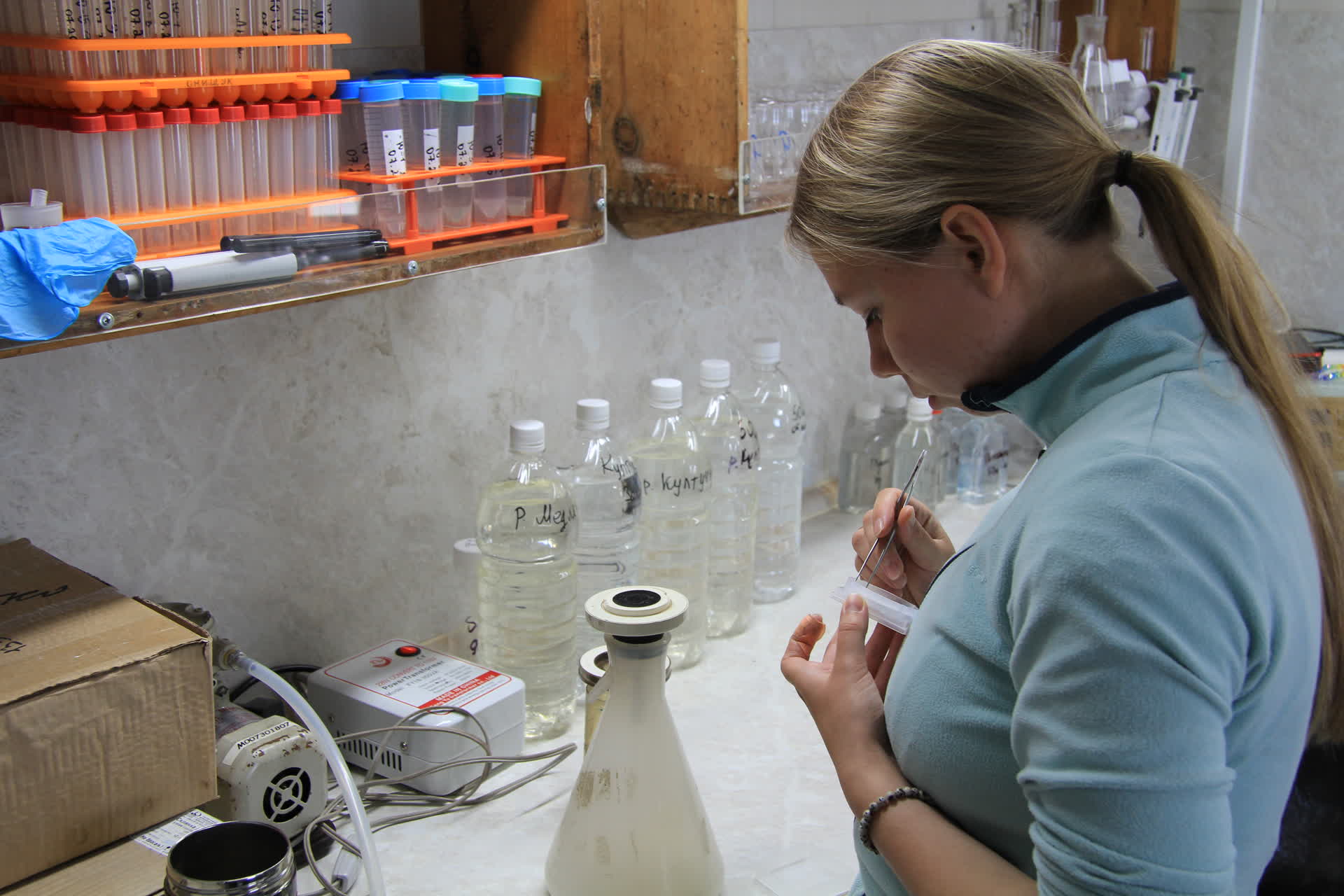
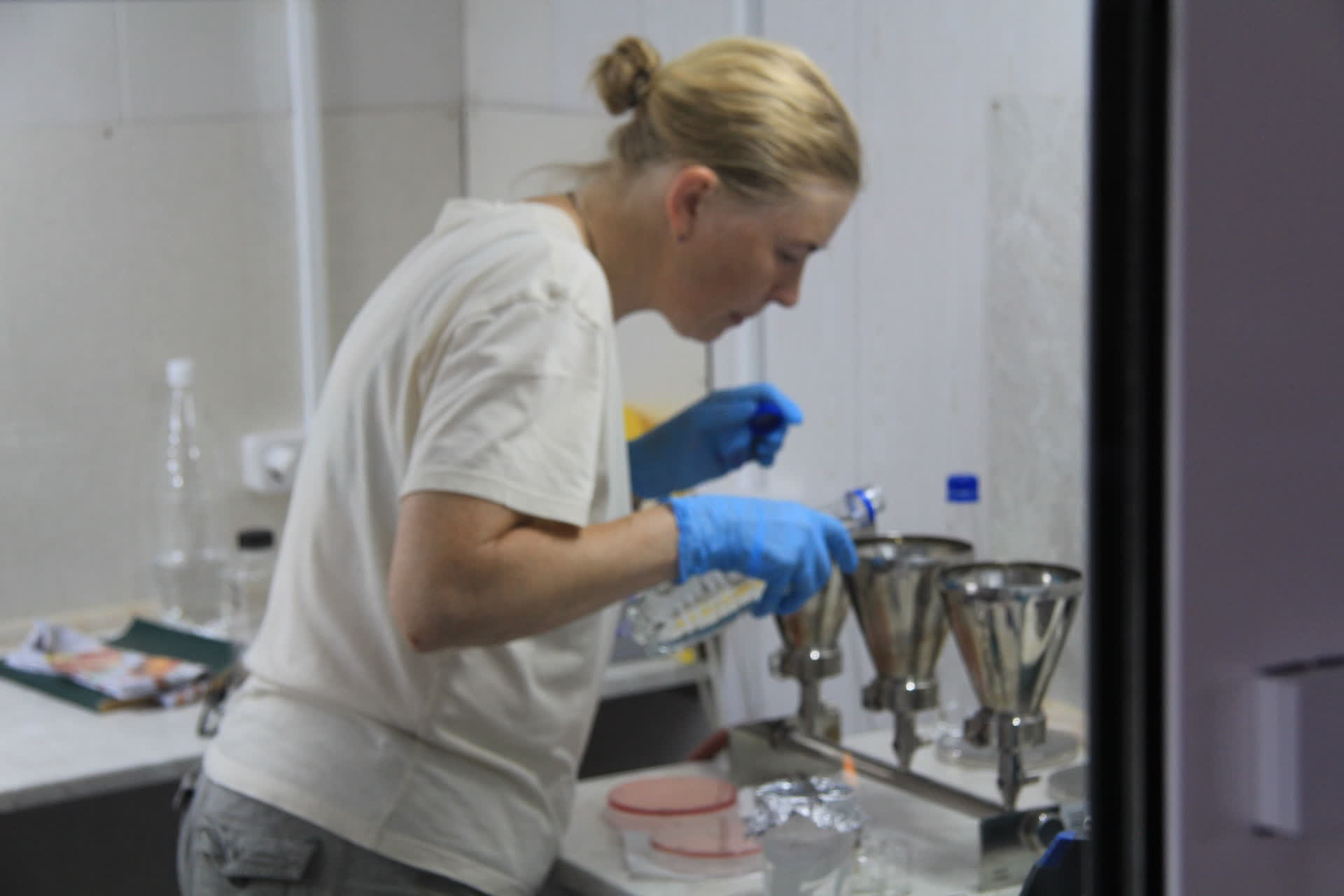
During the expedition, water samples and bottom sediments were collected for chemical analysis, determination of sanitary-microbiological parameters, and measurement of dissolved methane concentration. In total, water samples were collected at 53 stations, and bottom sediment samples at 20 stations.
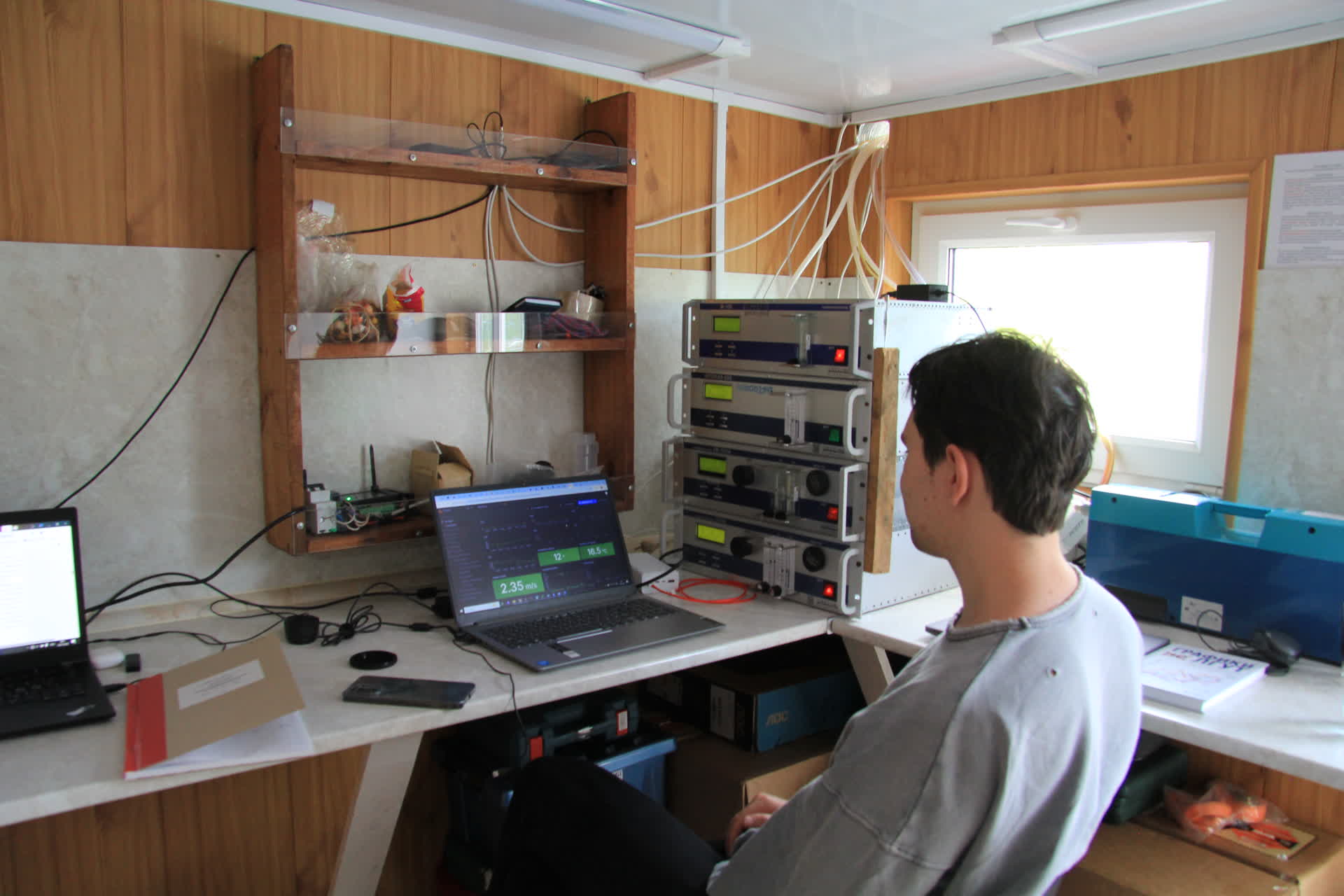
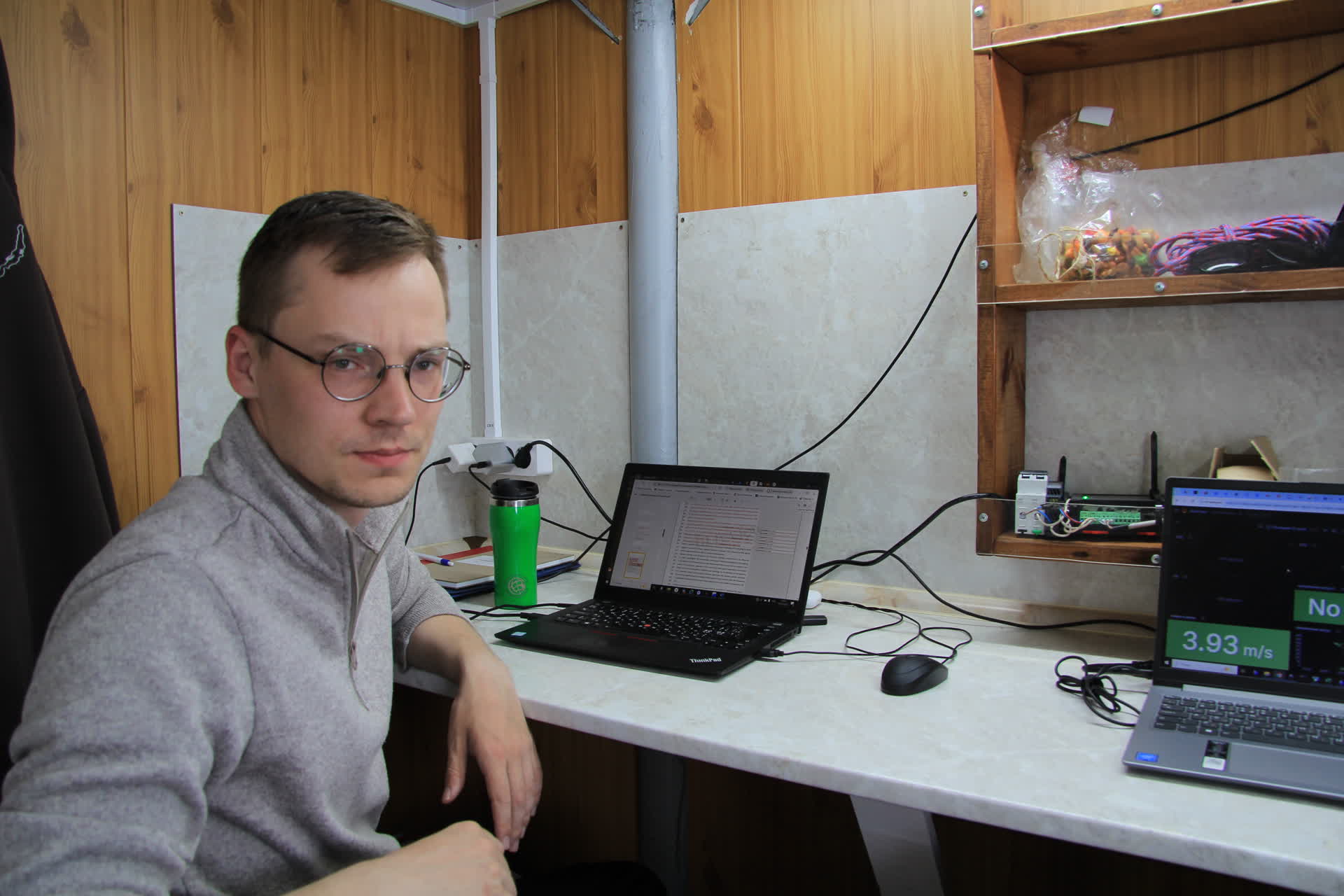
Underway, continuous recording was performed of water temperature, concentrations of dissolved CO₂ and CH₄, main meteorological parameters in the surface atmospheric layer, concentrations of aerosol (PM1, PM2.5, PM10) and trace gas impurities – sulfur dioxide, ozone, methane, carbon and nitrogen oxides, as well as gaseous elemental mercury.
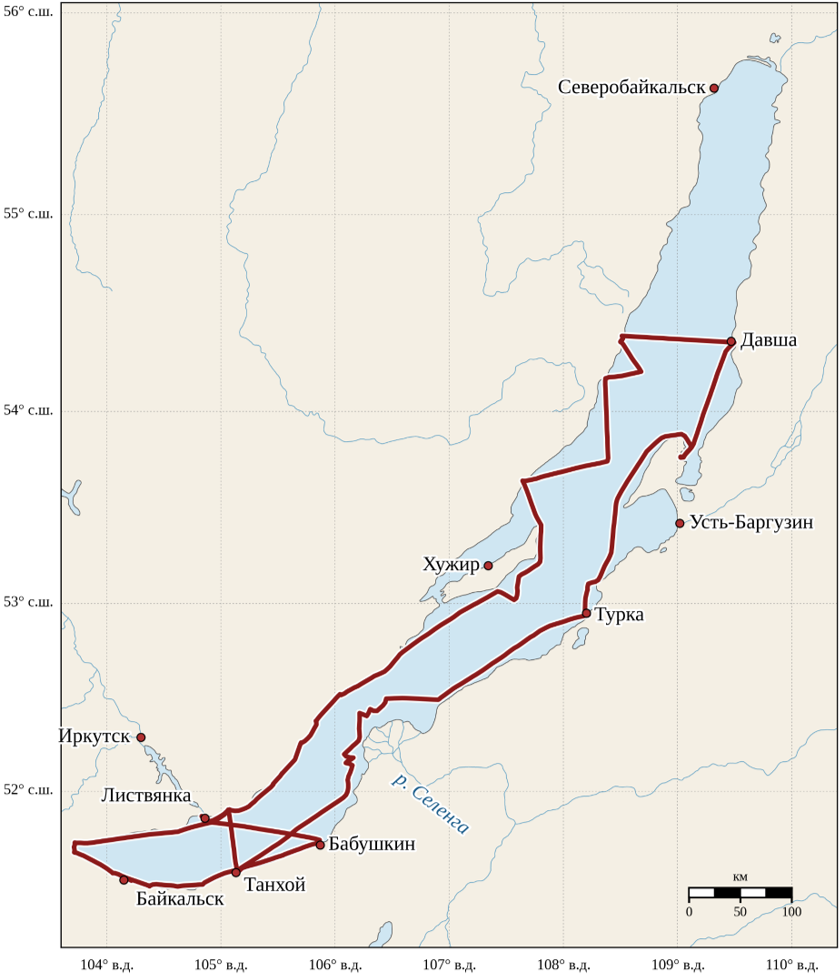
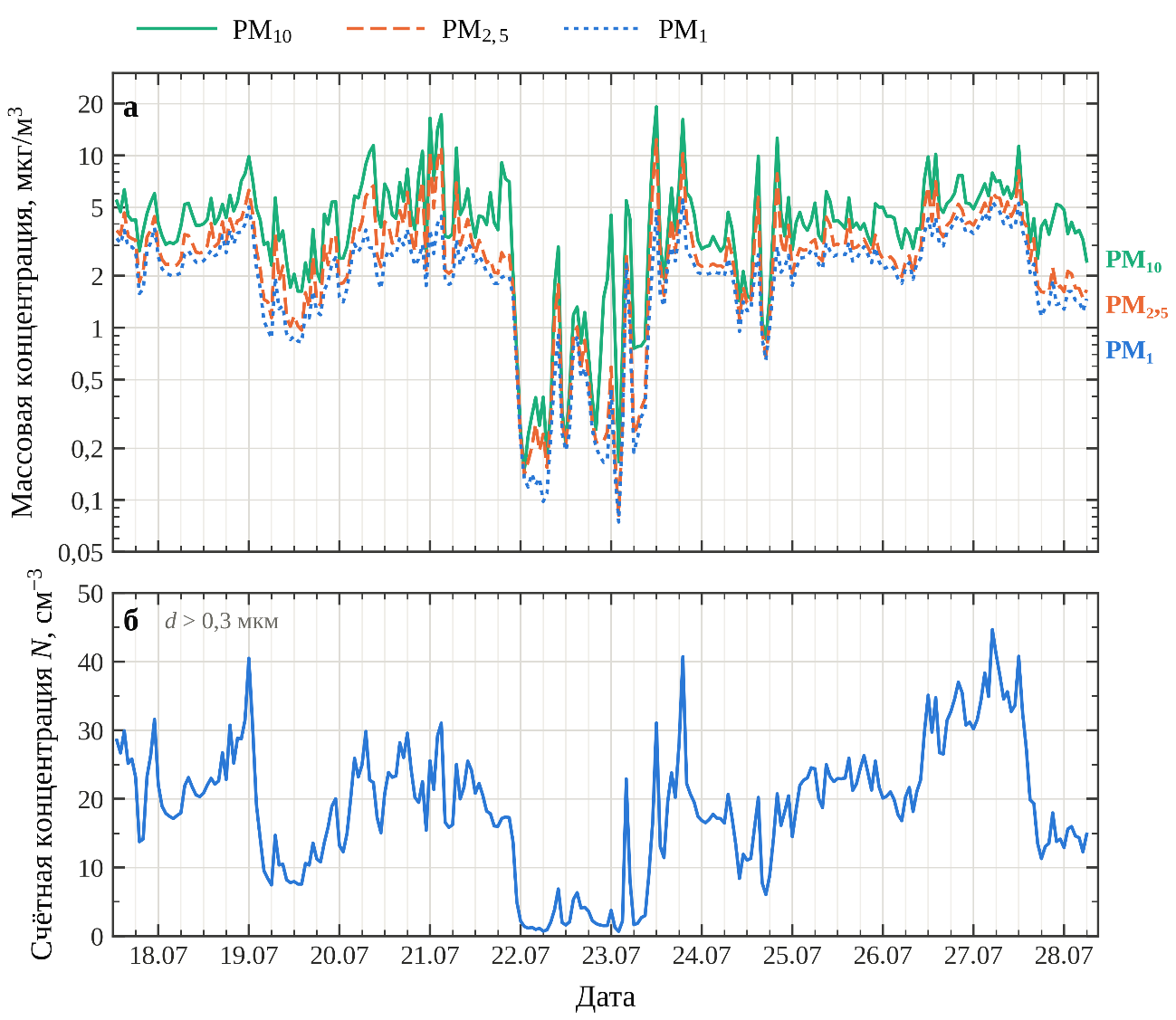
As a result of the experimental observations, the dataset on the concentrations and spatial-temporal variability of aerosol particles (PM1, PM2.5, PM10), trace gas impurities – sulfur dioxide, ozone, methane, carbon and nitrogen oxides, as well as gaseous elemental mercury, was supplemented. The mass concentrations of suspended particulate matter over the water area of the lake correspond to the background aerosol level of regions not experiencing significant anthropogenic impact. The mean concentrations were: PM₁ = 2.2 ± 1.2 μg/m³, PM₂.₅ = 2.9 ± 1.9 μg/m³, PM₁₀ = 4.5 ± 2.9 μg/m³. Fine fraction predominates in the particle size distribution: the PM₂.₅/PM₁₀ ratio is 0.67, and the PM₁/PM₂.₅ ratio is 0.79, which is typical of transformed aerosol of long-range transport with a small contribution of coarse particles. Concentrations decrease from south to north: Southern Basin – PM₁₀ 5.0 μg/m³ (N = 22.2 cm³), Middle Basin – 4.9 μg/m³ (20.0 cm³), Northern Basin – 3.3 μg/m³ (12.2 cm³). The minimum was recorded on July 22–23 in the Northern Basin (PM₁₀ down to 0.15 μg/m³, N down to 0.7 cm³).
The mean gaseous elemental mercury concentration in the surface atmospheric layer over the lake water area during the observation period was 1.50 ± 0.57 ng/m³. This level corresponds to background values and is close to the mean background concentration for the warm season in the coastal zone of Southern Baikal – 1.44 ng/m³. The spatial distribution is unidirectional with that of PM: Southern Basin – 1.61 ng/m³, Middle Basin – 1.48, Northern Basin – 1.34 ng/m³.
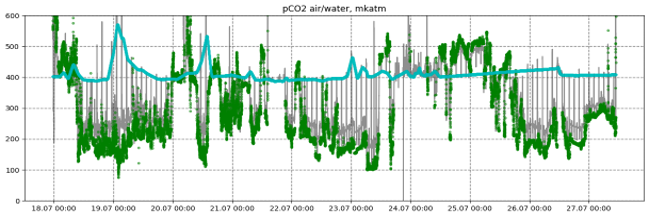
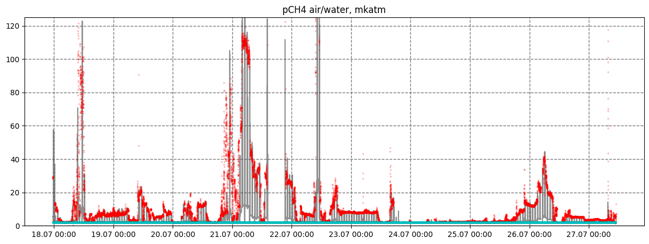
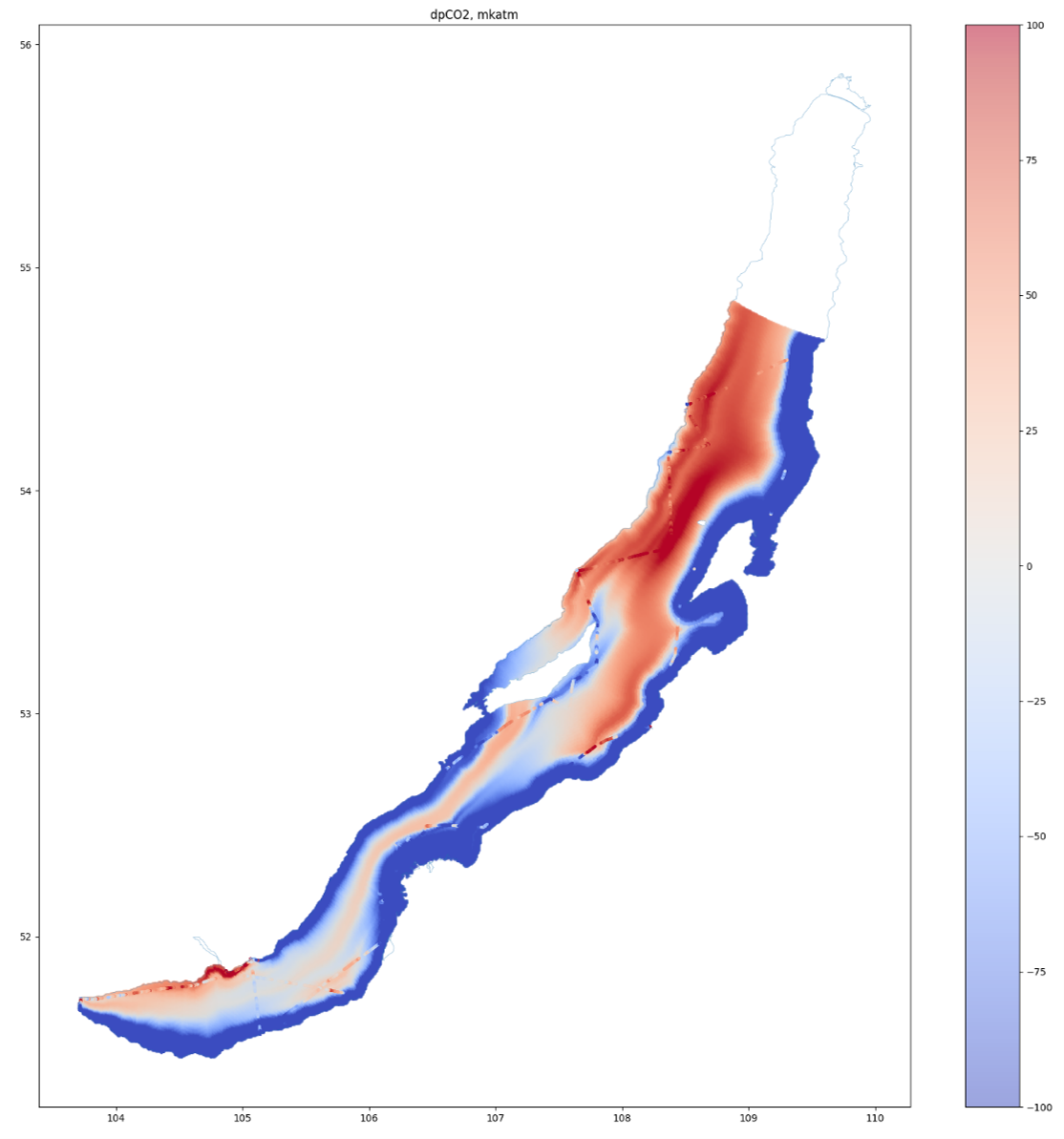
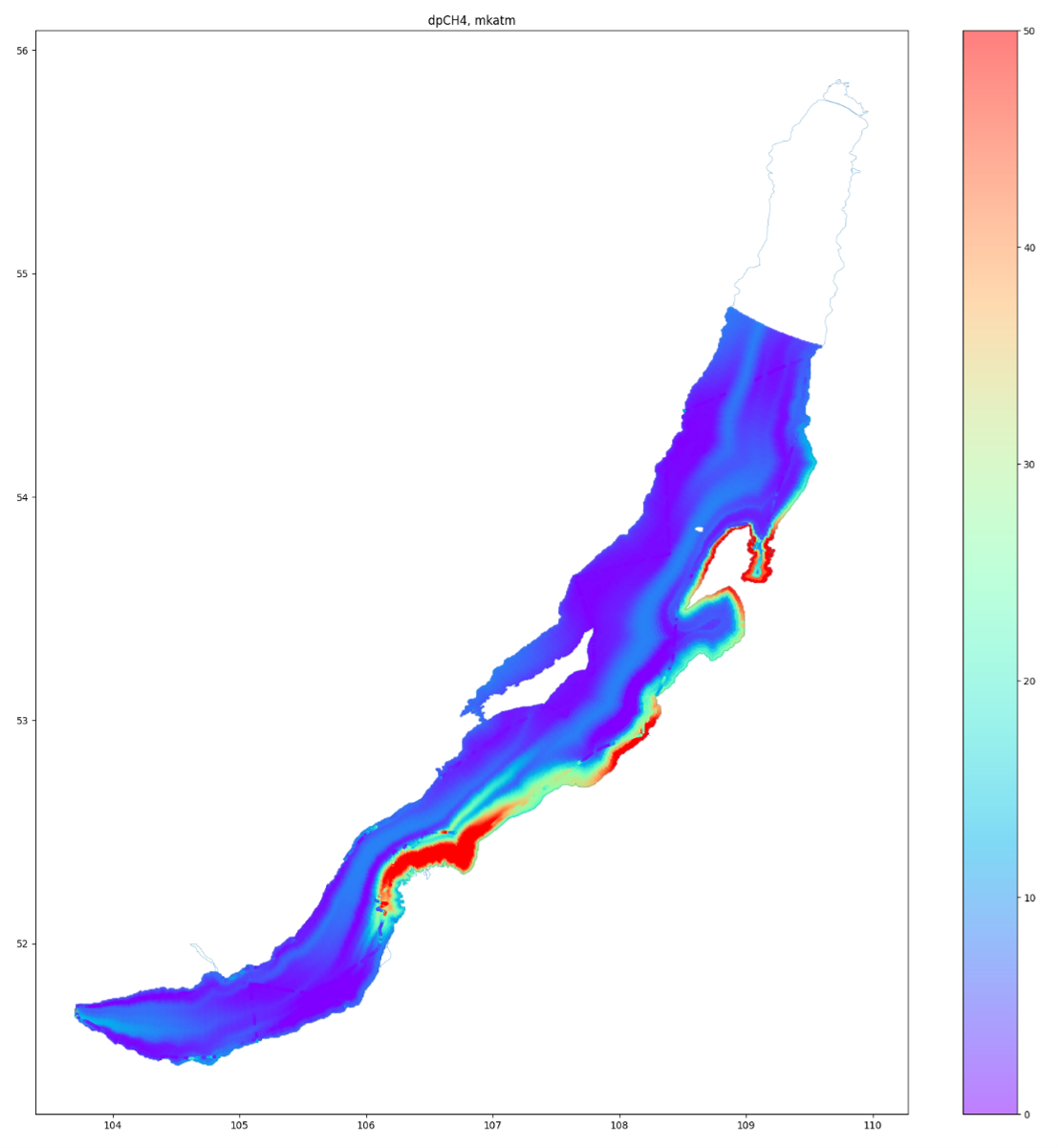
Of particular interest is the spatial distribution of dissolved CO₂/CH₄ in the surface water. This period marks the transition of the thermal regime from spring to summer, when over a significant part of the water area, mainly in the central part, conditions of homothermy are established, favoring vertical mixing.
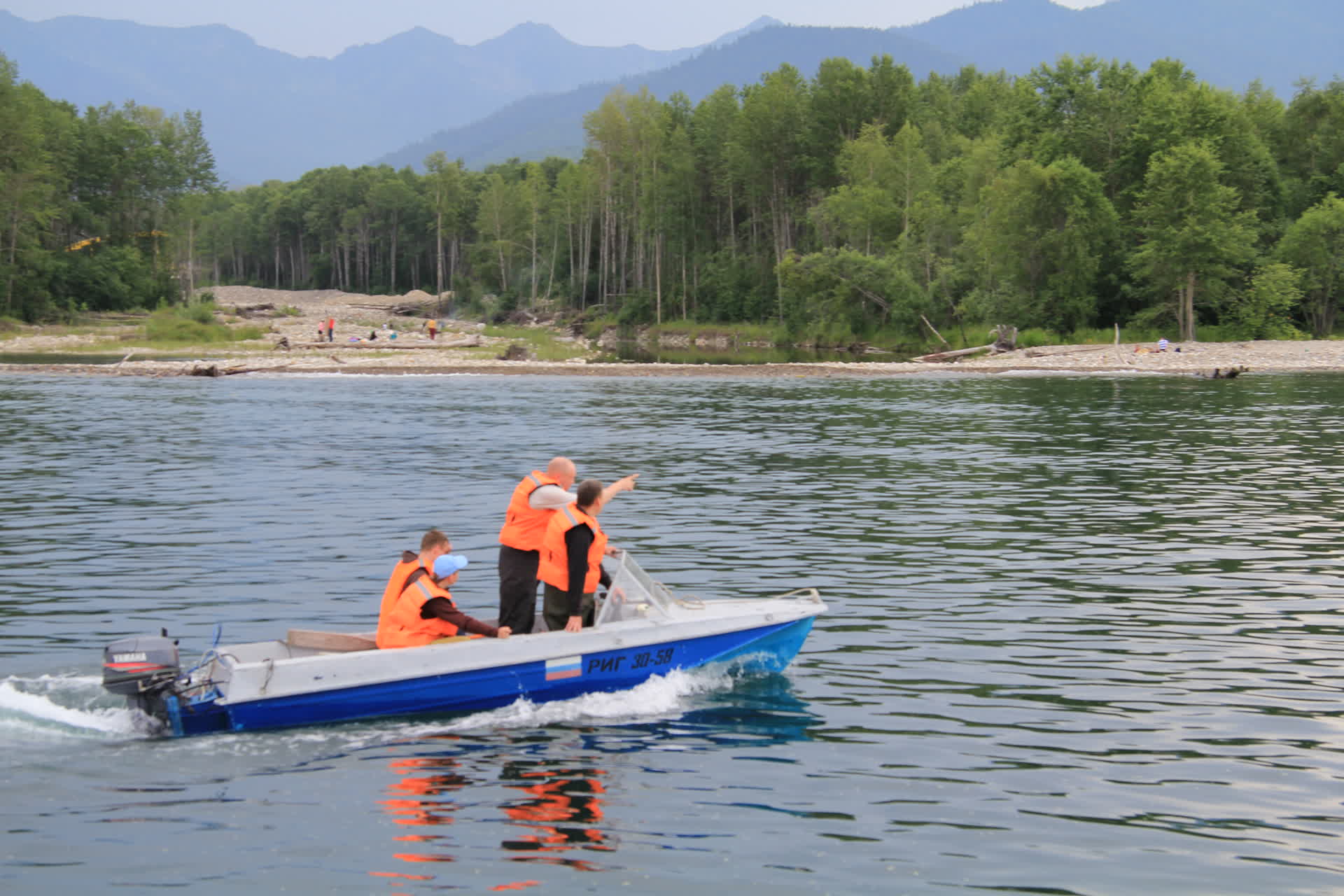
The spatial distribution of methane over the lake water area does not show significant deviations from seasonal characteristics. A slight supersaturation is observed in the central part of each basin, and a noticeable increase in concentrations is observed in shallow waters. The discharge of Selenga waters has a significant influence on the methane distribution. During the expedition, a survey of the Selenga water distribution zone in the area of the river delta (based on methane signatures) was carried out, which will allow refining the estimate of the lake`s carbon balance, since this water area serves as a significant source of methane emissions to the atmosphere. Based on the differences in partial pressures, wind speed, and water temperature, gas fluxes at the water–atmosphere interface will be calculated for the surveyed area. The obtained data are planned to be used for spatial-temporal detailing of the lake`s carbon balance.
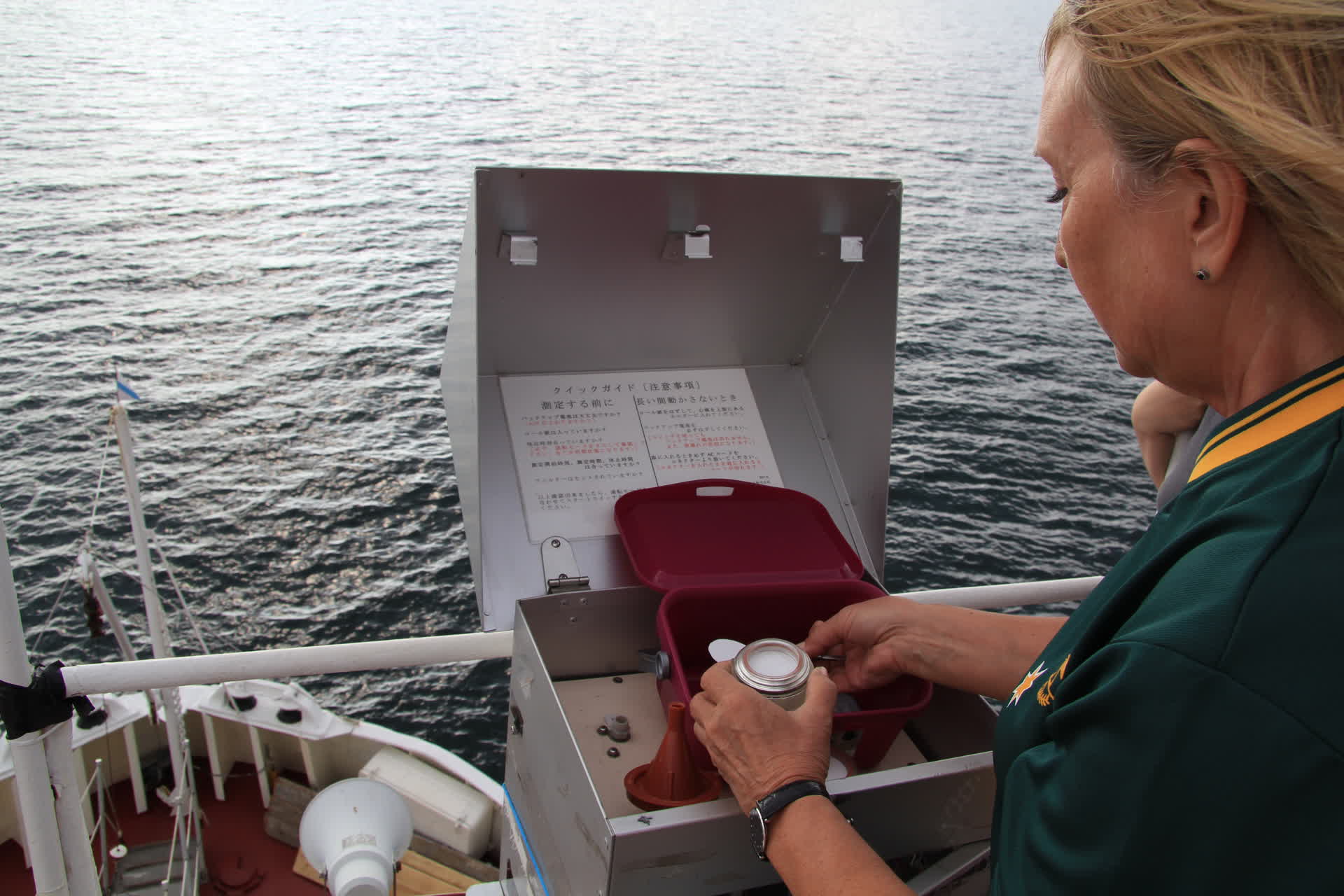
Samples were collected for laboratory studies of the composition of inorganic and organic compounds in atmospheric aerosol. Twenty-one atmospheric aerosol samples were collected for the determination of ionic composition (H⁺, Сa ²⁺, Mg ²⁺, Na⁺, K⁺, NH₄⁺, NO₂⁻, NO₃⁻, F⁻, Br⁻, Cl⁻, SO₄²⁻), trace element content (Li, Be, B, Al, Ti, V, Cr, Mn, Fe, Co, Ni, Cu, Zn, As, Se, Rb, Sr, Mo, Cd, Sn, Sb, Ba, W, Pb, Bi, Th, U, Ag, Tl), black carbon, and PAHs (naphthalene, 2-methylnaphthalene, 1-methylnaphthalene, acenaphthylene, acenaphthene, fluorene, phenanthrene, anthracene, fluoranthene, pyrene, retene, benz(a)anthracene, chrysene, benz(b)fluoranthene, benz(k)fluoranthene, benz(e)pyrene, benz(a)pyrene, perylene, indeno(1,2,3-c,d)pyrene, benzo(g,h,i)perylene, dibenz(a,h)anthracene). Chemical analysis of the samples will be performed at the institute`s laboratory.
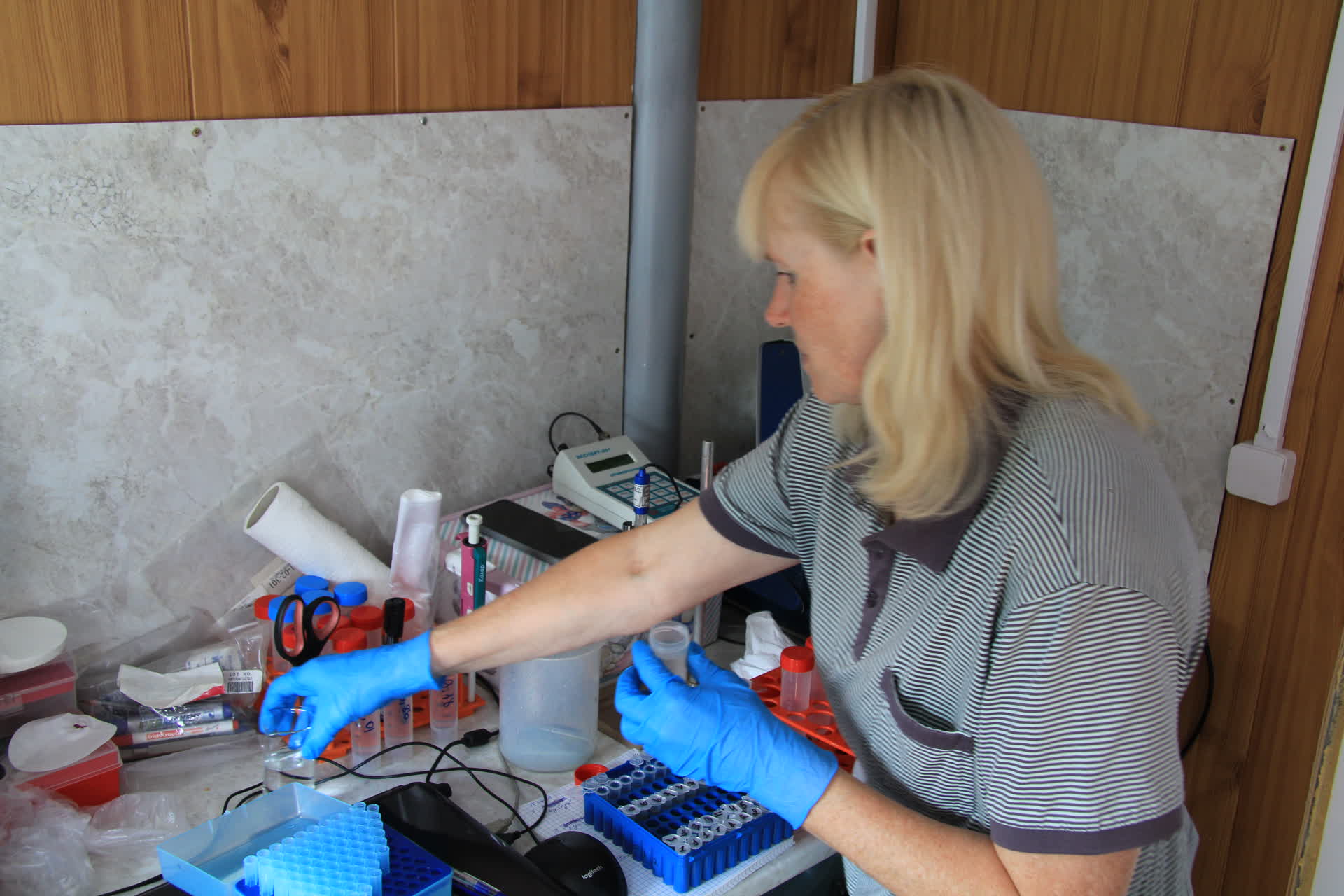
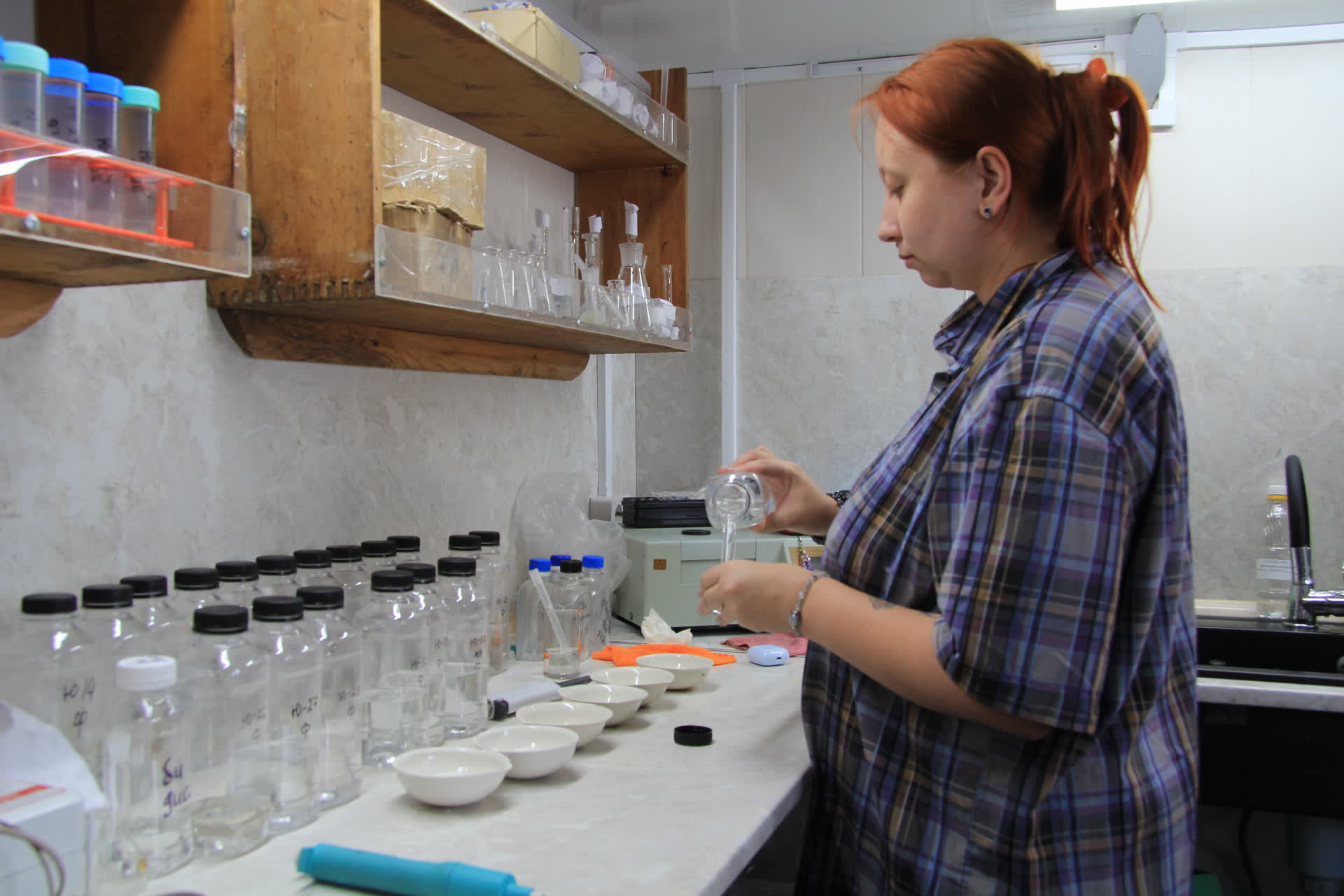
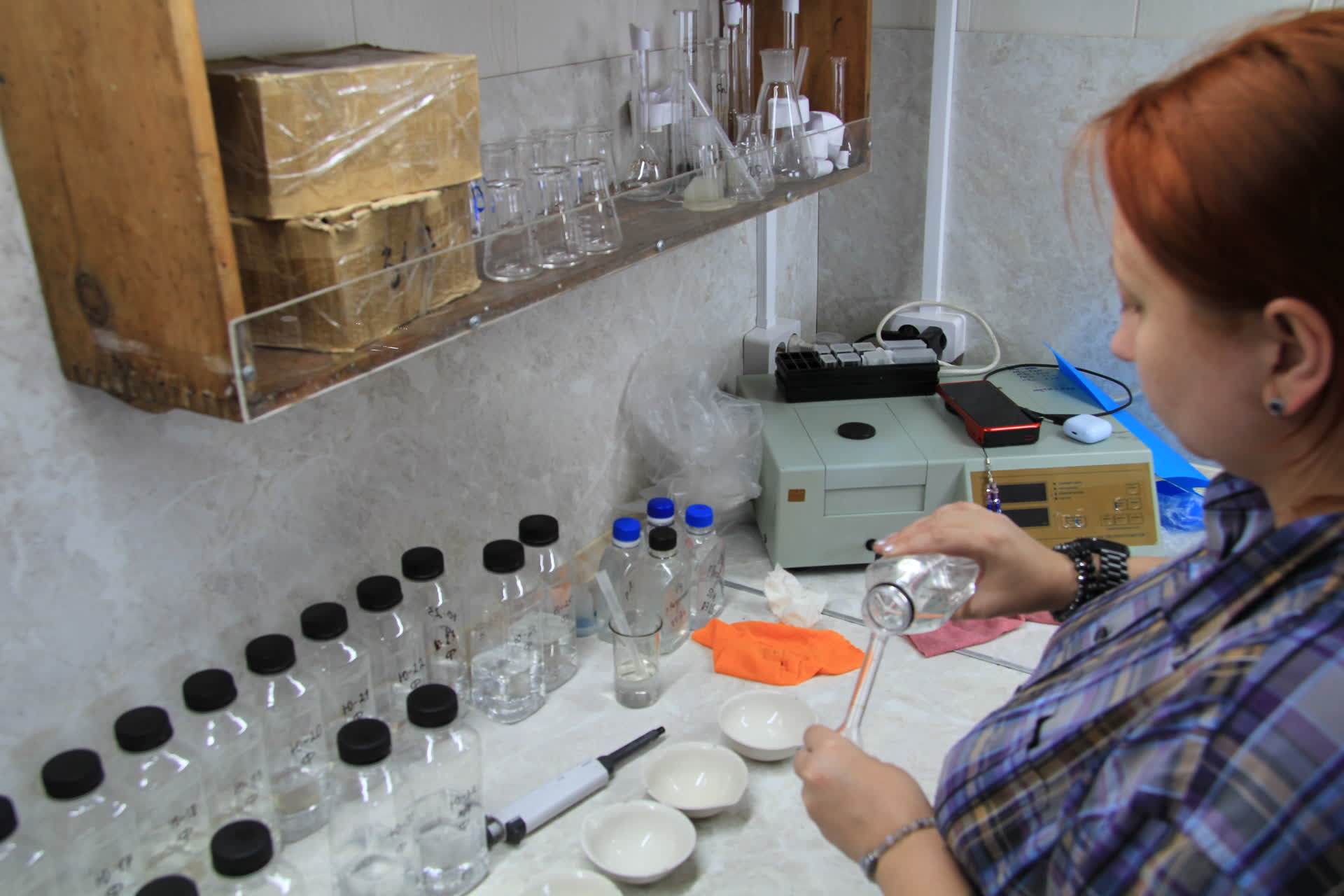
For methane concentration determination, 27 water samples and 20 bottom sediment samples were collected. For the determination of hydrochemical water quality parameters (HCO₃, Na, K, Ca, Mg, Si, NH₄, NO₂, NO₃, PO₄), 53 water samples were collected and analyzed.