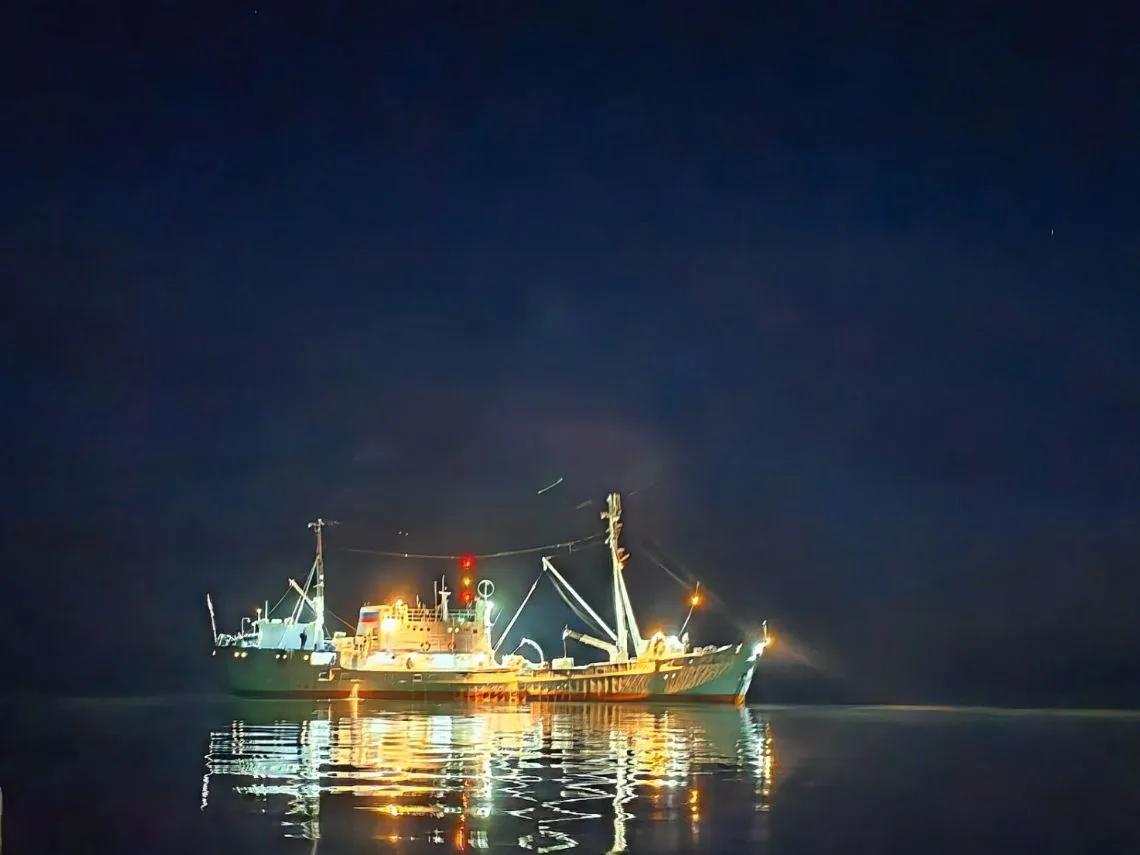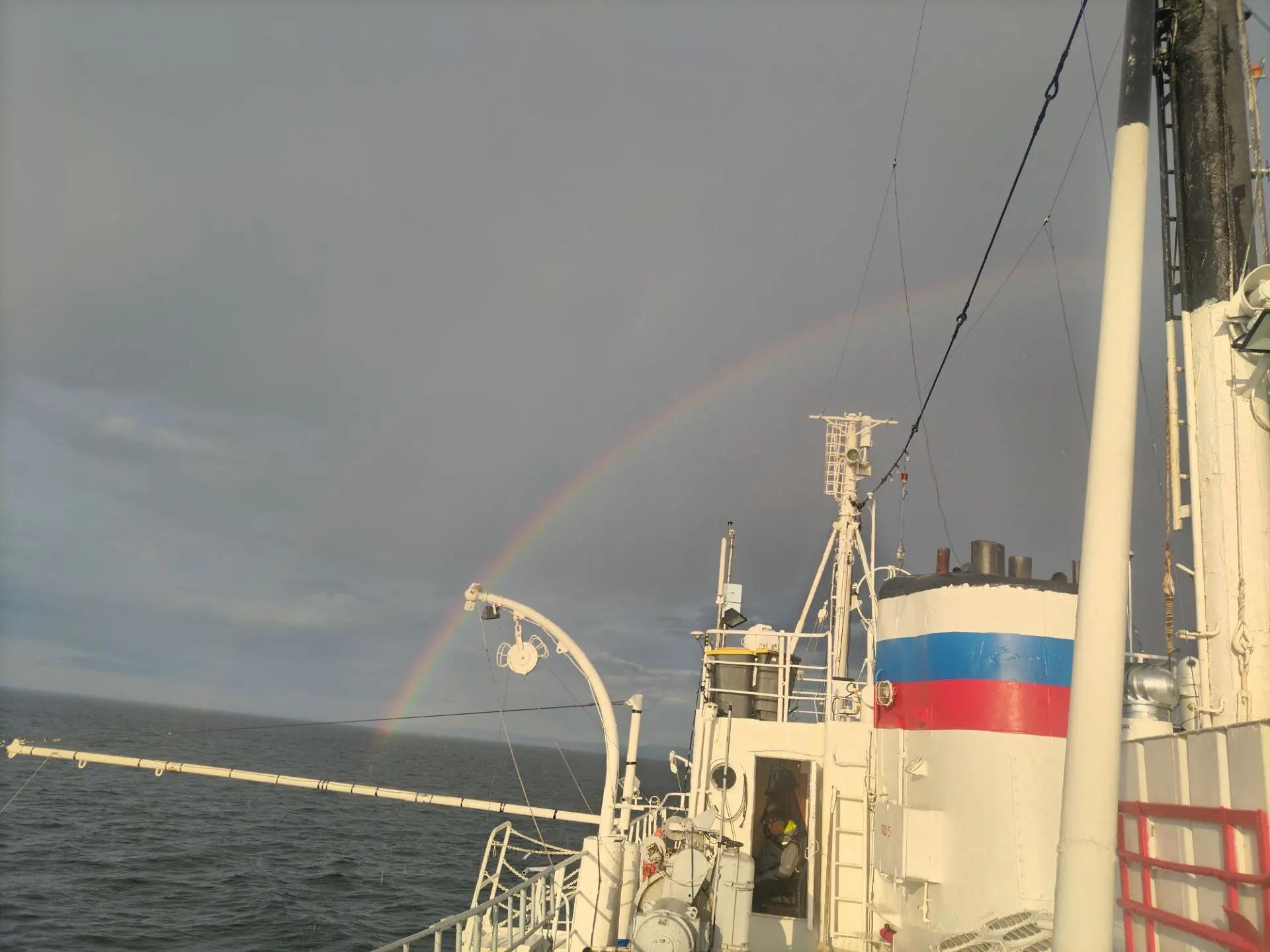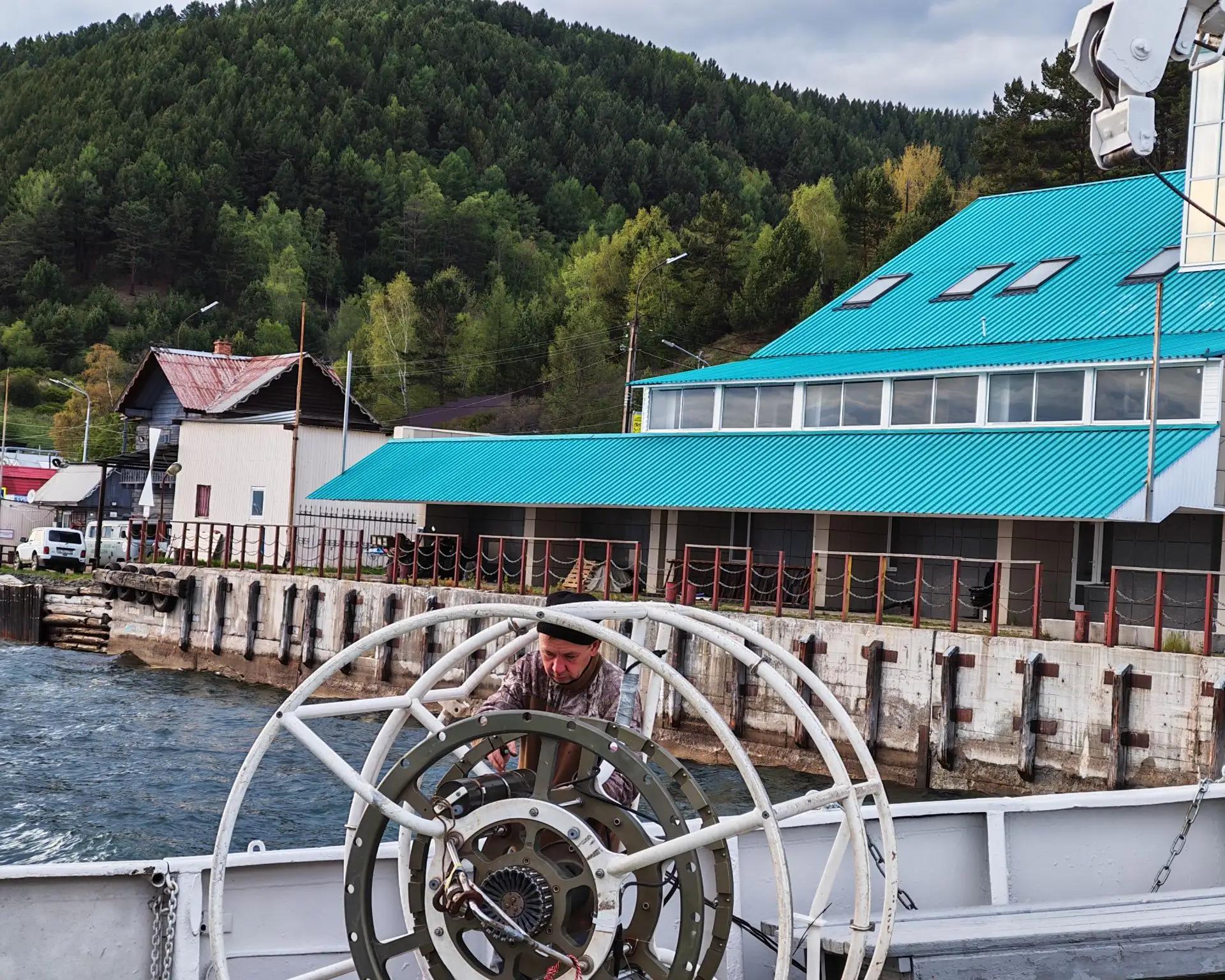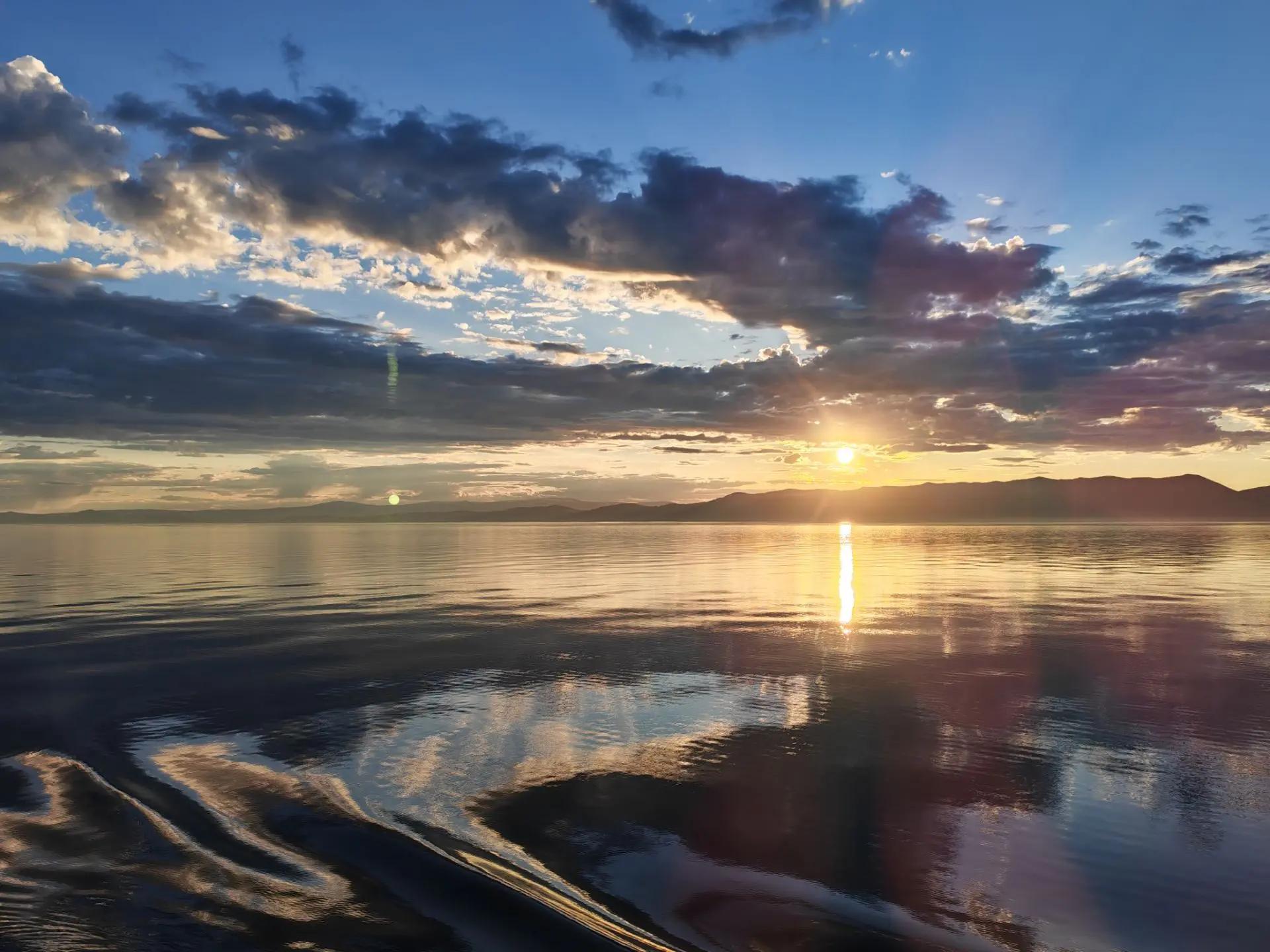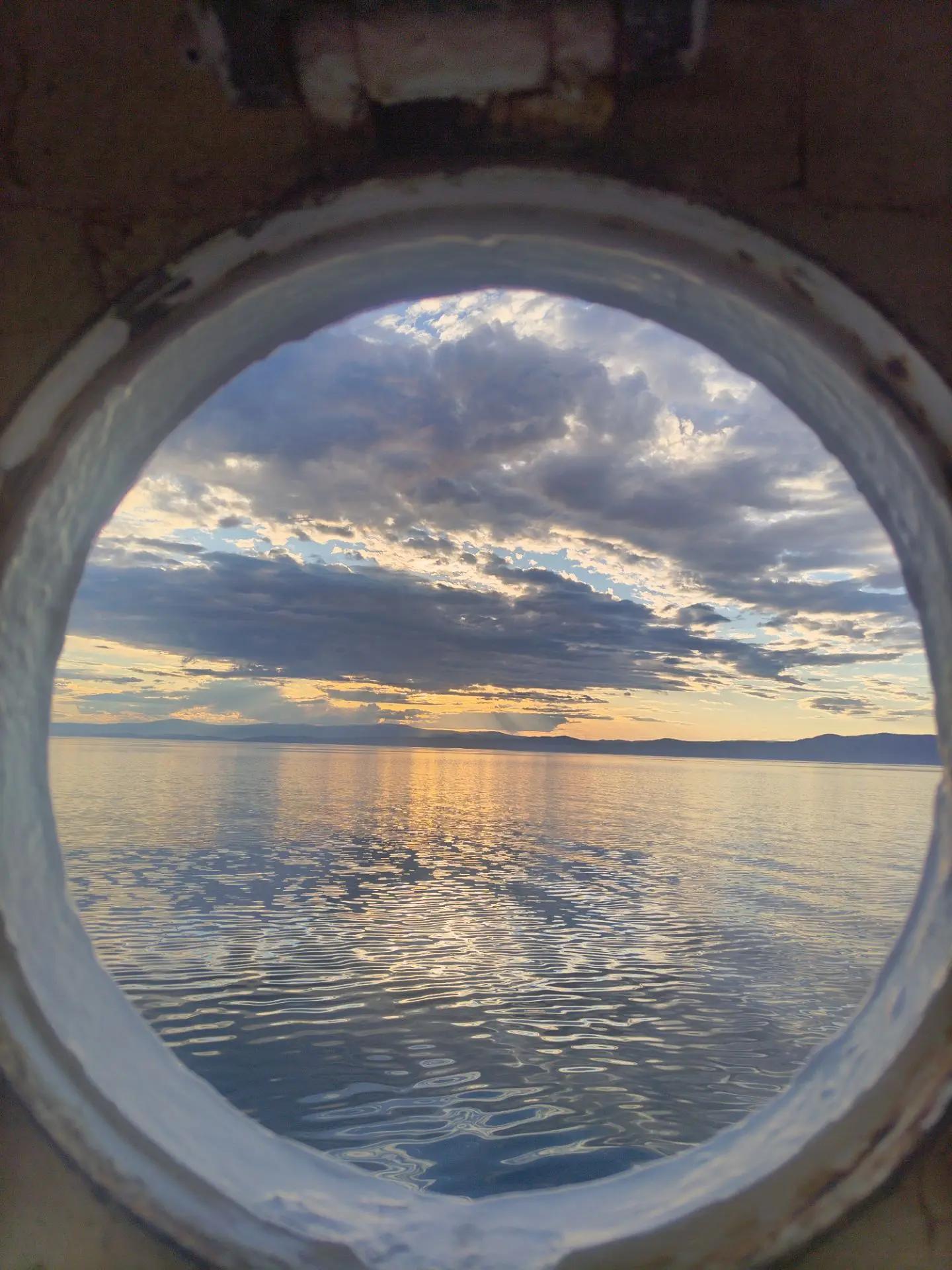



Complex Circum-Baikal expedition on board R/V G.Yu. Vereshchagin on June 2-16, 2026
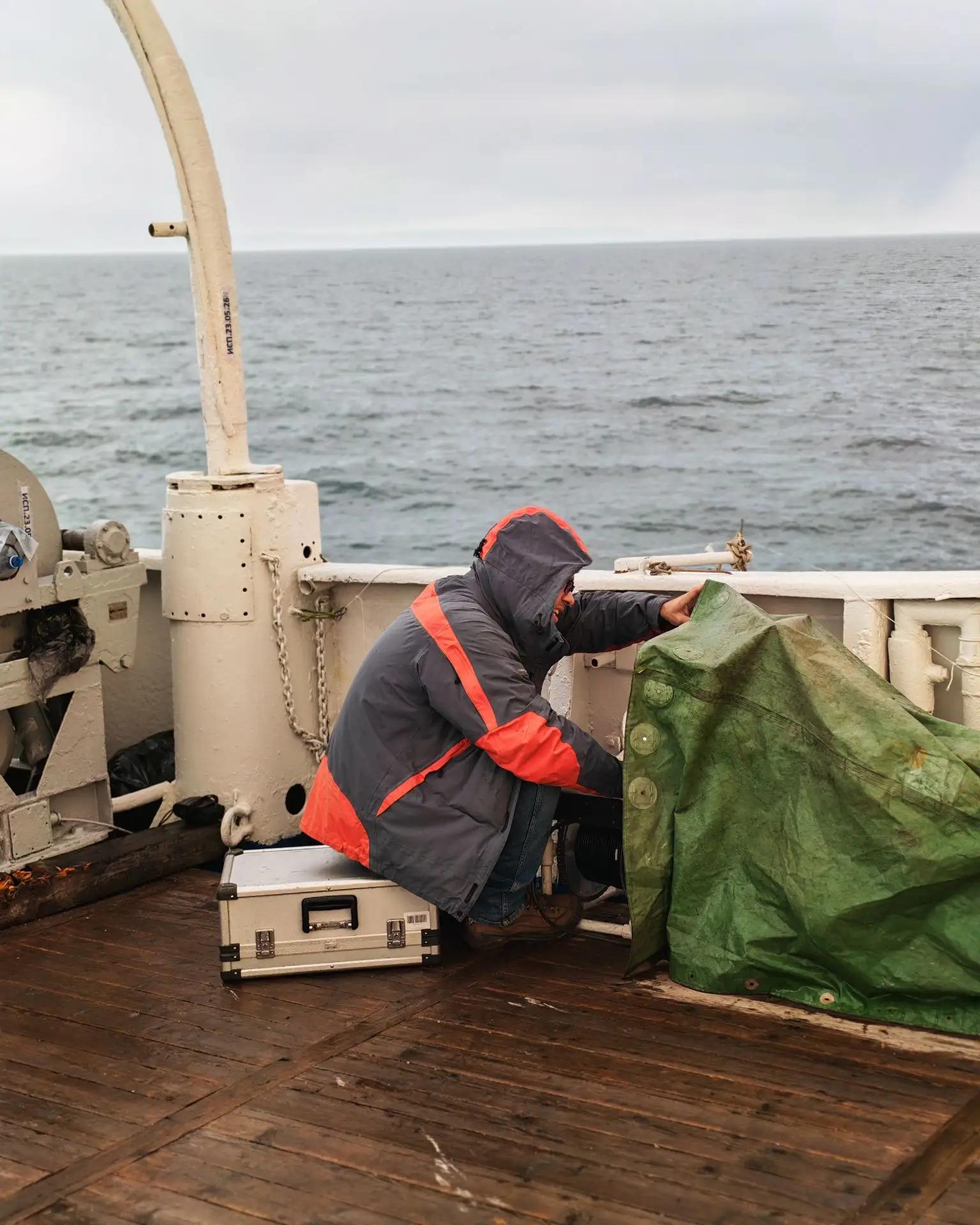
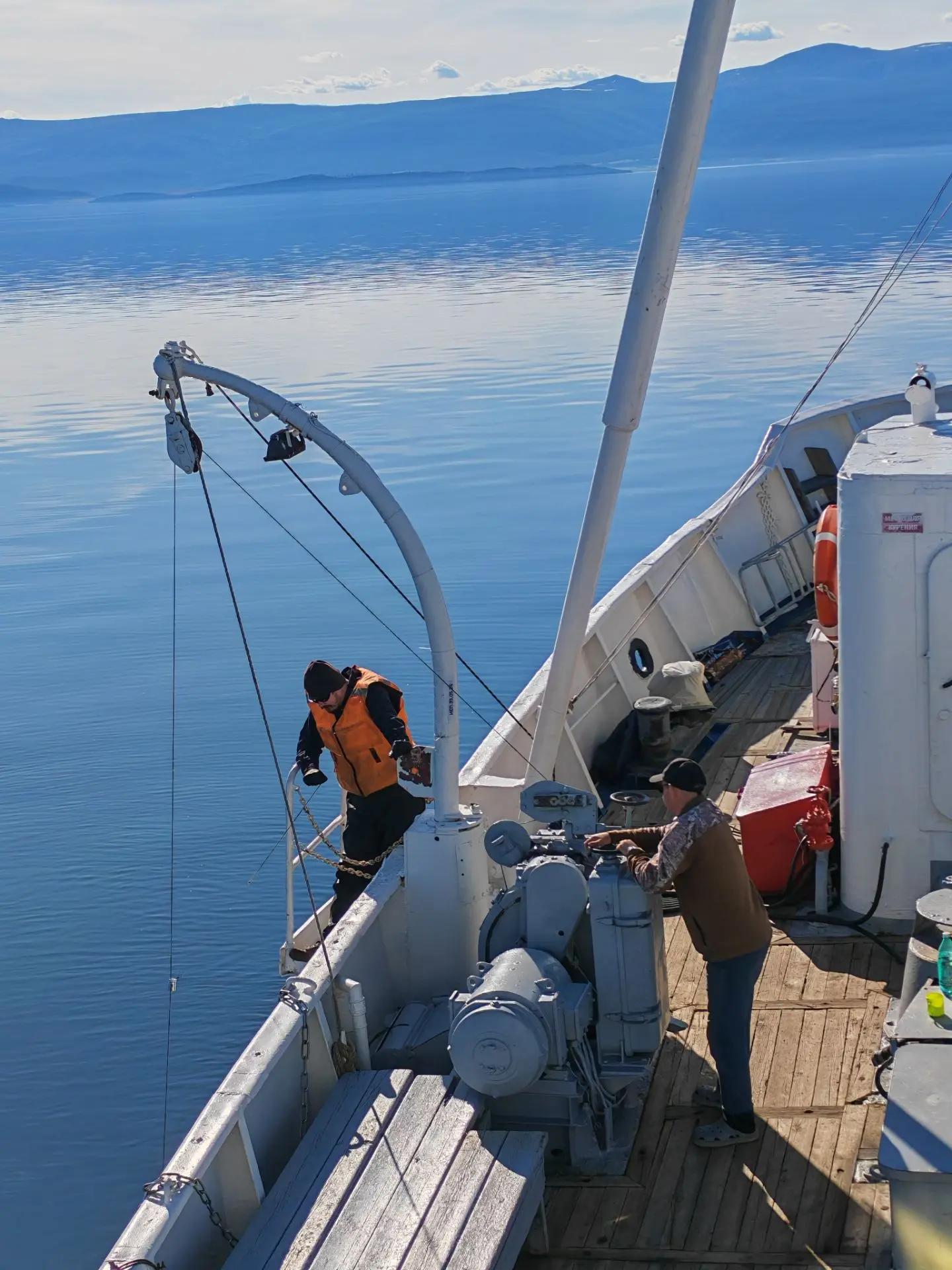
Complex field works were carried out throughout the water area of Lake Baikal on board R/V G.Yu. Vereshchagin within the State Assignments № FWSR-2026-0015 “The influence of abiotic factors of Lake Baikal and adjacent territories of Eastern Siberia on the adaptation and biodiversity of aquatic organisms at the level of environmental, biochemical and molecular genetic characteristics” (led by Fedotov A.P.), № FWSR-2026-0009 “The study of horizontal and vertical water exchange in Lake Baikal, the relationship with the geology of the bottom, the inflow of surface water and atmospheric influences, the impact on the spatial distribution of pelagobionts”(led by Aslamov I.A.), № FWSR-2026-0001 “Study of diversity, ecology and evolution of microeukaryotic communities and ultrastructure of hydrobiont cells in freshwater ecosystems of Eastern Siberia” (led by Likhoshway Ye.V.) and № FWSR-2026-0004 “Comprehensive study of viral and bacterial communities of Lake Baikal: structural, functional and genetic organization, dynamics and transformation of microbocenoses under the influence of various environmental factors” (led by Belykh O.I.).
The work aims at conducting comprehensive studies of spatiotemporal and seasonal changes in the abiotic and biotic components of Lake Baikal in the spring, summer and autumn periods to identify causal relationships of intrabasin processes, assess the current state and predict possible changes in the lake ecosystem.
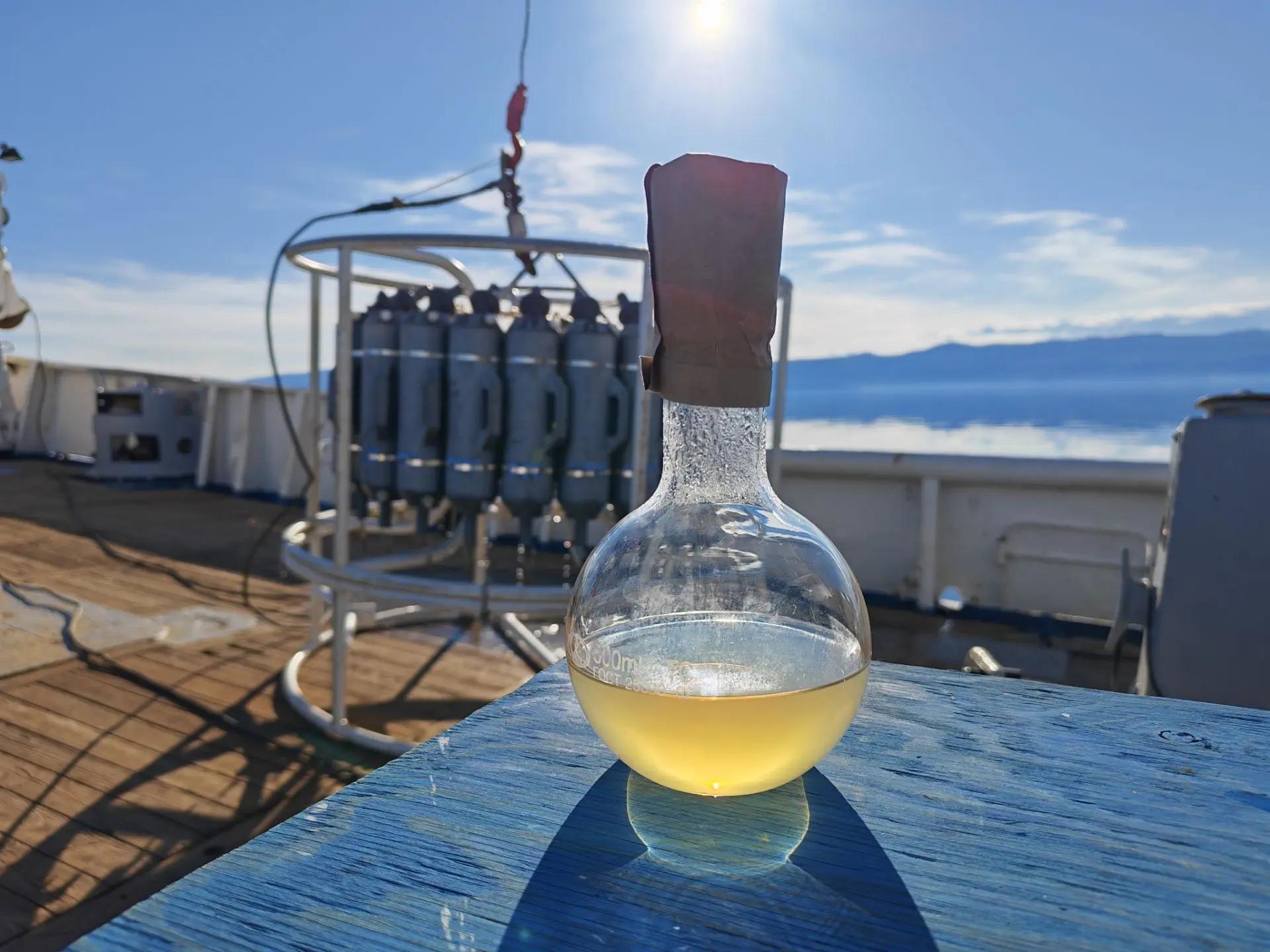
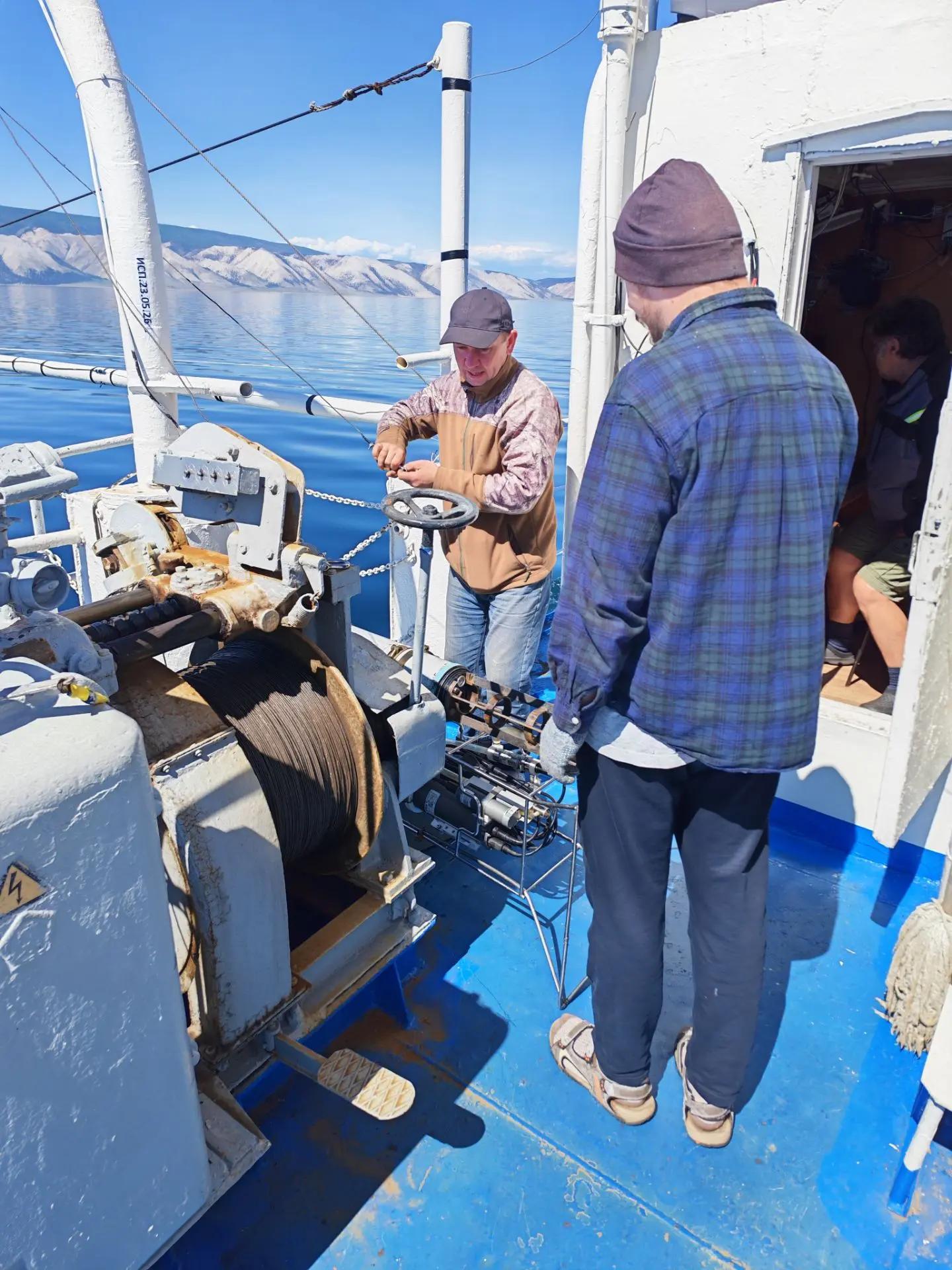
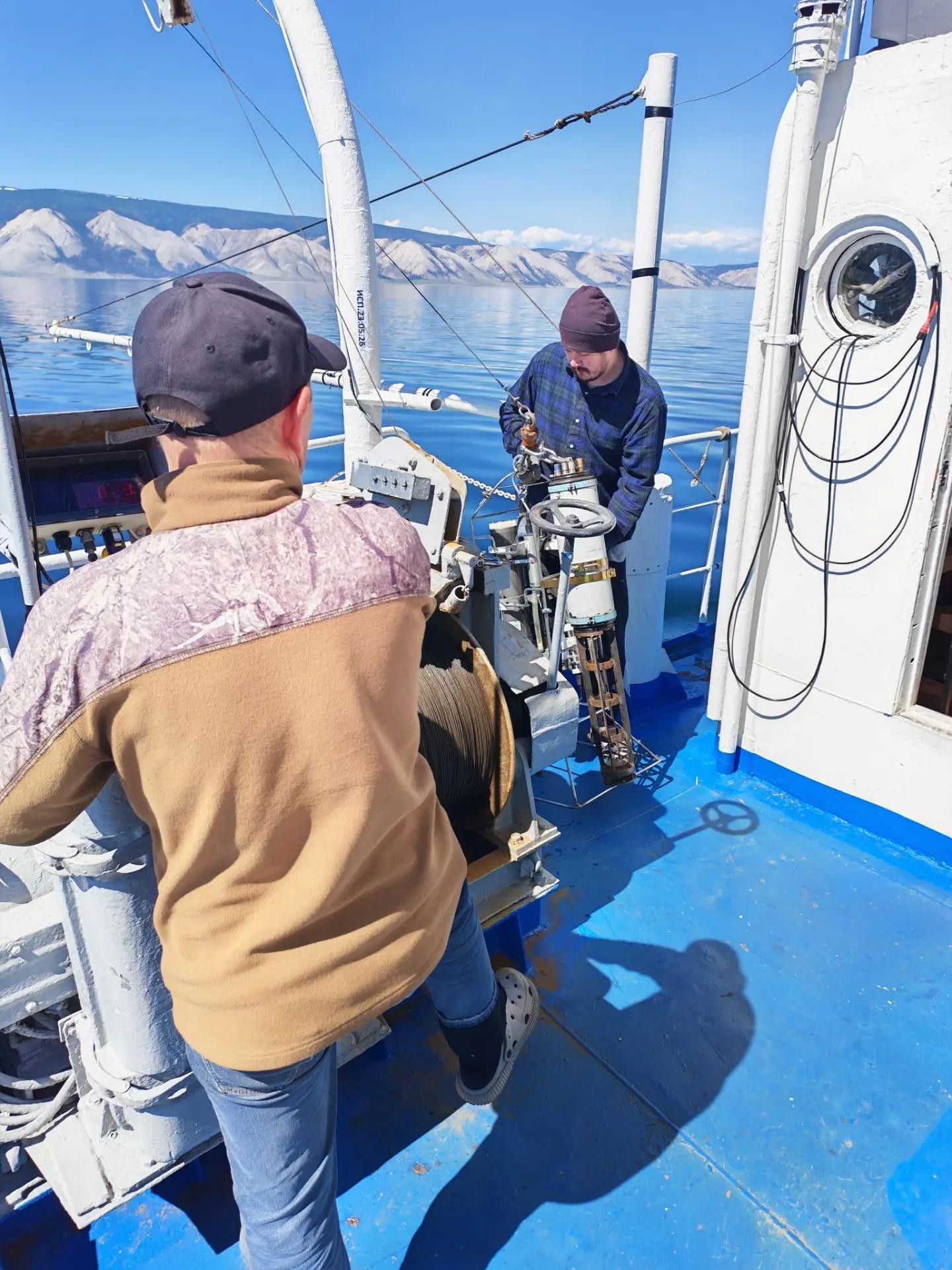
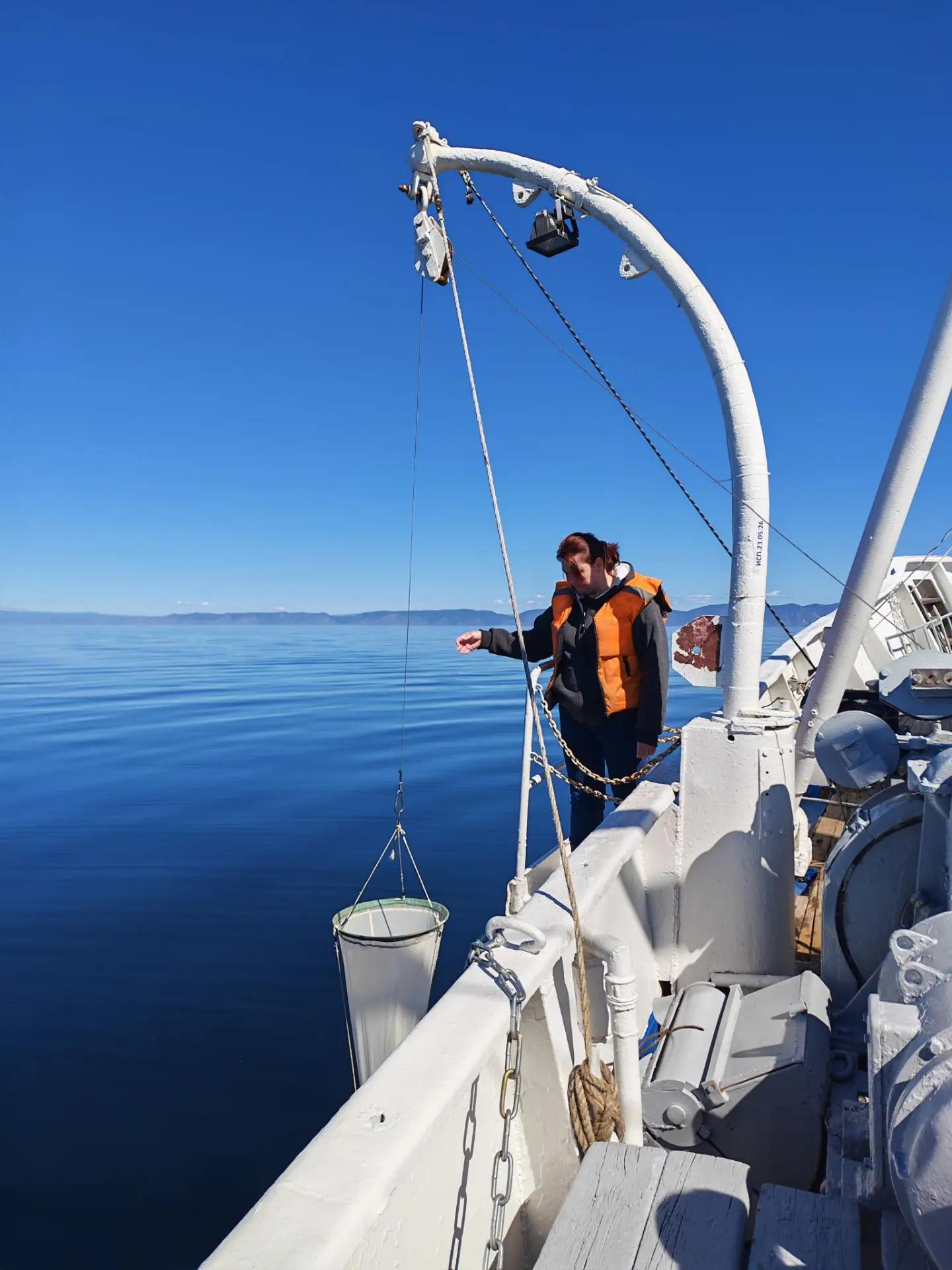
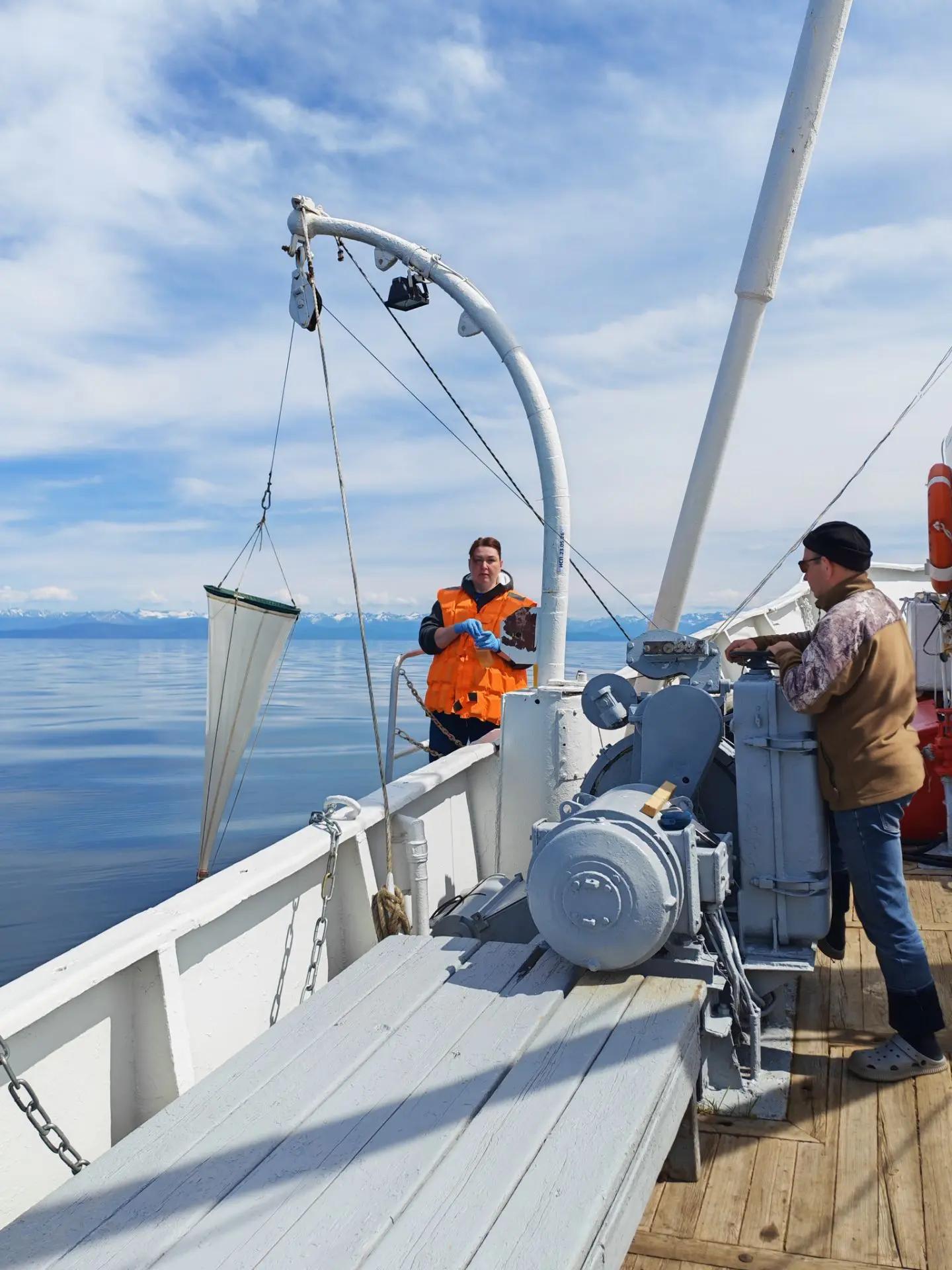
During the expedition, according to the standard grid of stations of longitudinal and transverse sections of the lake, samples were taken on fixed horizons from surface to bottom using a Carousel SBE-32 cassette-type sampler equipped with 24 5-liter bathometers. Water samples were taken for the analysis of chemical and gas composition, as well as for the study of the species composition and distribution of phytoplankton, determination of sanitary-microbiological indicators. Phytoplankton samples were taken by the Apstein net for subsequent analysis on a scanning electron microscope, detection of ultrastructural features of diatoms in the natural population and study of the stoichiometric composition (C:N:P) of seston. A Juday net was used to collect layer-by-layer samples of zooplankton up to depths of 250 meters. Works were carried out in three basins of the lake, as well as in Barguzinsky Bay and Maloye More. Water samples were collected at 55 stations. Additionally, water samples for hydrochemical and microbiological analysis were taken at the mouths of six rivers: Goloustnaya, Buguldeyka, Anga, Turka, Barguzin and Tompuda. Hydrophysical measurements were carried out at 59 stations with high-precision CTD probes SBE-25 and JFE Rinko with additional sensors for dissolved oxygen, transparency, turbidity, pH and ORP.
On the way of the vessel, a continuous record was made of the temperature, pH and electrical conductivity of surface waters, the main meteorological parameters, the concentration of aerosols in the adjacent atmosphere, the incoming and reflected long- and short-wave solar radiation. Additionally, the Echo-Baikal hardware and software complex, which is based on the Furuno echo sounder with recording of echogram data, was used to monitor bubble gas outlets.
Total samples taken:
- hydrochemical analysis – 225
- determination of dissolved methane concentration – 549
- microbiological analysis – 135
- phytoplankton study – 56
- zooplankton study – 89