


The Selenga expedition on March 4-7, 2025
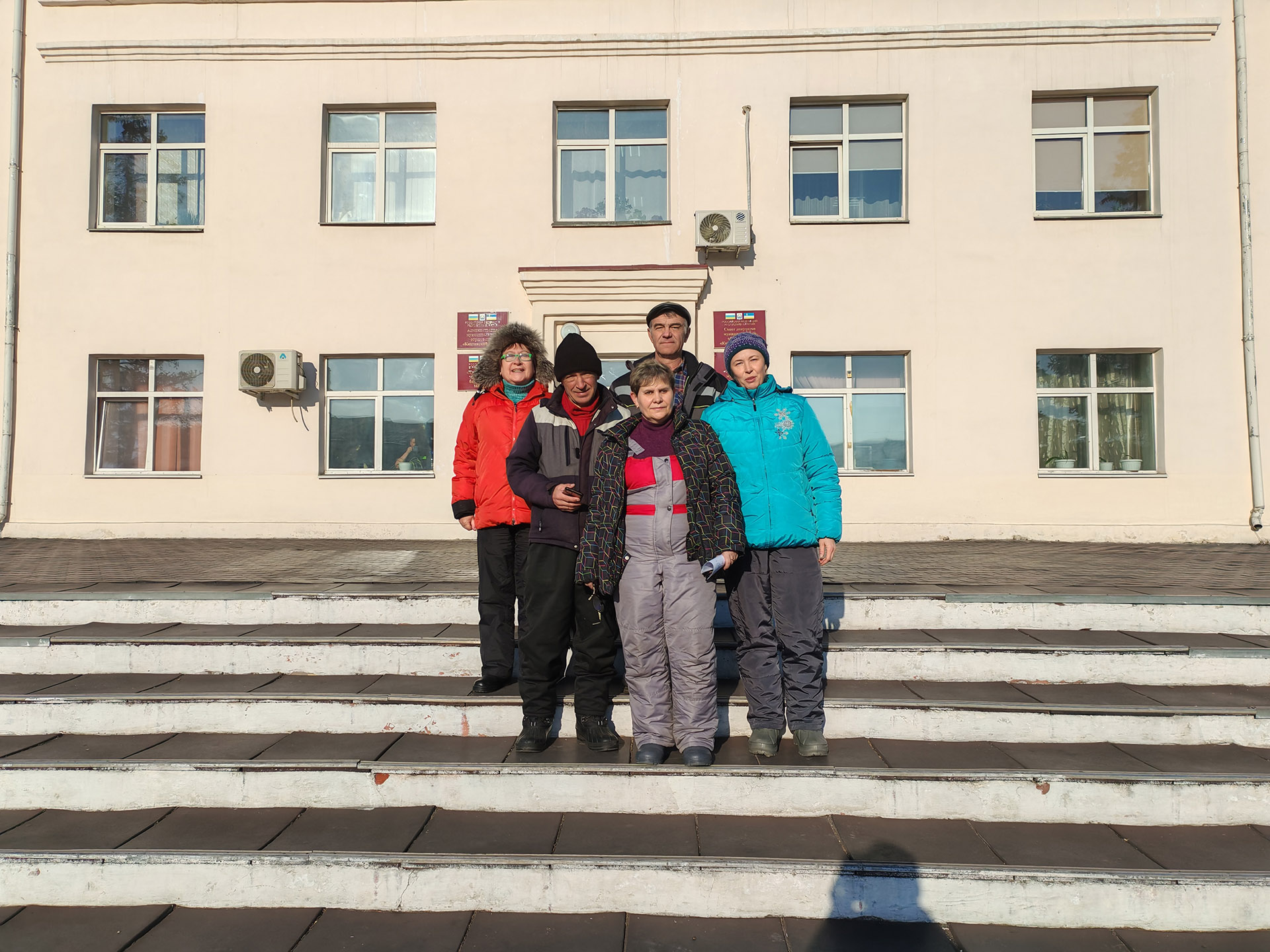
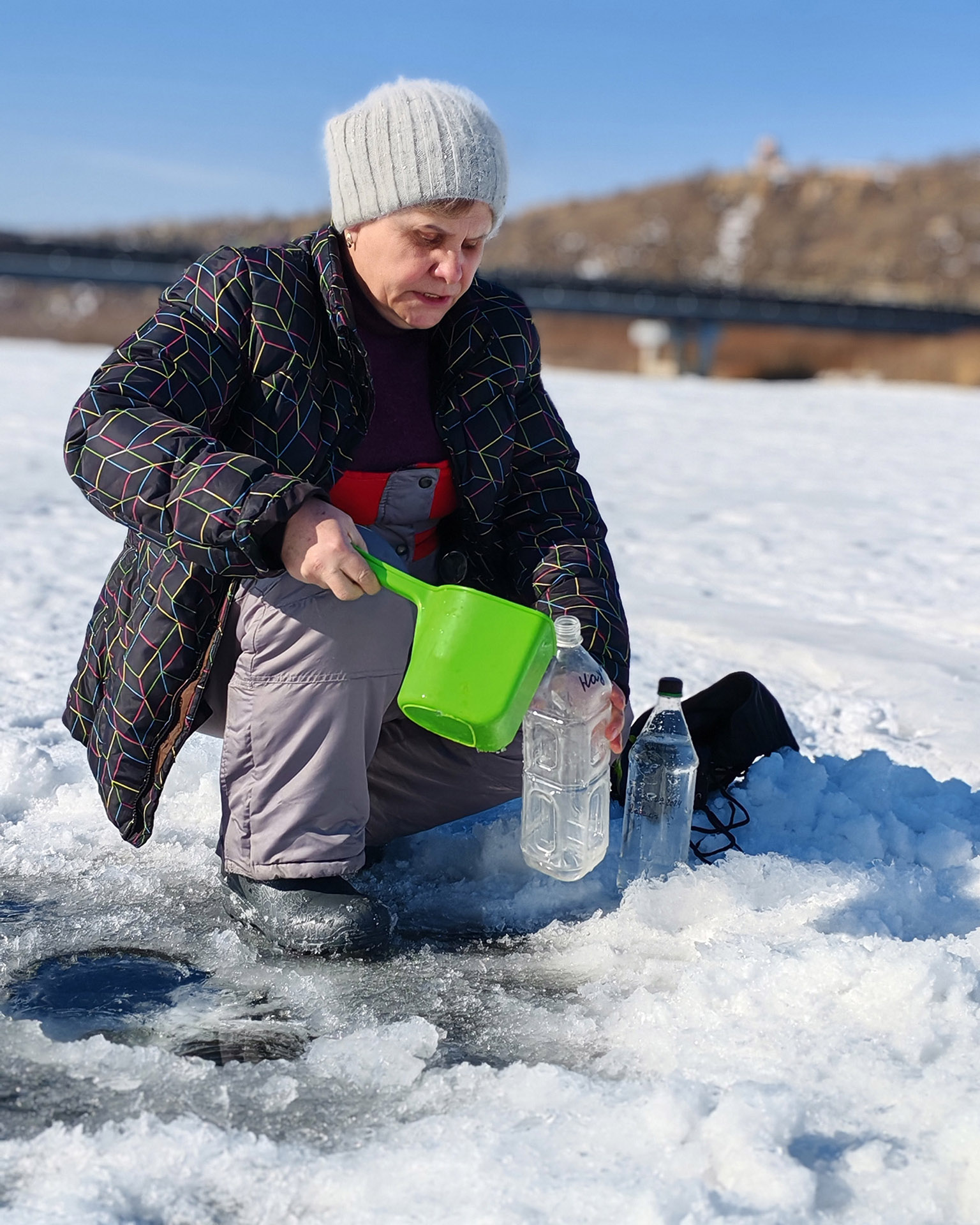
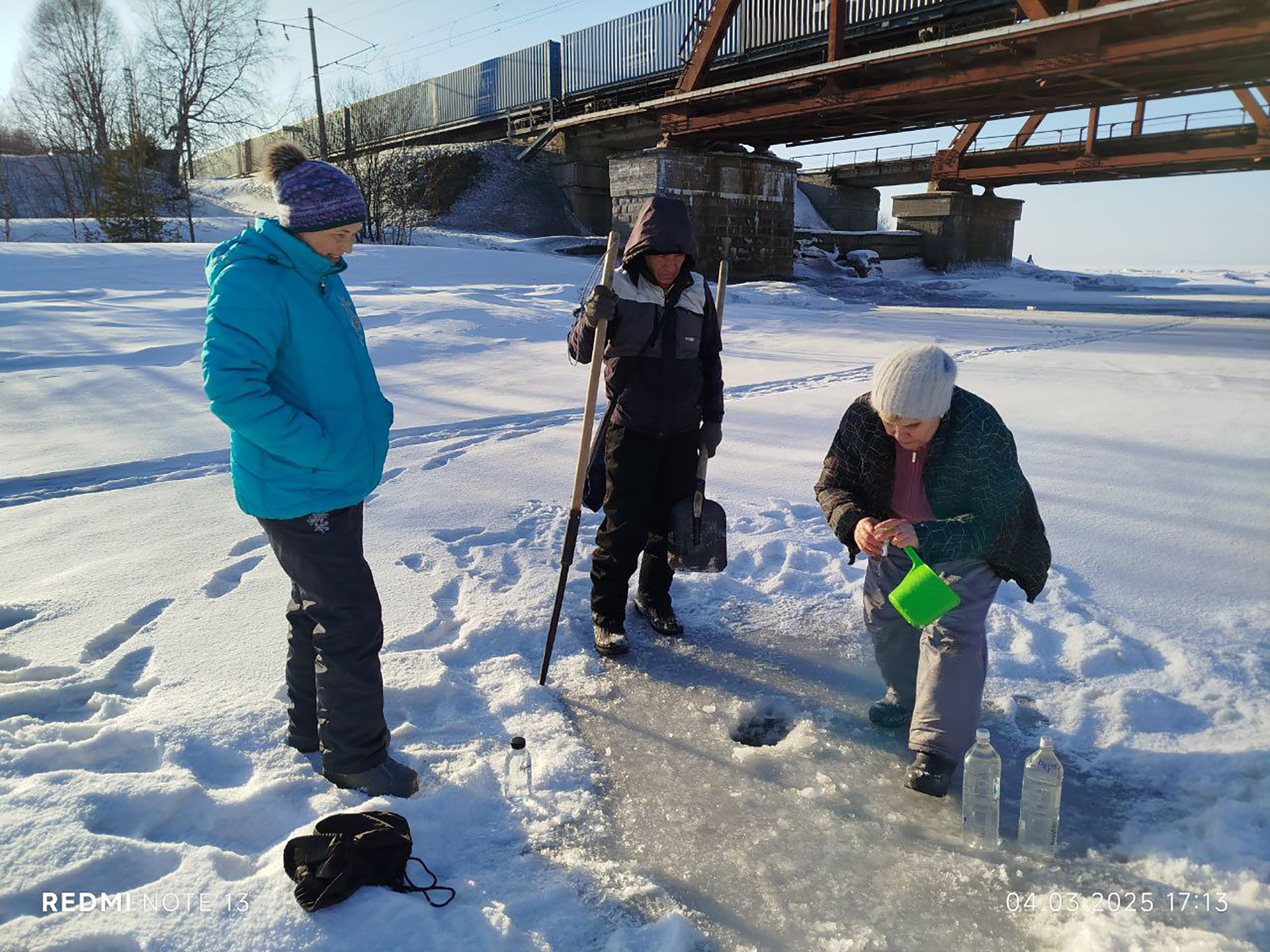
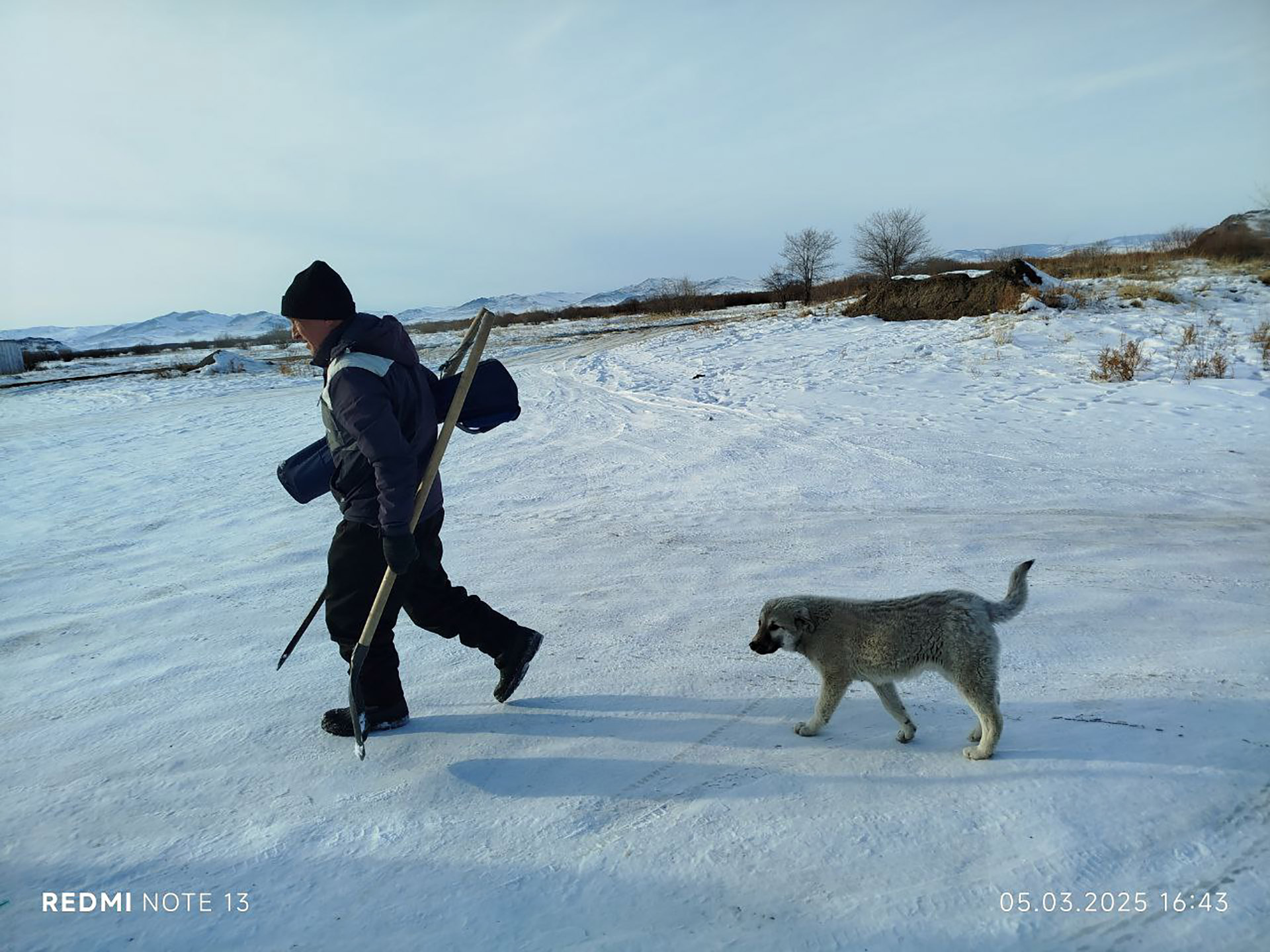
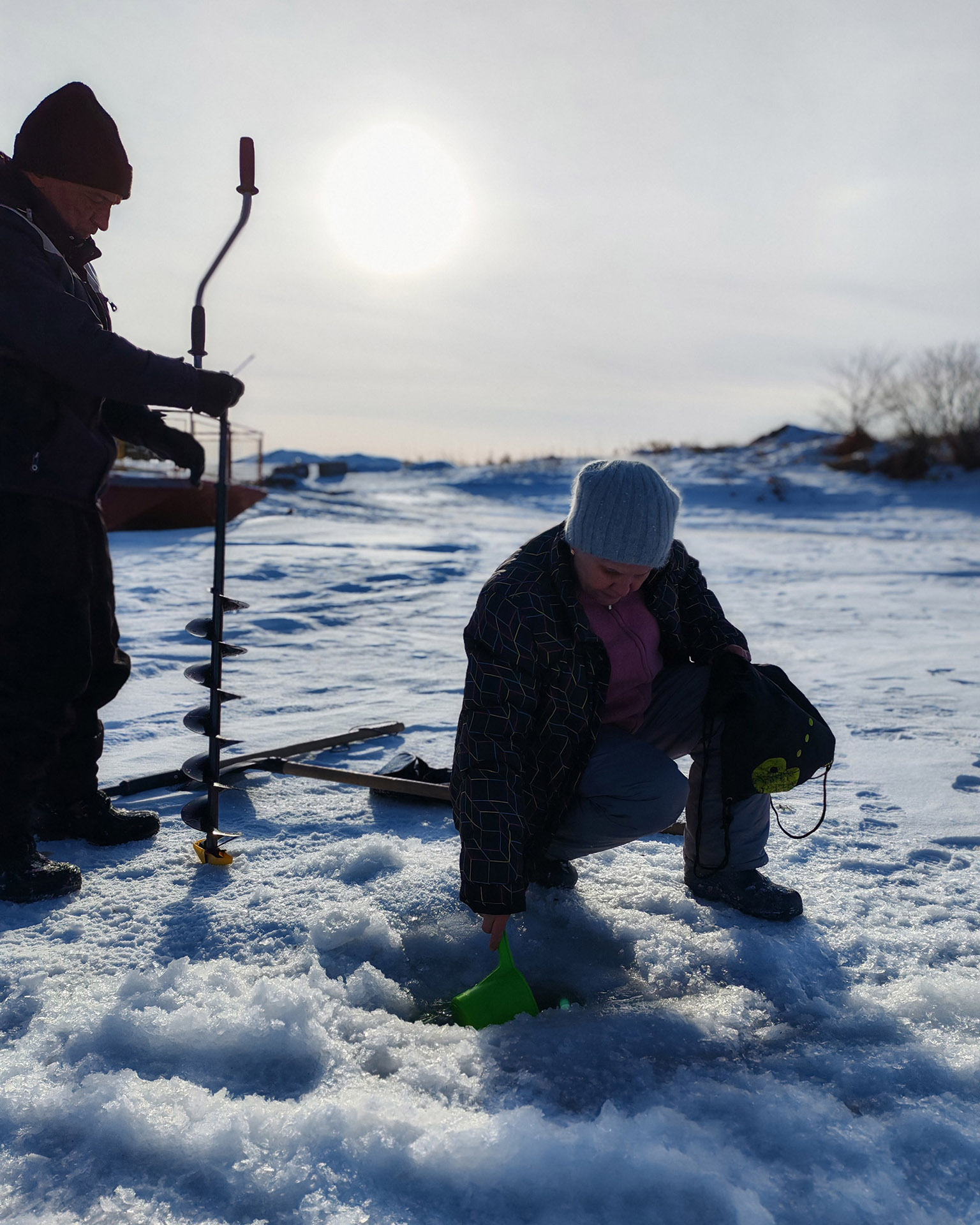
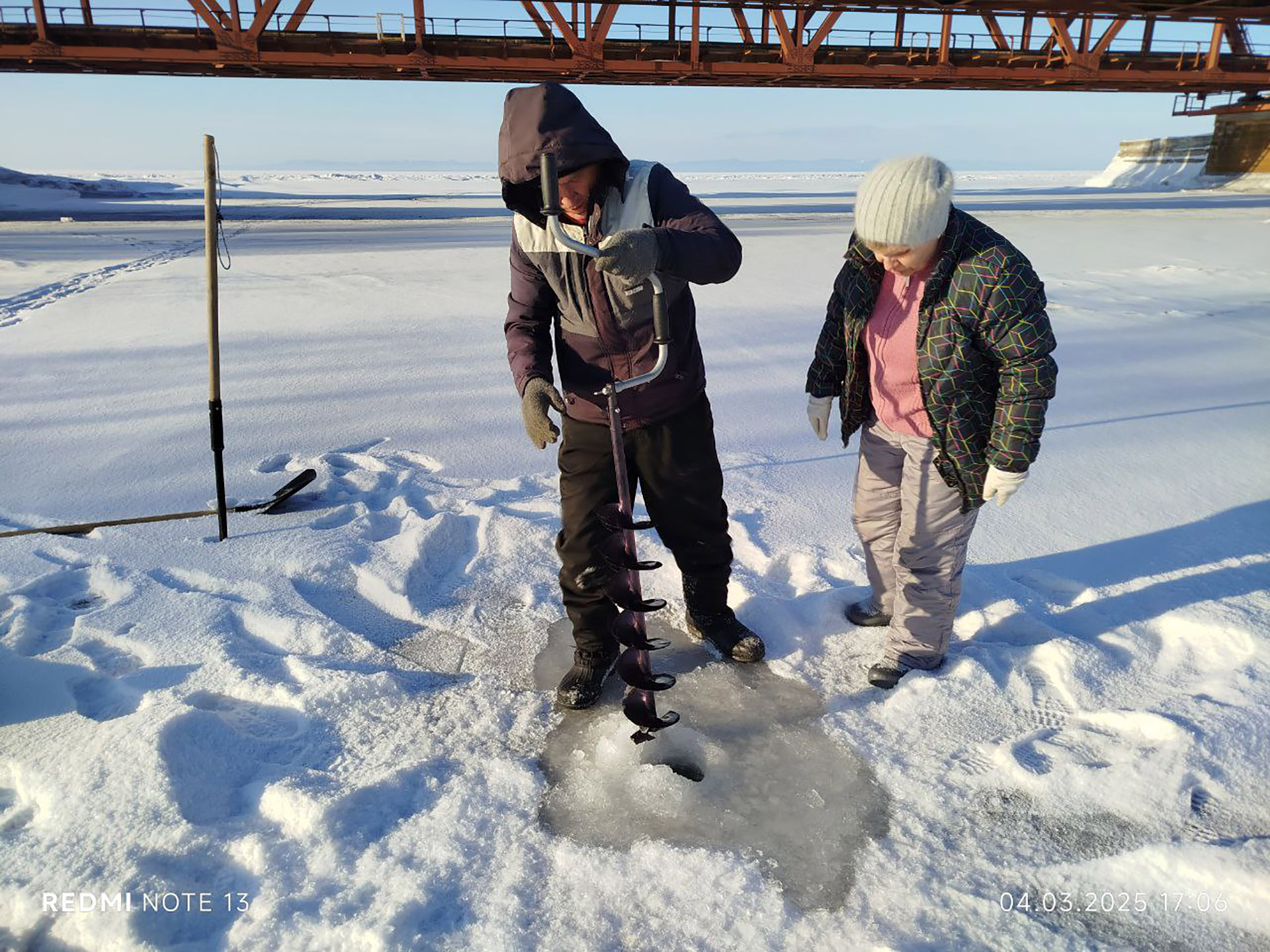
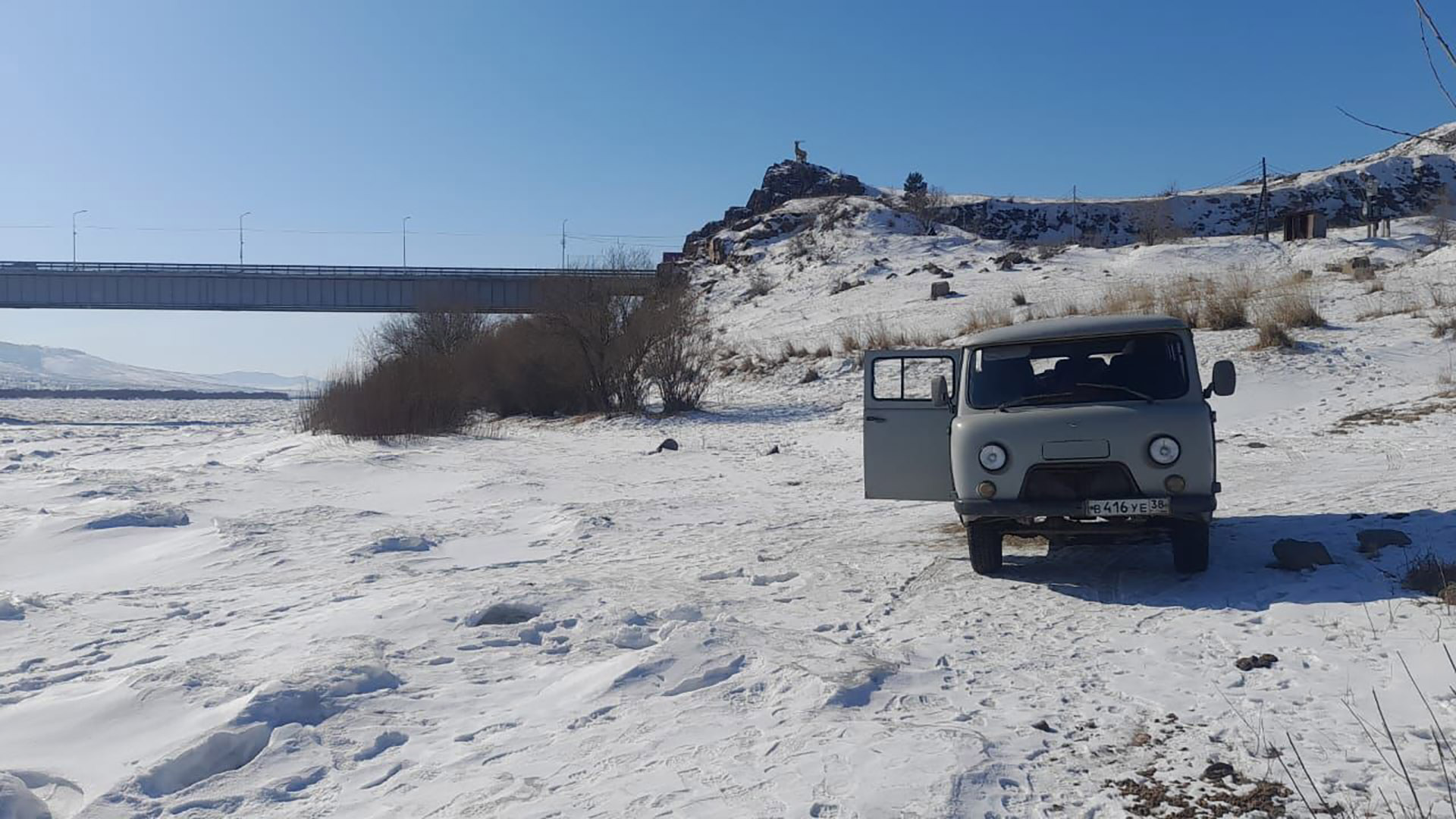
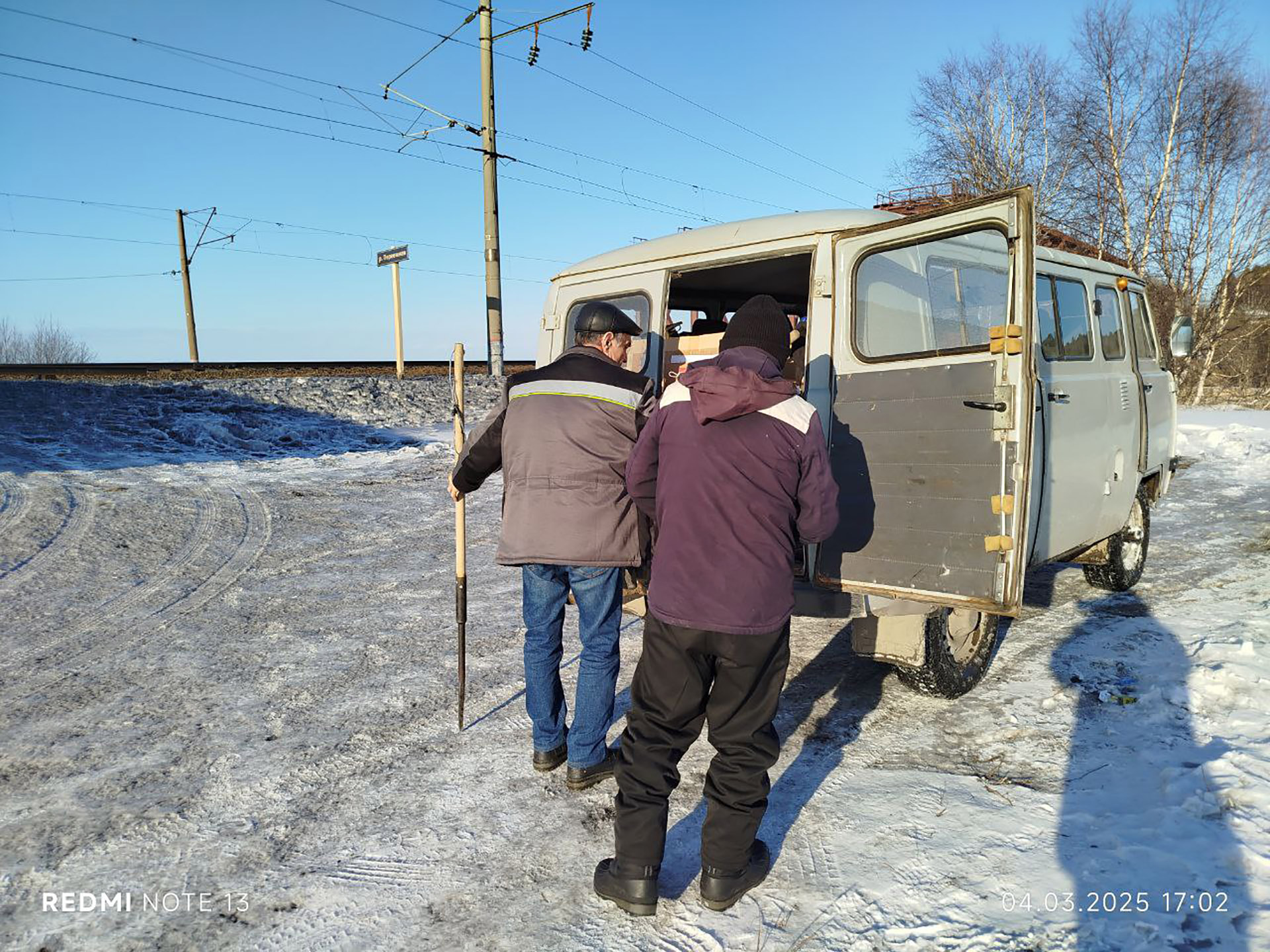
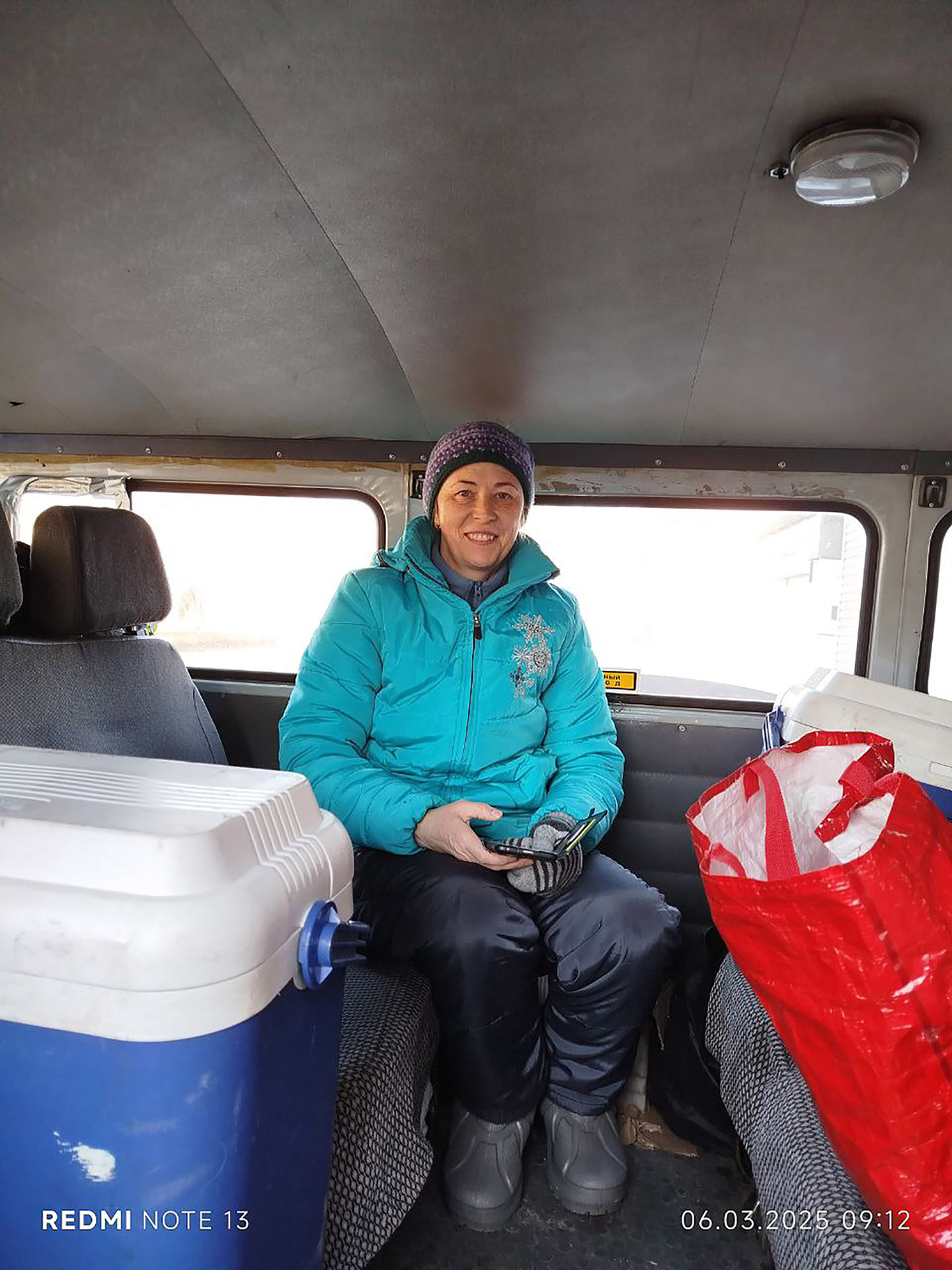
On March 4-7, 2025, an automobile expedition was carried out within the State Assignments No. 0279 2021-0005 “Study of transformations of the state of water bodies and watercourses of Eastern Siberia in seasonal and long-term aspects in the context of climate change, geological environment and anthropogenic loads” and No. 0279-2021-0014 “Study of the role of atmospheric precipitation on aquatic and terrestrial ecosystems of the Lake Baikal basin, identification of sources of atmospheric pollution”. The staff of the Laboratory of Hydrochemistry and Chemistry of the Atmosphere participated in the expedition: senior researcher Tomberg I.V., researcher Netsvetaeva O.G., laboratory assistant of Aquatic Microbiology – senior researcher Suslova M. Yu., lab. of Ichthyology - lead. ing. Usov S.V., driver – Nikonov D.V.
The purpose of the expedition was to study the dynamics of the components of the chemical and microbiological composition of the water of the Selenga River and its tributaries in winter, to analyze the chemical composition of the water and snow cover in the estuarine zones of the rivers of the eastern coast of South Baikal, to identify the patterns of distribution of atmospheric precipitation in different areas of BNA by anthropogenic load.
During the expedition, some tasks were completed:
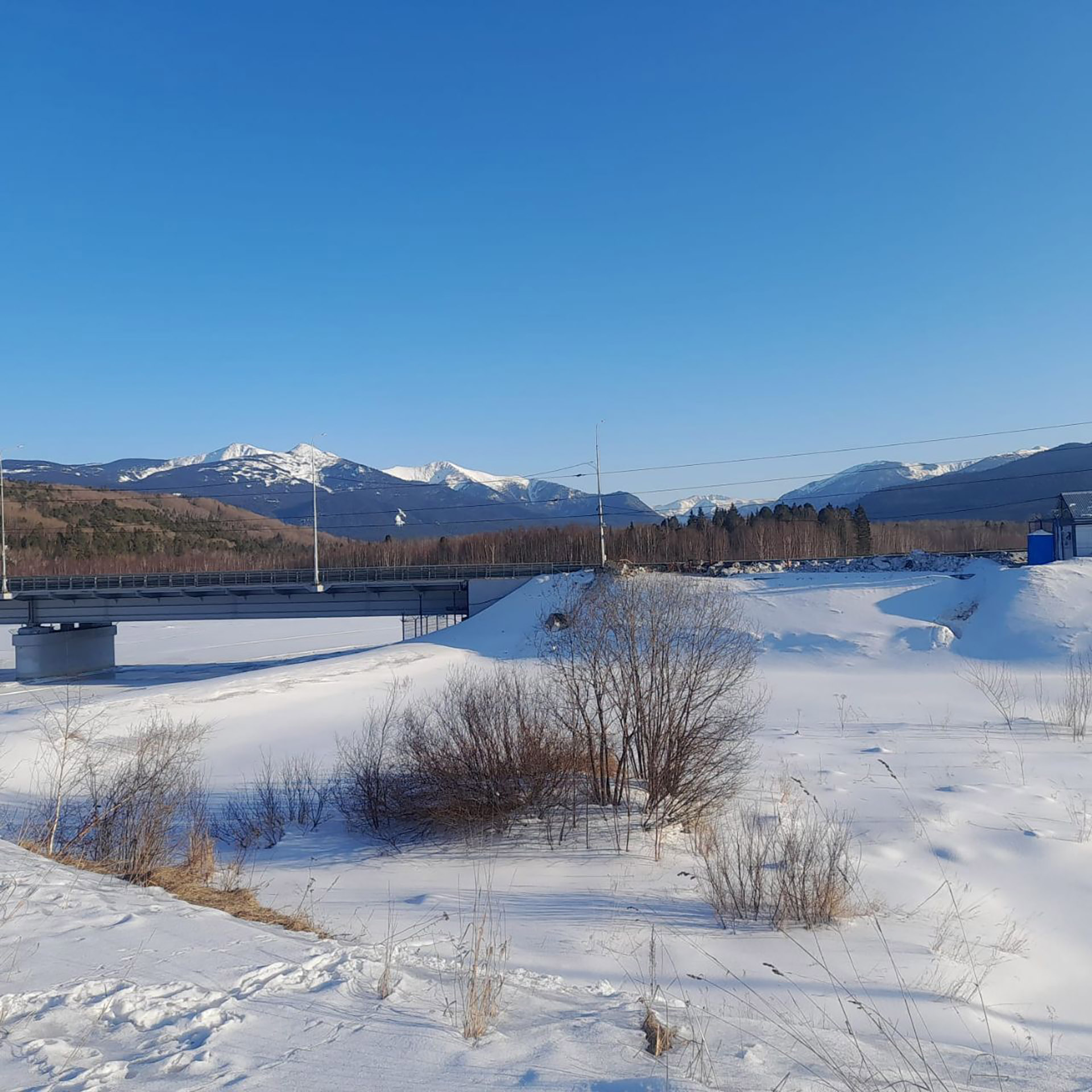
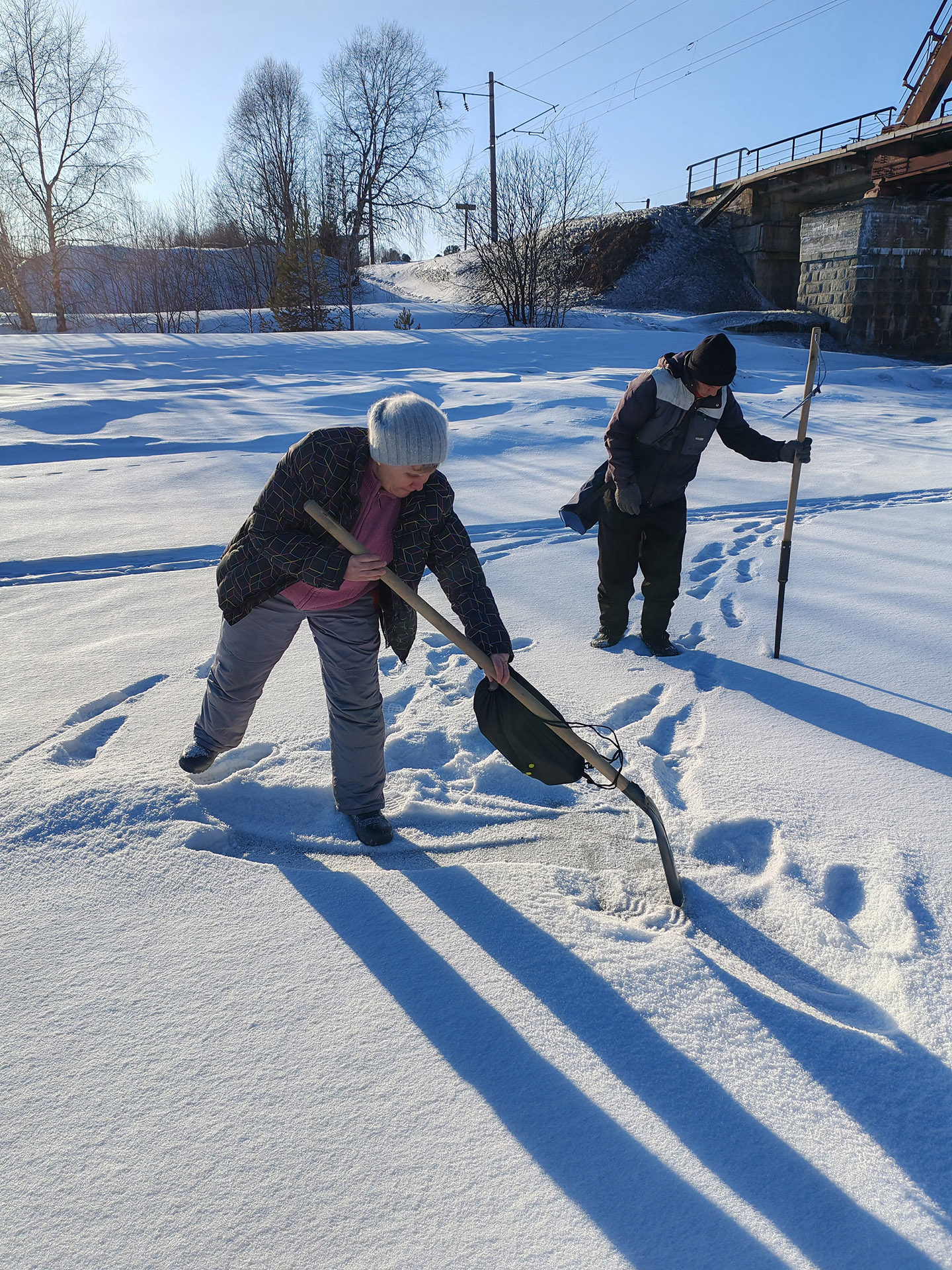
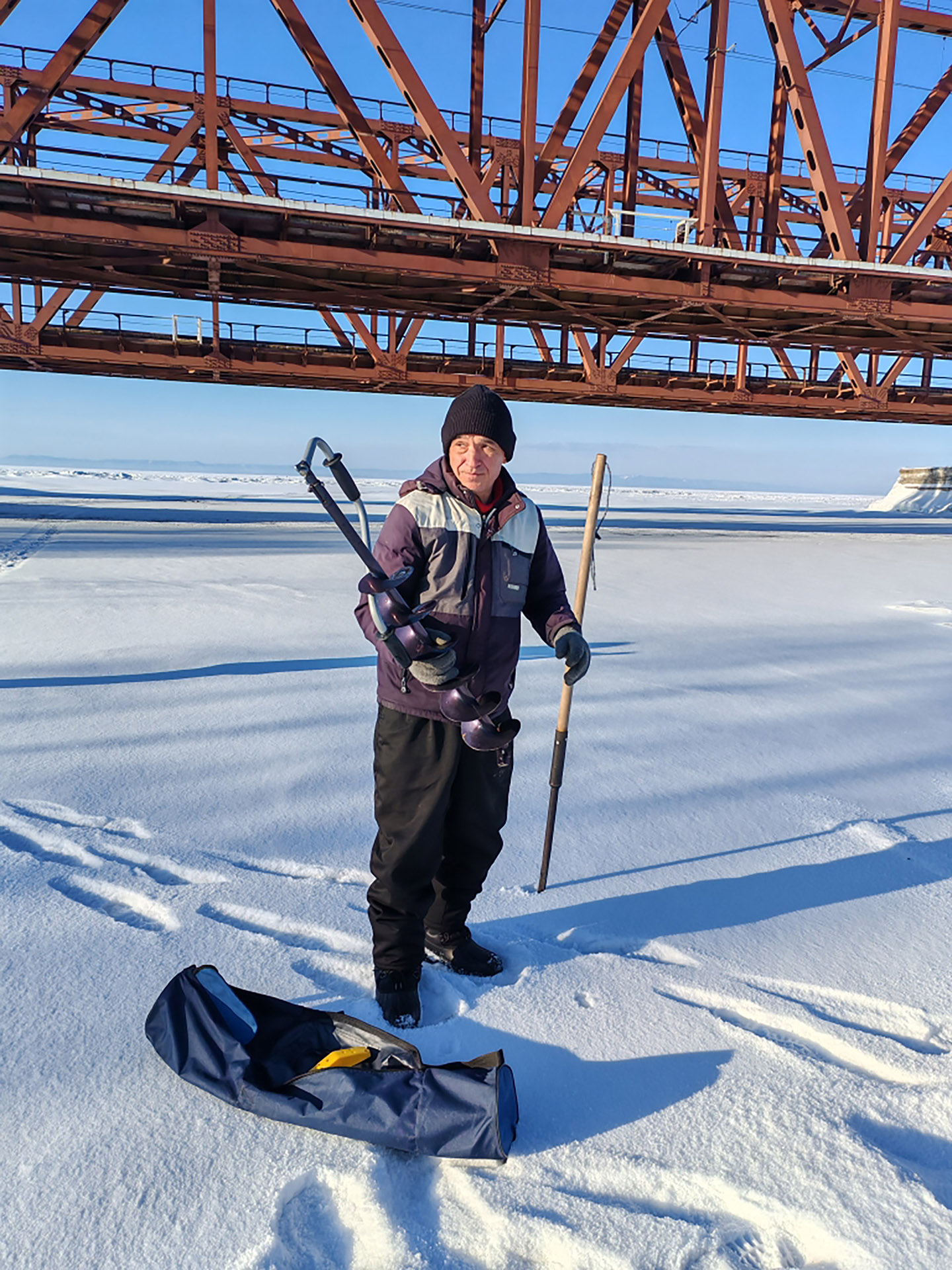
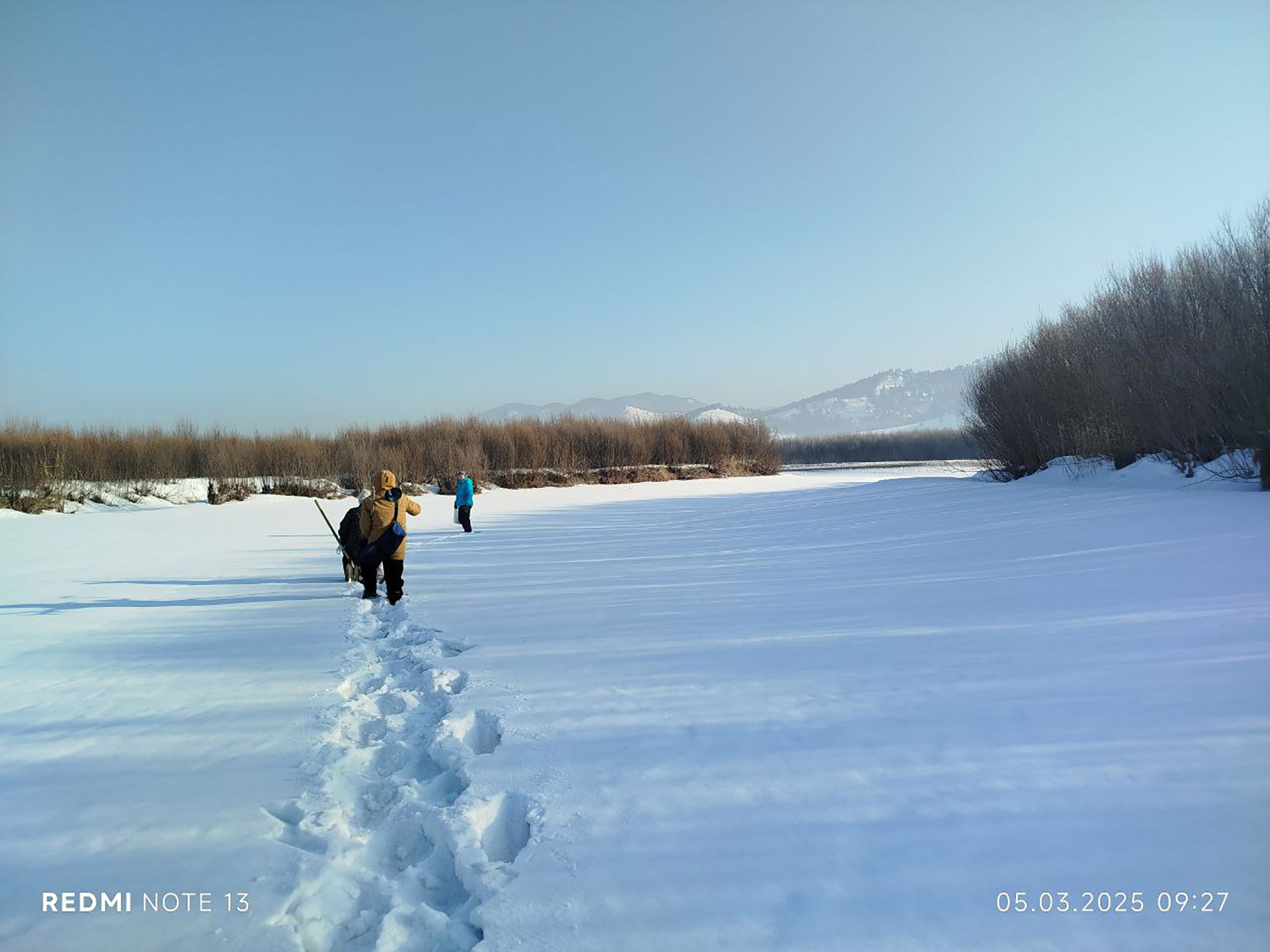
- Water samples were collected on the Selenge River from the border with Mongolia (Naushki settlement) to the delta (Murzino village), its main tributaries in Russia (rivers Dzhida, Chikoi, Temnik, Uda);
- Water samples were collected in the estuarine areas of the tributaries of the Southern Baikal (rivers Utulik, Solzan, Khara-Murin, Snezhnaya, Peroymnaya, Mishikha);
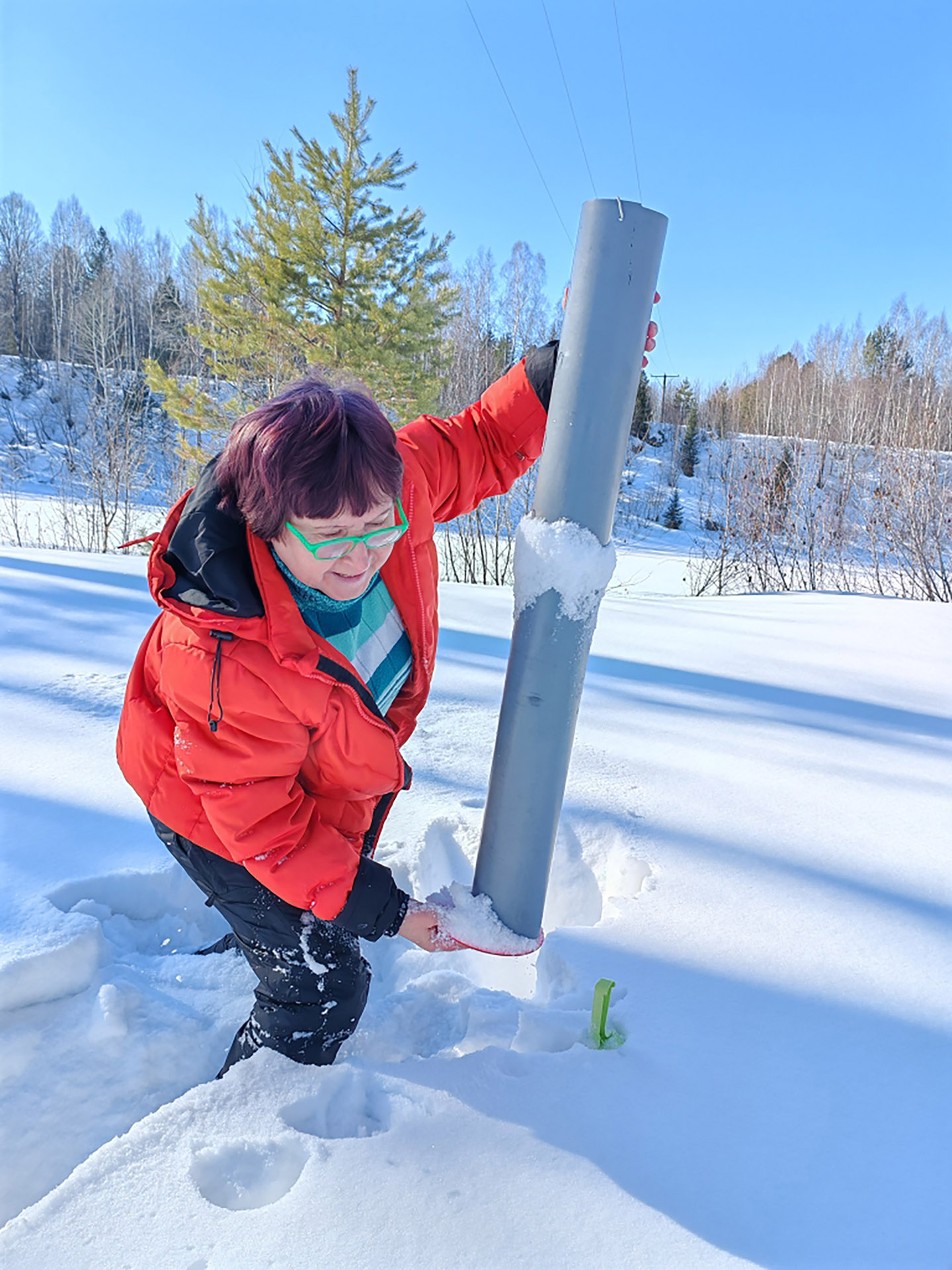
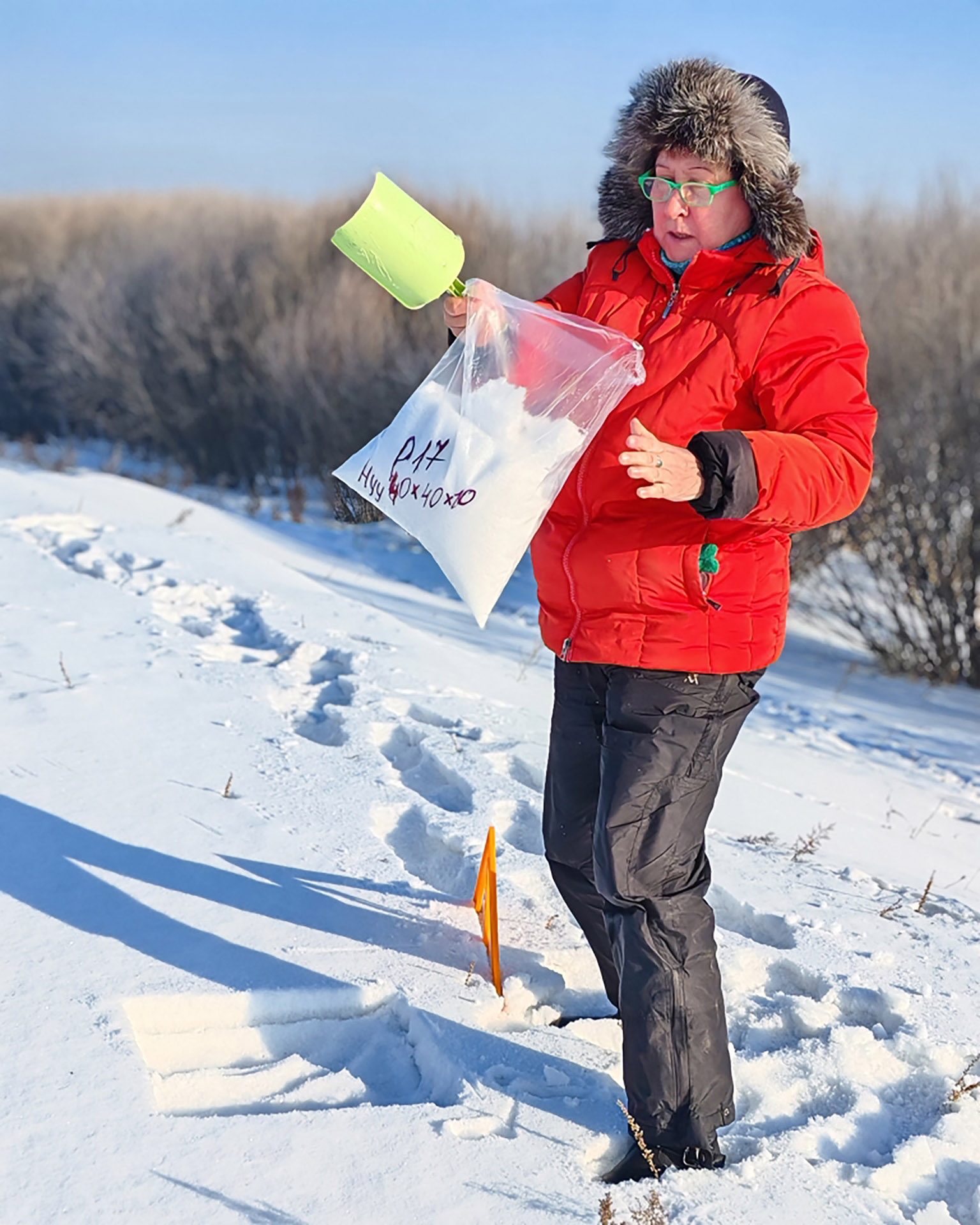
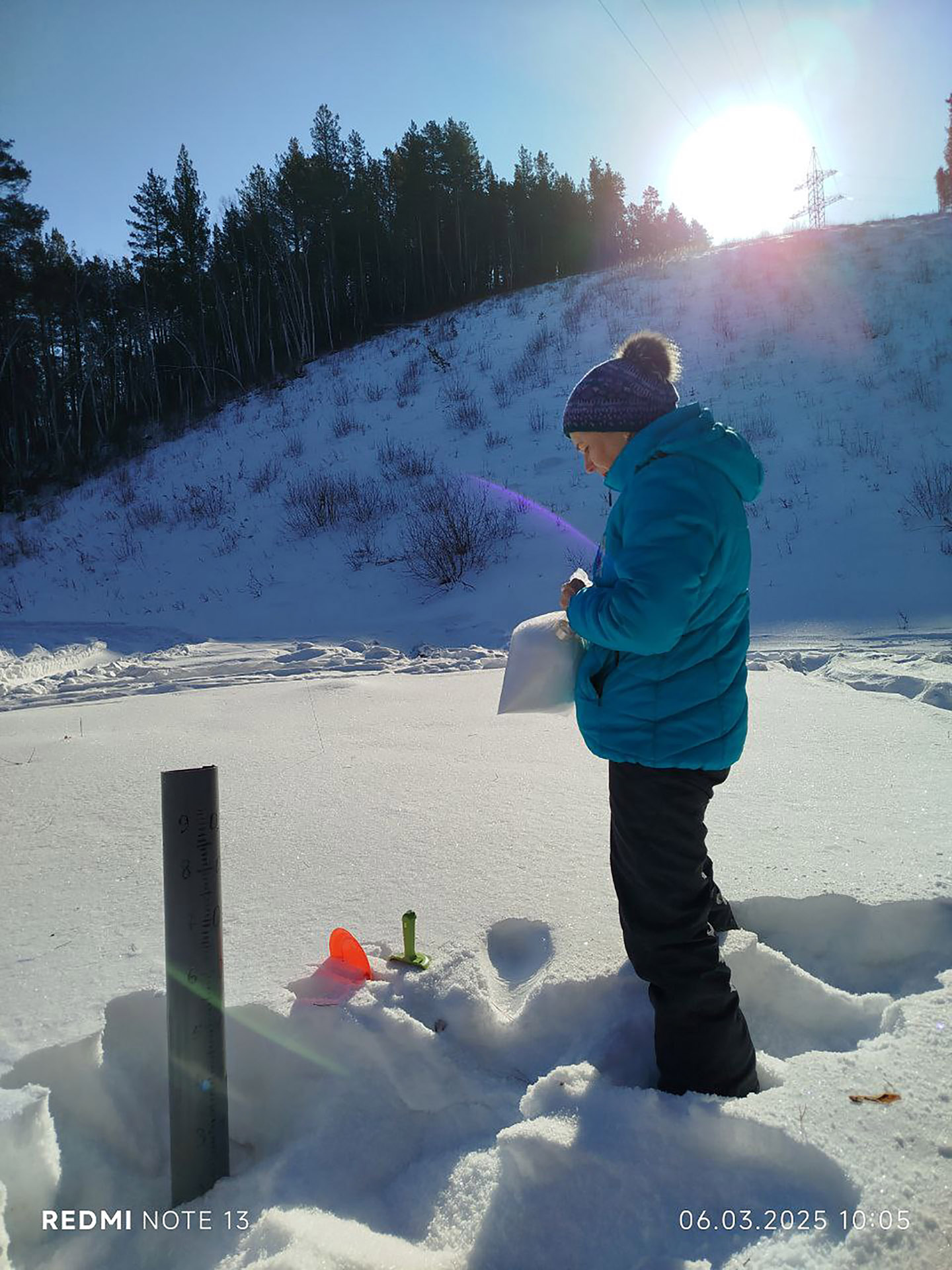
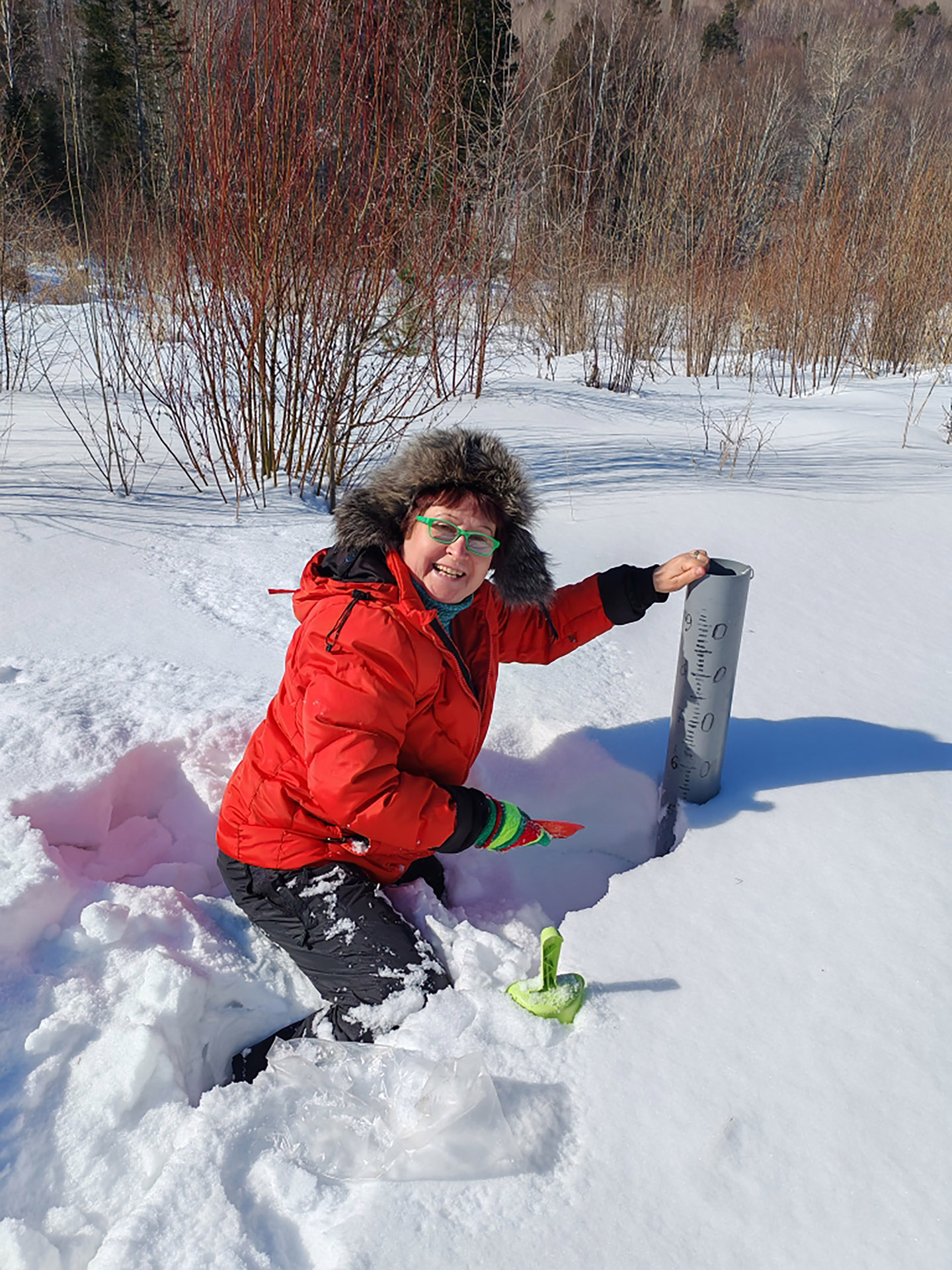
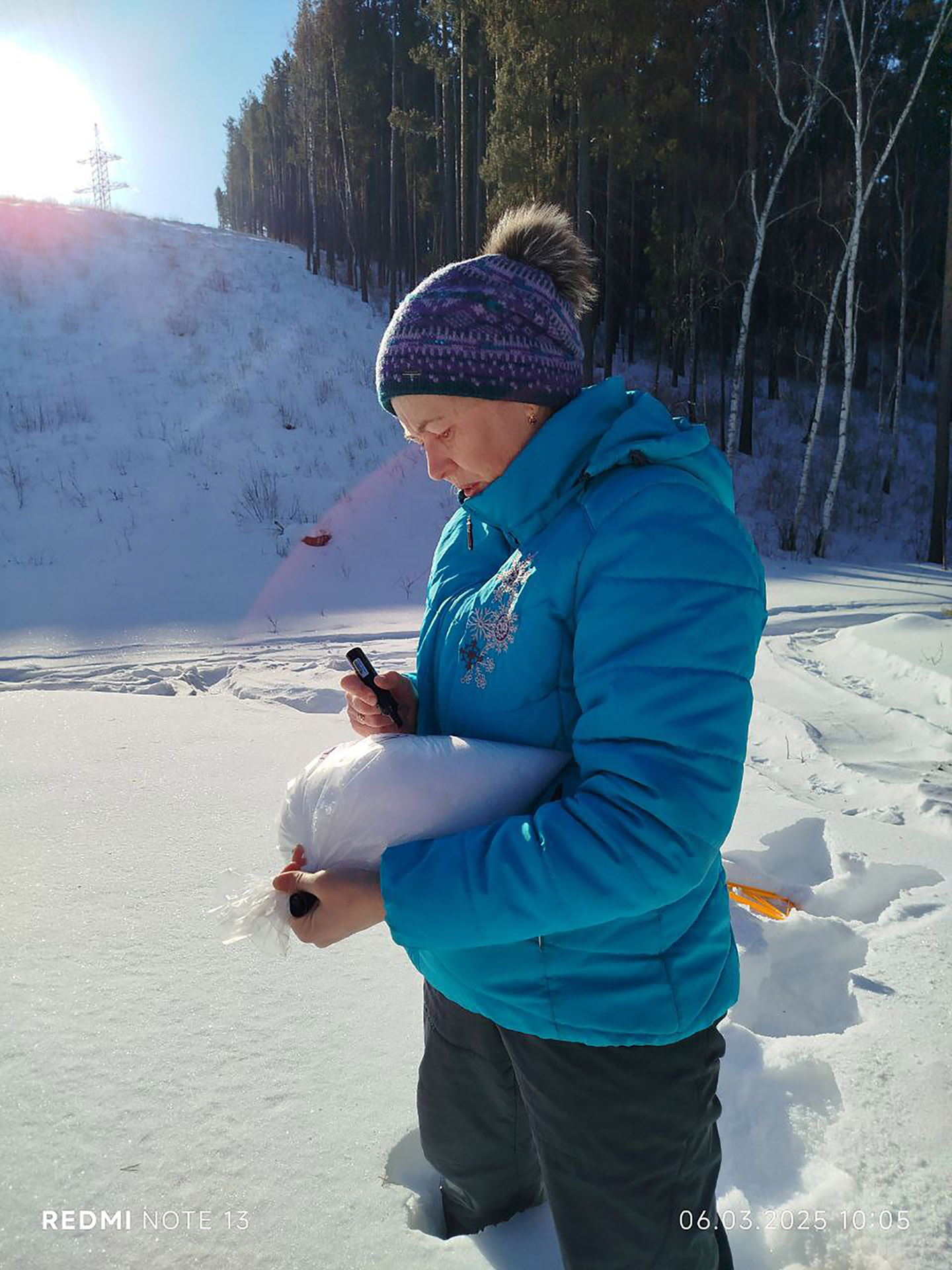
- Snow samples were collected in the following territory:
Profile 1: Kultuk settlement – the Mishikha River toward the dominant west and north-west winds from the industrial centers of Irkutsk region to Lake Baikal;
Profile 2: Kabansk settlement – Kyakhta town toward the dominant winds from the industrial centers of Buryatia.
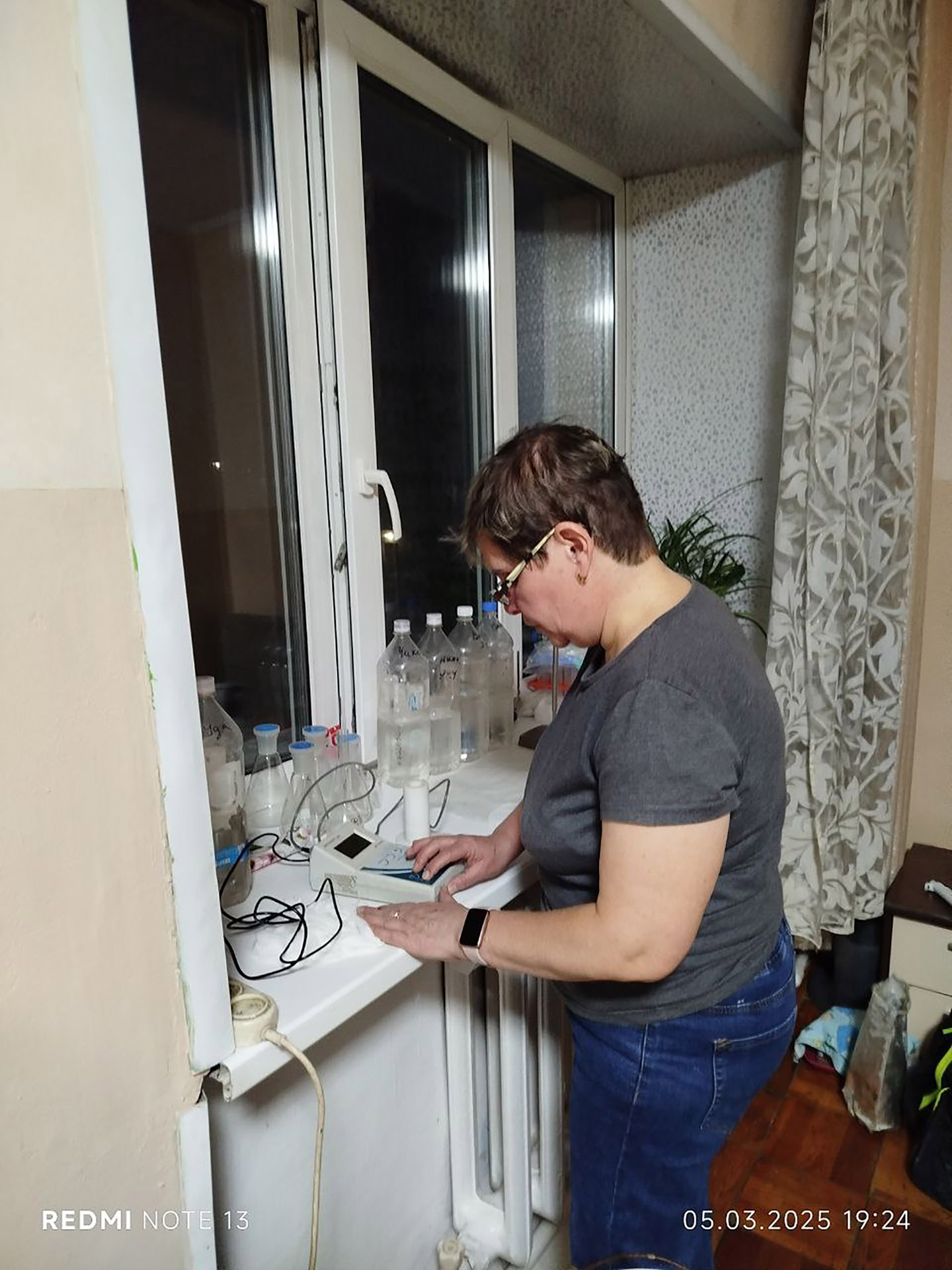
During the expedition, 18 river water samples and 57 snow cover samples were taken. The pH values, electrical conductivity, dissolved oxygen content were determined at the sampling site in the river water (Table). The low content of dissolved oxygen in the water of the Uda River and the lower reach of the Selenga River indicates poor water quality, high content of organic matter and unfavorable conditions for hydrobionts.
| Watercourse | рН | Ес25, µS/cm |
О2 | |
|---|---|---|---|---|
| mg/l | % sat | |||
| Selenga River (Naushki settlement) | 7,72 | 346,2 | 9,85 | 72 |
| Selenga River (village Zarubino) | 7,73 | 343,6 | 9,54 | 70 |
| Dzhida River | 7,77 | 327,8 | 11,29 | 83 |
| Selenga River (Selenduma village) | 7,67 | 341,1 | 8,75 | 64 |
| Temnik River | 7,29 | 174,2 | 10,68 | 78 |
| Selenga River (Novoselenginsk settlement) | 7,64 | 338,9 | 9,10 | 67 |
| Chikoi Riiver | 6,98 | 129,9 | 8,11 | 59 |
| Selenga River (upstream of Ulan-Ude) | 7,44 | 269,1 | 13,97 | 102 |
| Uda River | 7,2 | 250,6 | 6,44 | 47 |
| Selenga River (downstream of Ulan-Ude) | 7,42 | 269,1 | 9,73 | 71 |
| Selenga River (Kabansk settlement) | 7,28 | 252,5 | 6,82 | 50 |
| Selenga River (Murzino village) | 7,26 | 260,4 | 7,54 | 55 |
| Utulik River | 7,7 | 245,2 | 13,88 | 102 |
| Solzan River | 7,58 | 94,71 | 13,51 | 99 |
| Khara-Murin River | 7,43 | 87,78 | 13,71 | 100 |
| Snezhnaya River | 7,68 | 120,4 | 13,76 | 101 |
| Pereyomnay River | 6,68 | 56,4 | 13,03 | 95 |
| Mishikha River | 7,52 | 87,71 | 13,59 | 99 |
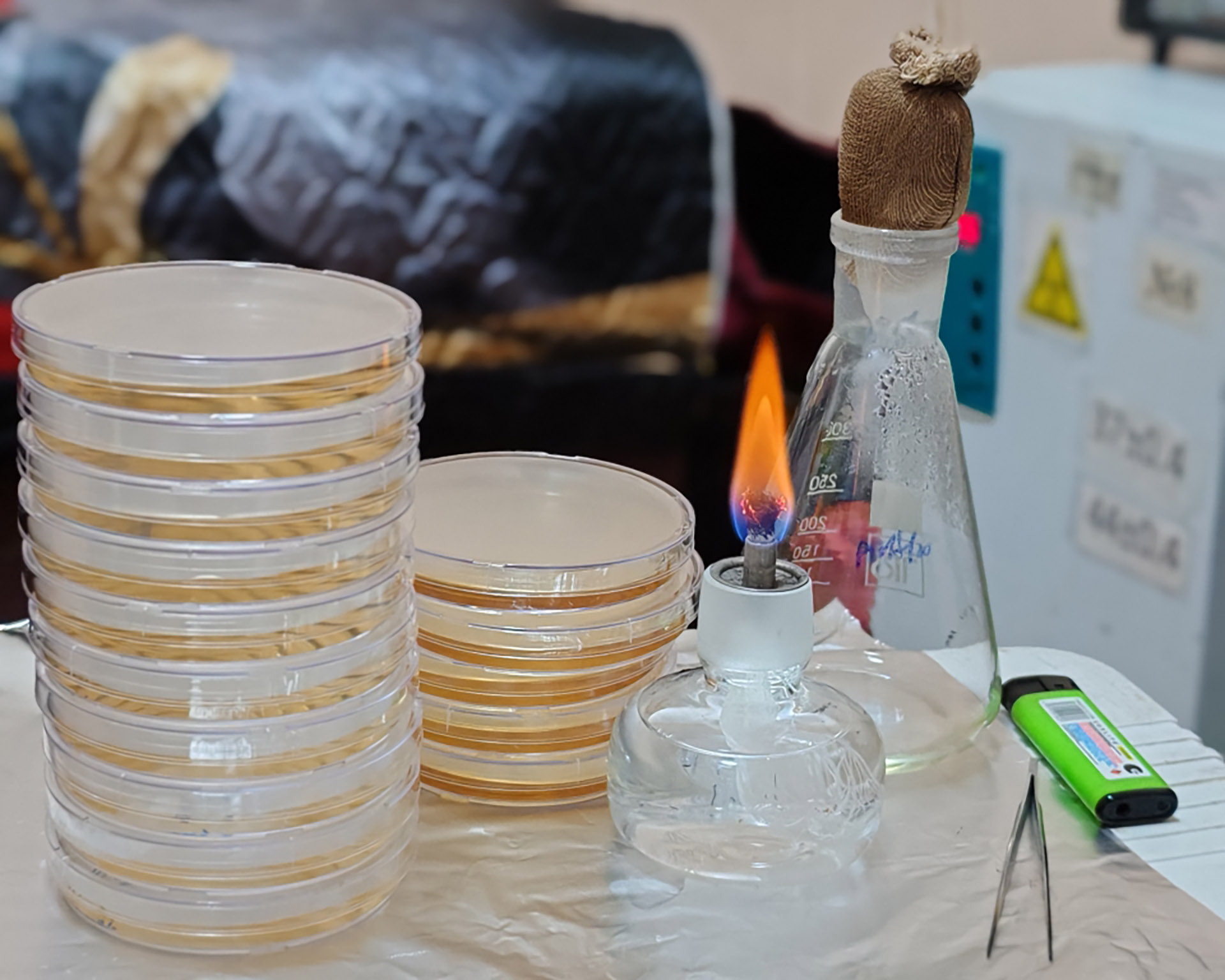
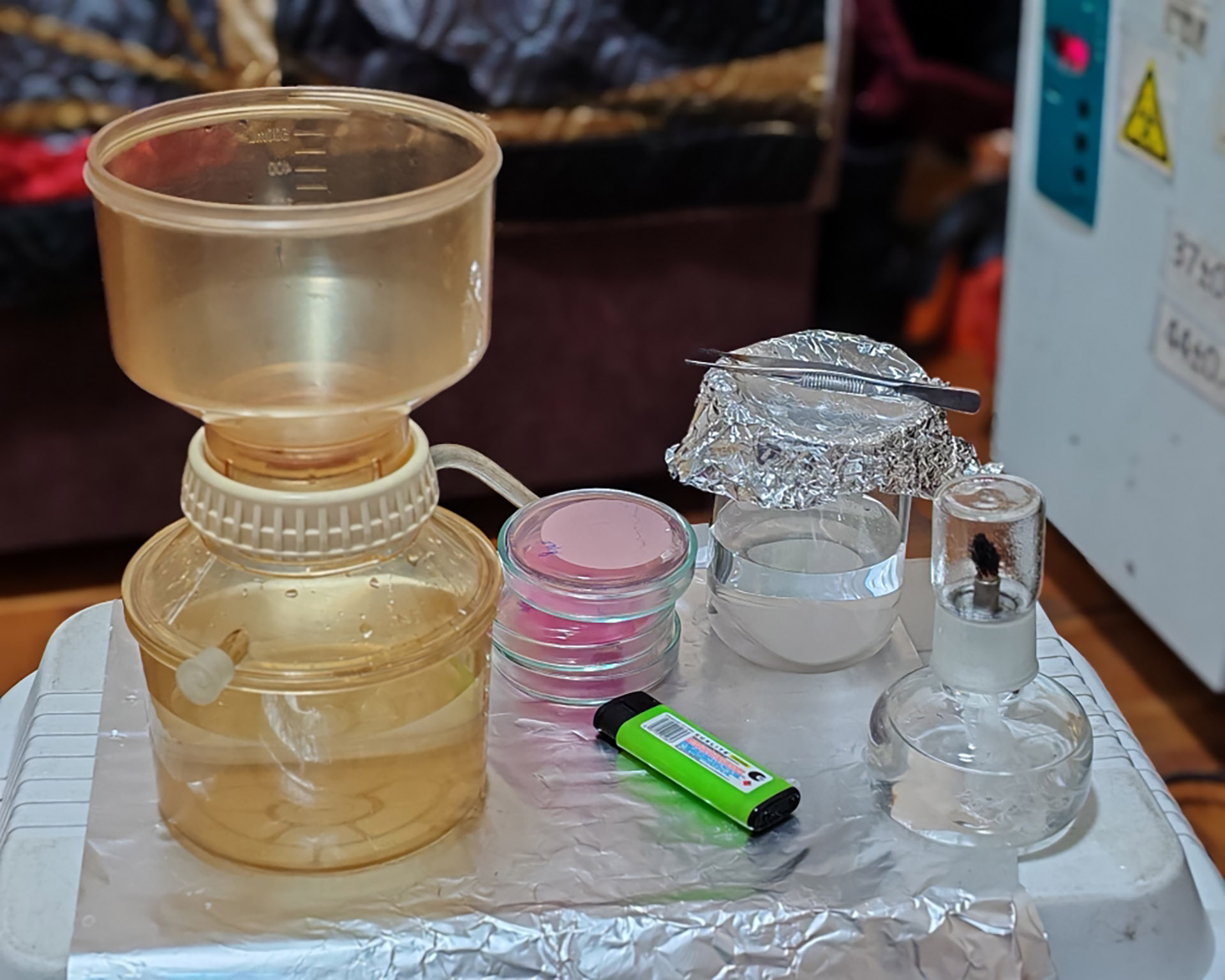
According to SanPiN 1.2.3685-21 (“Hygienic standards and requirements for ensuring the safety and (or) harmlessness of human habitat factors”), which states that the quantity of total coliform bacteria (TCB), E. coli, and enterococci in surface waters should not exceed 500, 100, and 10 KOYe/100 cm2, respectively; 18 river samples were examined for sanitary-microbiological indicators. TCB is the most sensitive indicator when identifying sources of fecal contamination, including insignificant ones The presence of E. coli and enterococci indicates the entry of fresh fecal contamination into the water. According to the results of the analysis, the waters of five tributaries of Southern Baikal were characterized as clean, where the number of TCBs ranged from 0 to 72 KOYe/100 cm2, E. coli was absent. Single enterococci are found in the rivers Mishiha and Khara-Murin. Water of the Utulik can be recommended as drinking.
With the exception of the sample upward of Ulan-Ude, where only E. coli and enterococci were exceeded, the waters of the Selenga River surpassed the requirements of all the analyzed categories of microorganisms throughout the whole examined direction. Thus, the highest number of TCB was in the area of the village Selenduma and amounted to 1690 KOYe/100 cm2 (3.4 times excess), E. coli - downward of Ulan-Ude 630 KOYe/100 cm2 (6.3 times excess), enterococci - in the area of the settlement Naushki 156 KOYe/100 cm2 (15.6 times excess). Tributaries of the Selenga River met the standards, with the exception of the Temnik River, where they found insignificant excesses of enterococci with a population of 29 KOYe/100 cm2.
Determination of other components in the water and the chemical composition of the snow cover will be carried out in the laboratory of hydrochemistry and atmospheric chemistry of LIN SB RAS. It is planned to determine the concentration of ions of salt composition, biogenic elements, organic substances, oil products. In addition, the content of suspended matter and PAH will be determined in the snow cover.
The results obtained will be presented in the reports on research projects No. 0279-2021-0005 and No. 0279-2021-0014.