


LIN SB RAS held a series of popular scientific lectures and excursions for students and schoolchildren
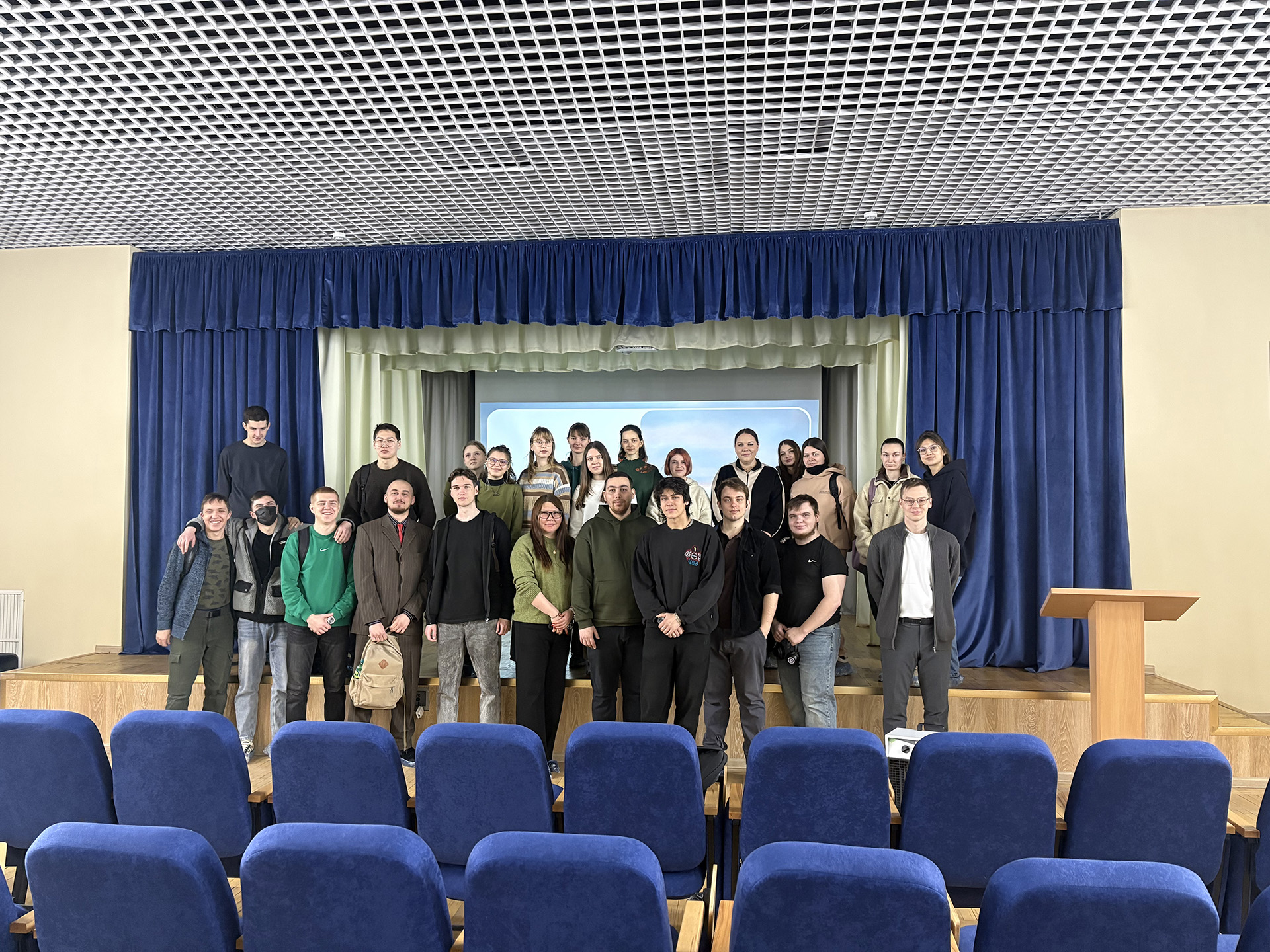
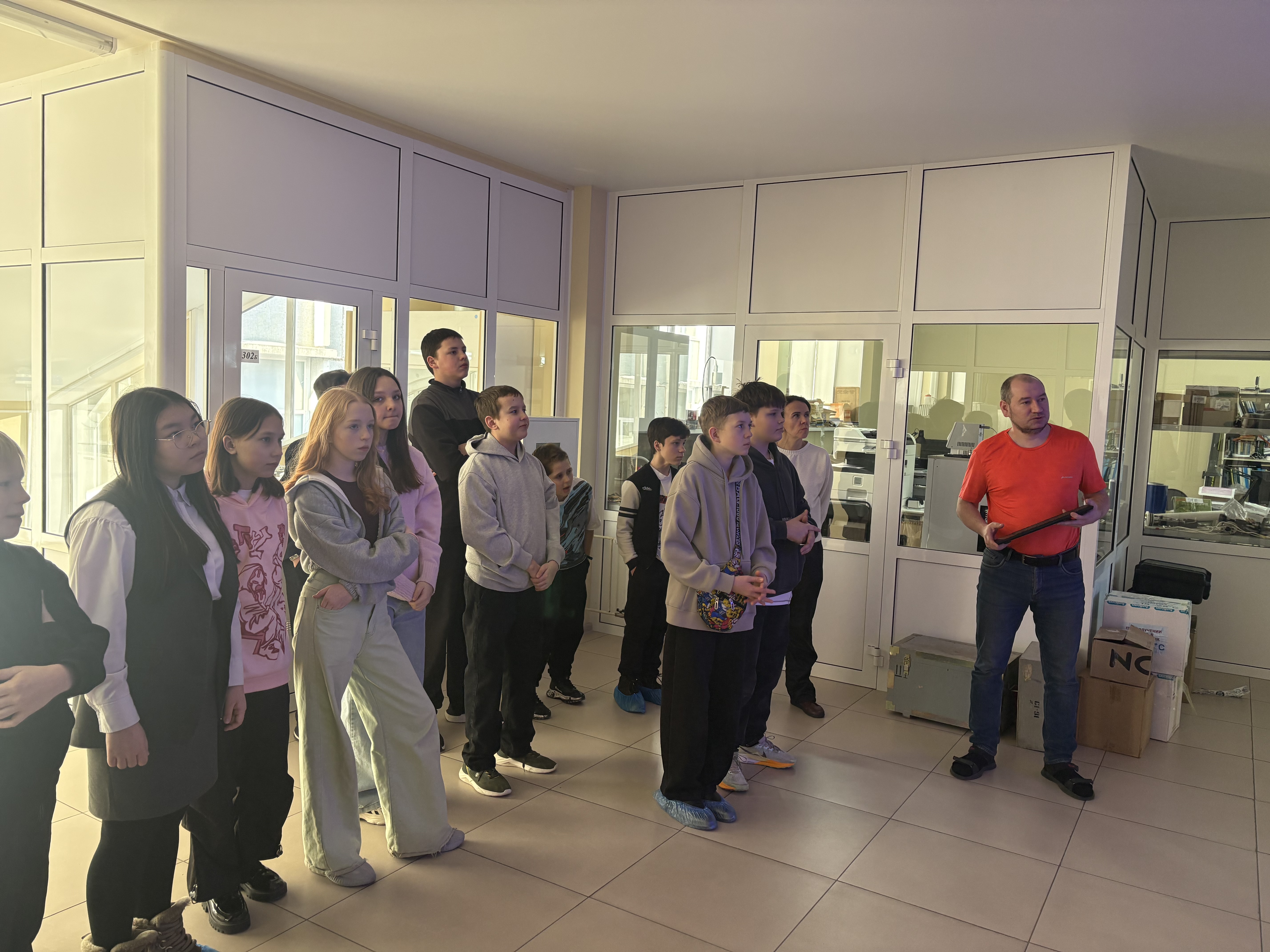
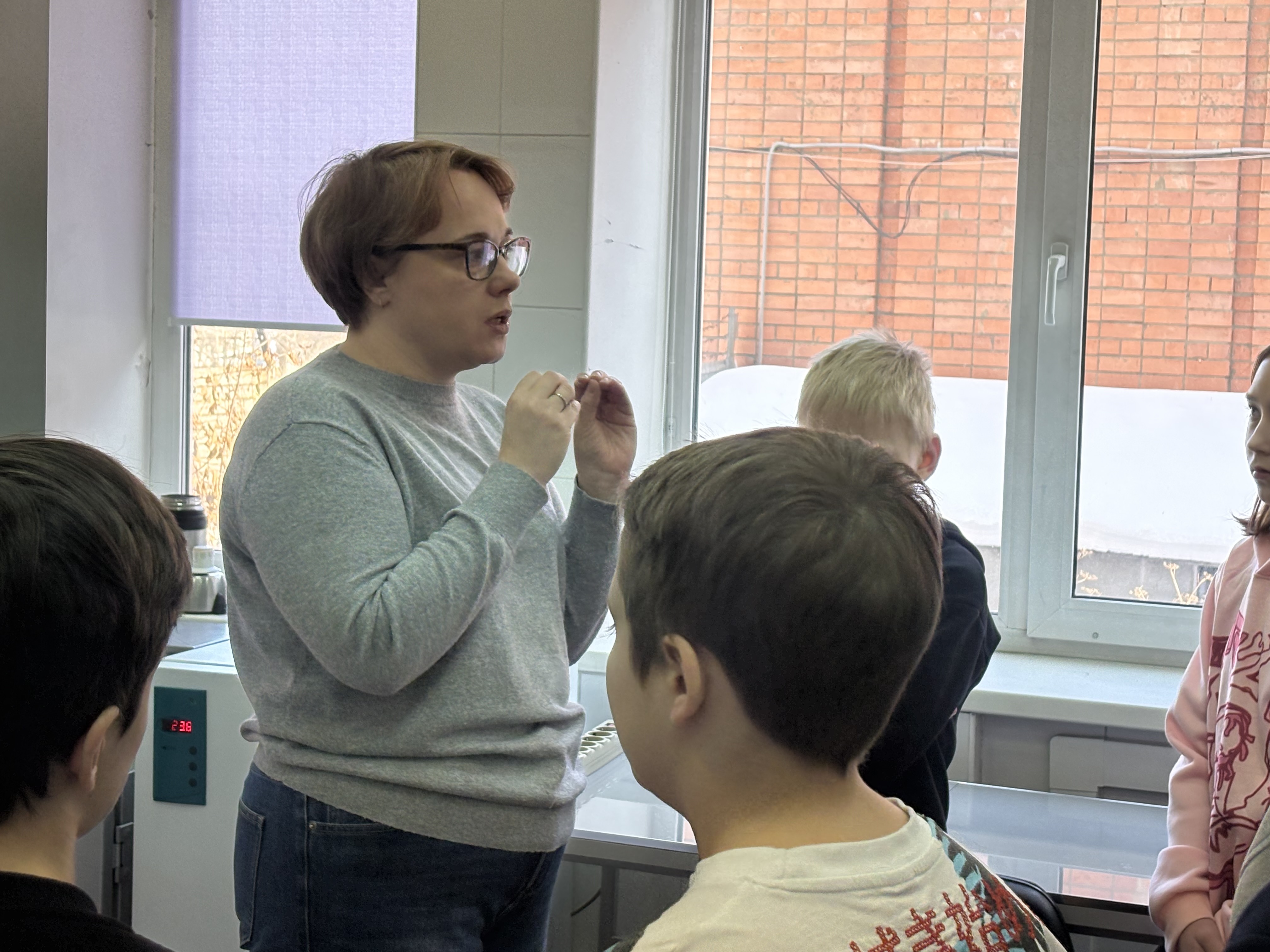
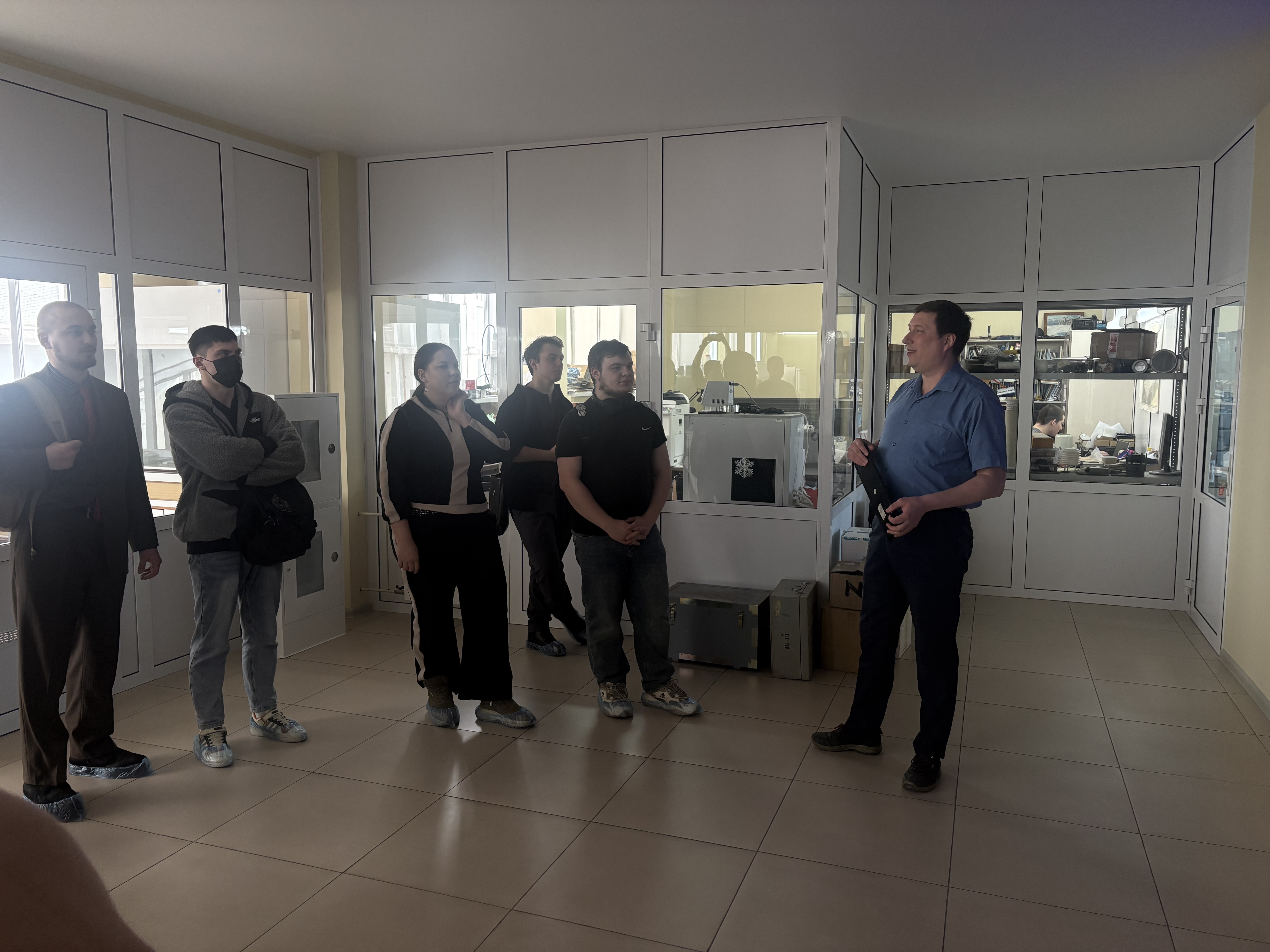
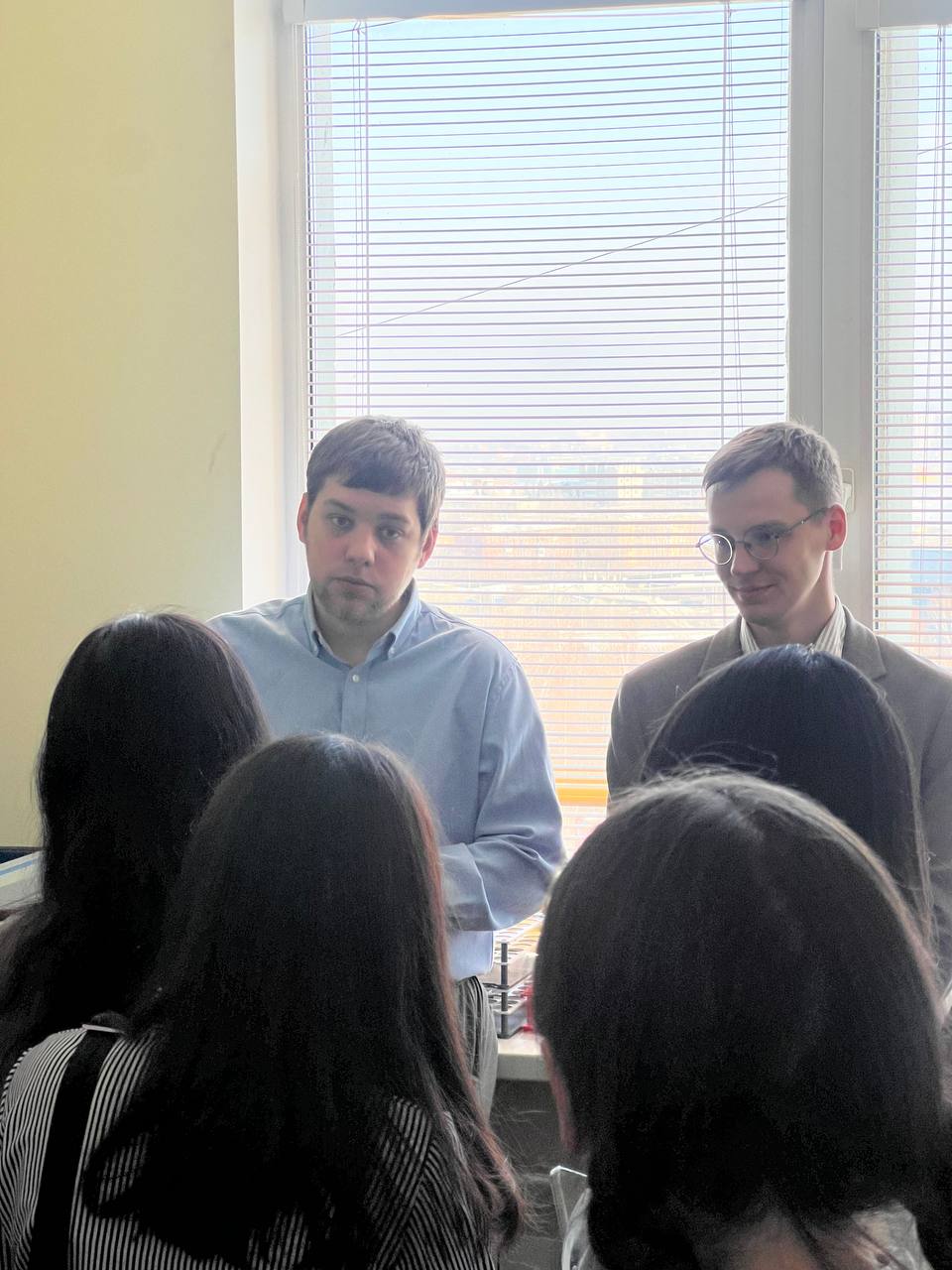
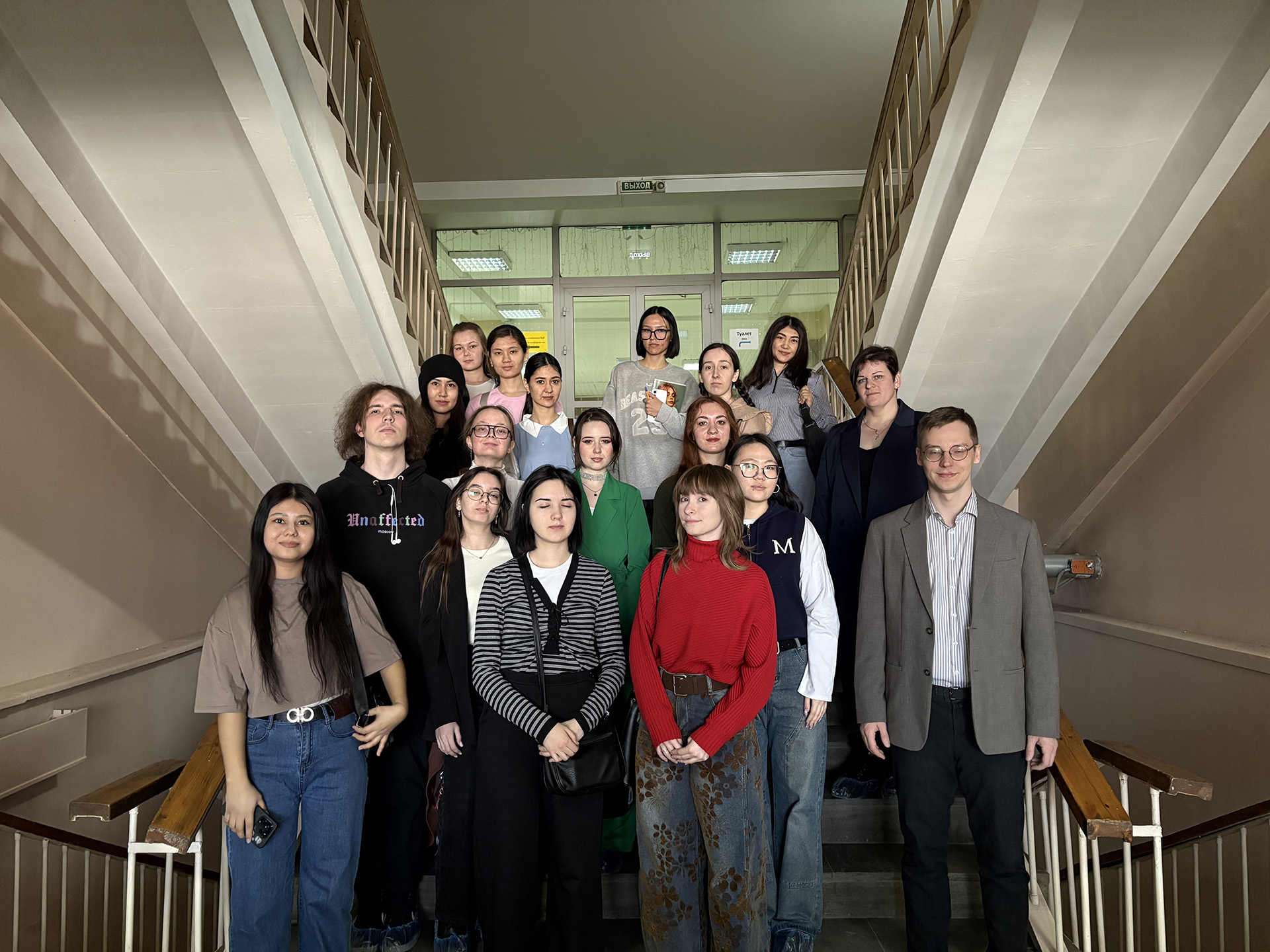
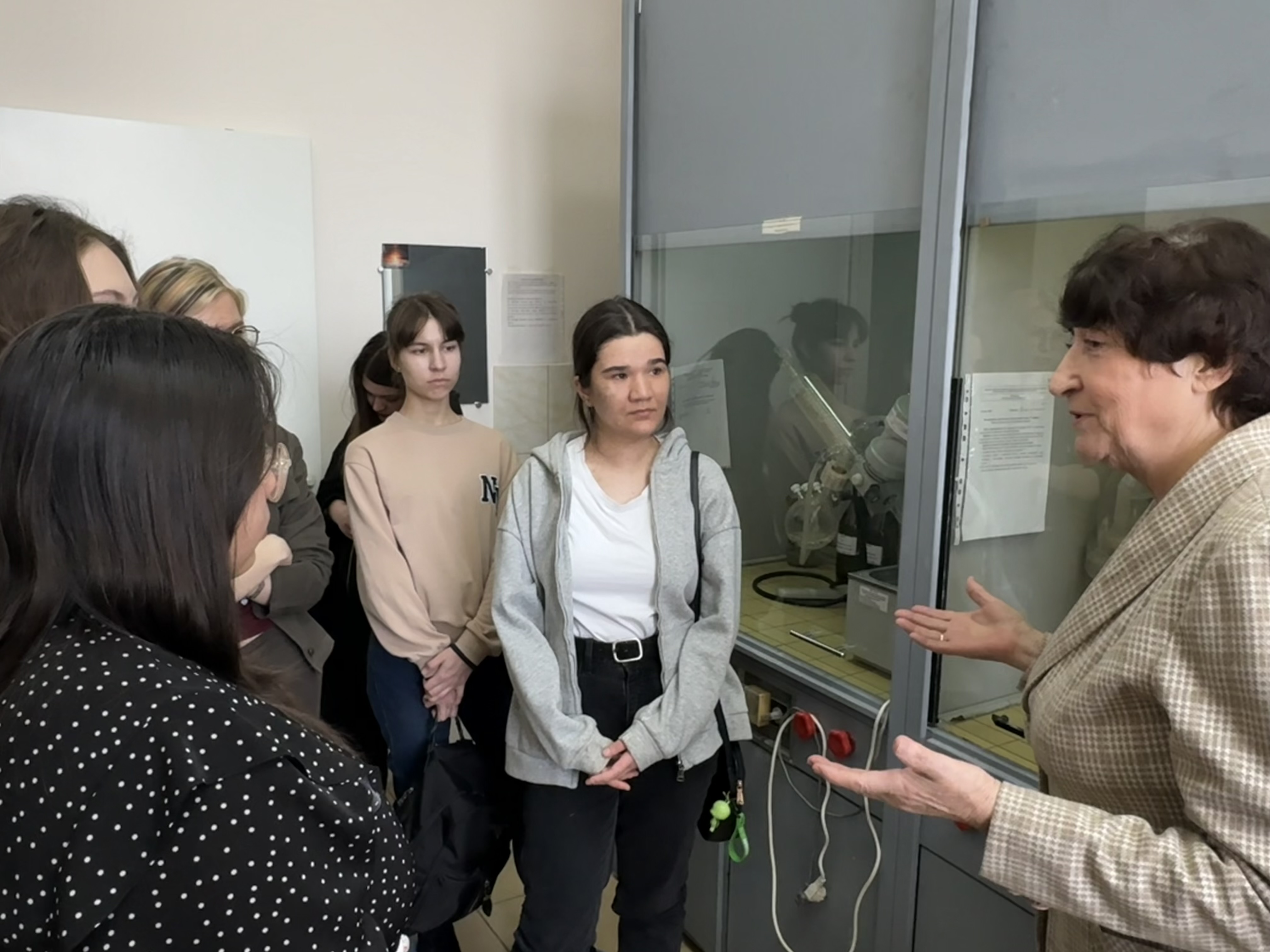
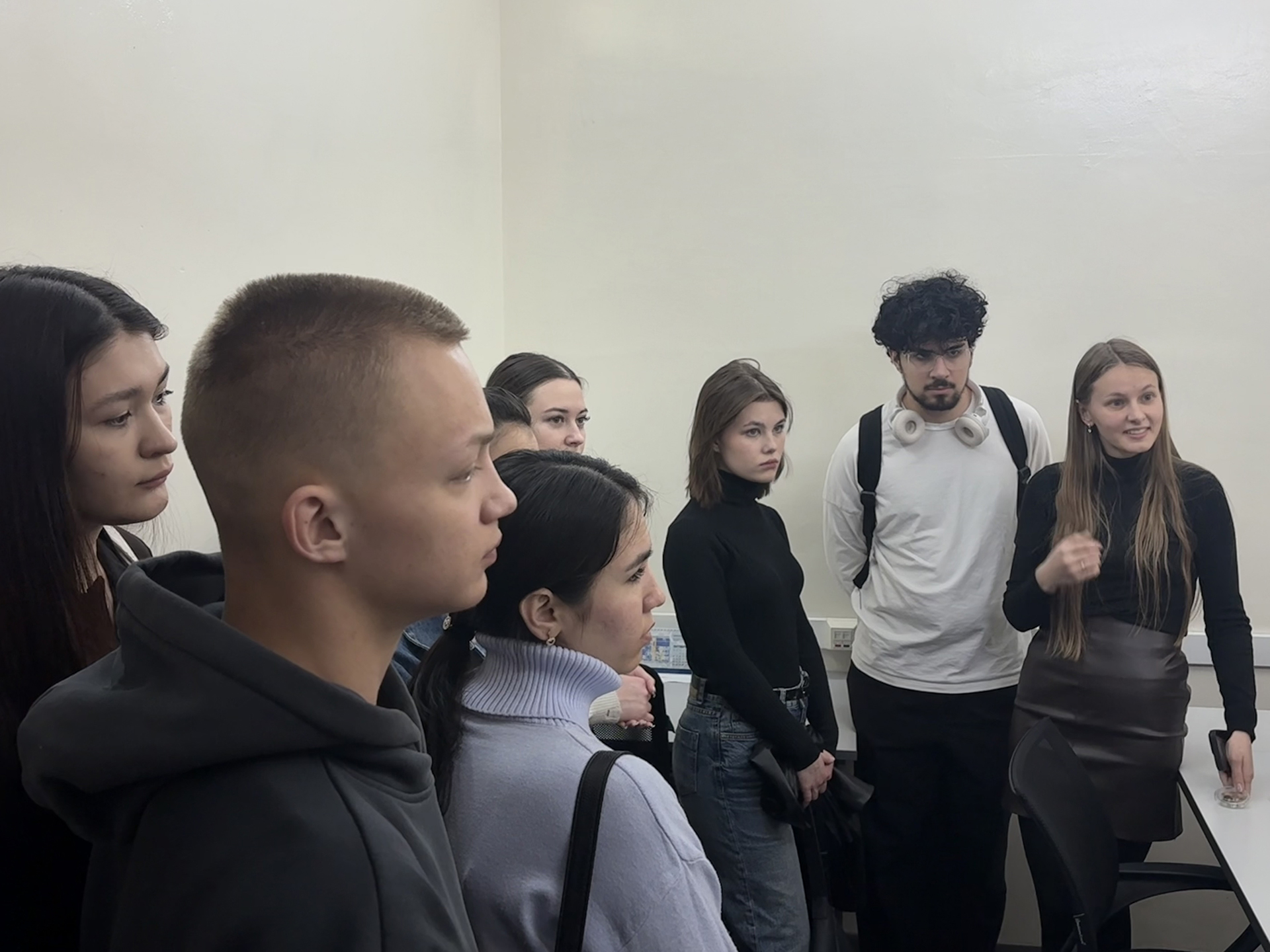
From February 16 to March 3, 2026, a series of popular scientific events for students and schoolchildren was held at LIN SB RAS. Five excursions and lectures were organized for students of Teacher-Training Institute of ISU and the Faculty of Geography of ISU (on February 16, 18, 19 and 27, as well as on March 2). Additionally, on February 25 and on March 3, lectures were held for schoolchildren of Education Center No. 47 in Irkutsk.
During the program, the participants got acquainted with the history of the formation of LIN SB RAS and its development. Special attention was paid to the system of scientific work: from setting tasks and planning field trips to sampling, laboratory measurements, data quality control, processing results and preparing publications. This format enabled students and schoolchildren to observe the connection between academic subjects and the real research challenges of Baikal region.
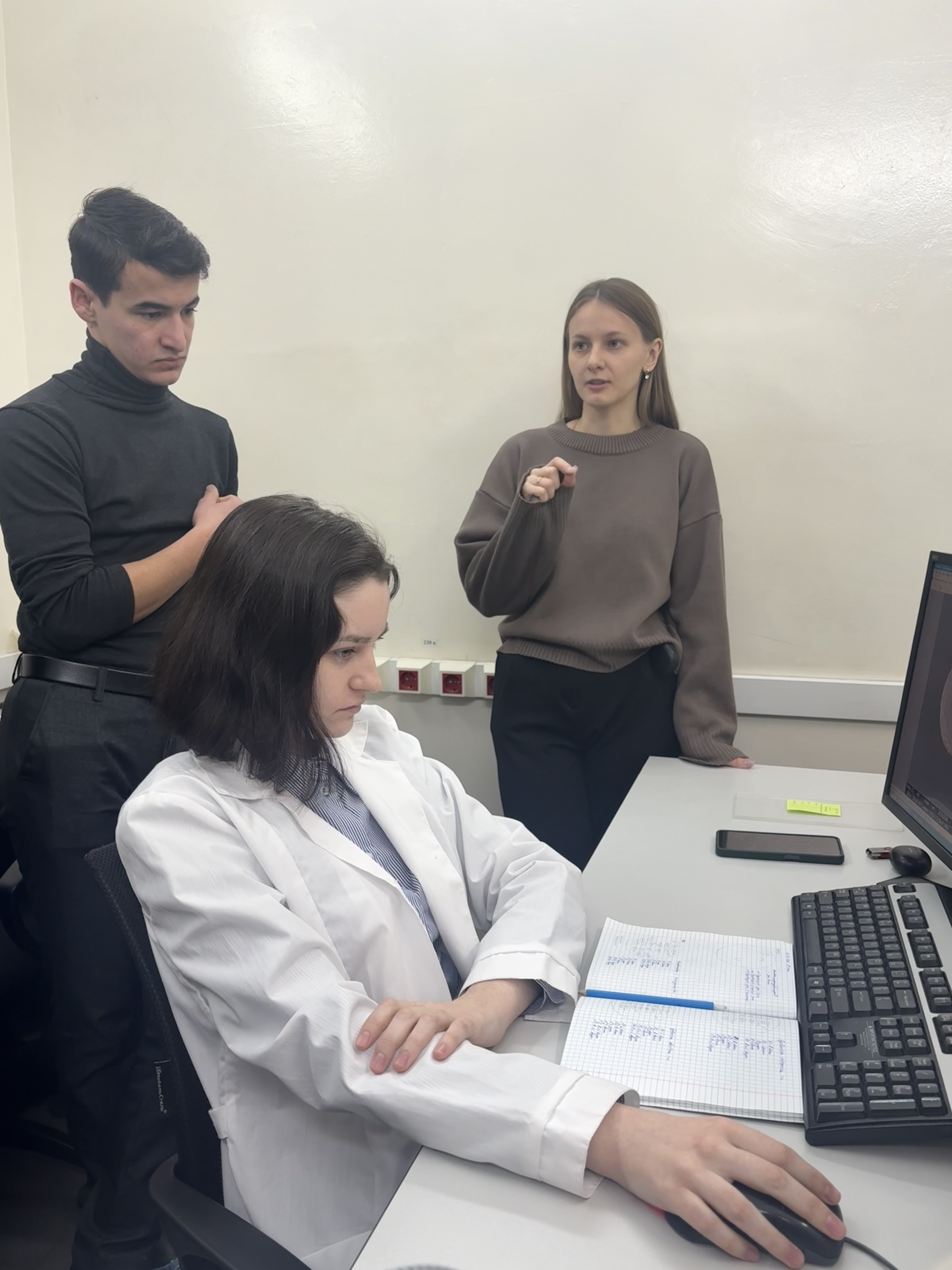
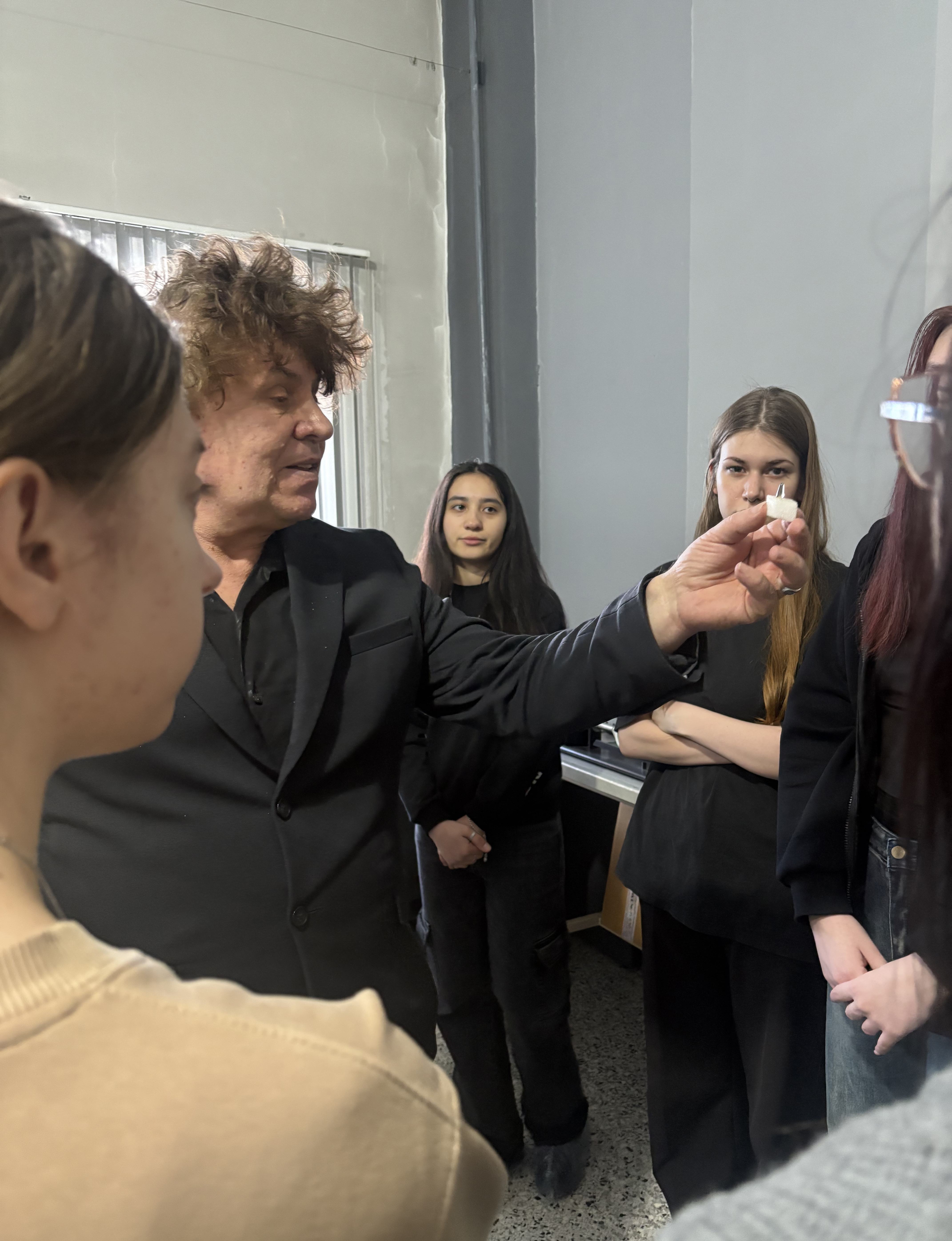
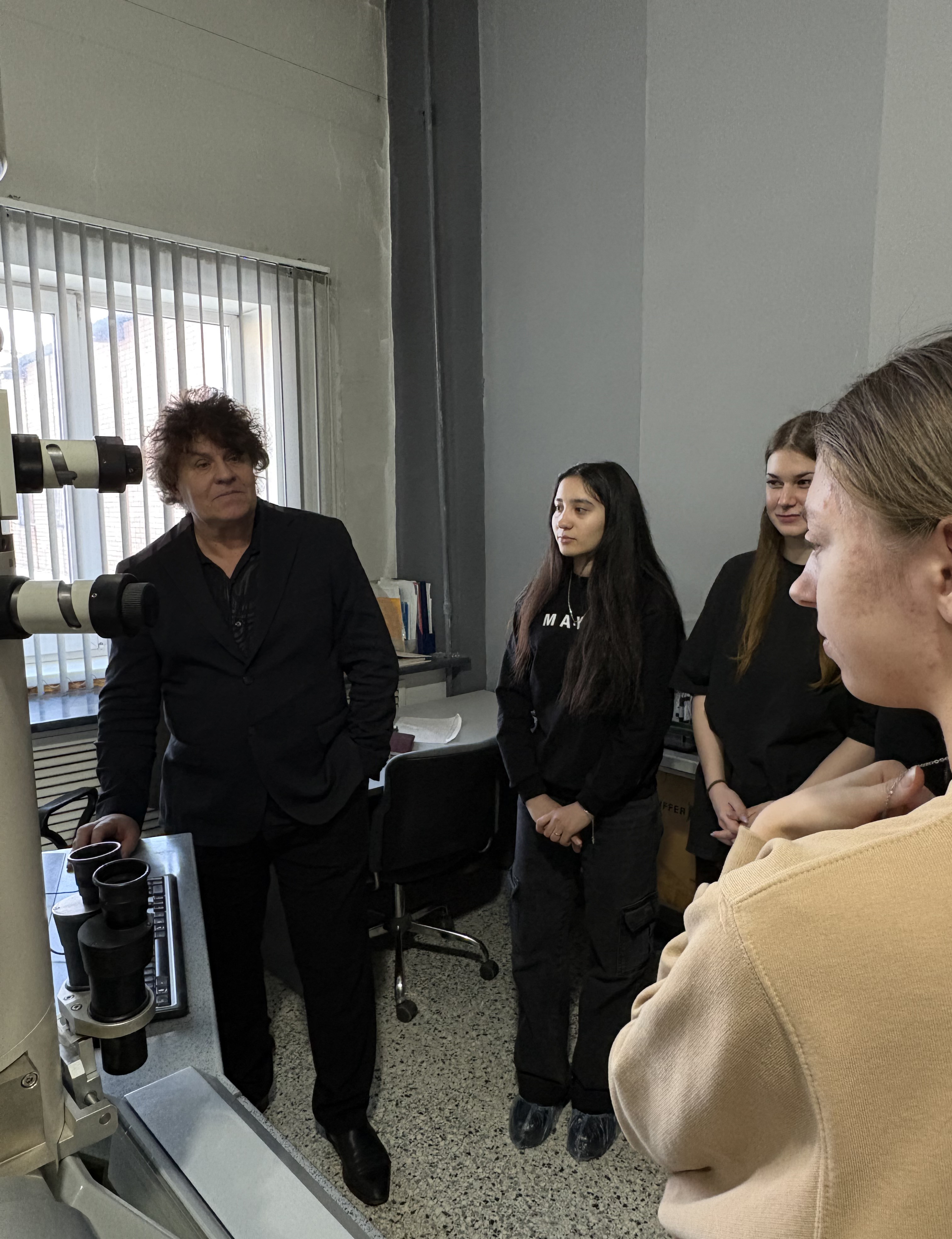
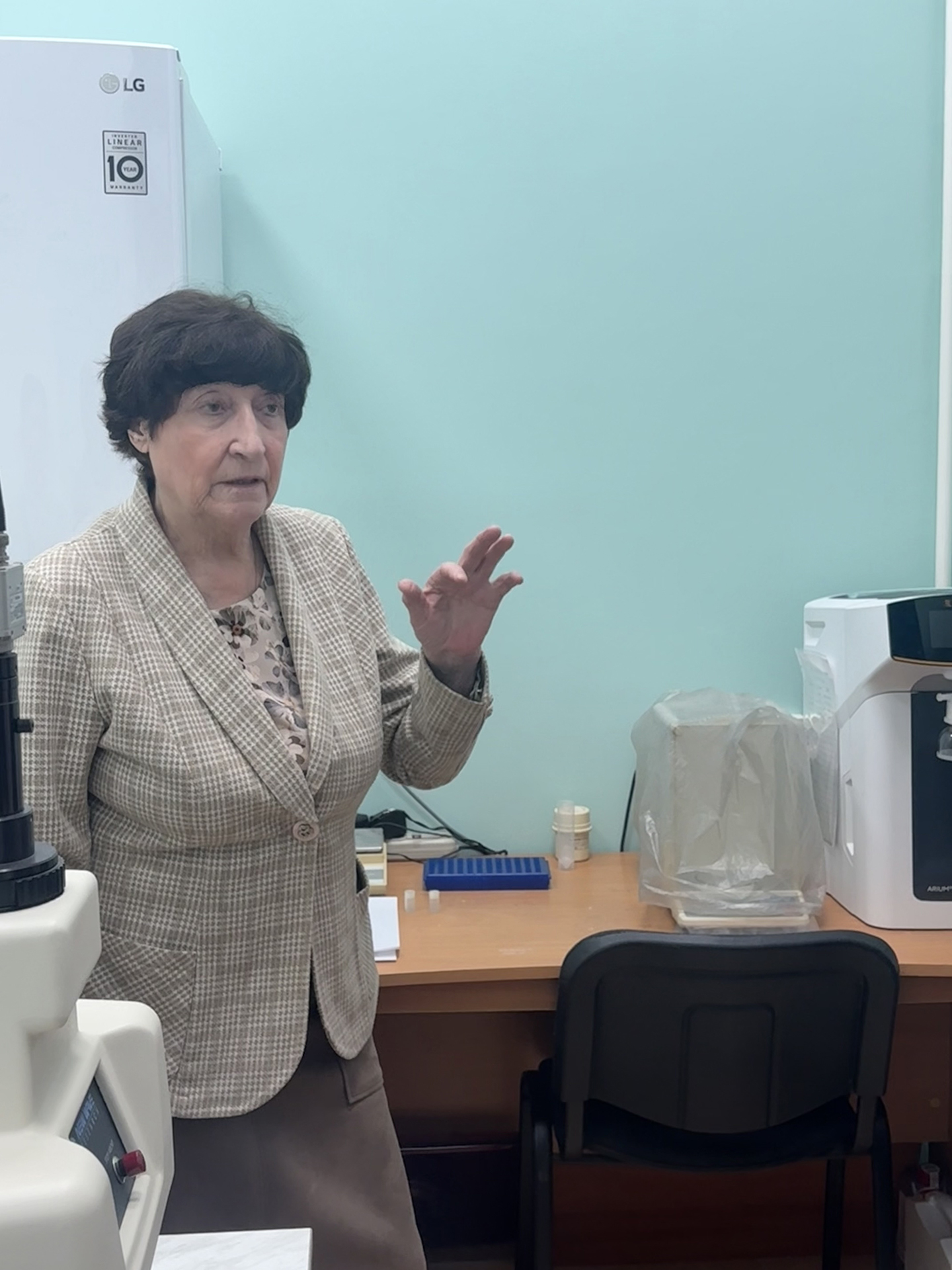
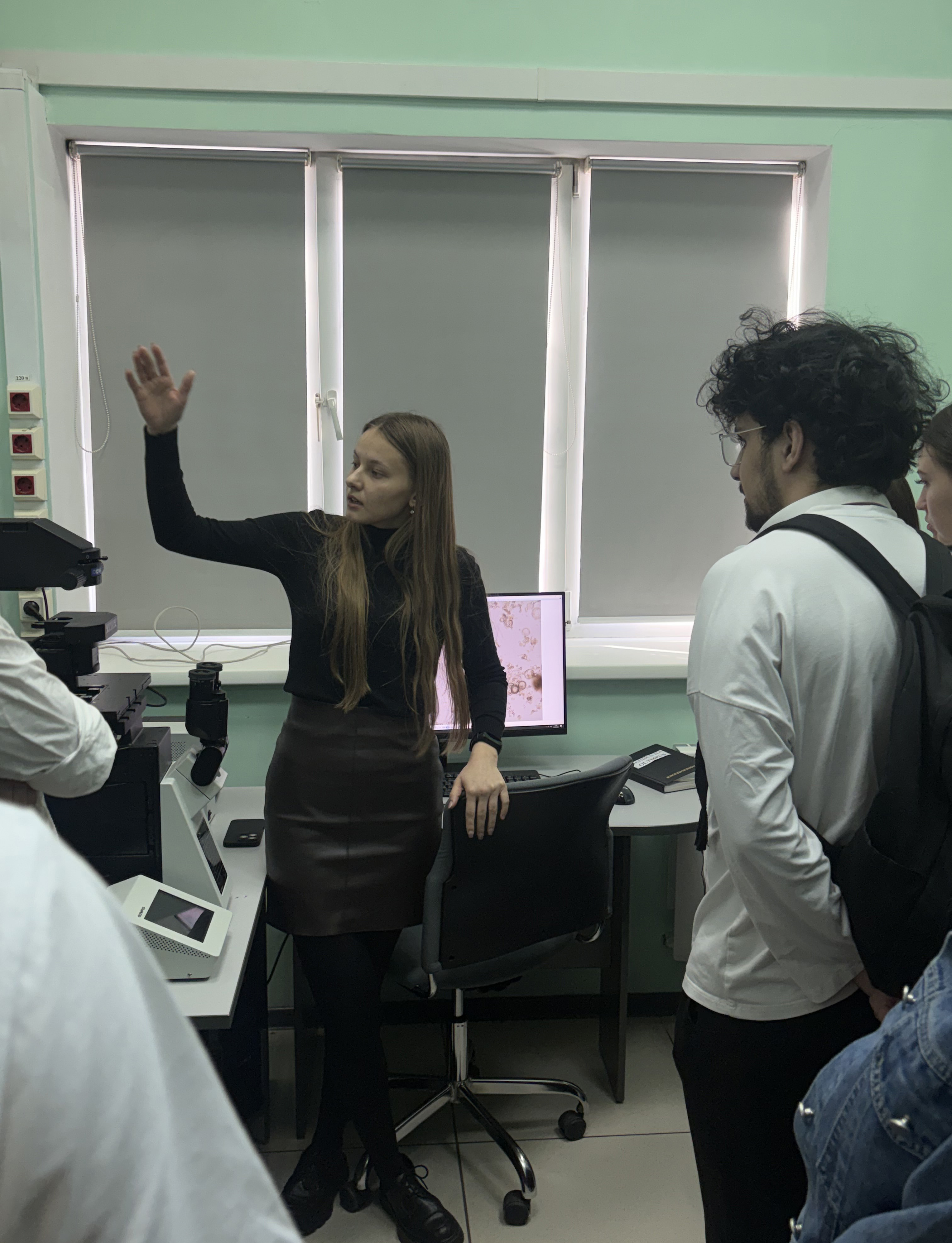
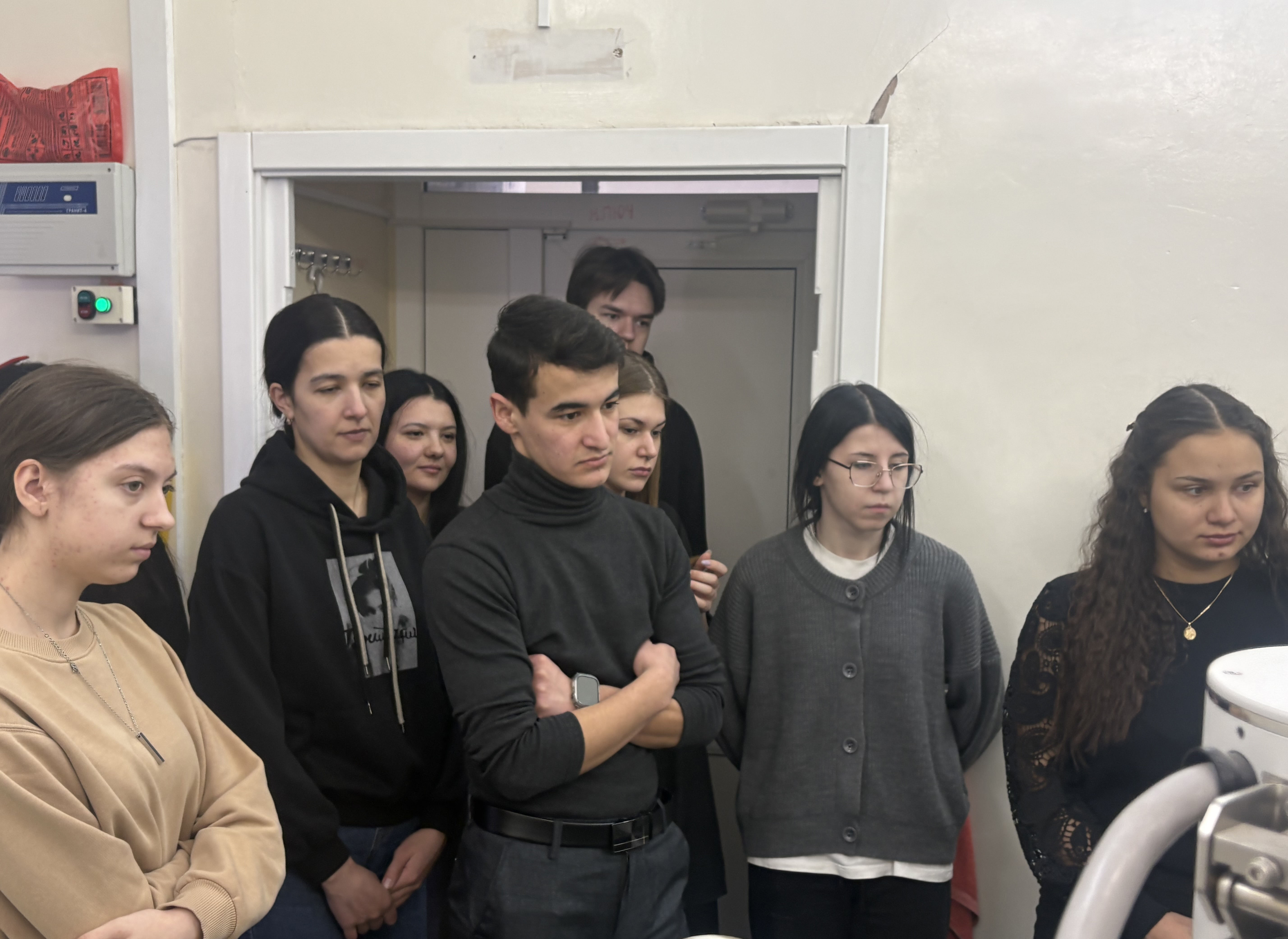
Within a series of lectures and excursions, the participants visited the Ultramicroanalysis Collective Use Center, where they learned about the application of microscopy techniques in the examination of the organisms inhabiting Lake Baikal and aquatic ecosystems as a whole. The instrument base was demonstrated to guests and they were told about the principles of obtaining images at different levels - from observations with a light microscope to studies with electron microscopes, which enable the examination of fine details in the structure of cells and tissues.
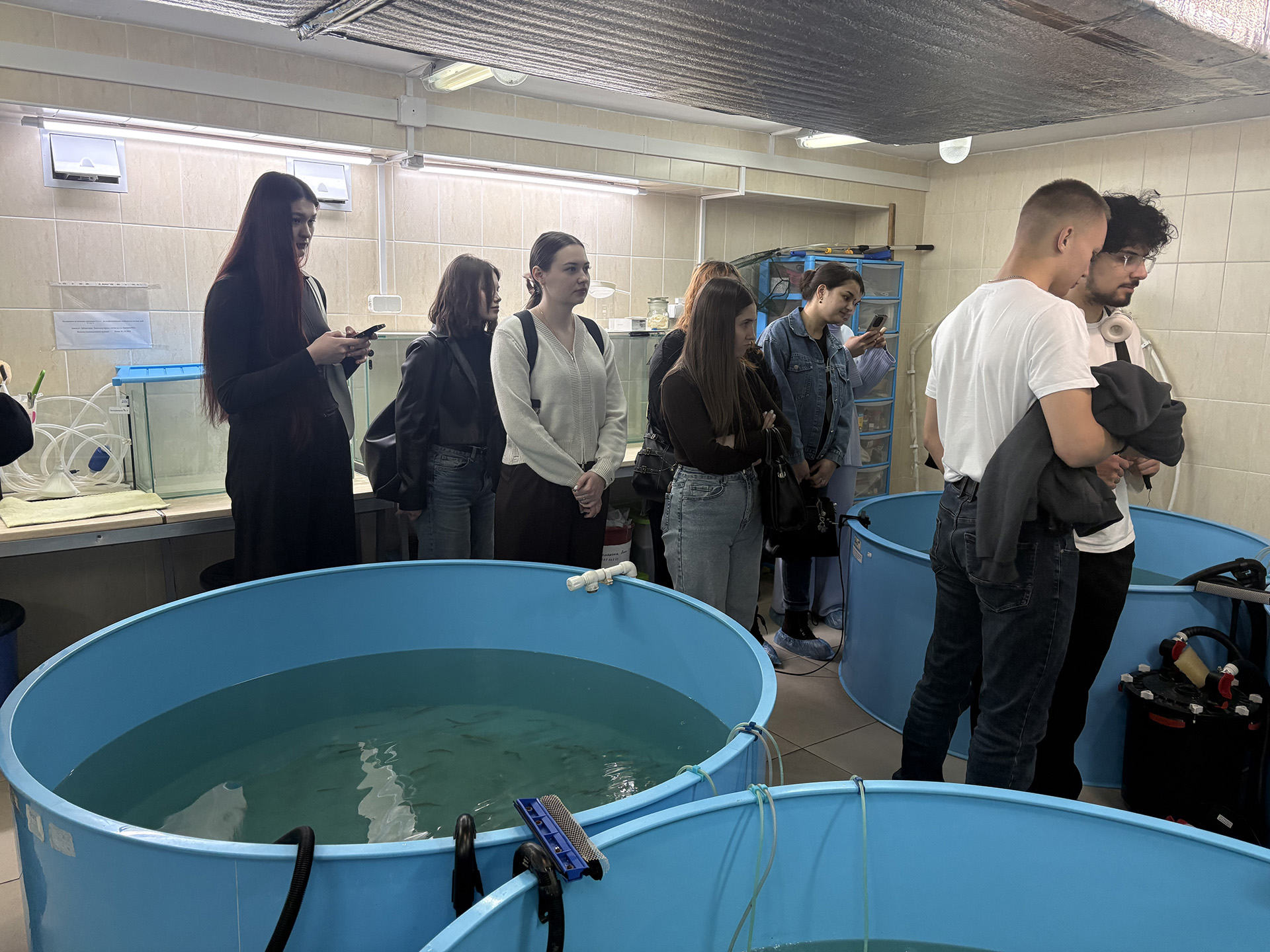
A visit to the Unique Scientific Installation “Experimental Freshwater Aquarium Complex of Baikal Hydrobionts” was of significant interest. Participants were told about the research related to experimental studies of aquatic organisms, which included tasks focused on understanding their adaptation to changing environmental conditions (such as temperature, oxygen levels, and other factors), as well as the significance of such experiments in interpreting monitoring data.
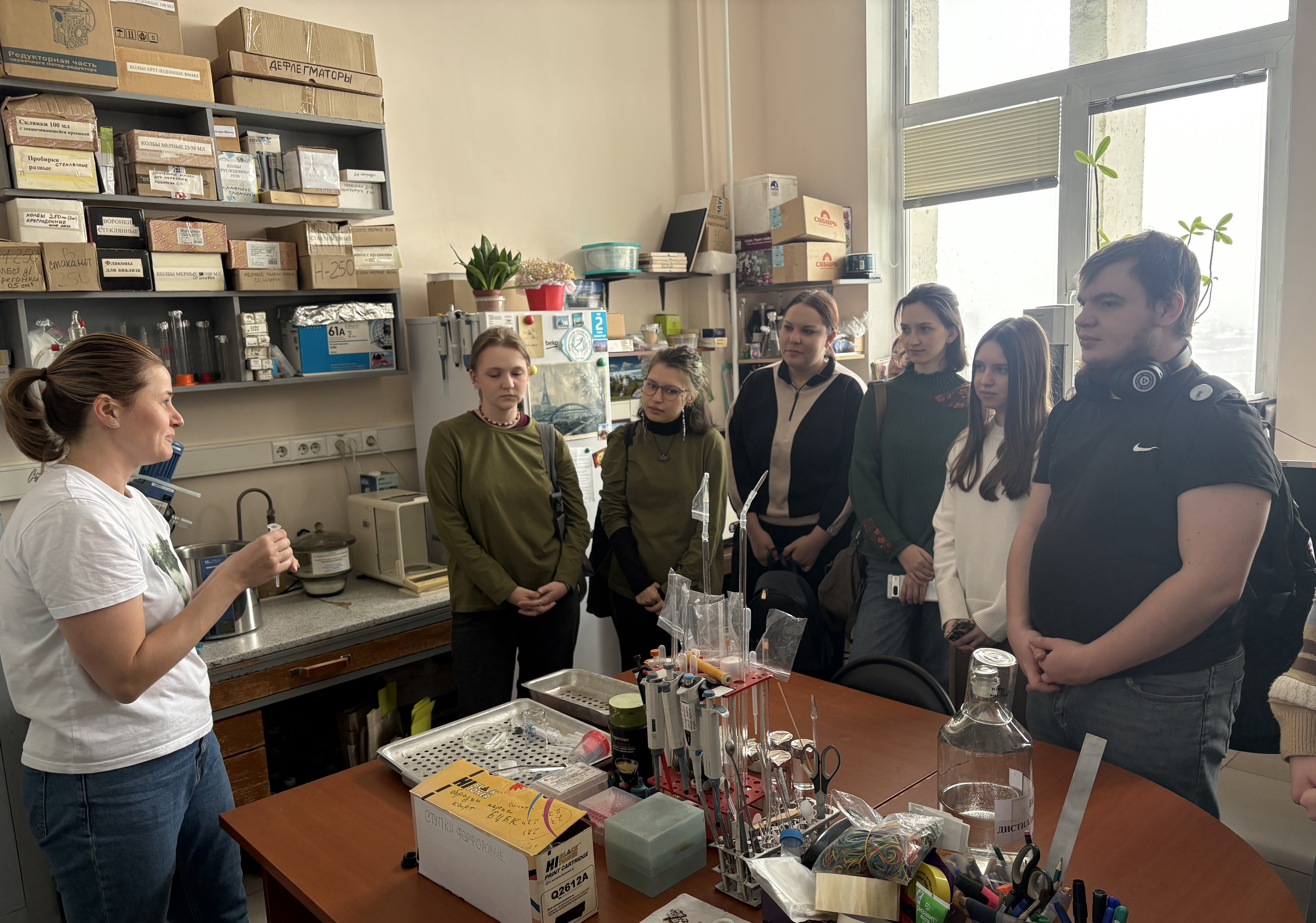
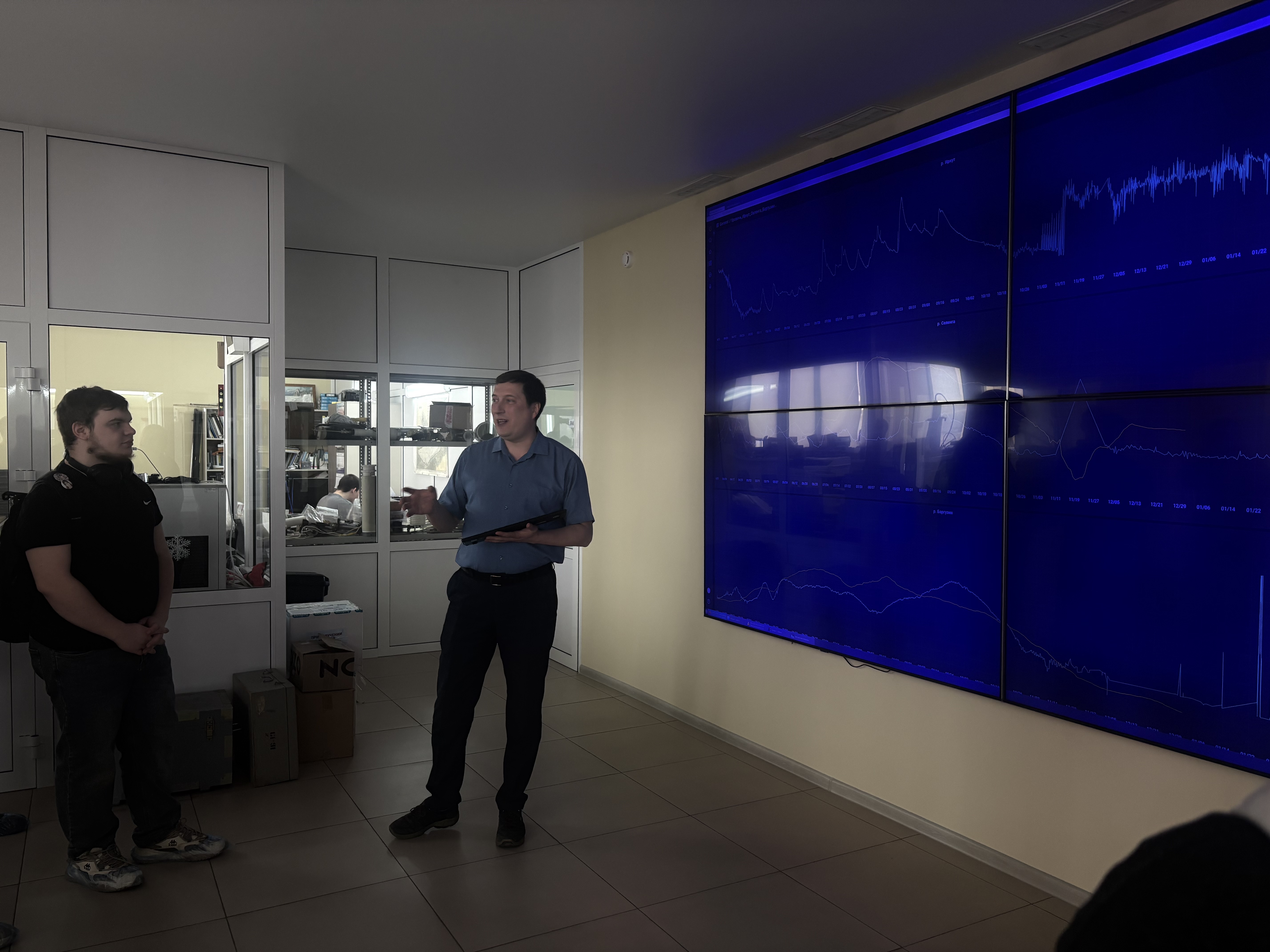
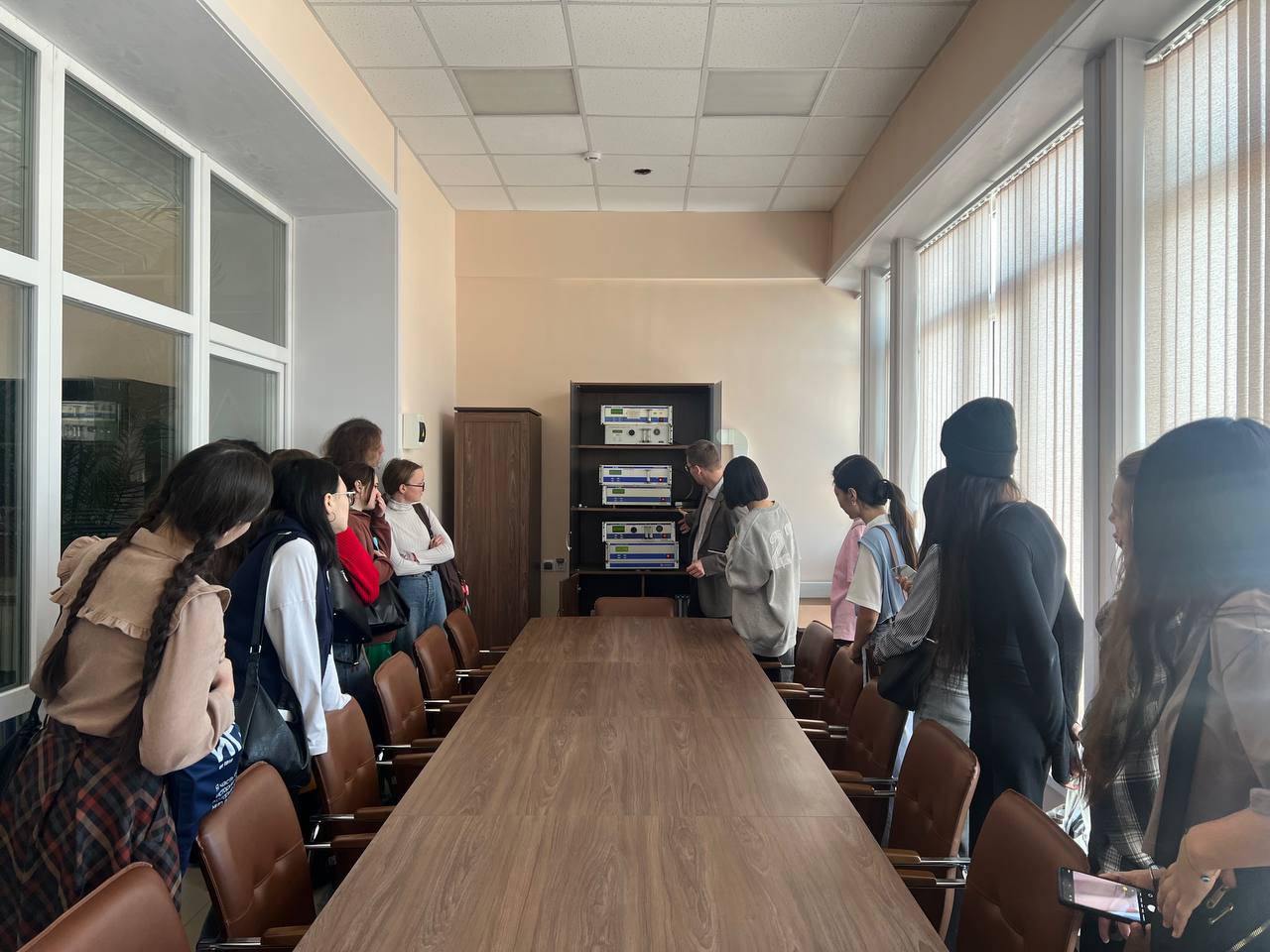
The program included separate points of excursions to the laboratory of chromatography, hydrochemistry and atmospheric chemistry, where guests were presented with modern methods for analyzing the chemical composition of water, atmospheric precipitation and other natural environments. The participants also visited the Center for Interactive Monitoring of the Baikal Natural Territory and Lake Baikal, Laboratory of Hydrology and Hydrophysics and Interdisciplinary Environmental and Economic Research and Technologies. They were told about a large-scale system of observations for hydrochemical and hydrophysical parameters of water bodies in Baikal region, along with instruments for monitoring the atmospheric environment within the Baikal natural territory, which included the online presentation of some data.
These events became an opportunity for participants to see the work of Institute from the inside, get acquainted with the modern research infrastructure and better understand how fundamental research turns into results that are significant for preserving the Baikal ecosystem.