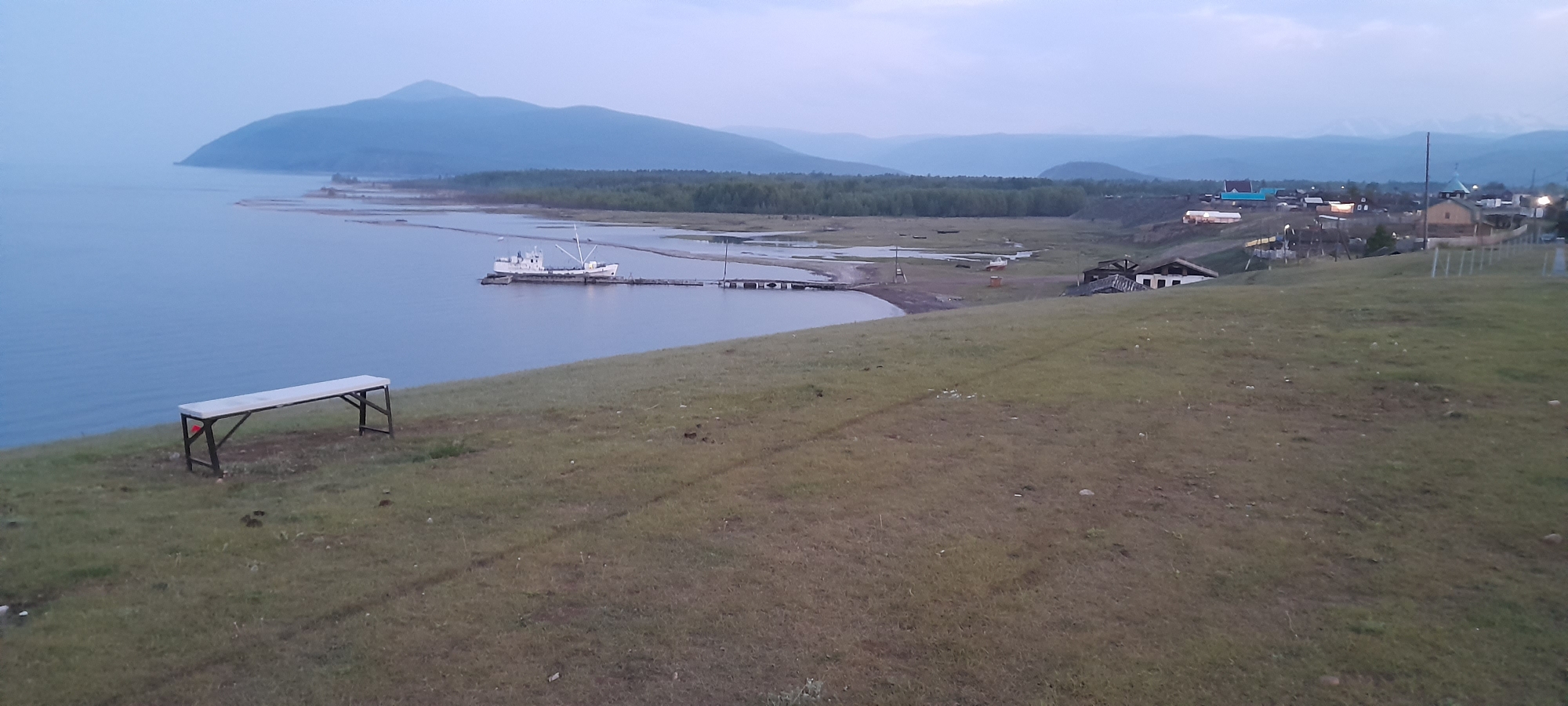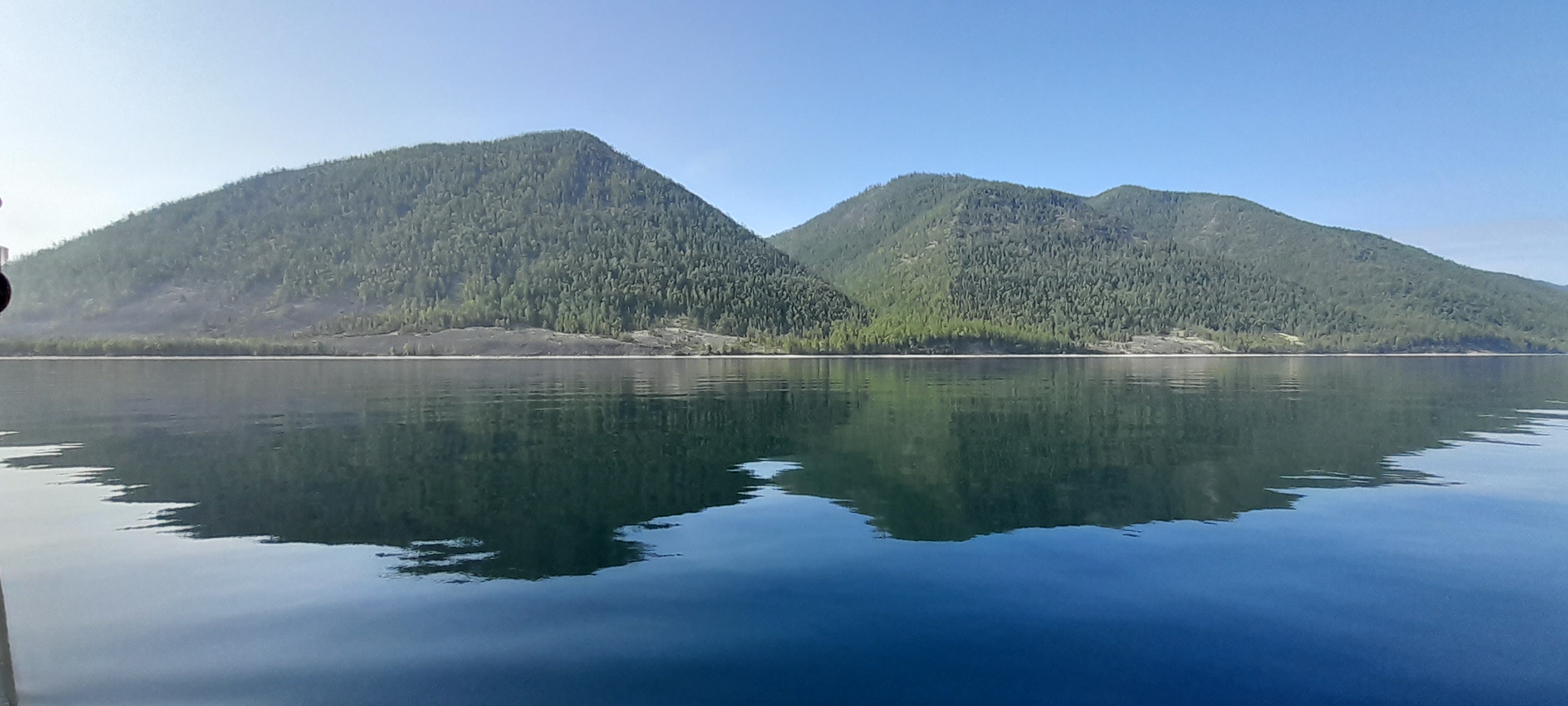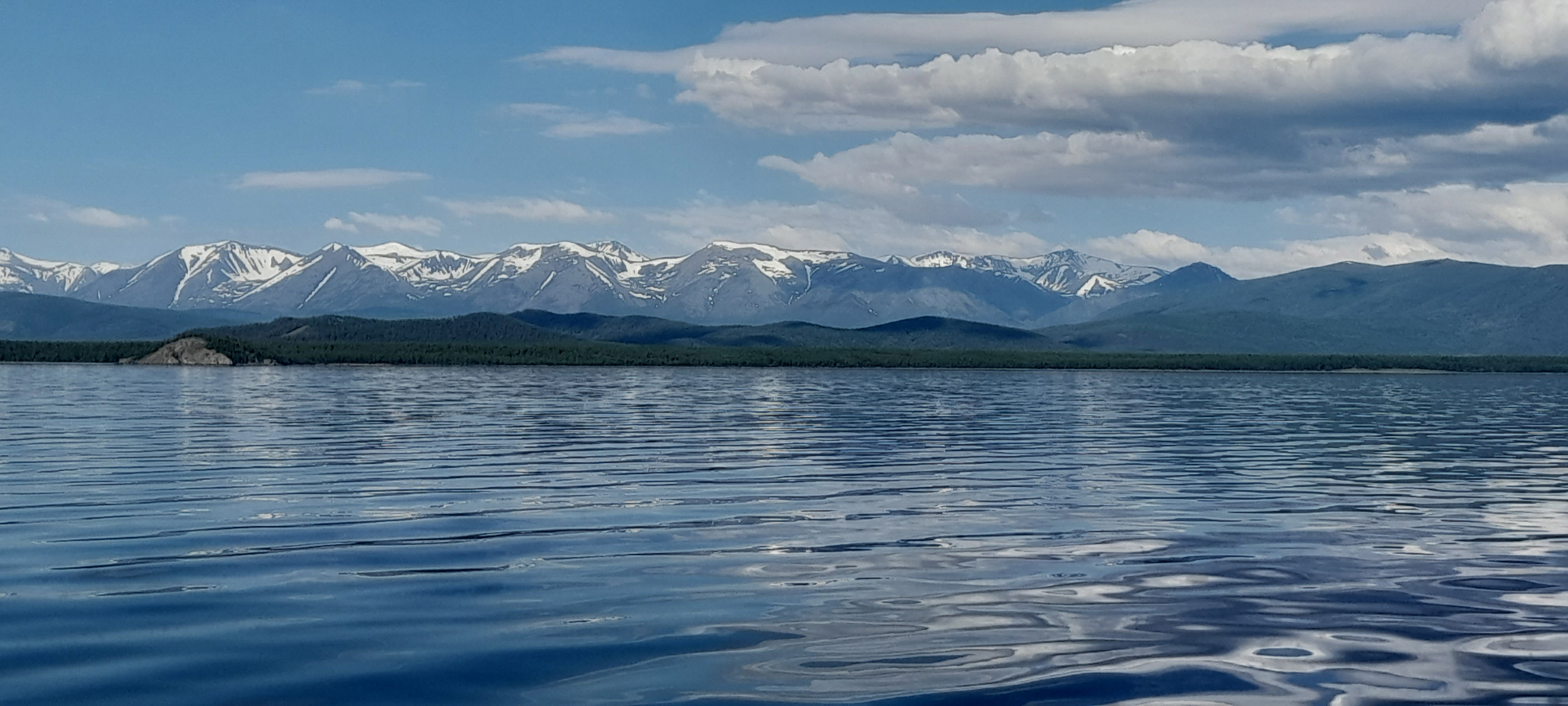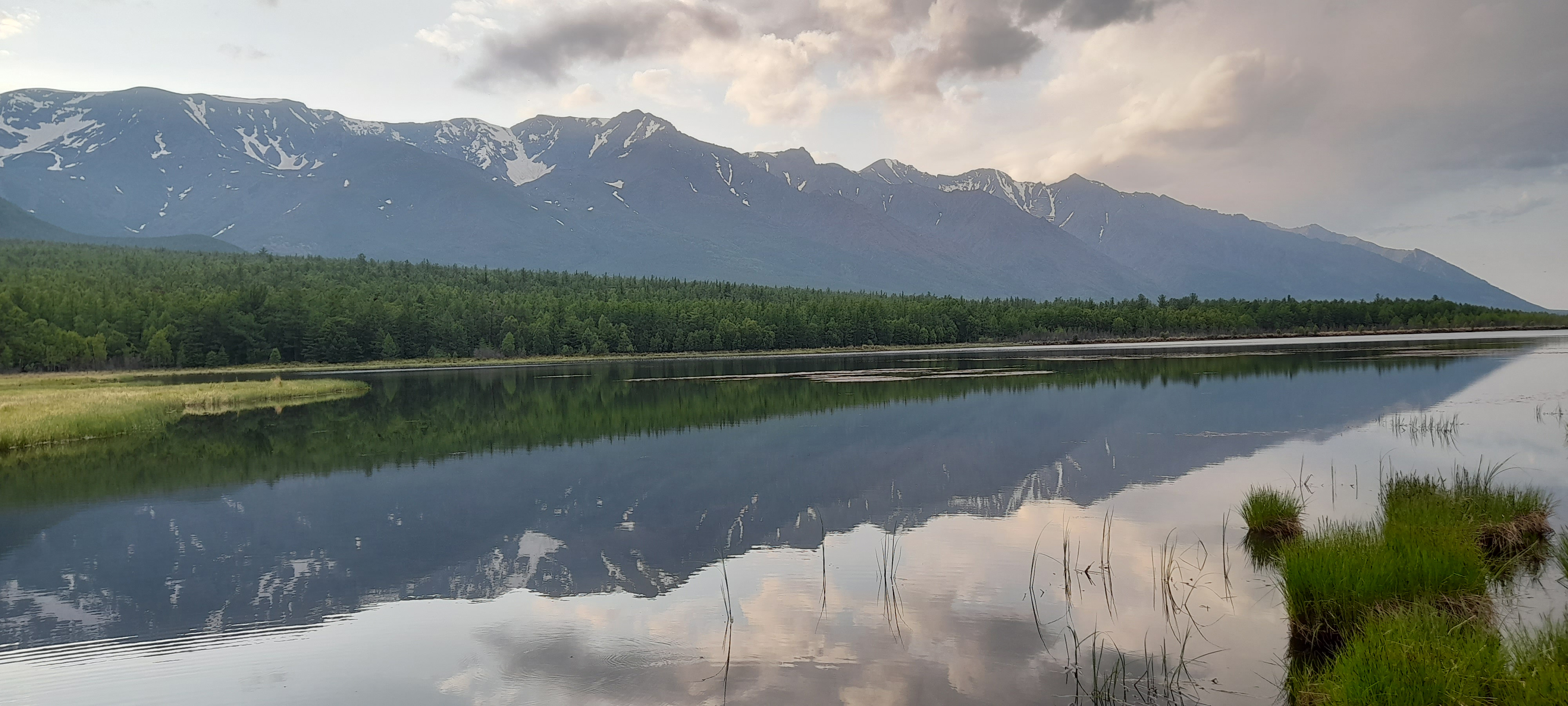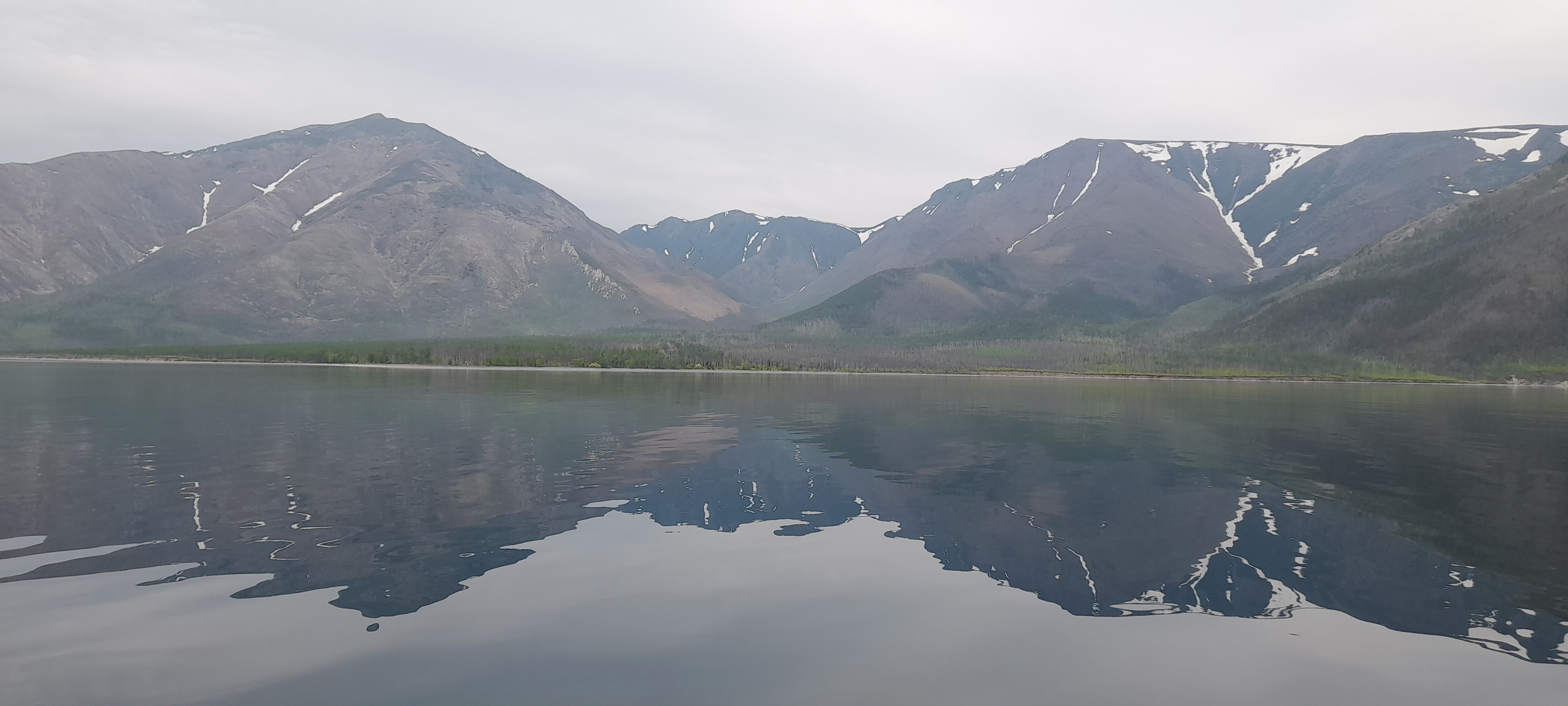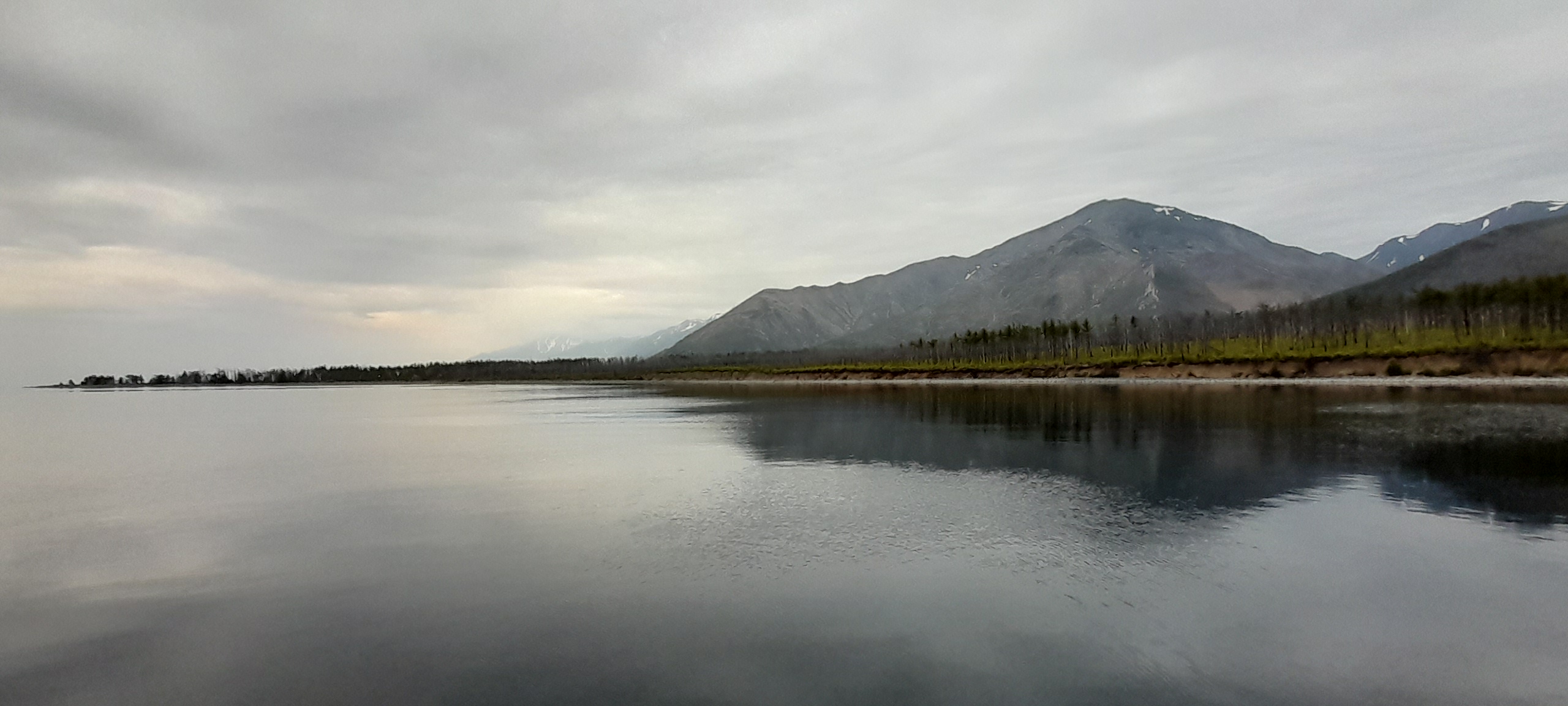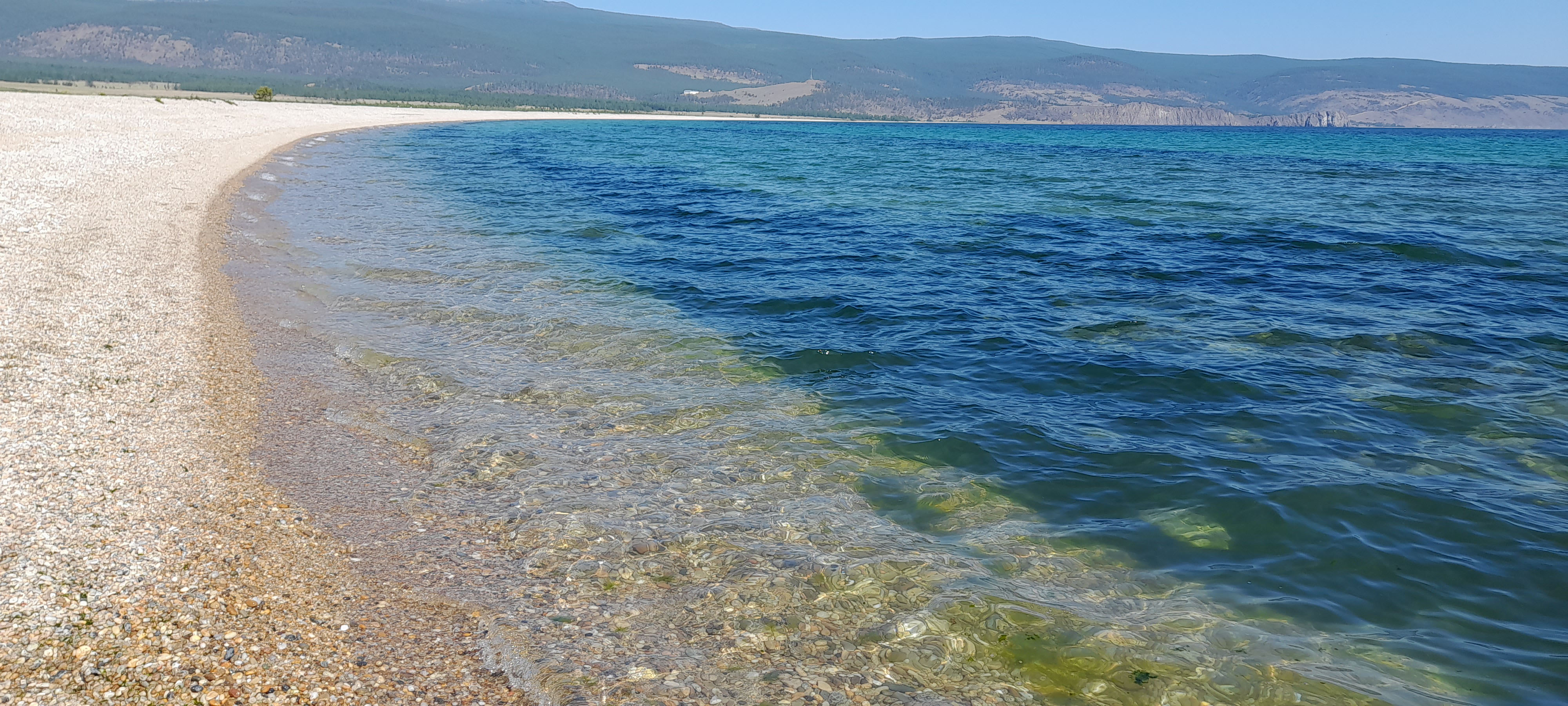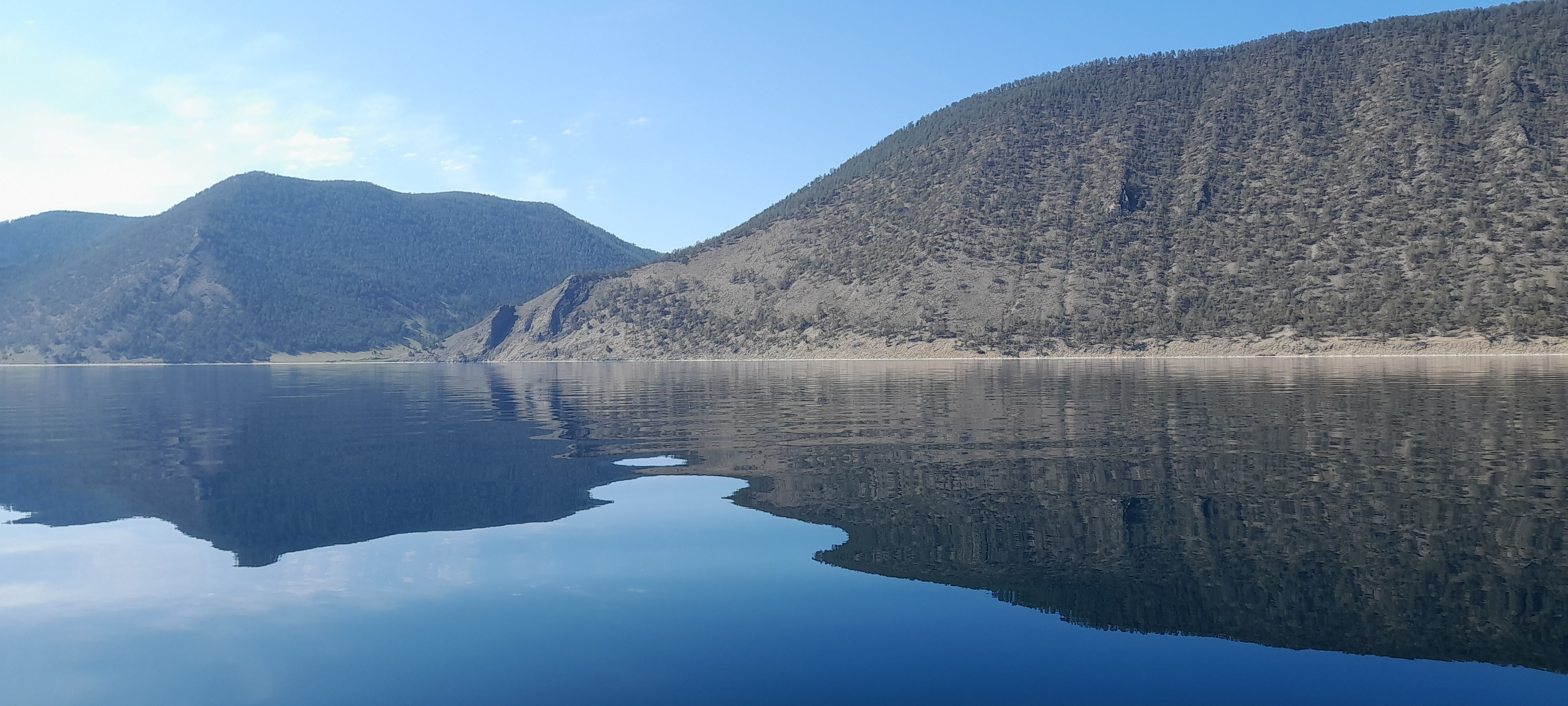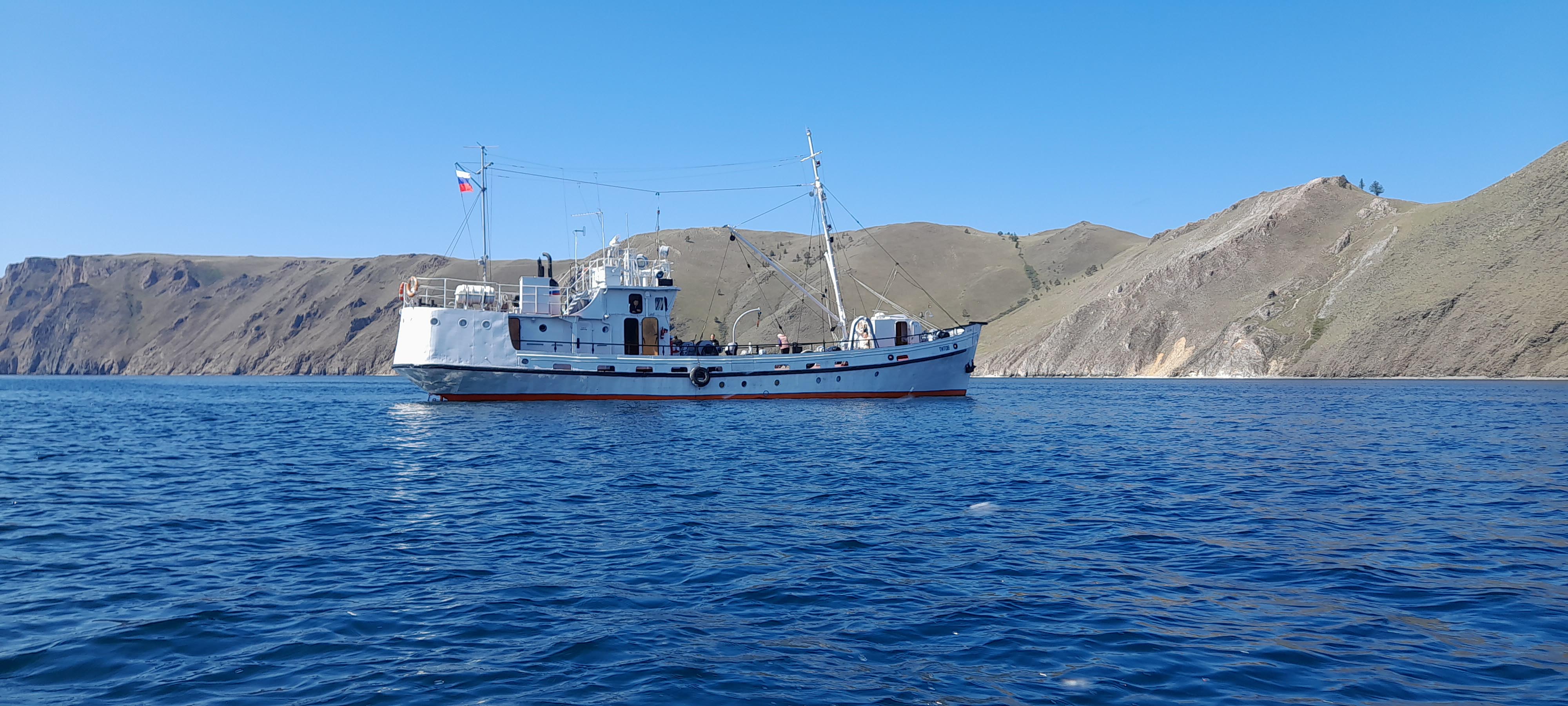



Expedition on R/V Titov on June 13-22, 2025
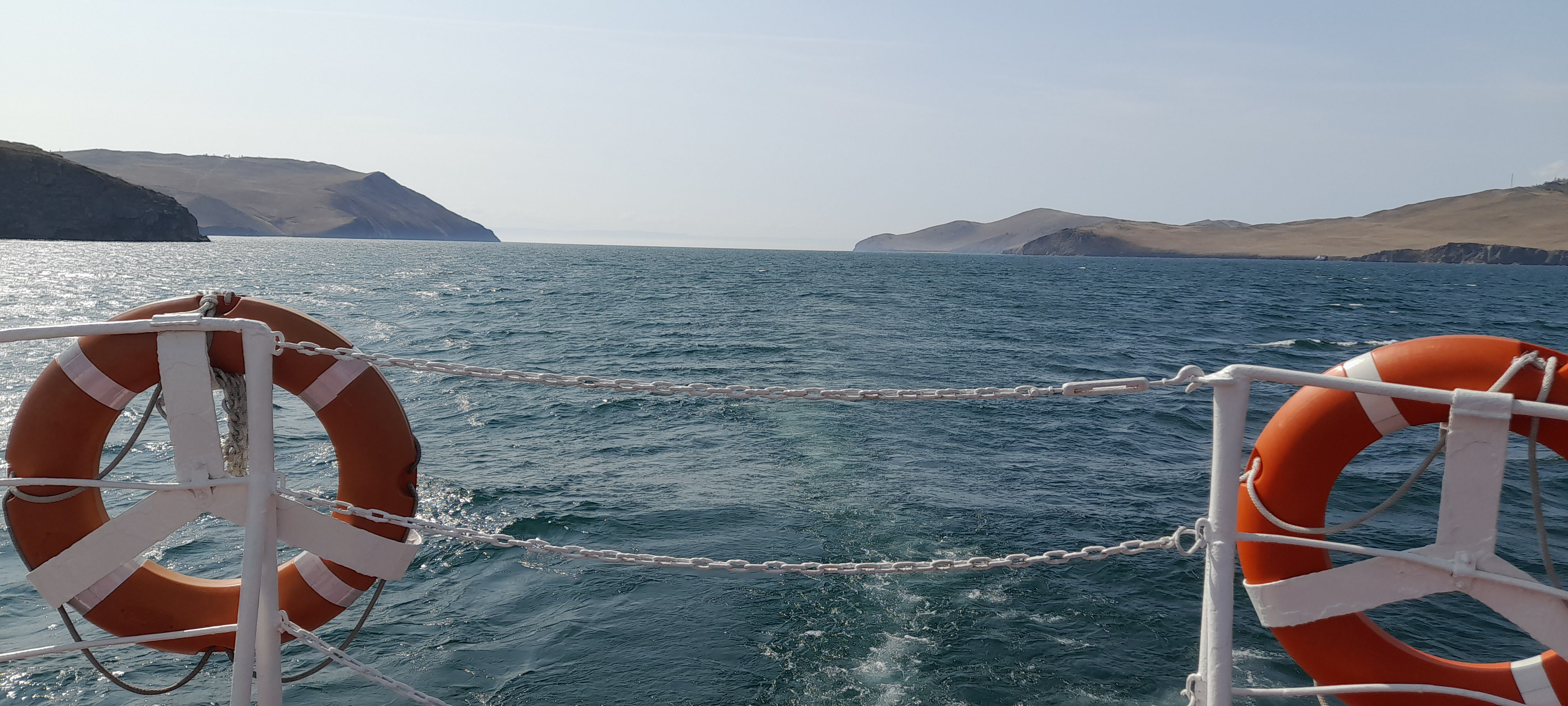
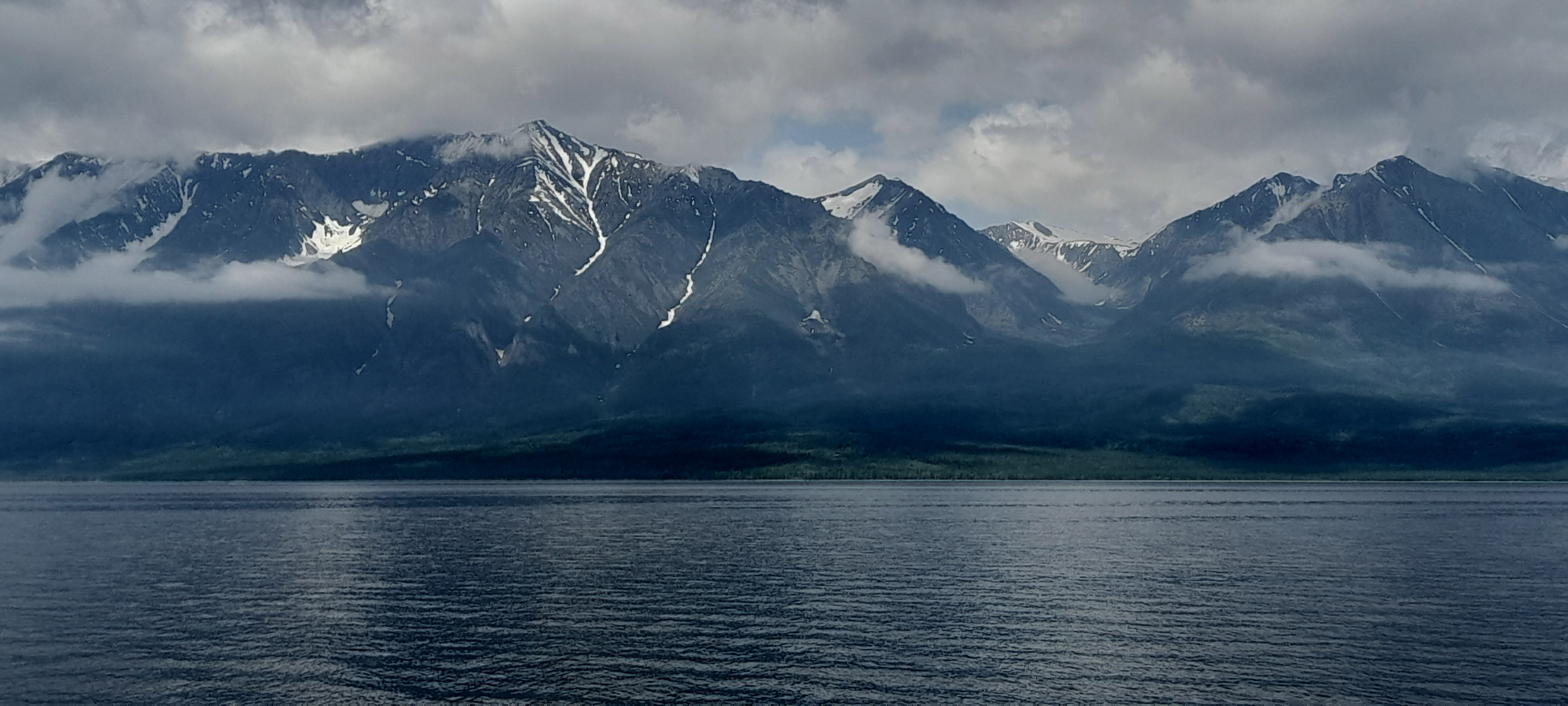
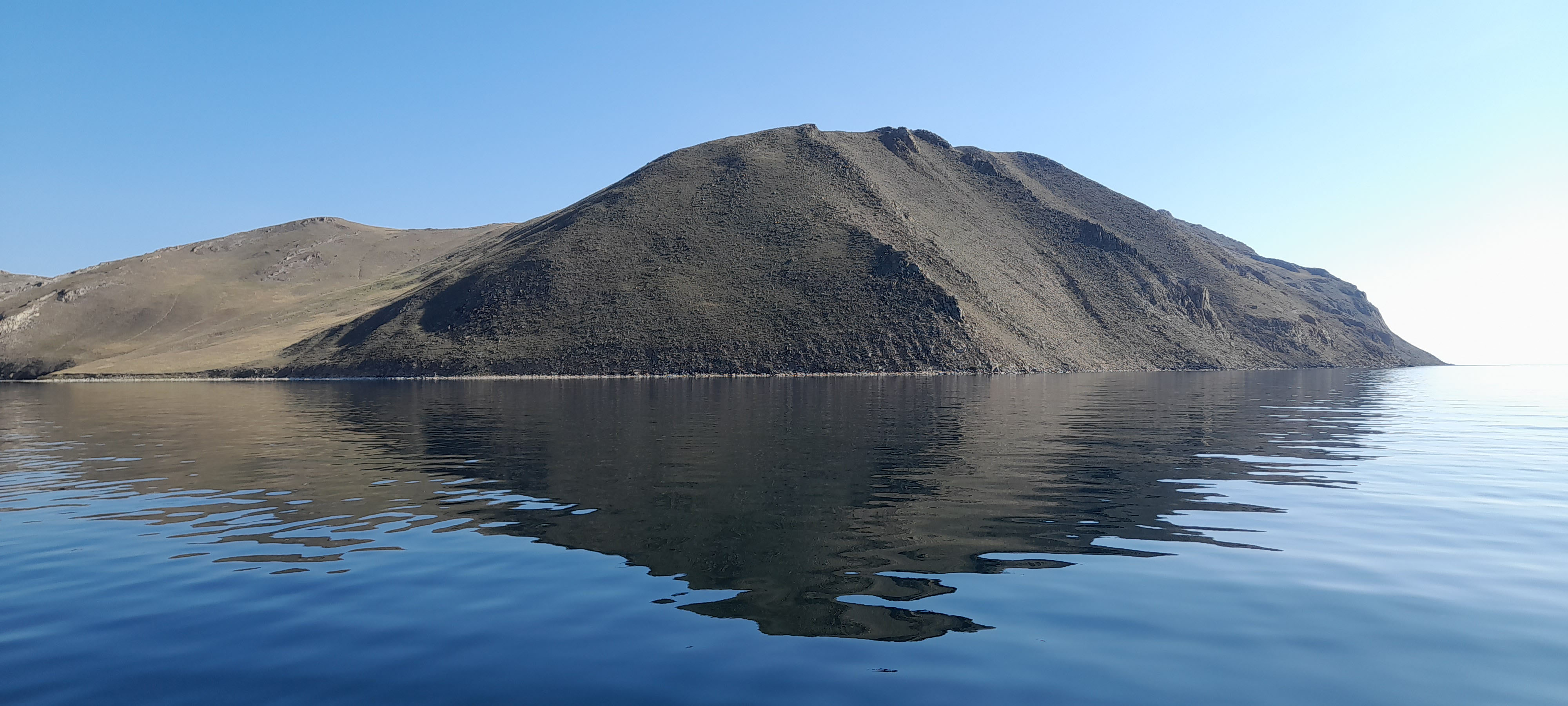
Within the State Assignments No. 0279-2021-0010 “Genetics of communities of Baikal organisms: gene pool structure, conservation strategies” (led by Shcherbakov D. Yu.) and No. 0279-2021-0004 “Investigation of the advective and turbulent water exchange of Lake Baikal and its impact on the lake ecosystem, risks of catastrophic events” (led by I.A. Aslamov), an expedition on the R/V Titov was conducted on June 13-22, 2025. Sampling was carried out in the coastal zone and bays throughout the water area of Lake Baikal. Eight employees of the Laboratory of Genosystematics and 2 employees of the Laboratory of Hydrology and Hydrophysics of Limnological Institute SB RAS took part in the expedition.
The purpose of the expedition is to collect some groups of the Baikal hydrobionts for DNA extraction and further sequencing of depleted genome libraries, individual genetic markers and repeating genomic elements. The obtained molecular genetic data will be used to identify macro- and microevolutionary processes in the sampled invertebrate species. Various species of filamentous benthic algae will be studied cytologically and cytogenetically, and hydrological parameters influencing the diversity of communities in the Lake Baikal slope zone will be analyzed.
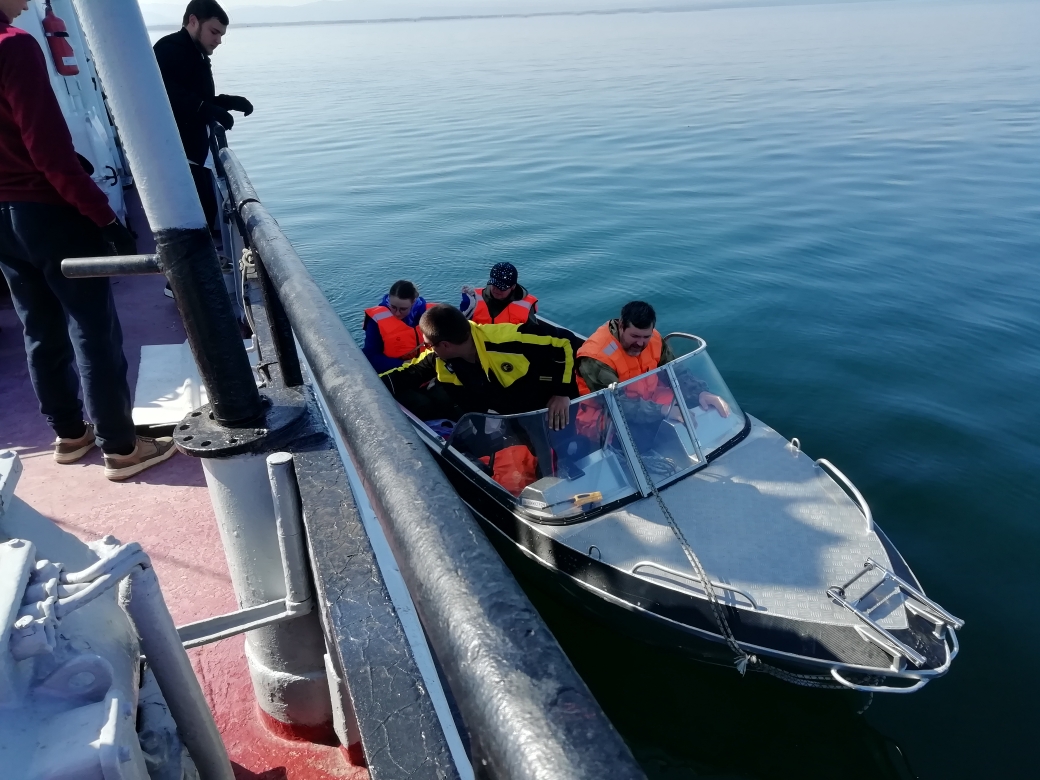
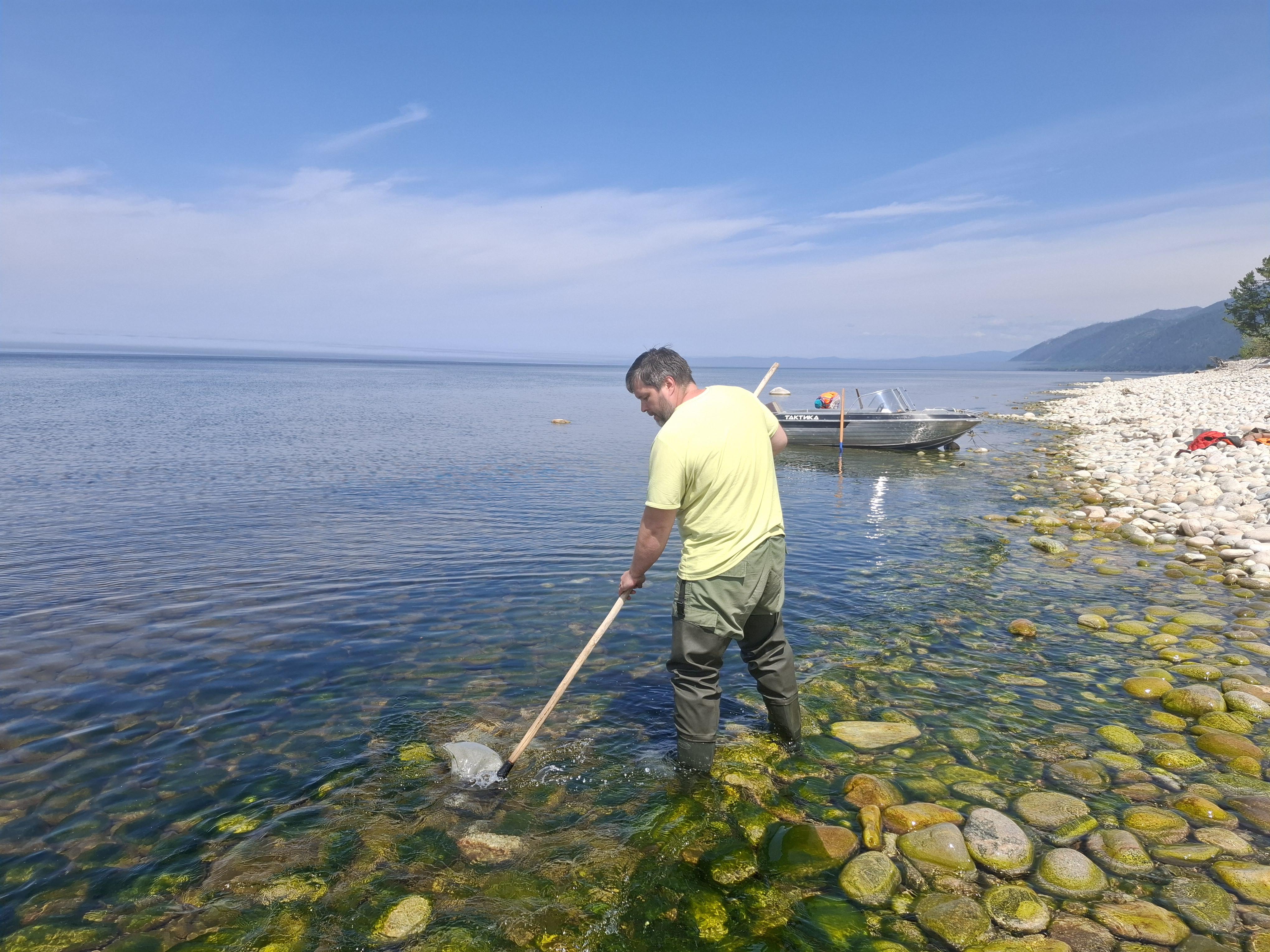
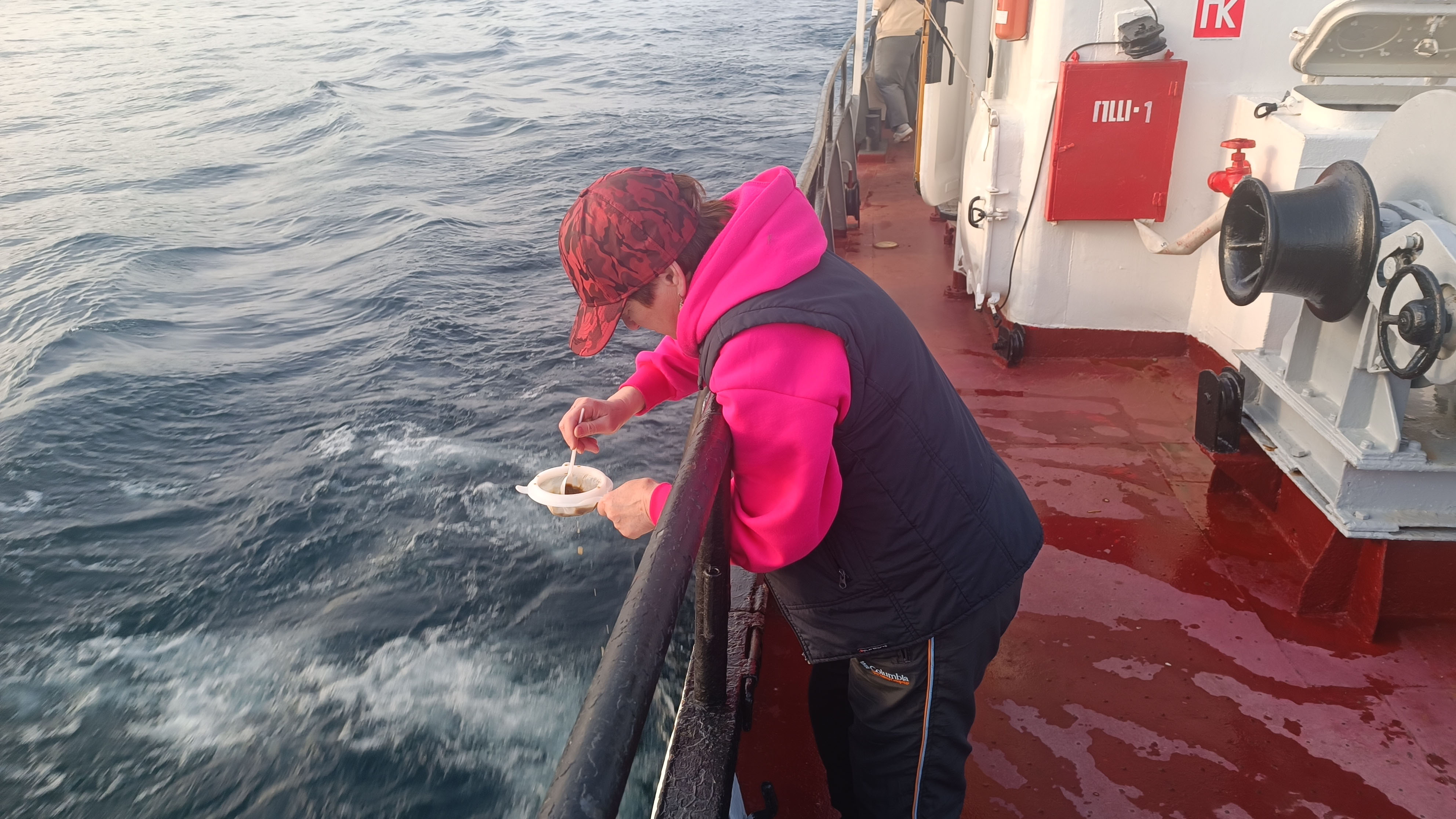
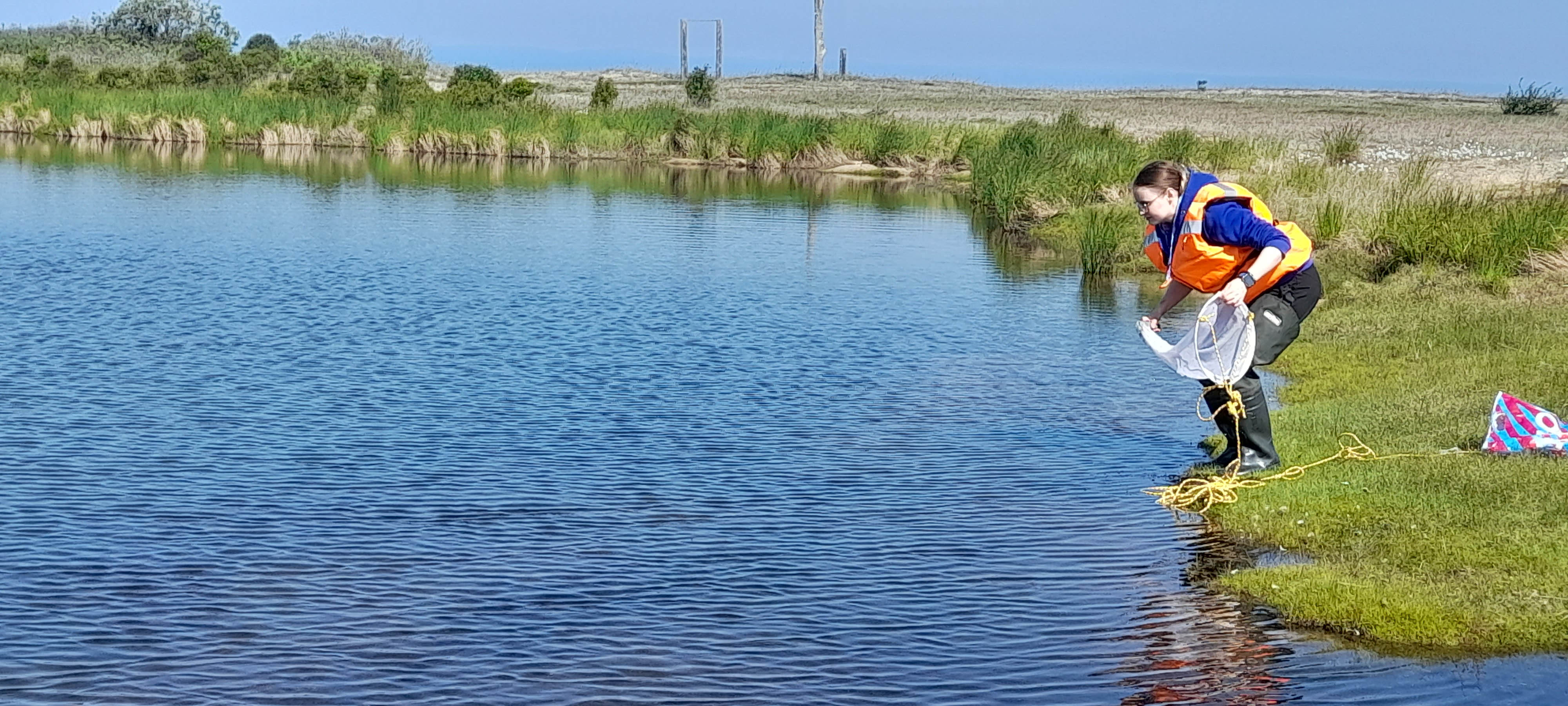
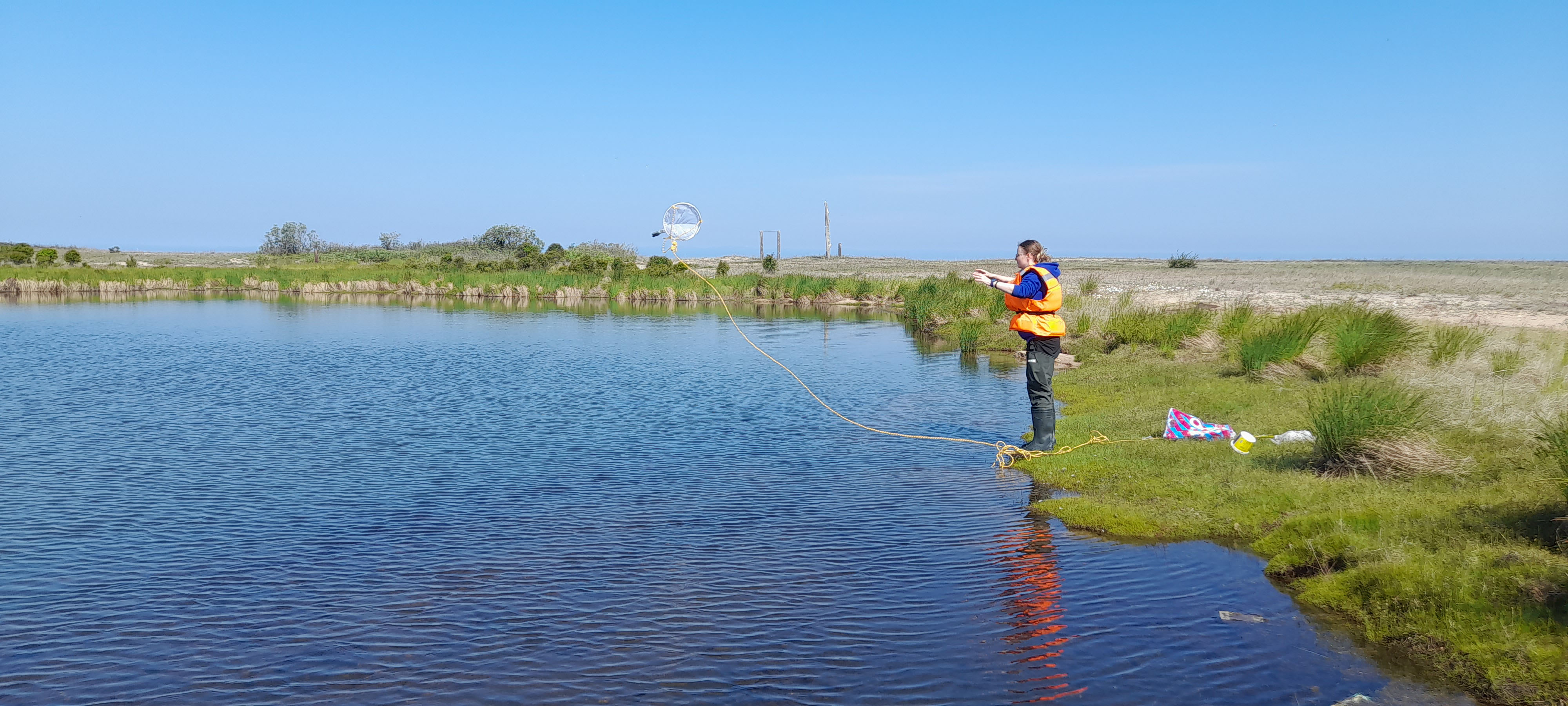
Sampling was carried out at 24 stations of three basins of Lake Baikal using a dredge, bottom sampler to depths of 300 meters, hydrobiological scrapers and nets in the coastal zone to depths of 0.5-1 m, and with the remotely operated vehicle “Rovbilder RB-300” to a depth of 130 meters. In total, more than 100 samples of invertebrates and macrophytes were collected.
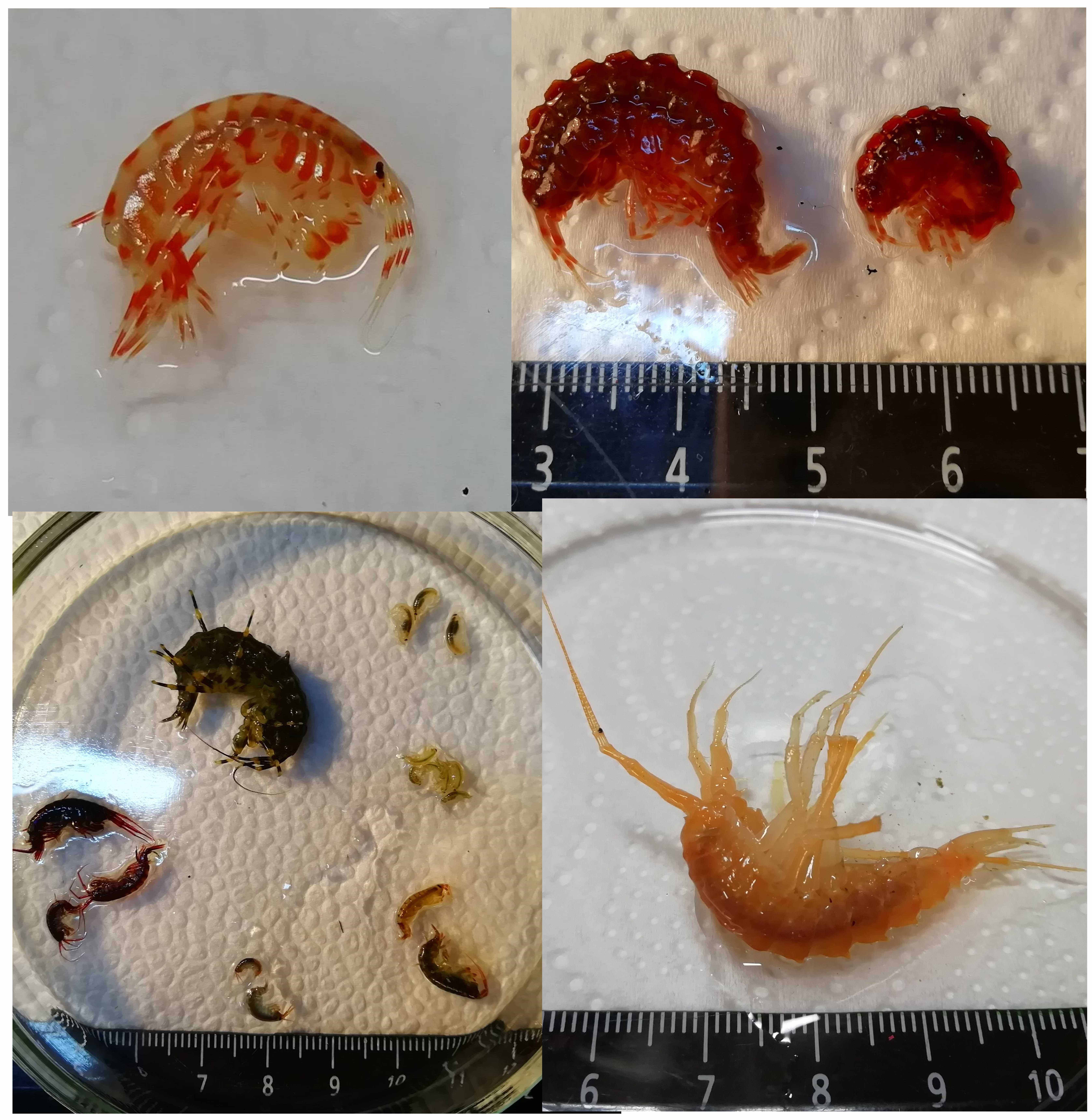
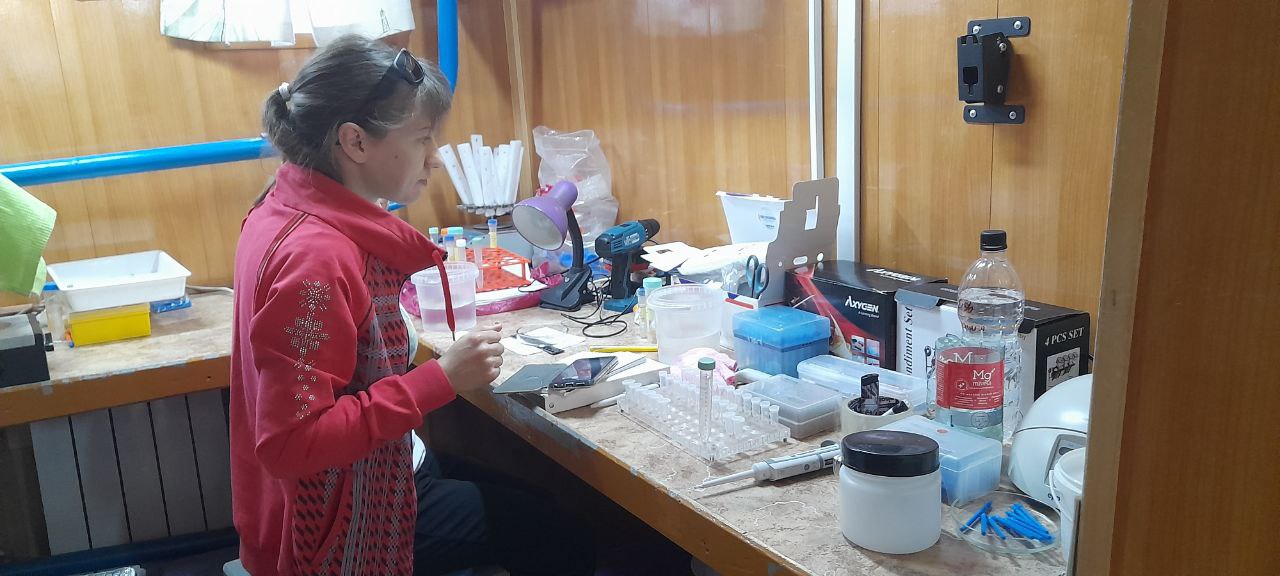
The groups of organisms sampled included crustaceans of the order Amphipoda, belonging to 4 endemic Baikal families Eulimngammaridae, Pallaseidae, Acanthogammaridae, Micruropodidae. Amphipod samples were fixed for further taxonomic, morphometric and genomic analyses. For some of the samples on board the R/V Titov, DNA samples were isolated in the laboratory.
During the field work, qualitative and quantitative samples of chironomid larvae were collected in the coastal zone of Lake Baikal at depths of 0.2-0.3 m at 22 stations. Representatives of the genera Orthocladius, Neozavrelia. Neozavrelia were found in the samples. The total number of larvae in samples from rocky substrate ranged from 39 to 704 specimens. To study the mitochondrial genome of chironomids, larvae of the genus Sergentia were collected from a depth of 120-130 m from silted sand.
Collected adult caddisflies (Trichoptera) of endemic genera Baicalina, Baicalodes, Thamastes, Baicalinella Baicalinella at 15 stations on the Lake Baikal coast (sampling covers mainly the western coast). The samples were delivered to LIN SB RAS and given to specialists to clarify the species and isolate DNA for morphological and genetic studies.
At five sampling sites (Maly Solontsovy Cape, Kotelnikovsky Cape, Baikalskoye village, Zama lake, Posolsky sor bay) were found representatives of the coelenterates of the genus Hydra, representatives of the superorder of the daphnids of the genera Daphnia, Simocephalus, Chydorus. Samples of these groups were fixed for further research using population genetics methods.
As part of the study of the genetic and taxonomic diversity of mollusks of the Valvatidae family in Lake Baikal, representatives of three genera were collected. In the type habitat of one of the poorly studied Siberian species Valvata (= Cincinna) brevicula Kozhov, near Boguchansky Island, representatives of the genus Valvata Müller, 1773, as well as several species of the genus Megalovalvata (Lindholm, 1906) were collected. . Opposite Cape Kharantsy, at a depth of about 85 m, several representatives of the deep-sea genus Pseudomegalovalvata were collected Kozhov, 1936.
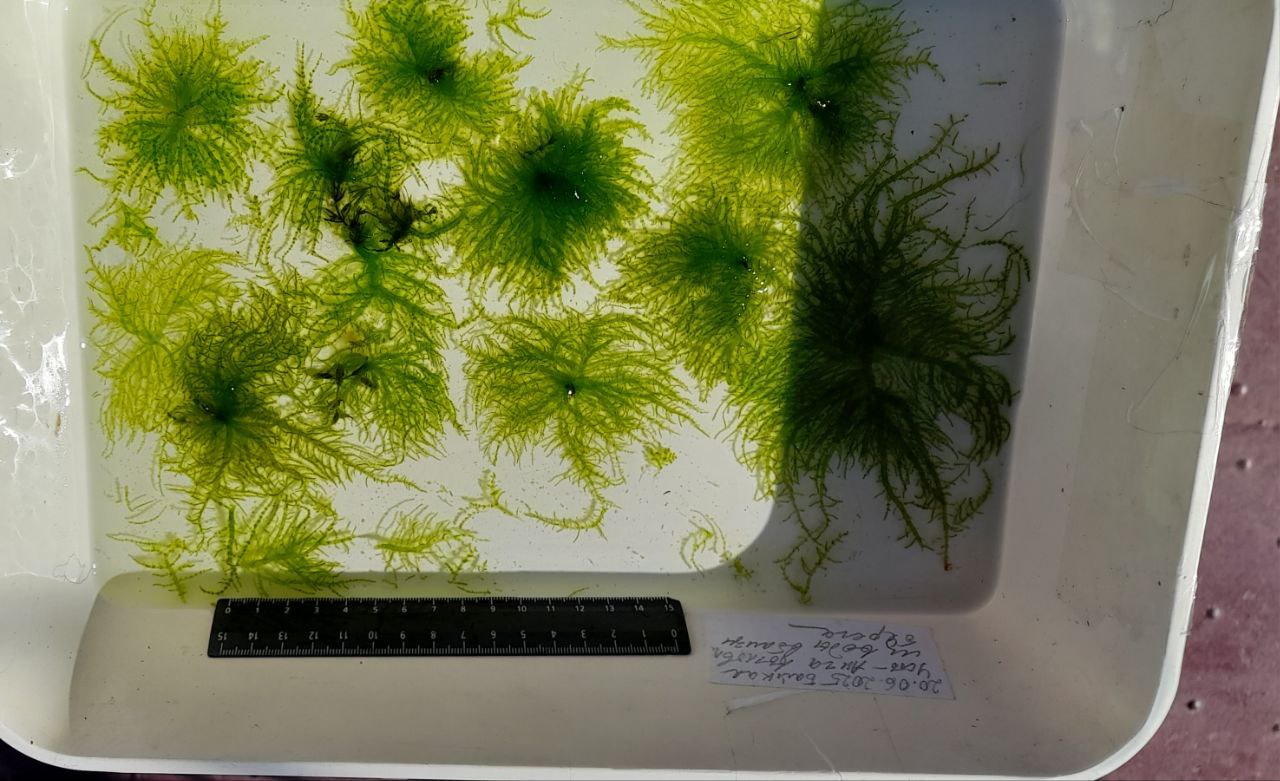
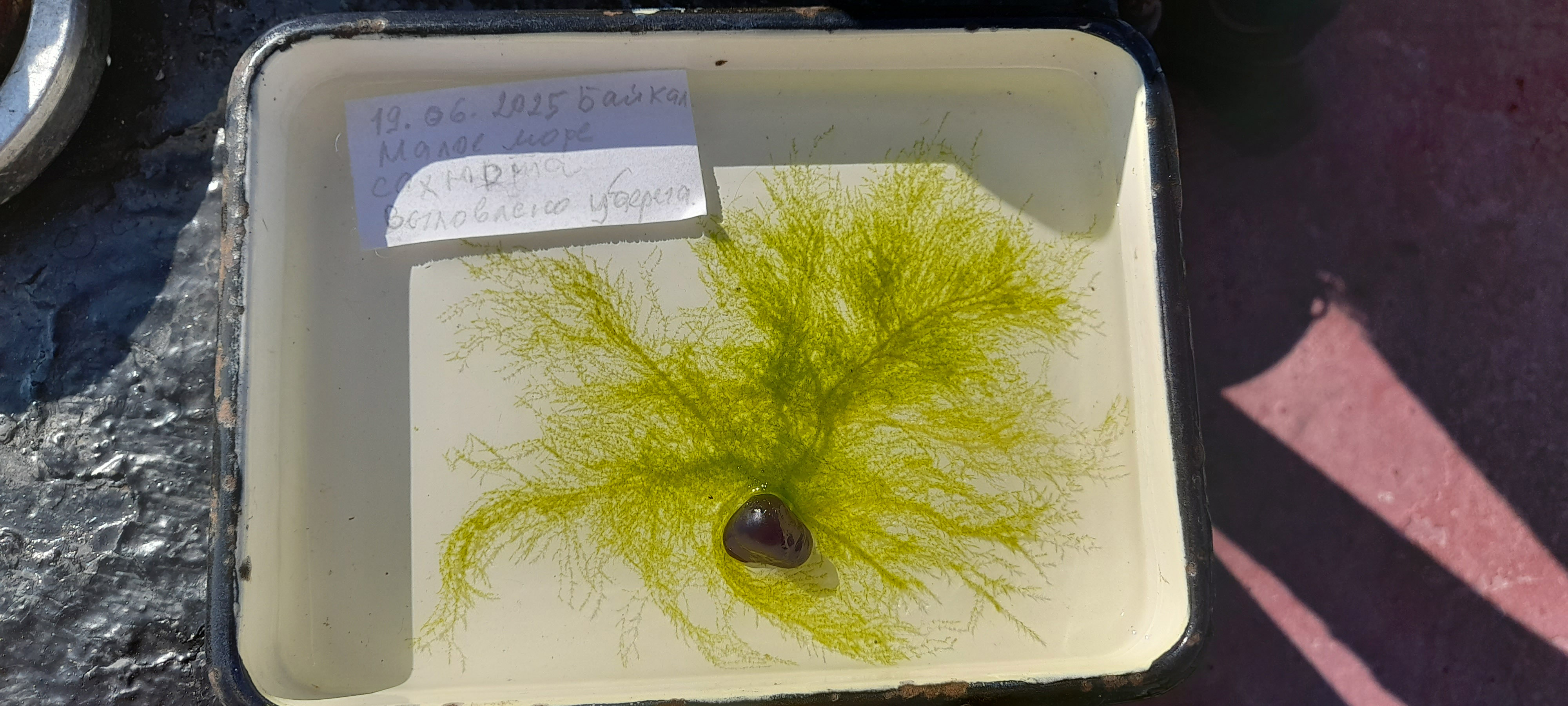
For karyological and morphological analysis, macrophytes were collected in the coastal zone using nets at 18 stations. Zignema algae or conjunctions (class ZYGNEMATOPHYCEAE) were found at 5 stations: in the Bolshaya Kotinka river - zignema (dominant), (spirogyra,mougeotia); in warm springs at Cape Kotelnikovsky, in Ust-Anga Bay, on the pier in the settlement of Bolshoye Goloustnoye and among the elodea in Posolsky Sor bay (spirogyra).
Baikal endemic draparnaldia (genus Draparnaldioides) were collected at 5 stations: at Ogoy Island (Maloye More Strait), at Cape Bolshaya Kosa, at the shore of Lake Baikal near Lake Zama, in Ust-Anga Bay and in Posolsky Sor Bay. And at all 18 stations in the splash zone, samples of filamentous algae Ulothrix zonata were sampled.
The water temperature of the coastal zone was measured at a depth of 0.2 meters at 17 stations. The temperature in the open Lake Baikal varied from 4.9 °C (Cape B. Solontsovy) to 15.8° (area of the Manturikha River).