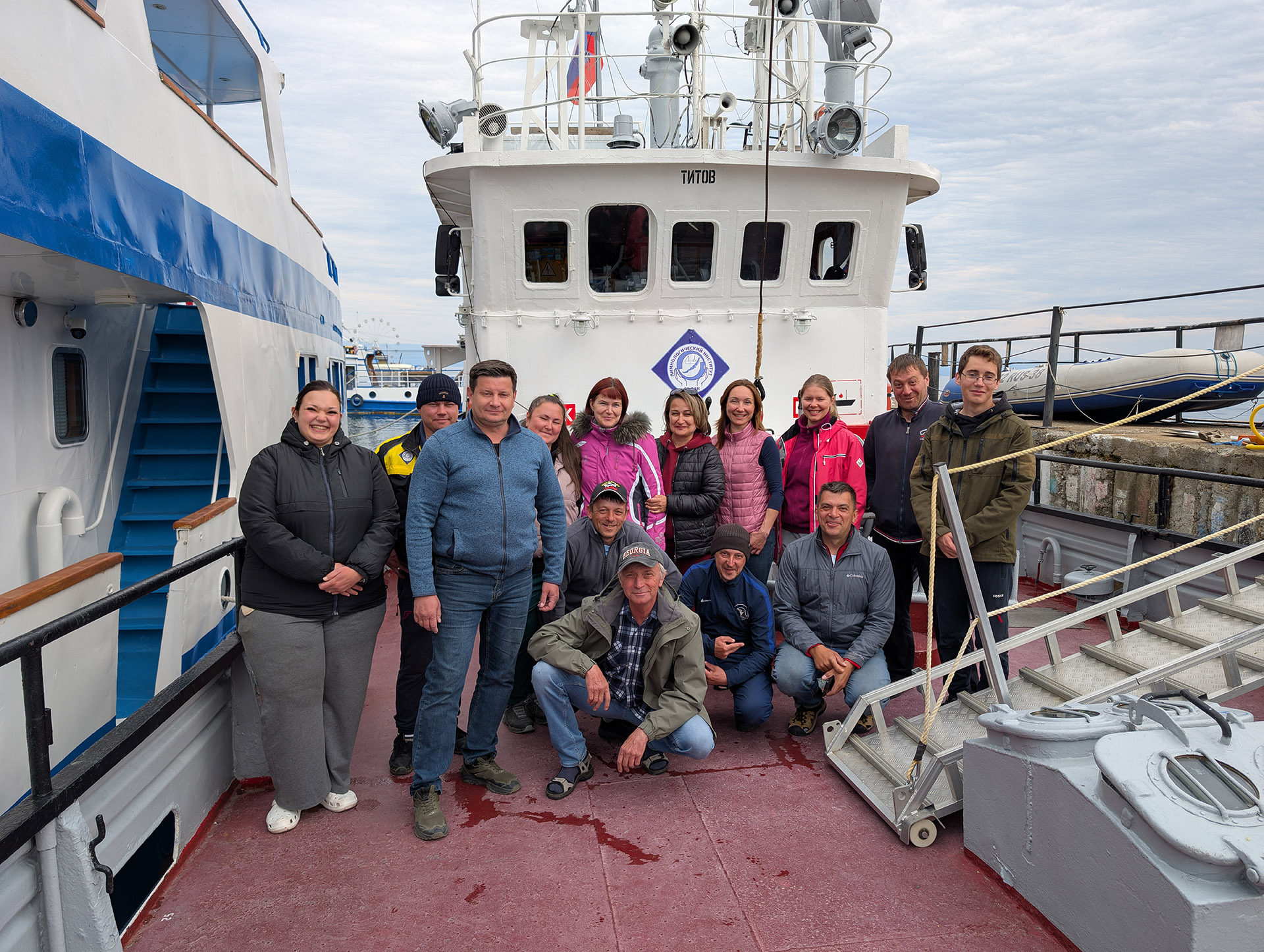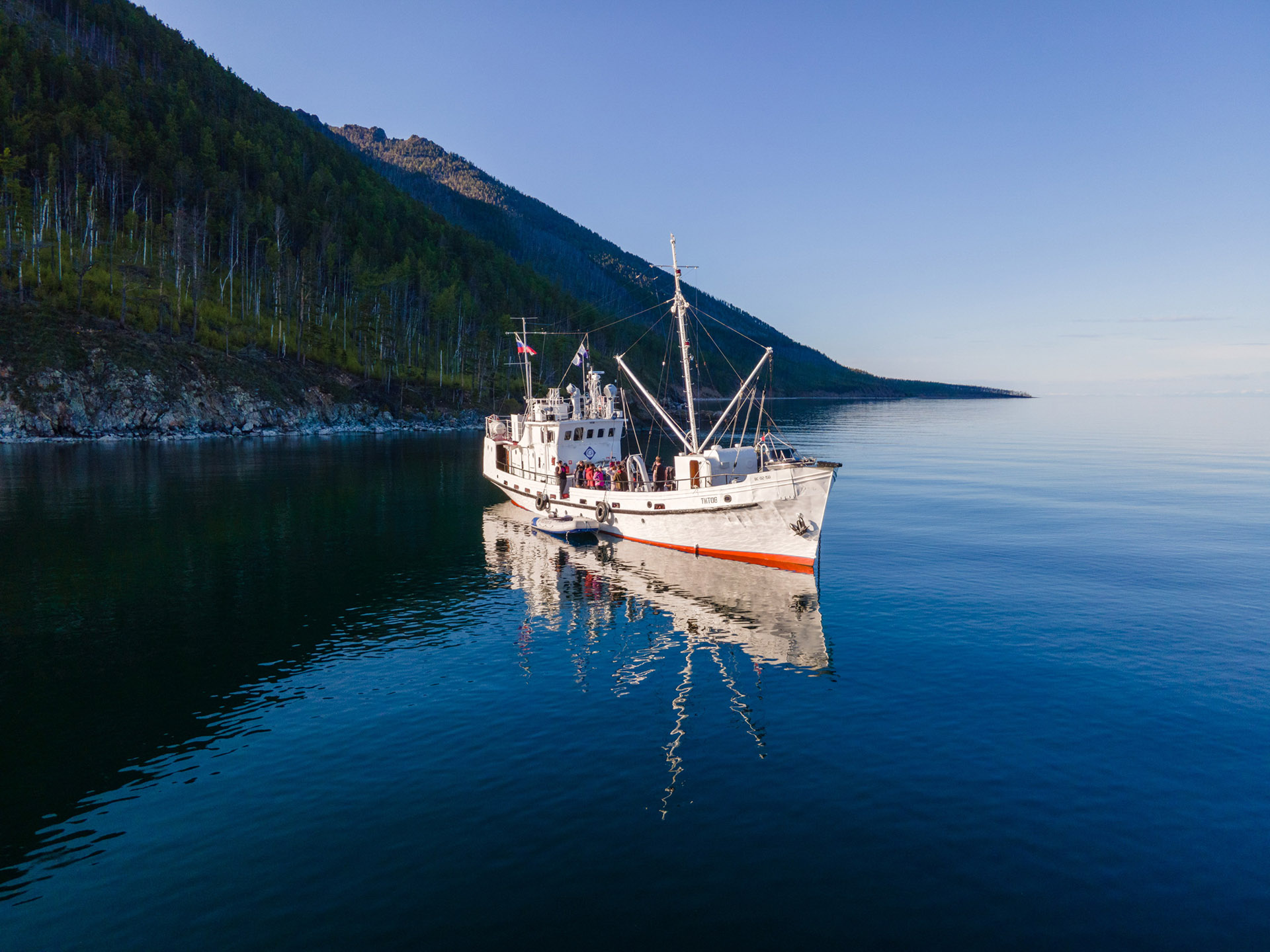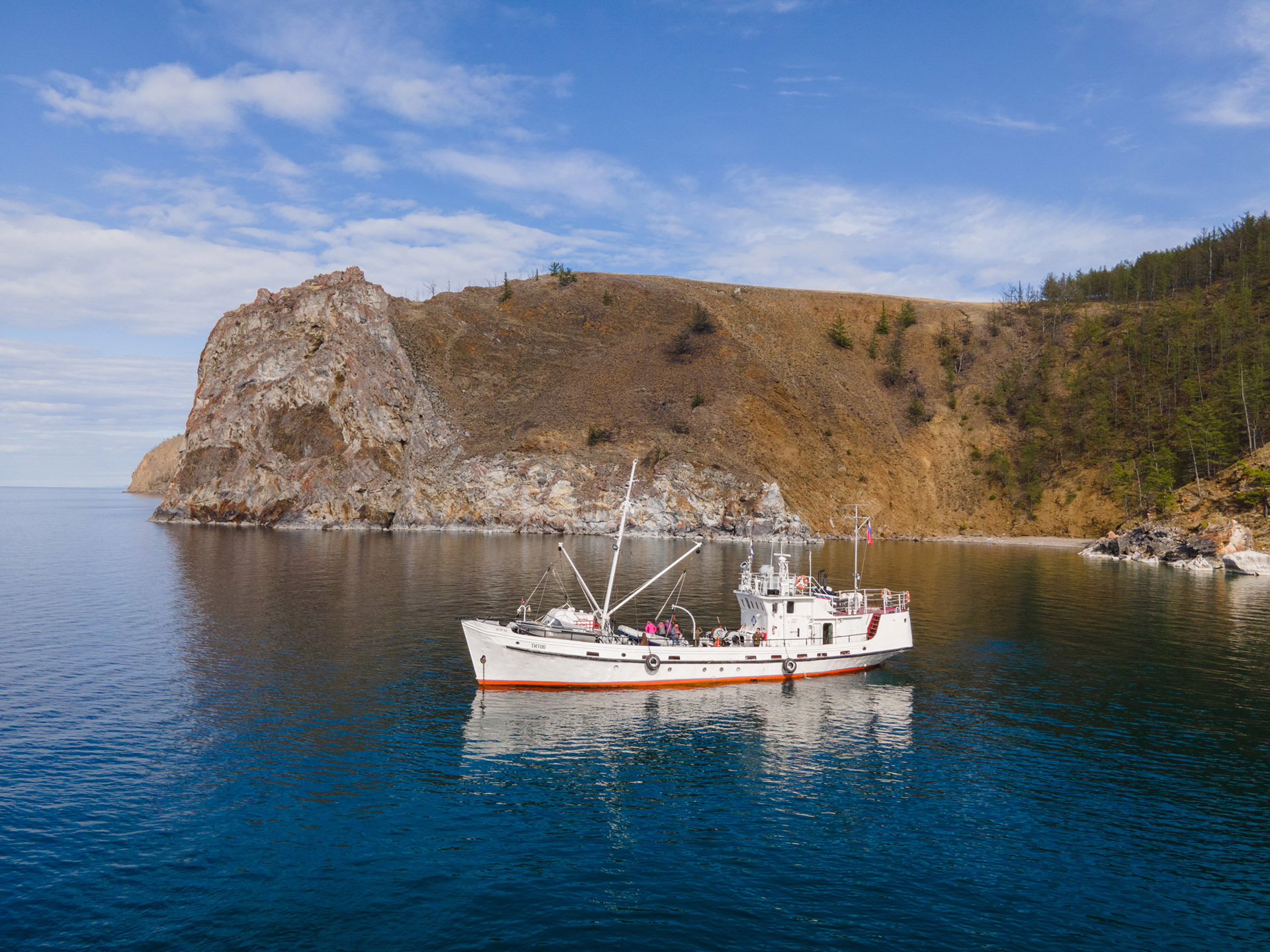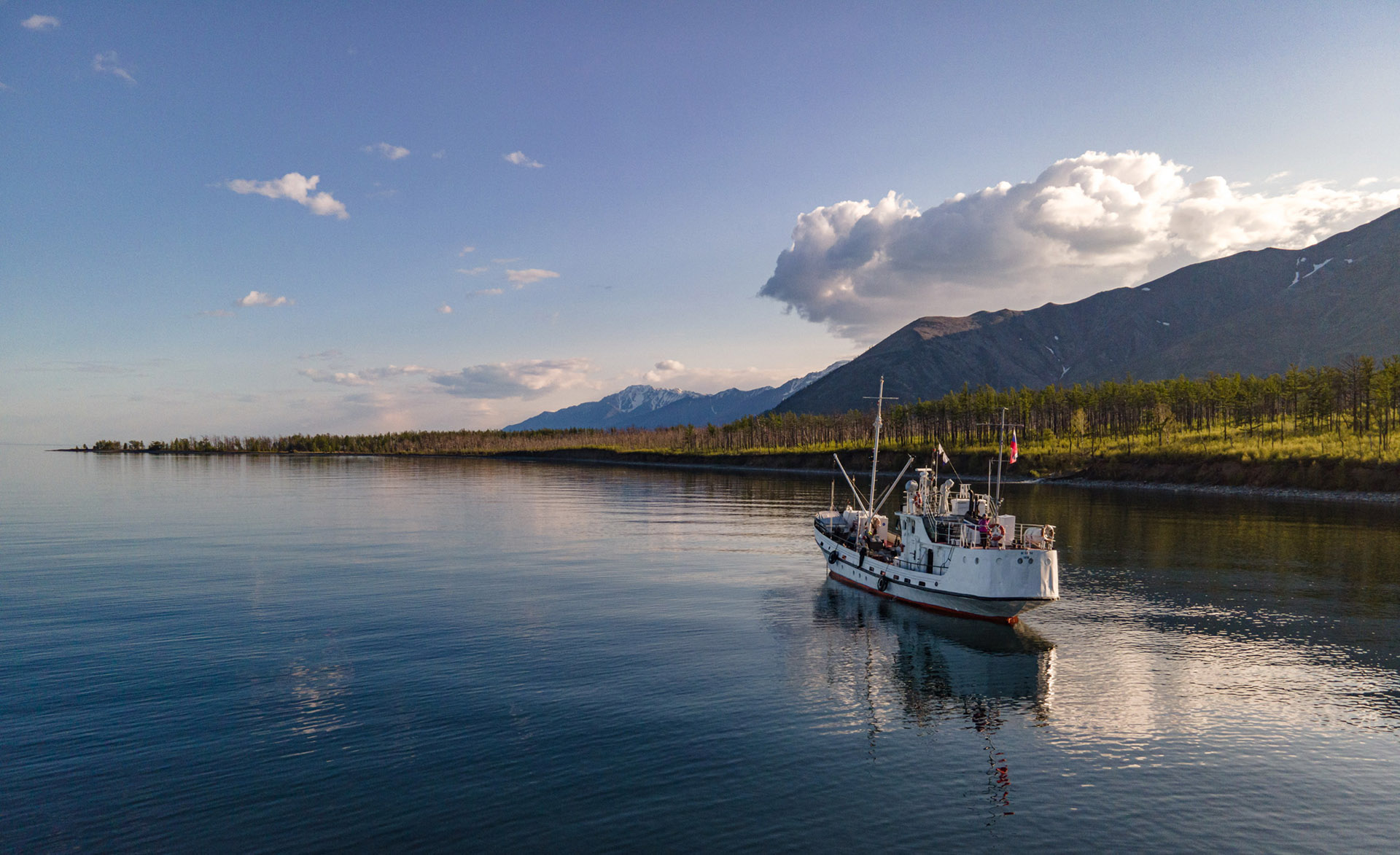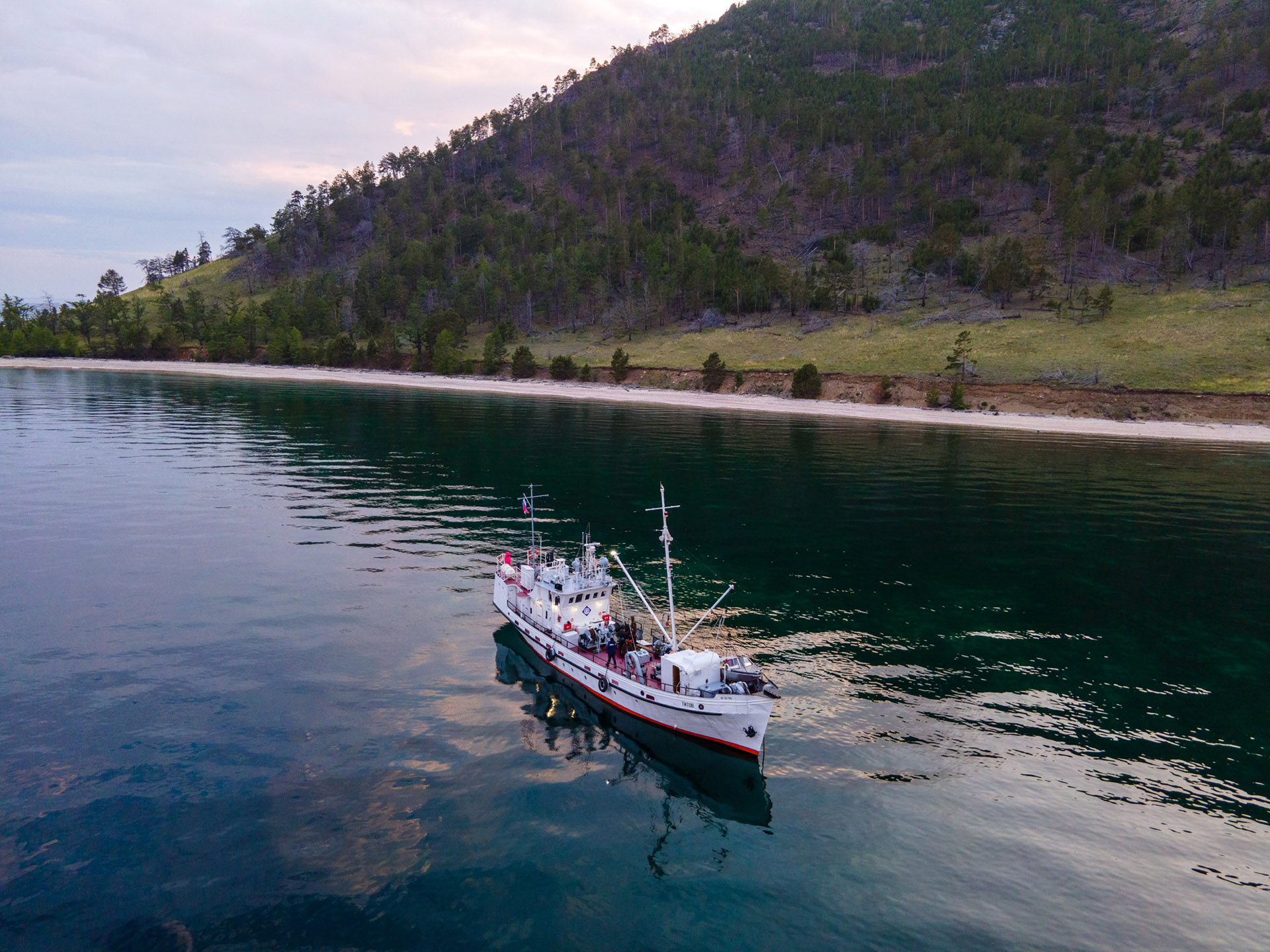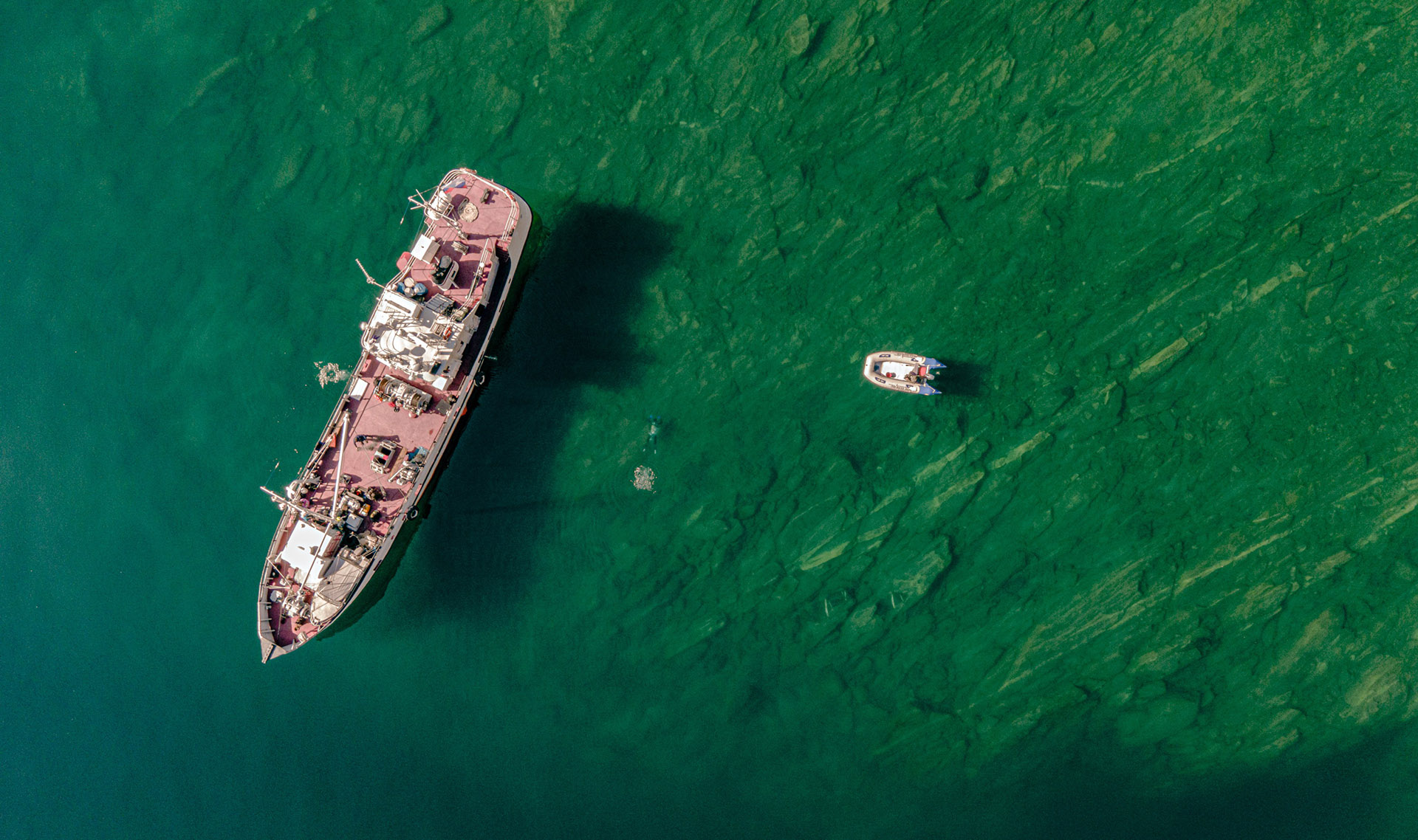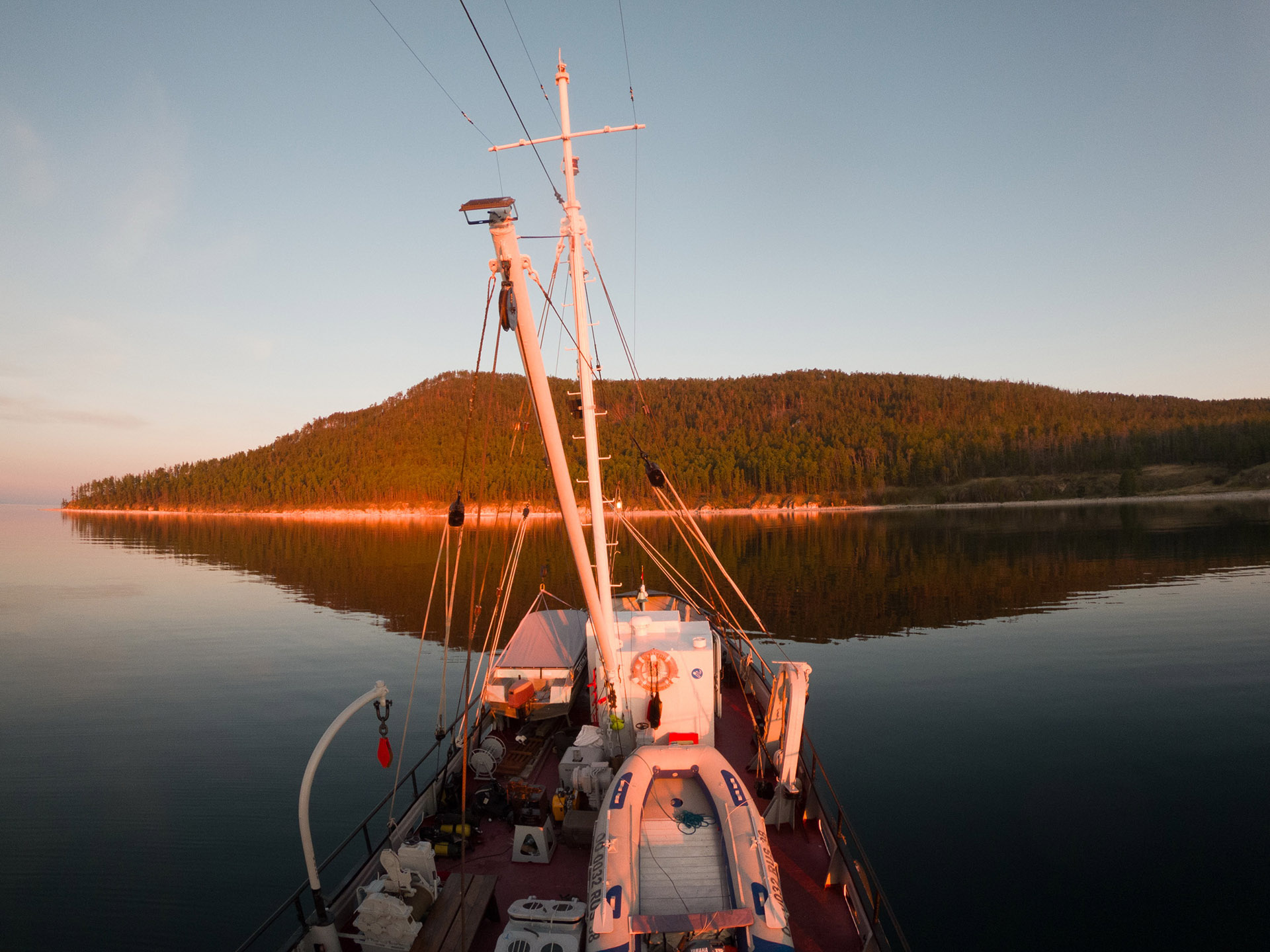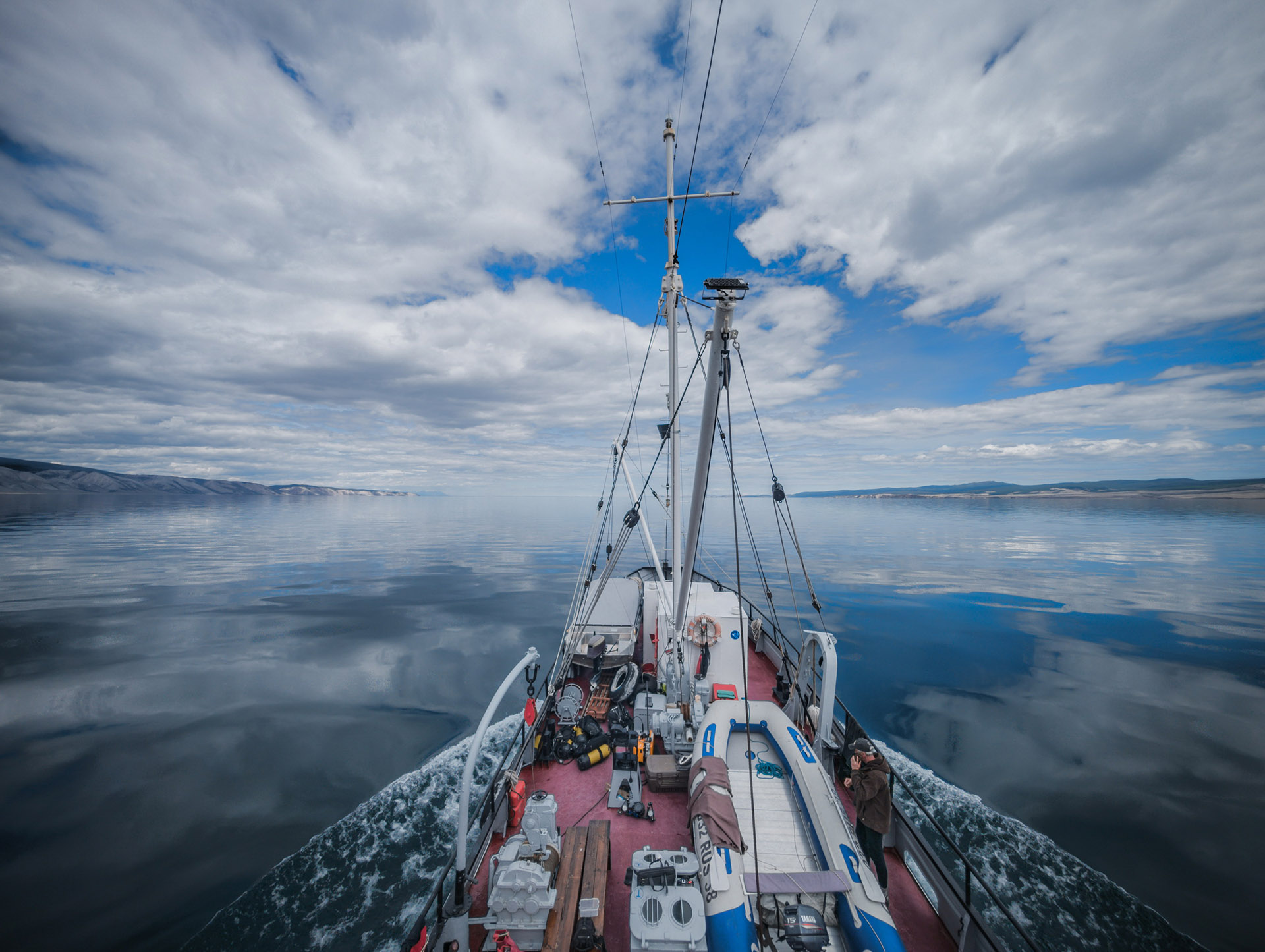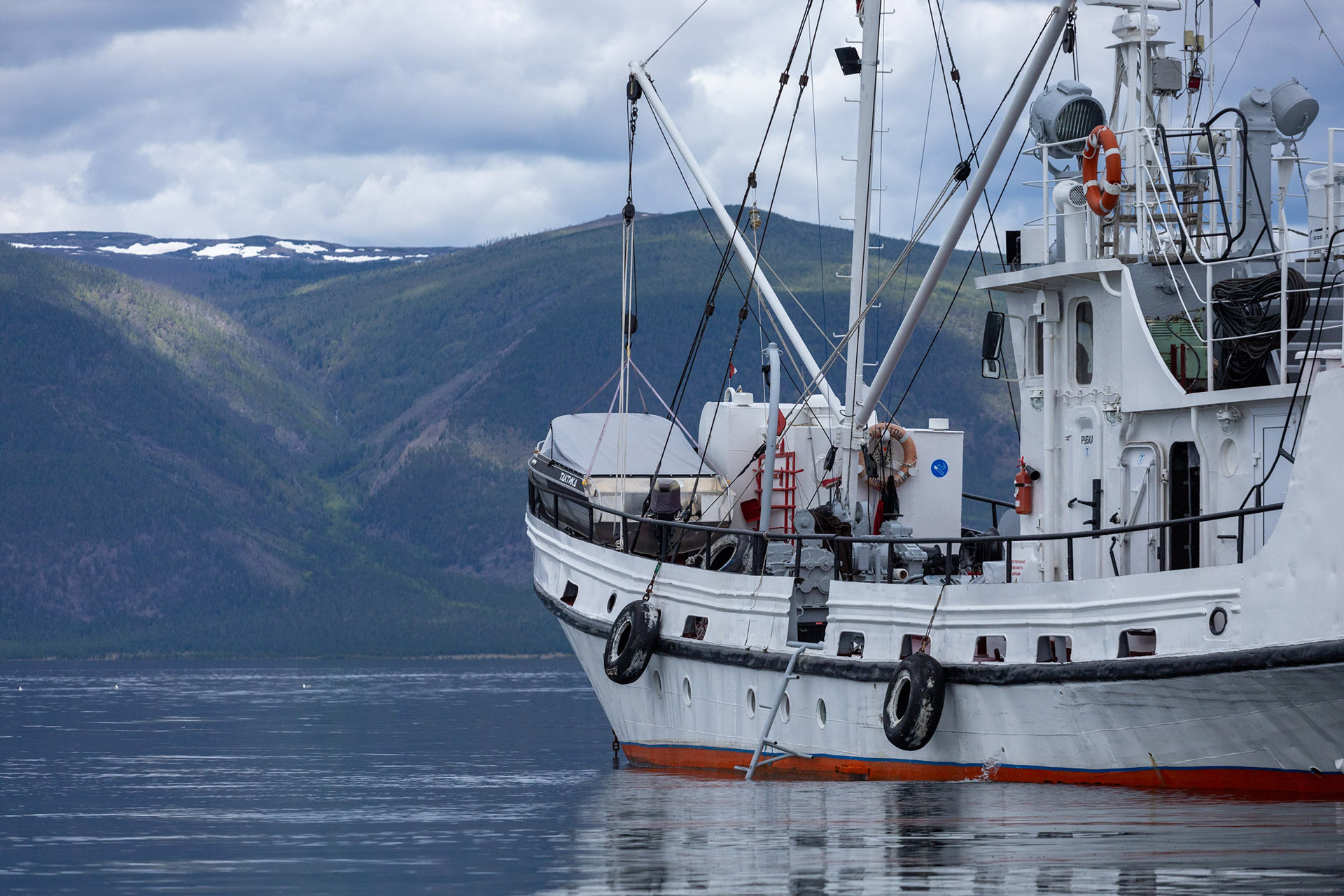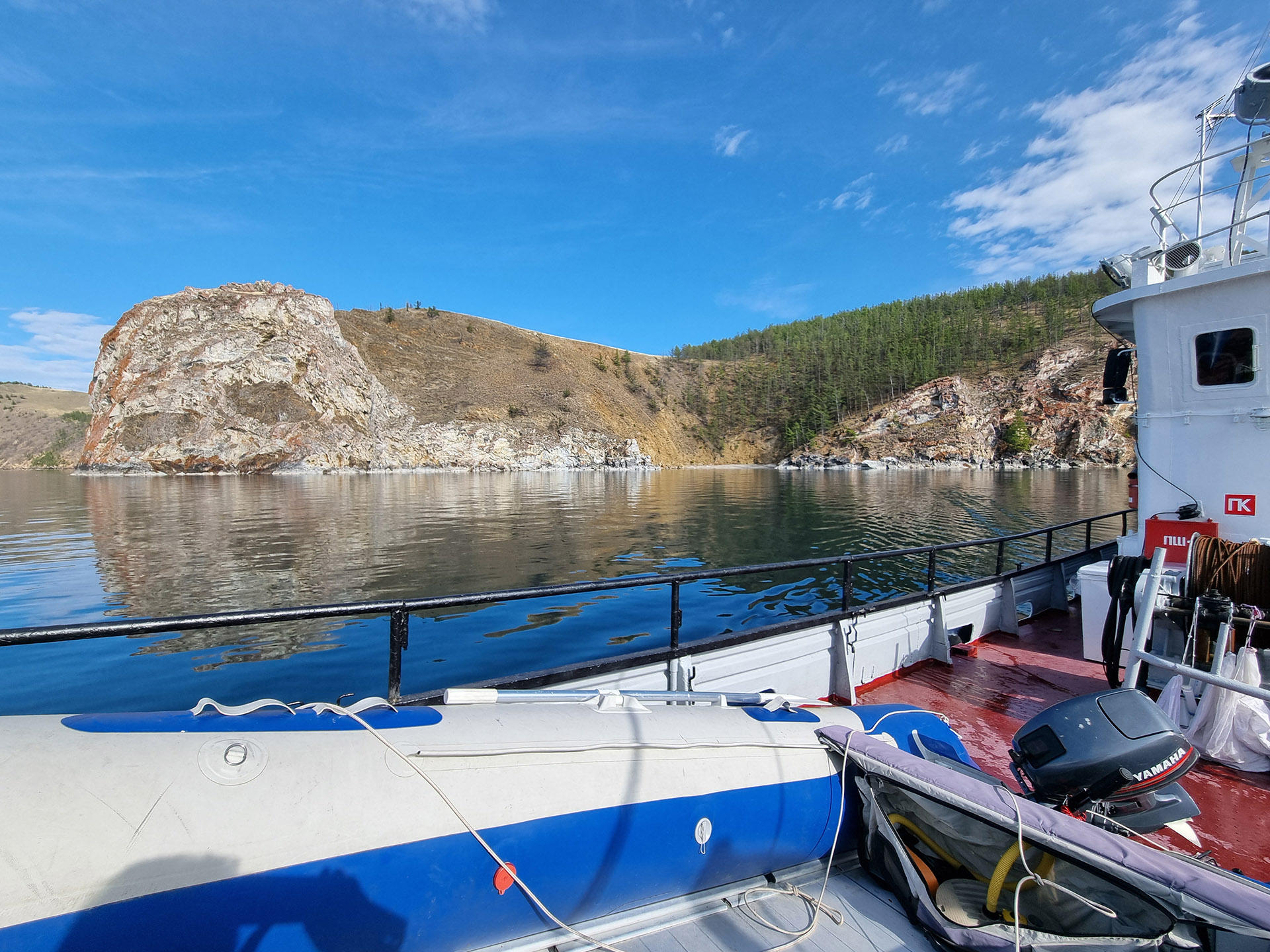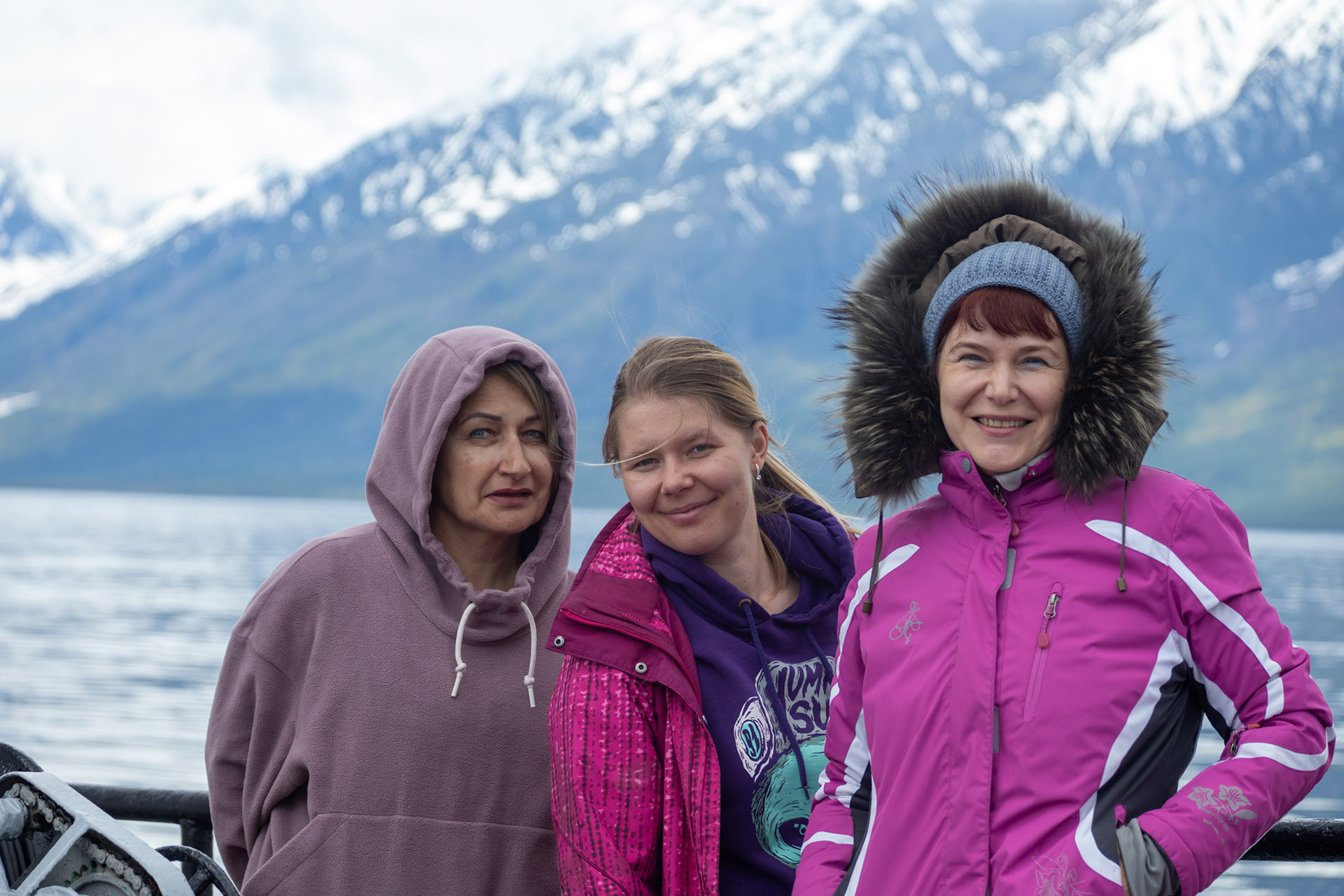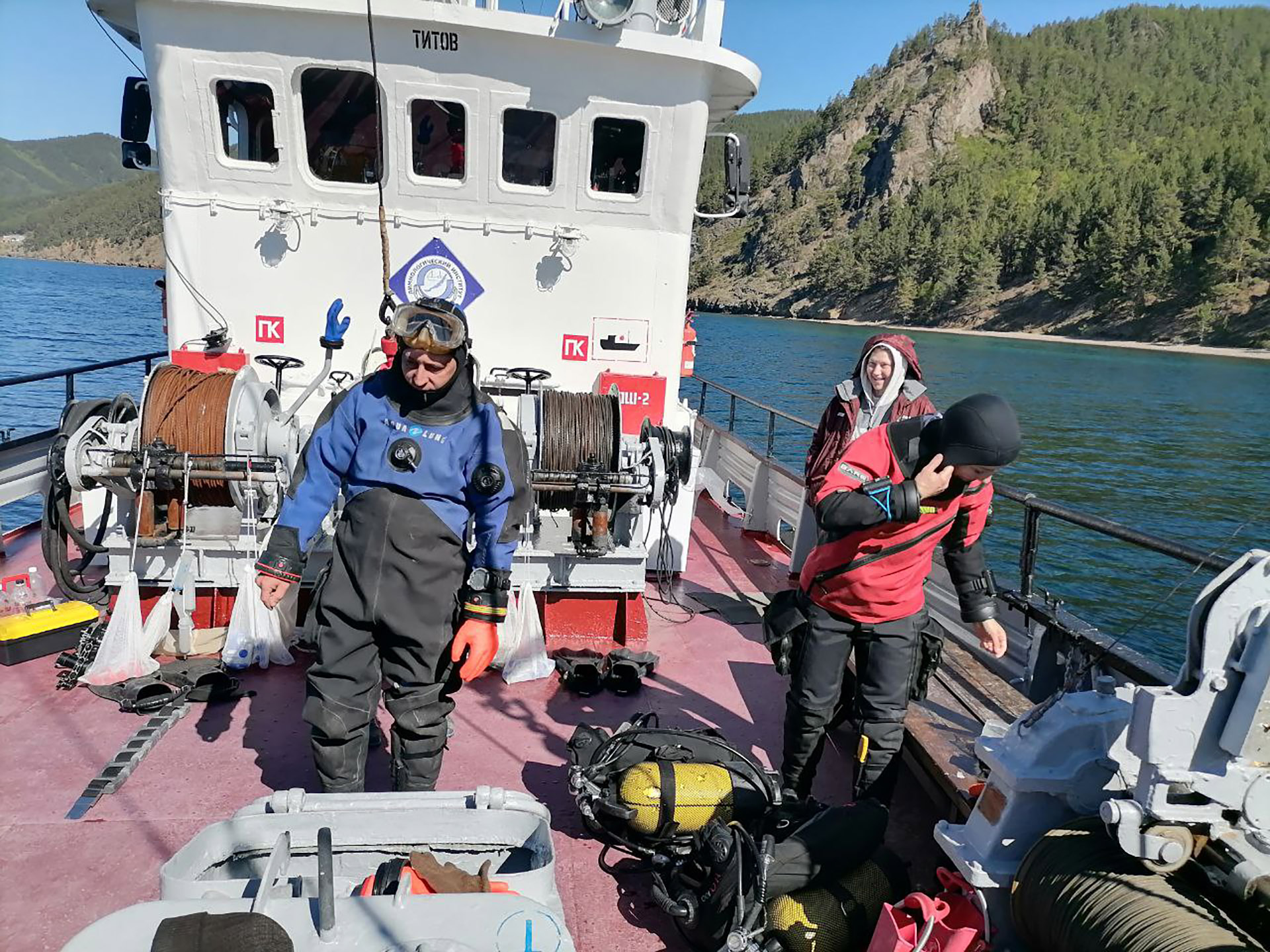



Expedition on R/V Titov from May 29 to June 10, 2025
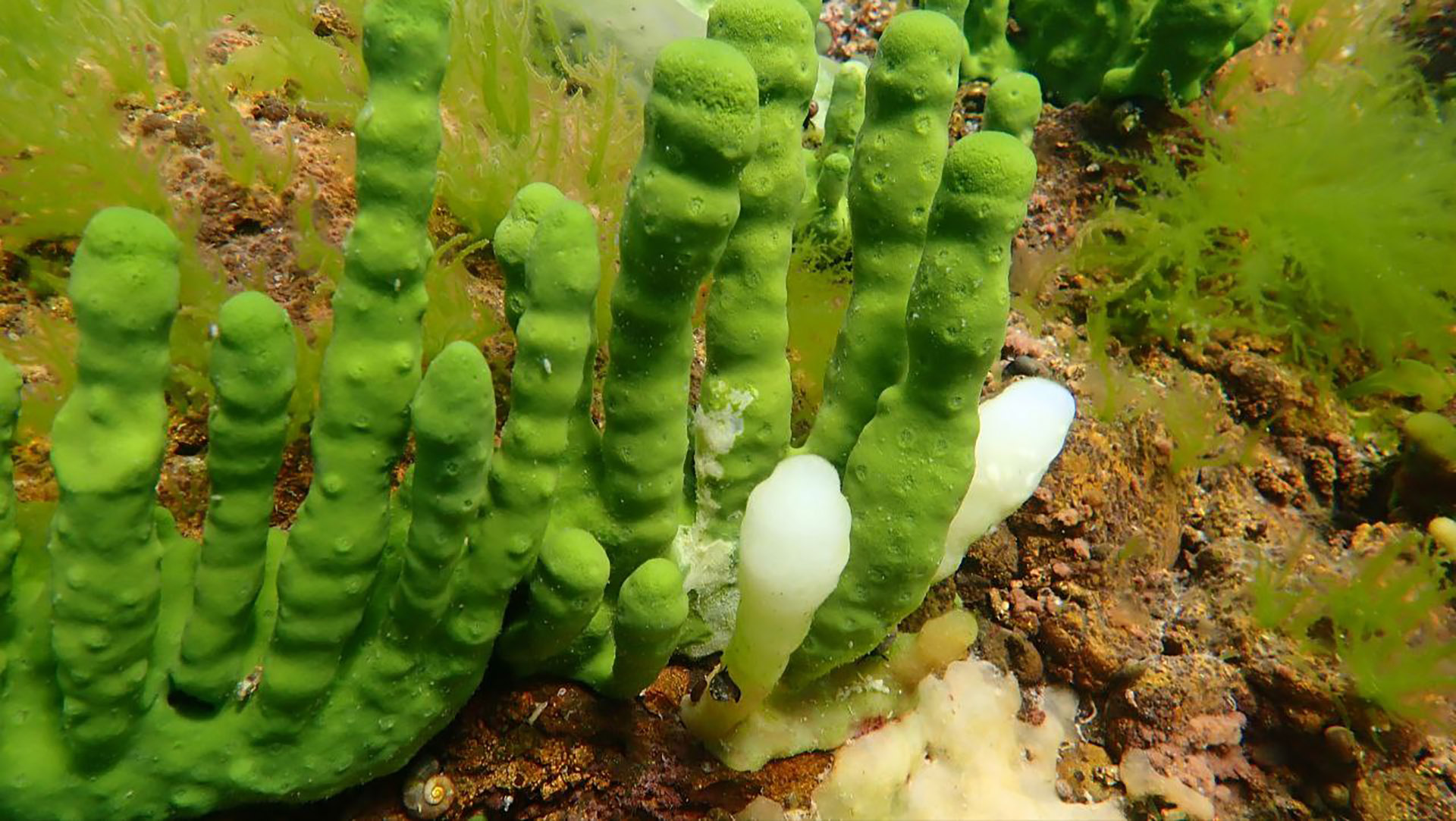
From May 29 to June 10, 2025, complex field work was carried out within state assignments No. 0279-2021-0005 “Study of transformations in the state of water bodies and watercourses of Eastern Siberia in seasonal and long-term aspects in the context of changes in climate, geological environment and anthropogenic loads” (led by A.P. Fedotov) concerning the problem of mass morbidity and death of the Baikal sponges in the shallow waters of Lake Baikal, and No. 0279-2021-0015 “Study of viral and bacterial communities as the basis for the stable functioning of freshwater ecosystems and an effective response in conditions of anthropogenic impact” (led by O. Belykh) to clarify data on the species diversity and distribution of benthic cyanobacteria of Lake Baikal and to obtain cultures of cyanobacteria for further research.
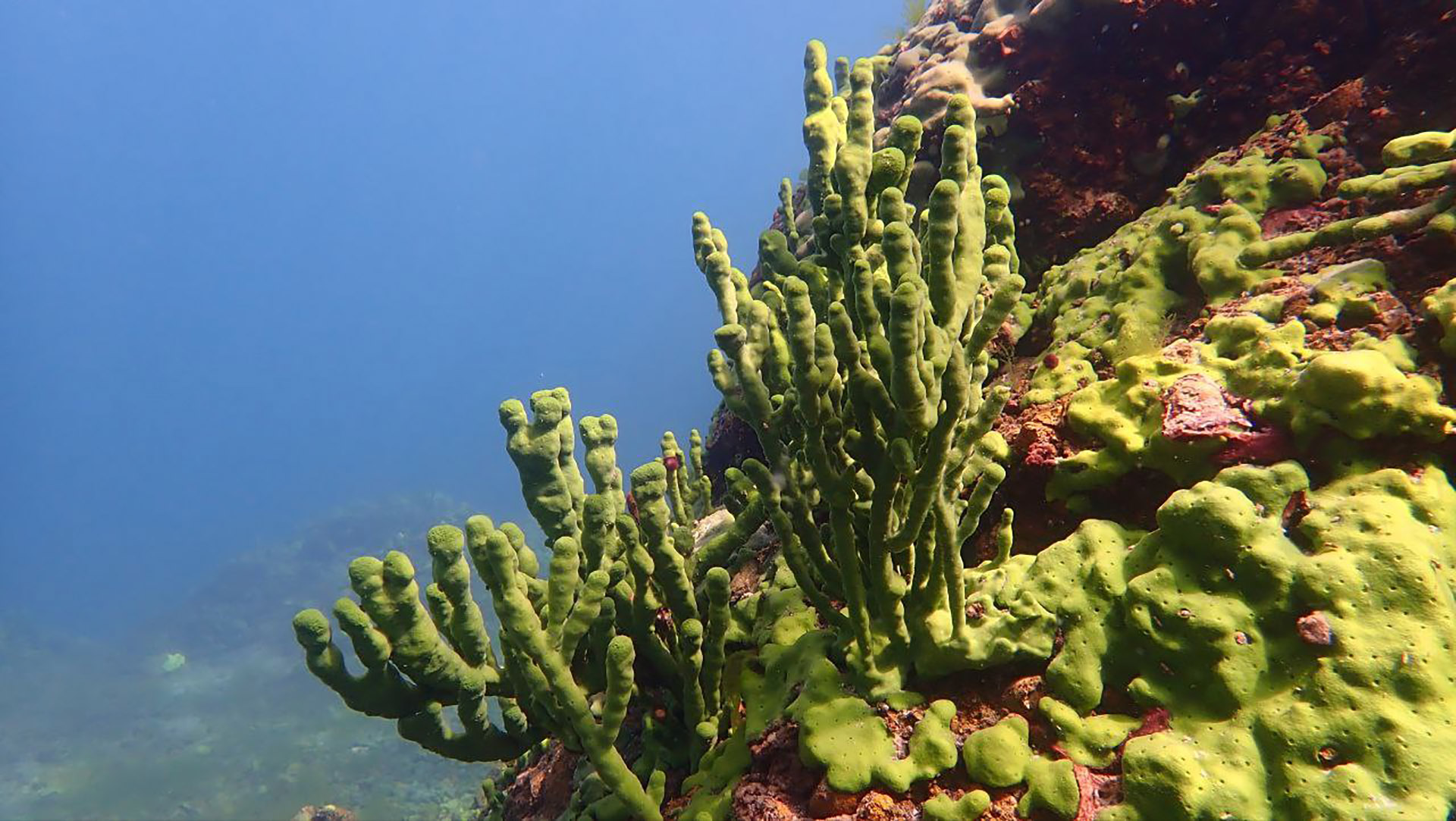
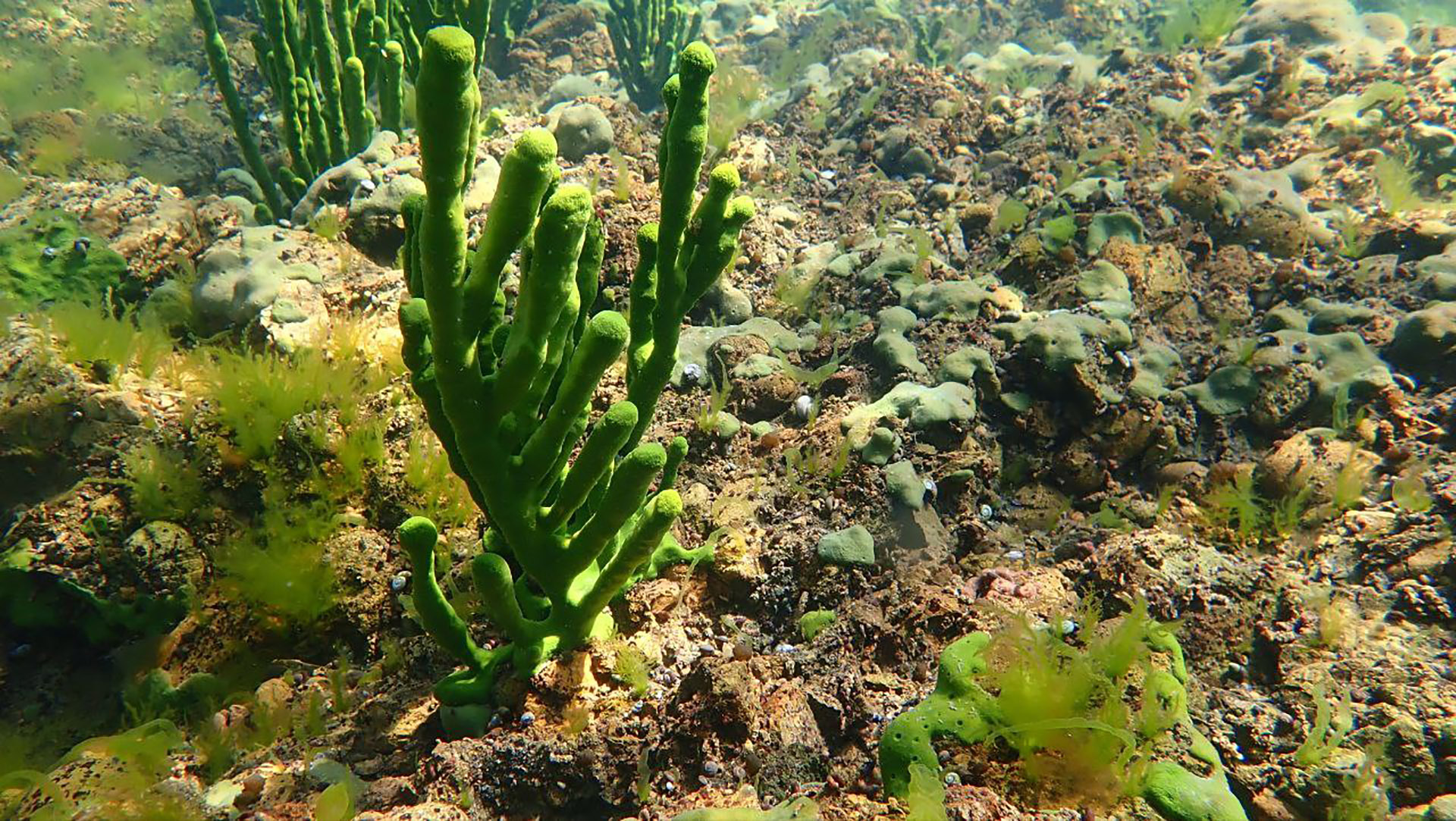
A series of work was continued on the conduct of Circum-Baikal expeditionary research work in order to monitor the state of the morbidity of the Baikal endemic sponges.
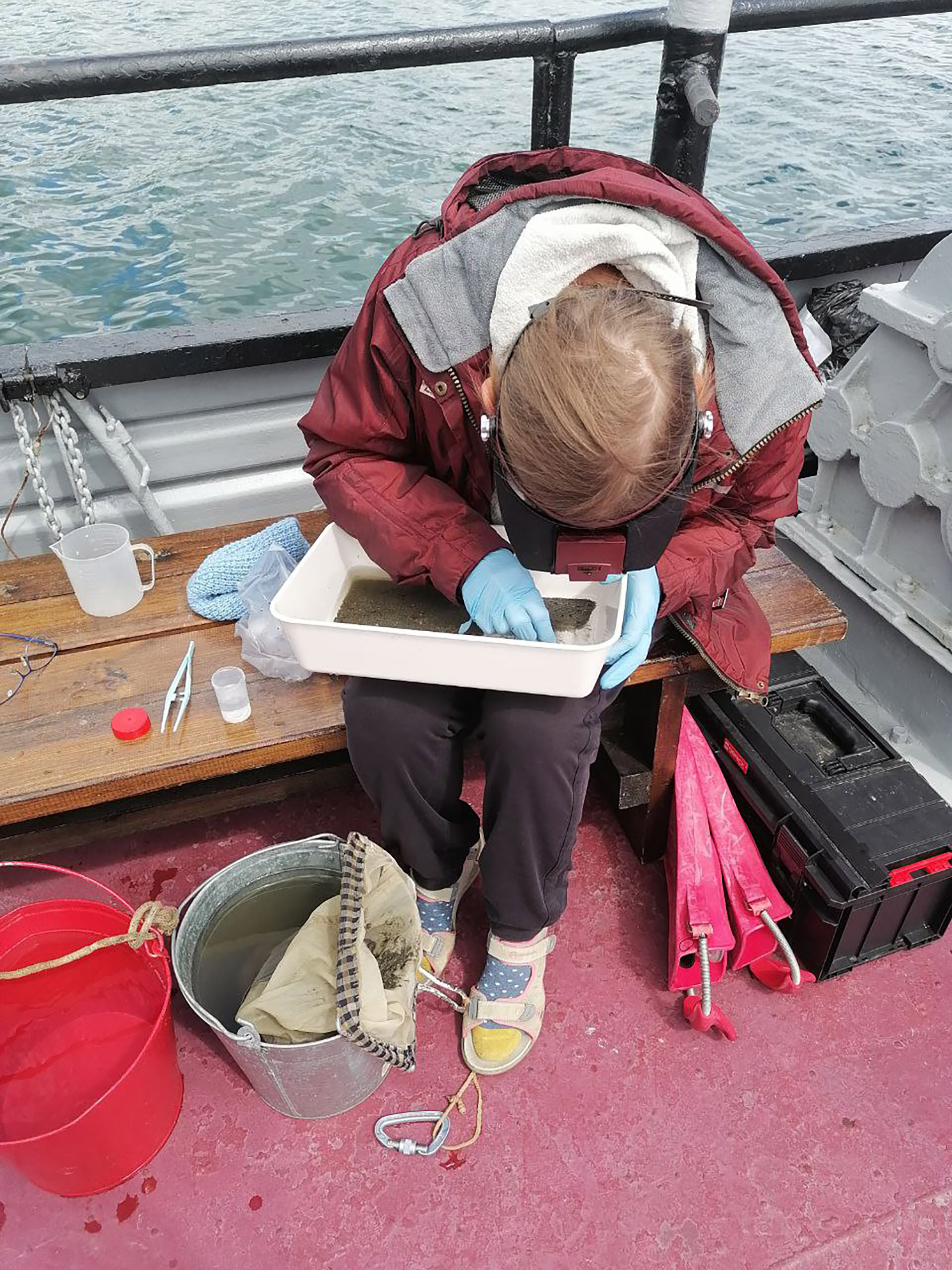
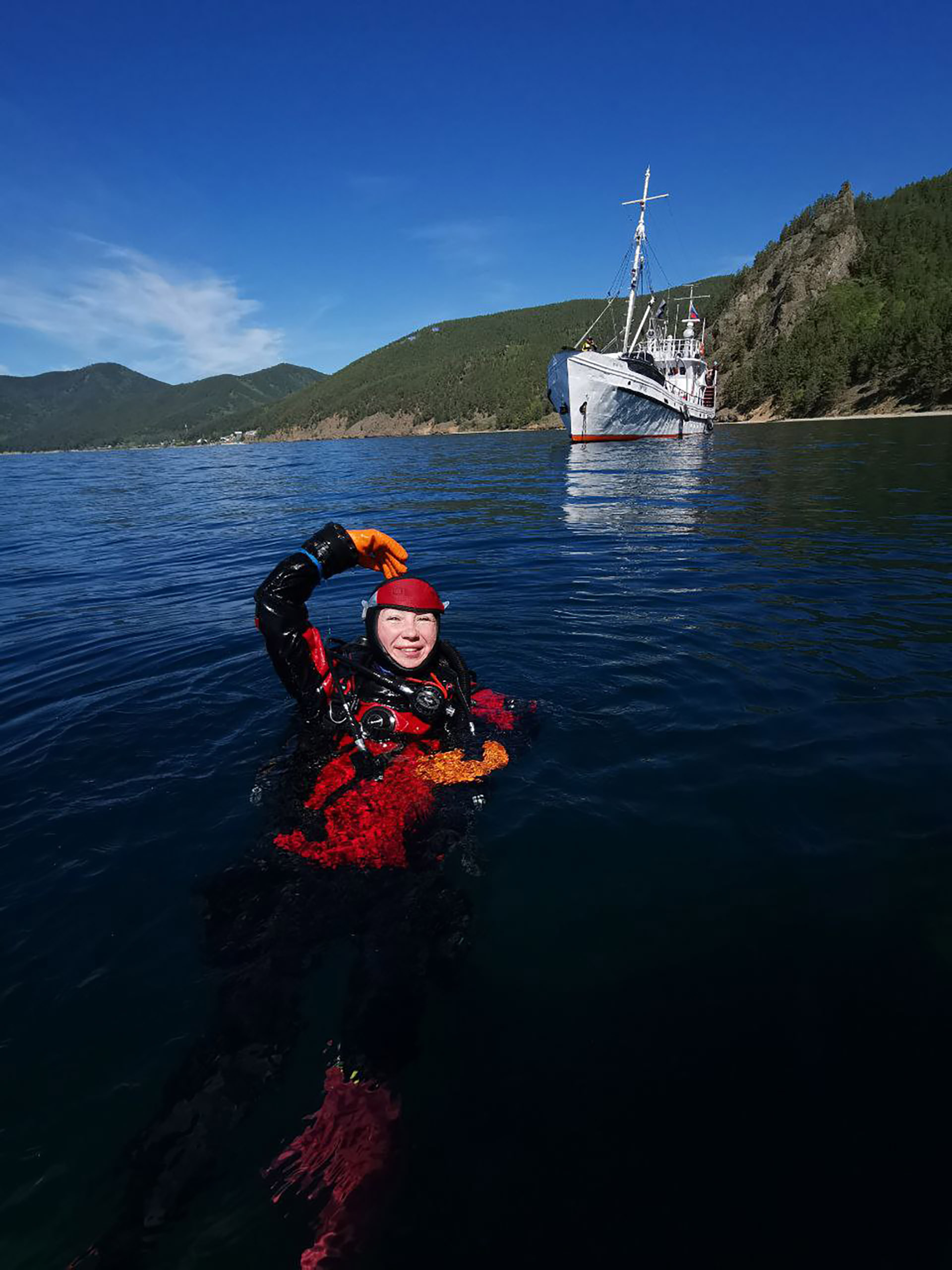
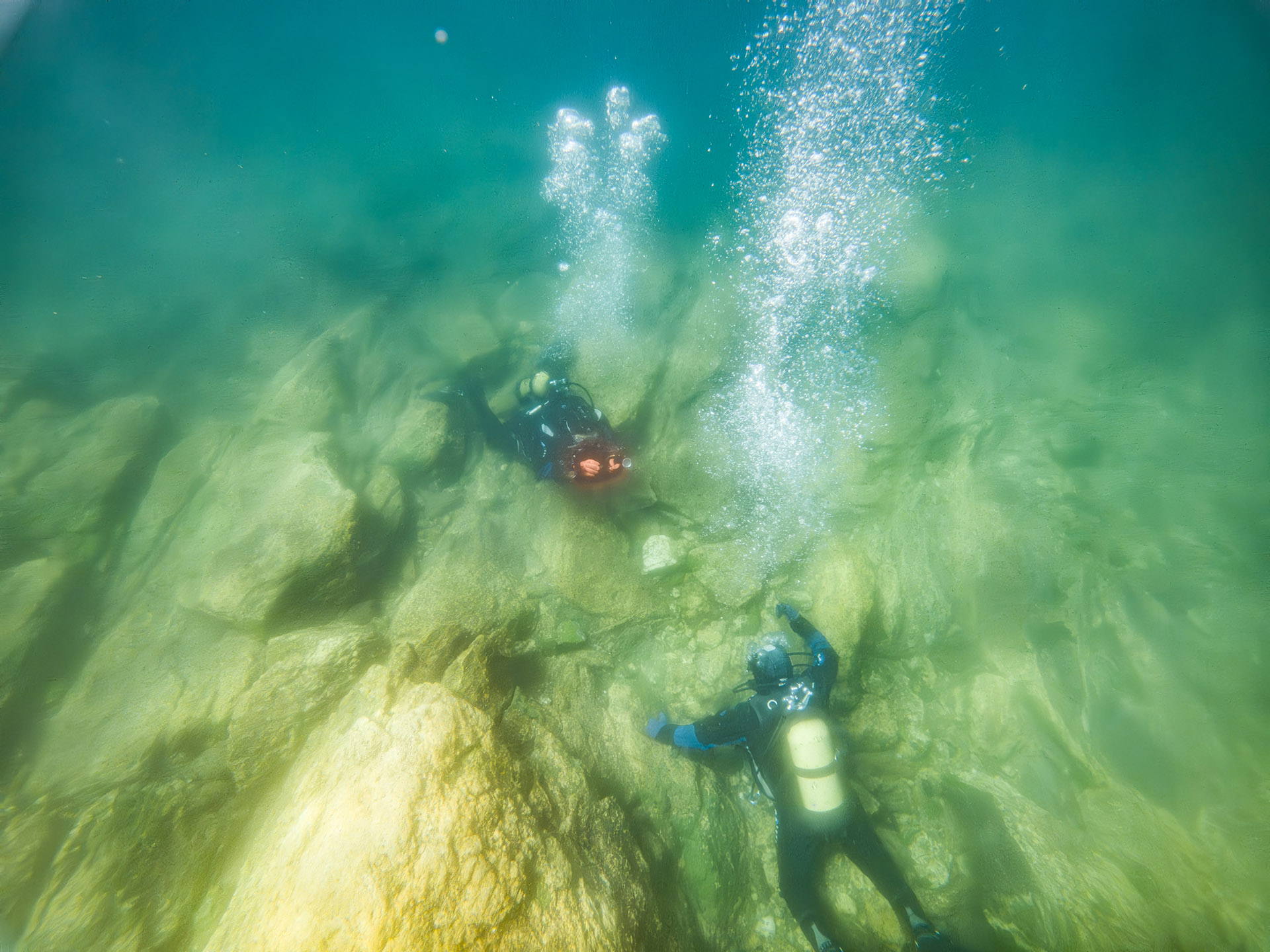
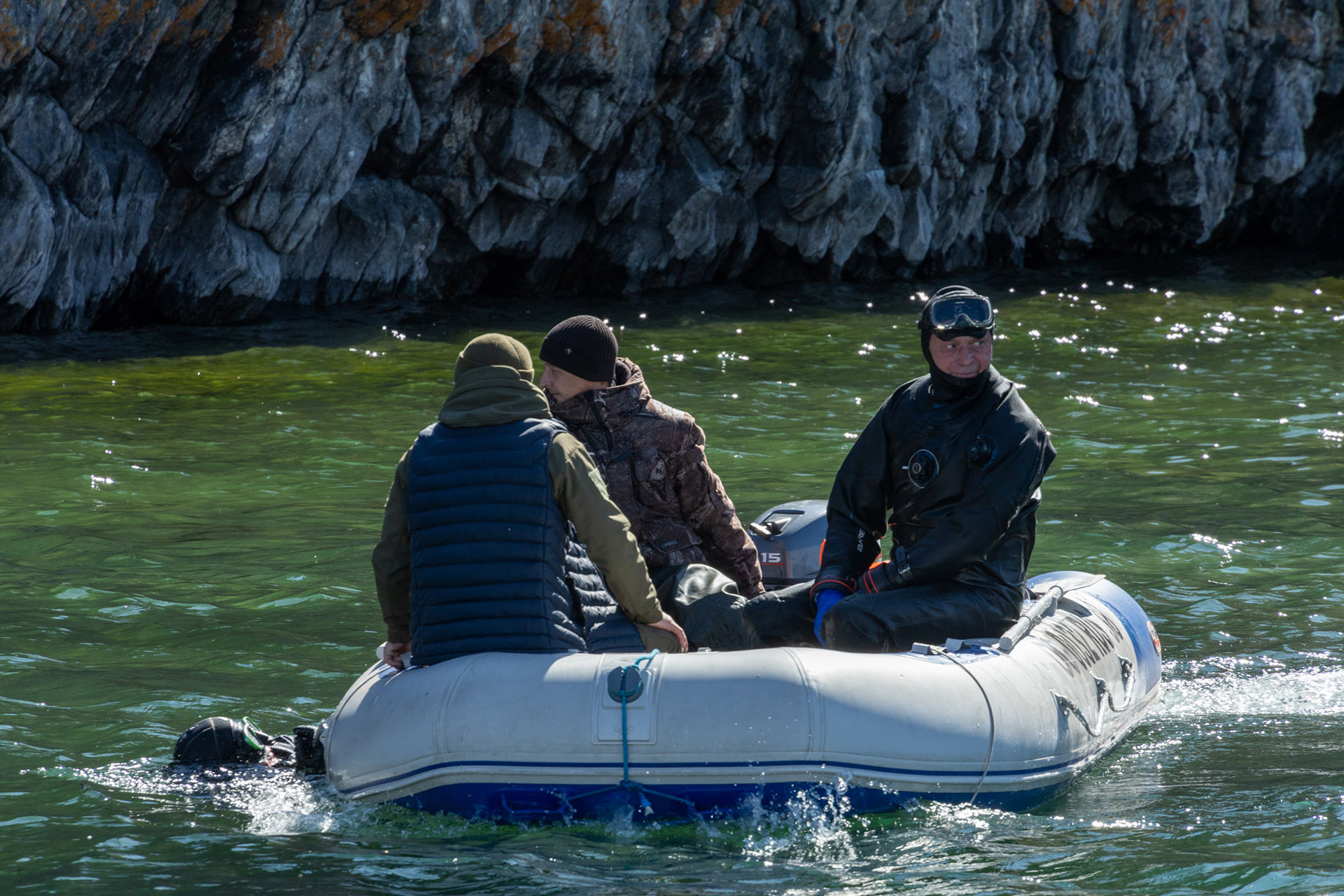
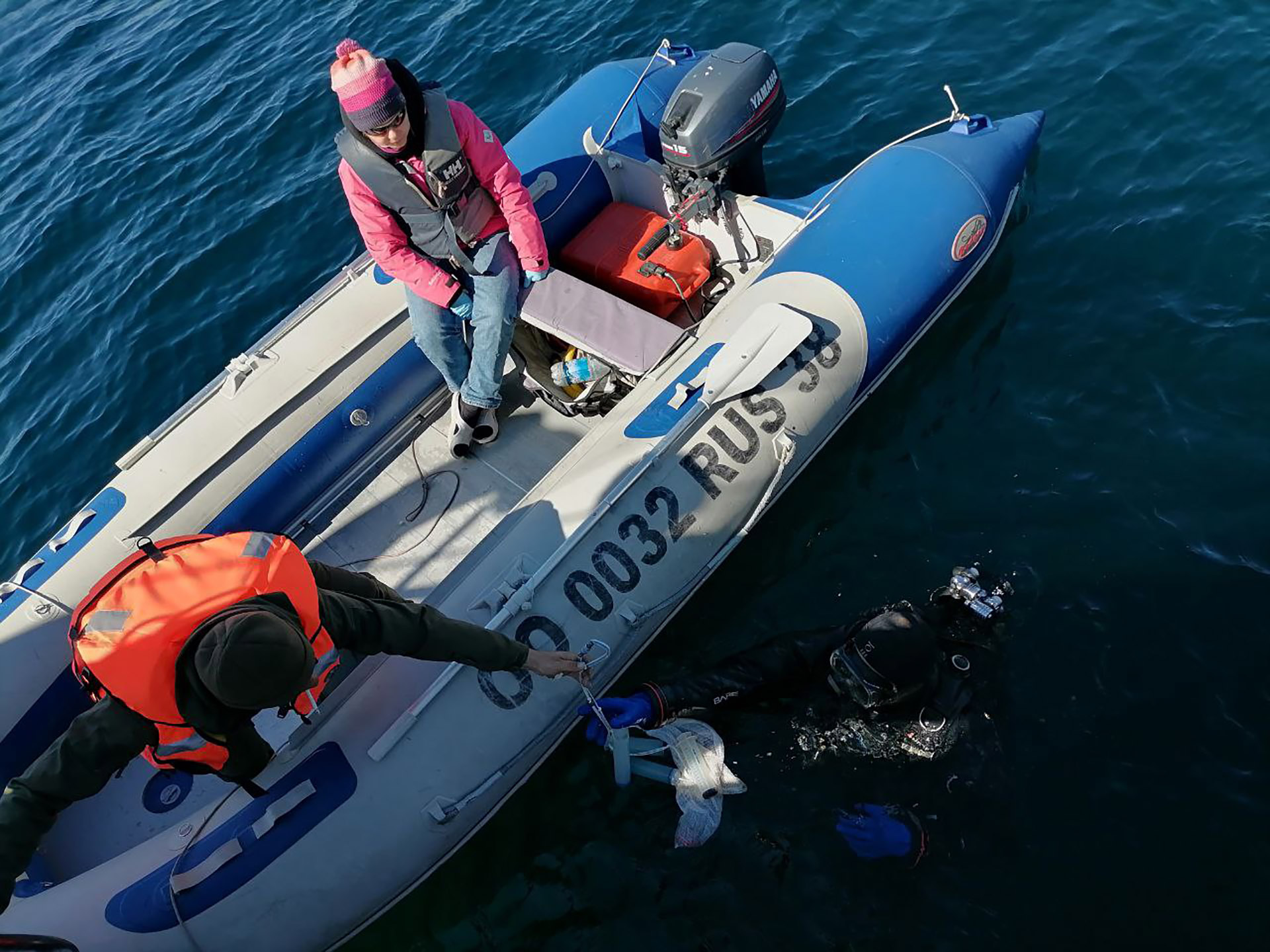
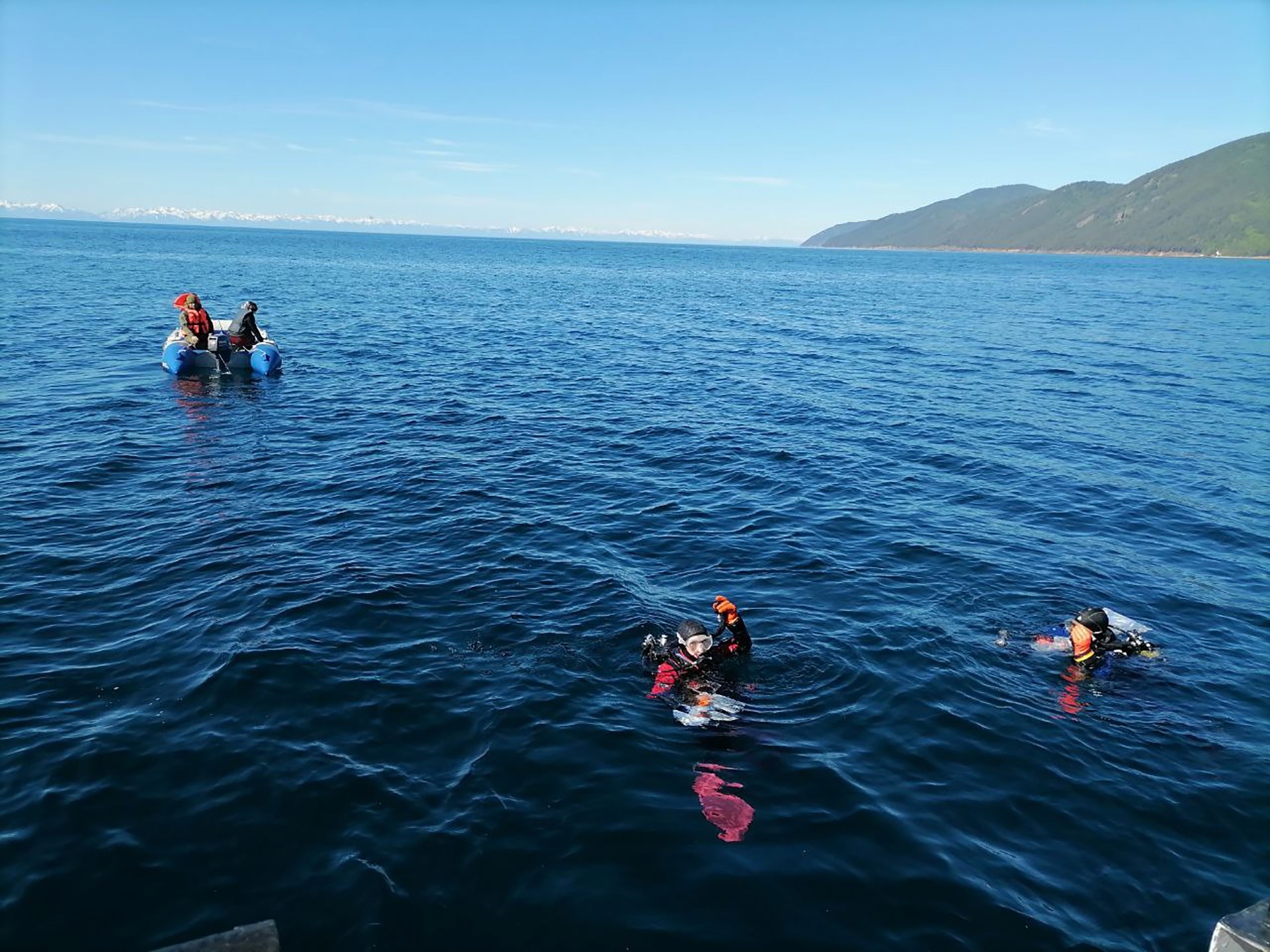
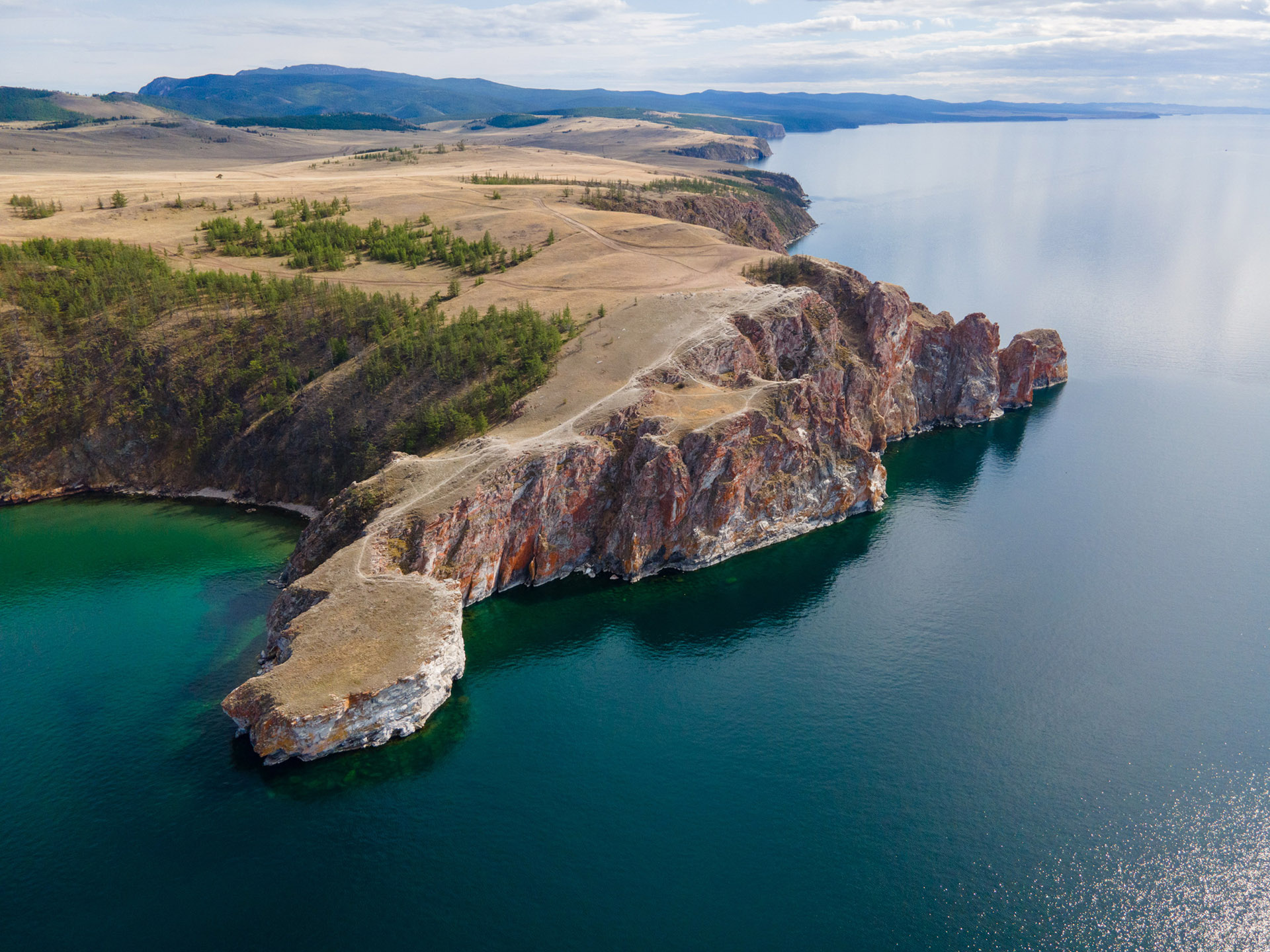
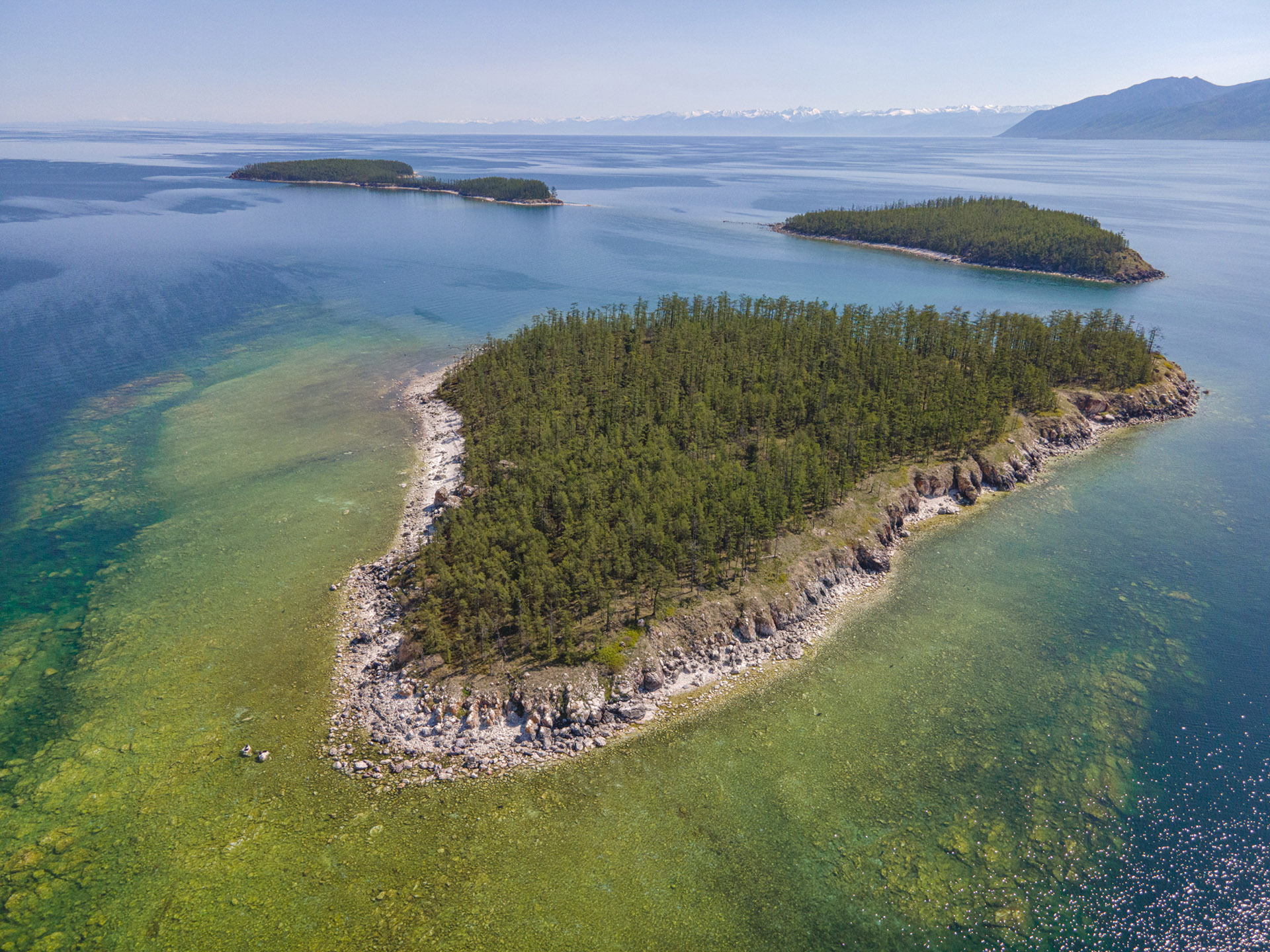
During the expedition, a quantitative sampling of the Baikal endemic sponges affected by various diseases in zones laid before transects and polygons was carried out: Varnachka, Ulanovo, Malye Olkhonskye Vorota Strait, Ukhan, Elokhin, Turali, Listvennichny Bay. In total, 218 samples of sponges were collected at depths of 3-35 m, the sampling was carried out using light diving equipment. Each sample was photofixed. The samples were fixed for species identification by spicule and skeleton analysis. Such types of morbidity as biofilm fouling, necrosis, black spot formation, film formation were identified.
Besides, 17 Lubomirskia baikalensis individuals, ranging in size from 8 to 16 cm, were chosen in the Varnachka Valley to investigate the sponge development rate during the ecological crisis on Lake Baikal. Collection was carried out at depths of 2.9-3.4 m. Samples were measured and photofixed. The samples were frozen at -20 °C.
During the expedition, underwater photo and video shooting of reference sponges laid earlier than 2015-2016 was carried out.
To obtain continuous year-round data on the temperature regime in the shallow zone of the lake in the bottom layer (year-round recording of temperatures at sections at stations in different areas of Lake Baikal, depths of 6, 12, 15 and 30 m), data were taken, read and new temperature loggers were installed.
During the expedition, 66 samples of bottom and surface water were collected from ten transects. During the expedition, pH, specific electrical conductivity and the content of oxygen dissolved in water were determined.
Samples were also fixed for the study of biogenic elements and organic matter under laboratory conditions.
To update the data on the species diversity and distribution of benthic cyanobacteria of Lake Baikal, as well as to obtain cultures of cyanobacteria for further research, 51 samples of benthic biofilms from various substrates were sampled in three basins of the lake.
The overgrowths developed on substrates of both biotic origin - diseased Lubomirskia baikalensis, sponges, submerged macrophytes, and abiotic - silt, sand, stones, rock outcrops, wood, fishing nets, ropes, plastic were studied. Obtaining pure cultures of cyanobacteria will enable to clarify their taxonomic status, to identify species producing cyanotoxins and biologically active substances.
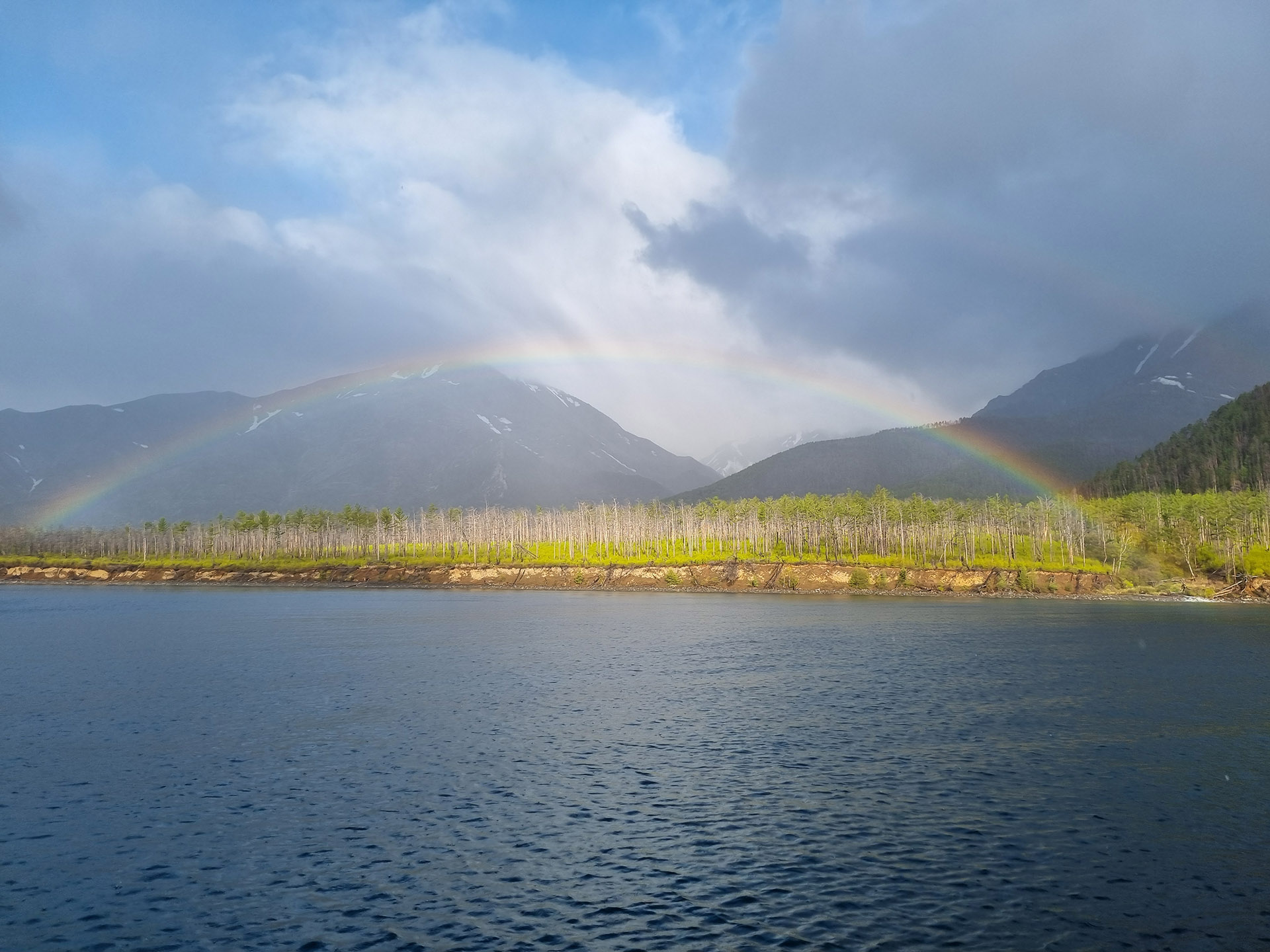
Four of the twelve field days were stormy on Lake Baikal. The lake`s state was up to 2-2.5 meters, and the wind direction changed instantly (northeast, southwest, and northwest). It should be mentioned that the wind, which is unusual for this time of year (early June), passed through the entire Baikal from south to north.