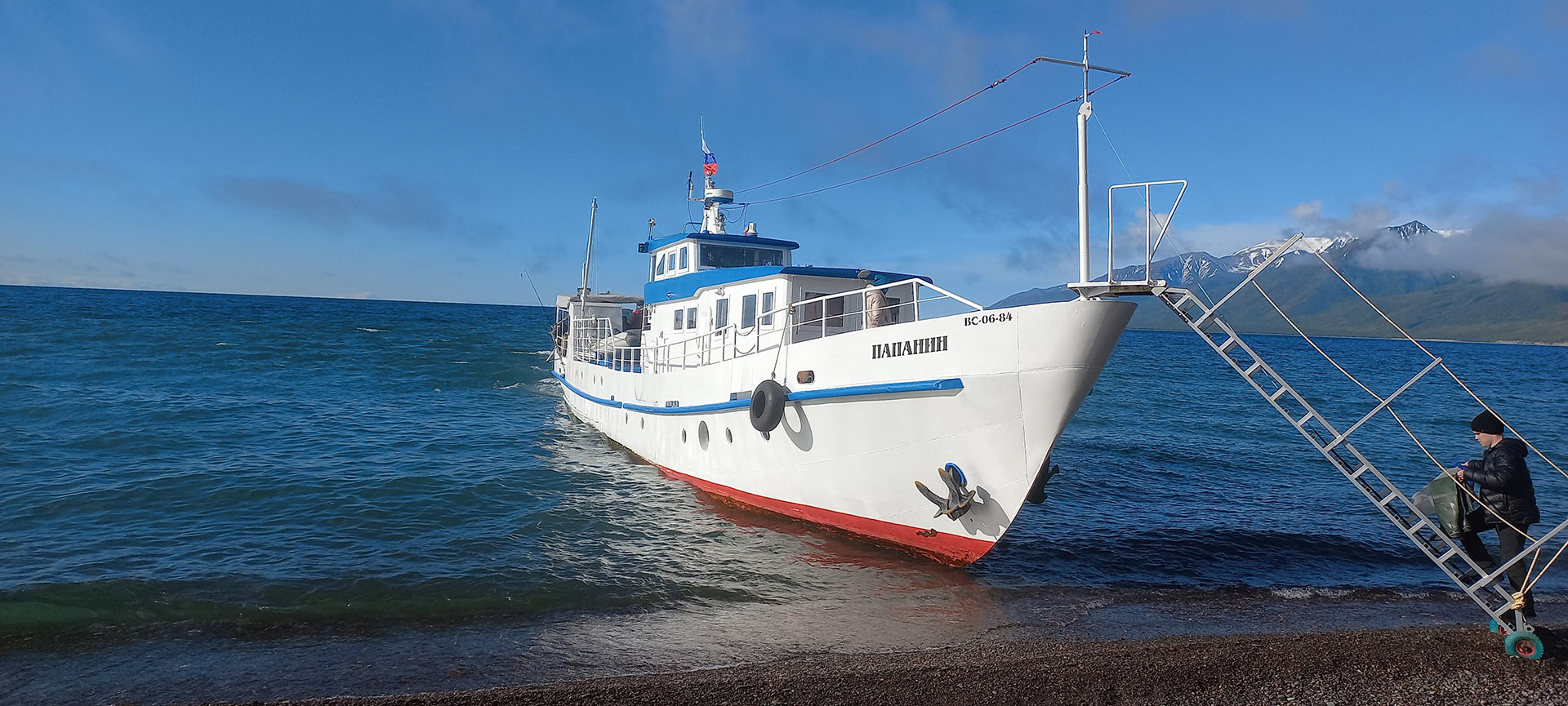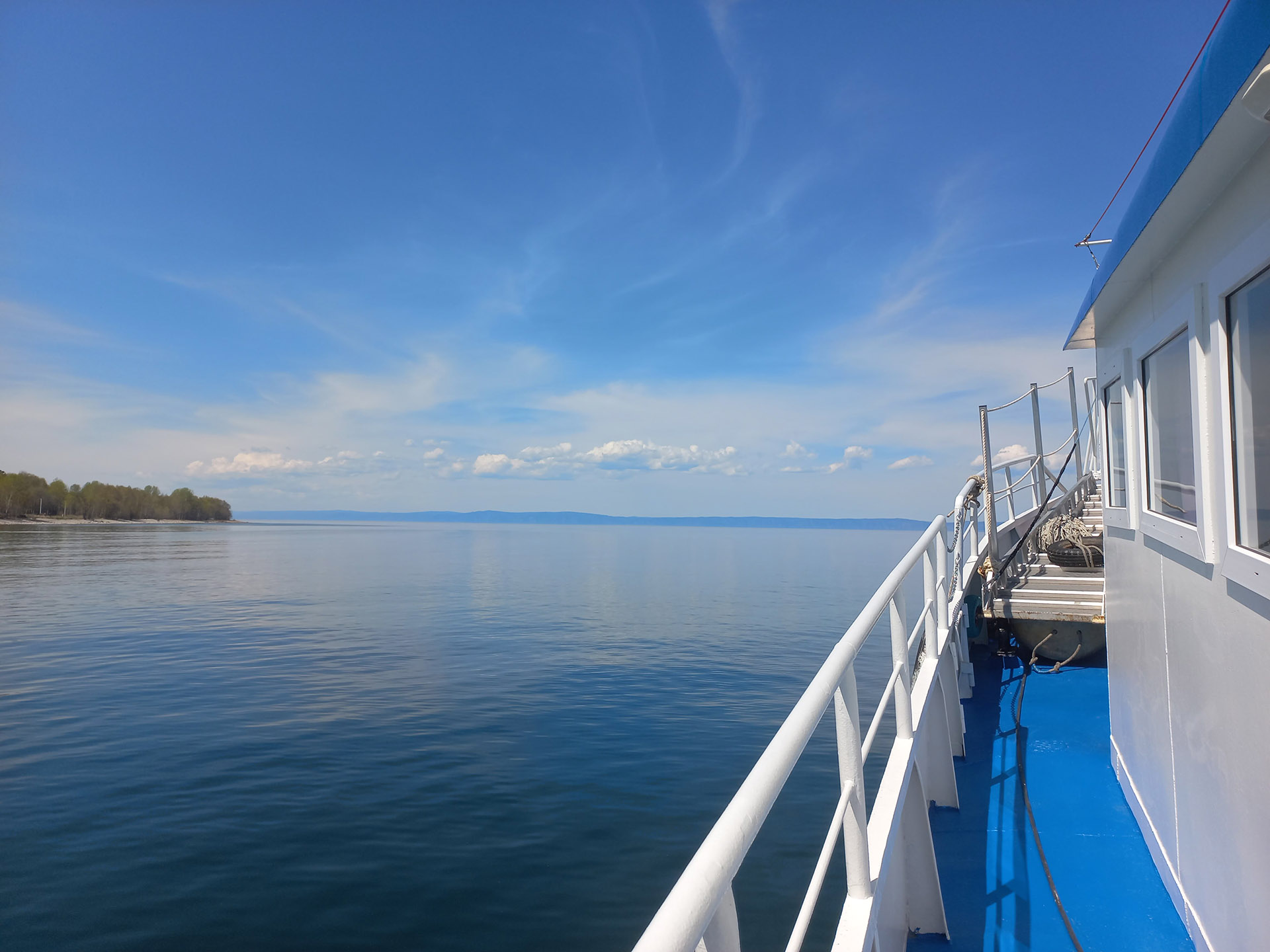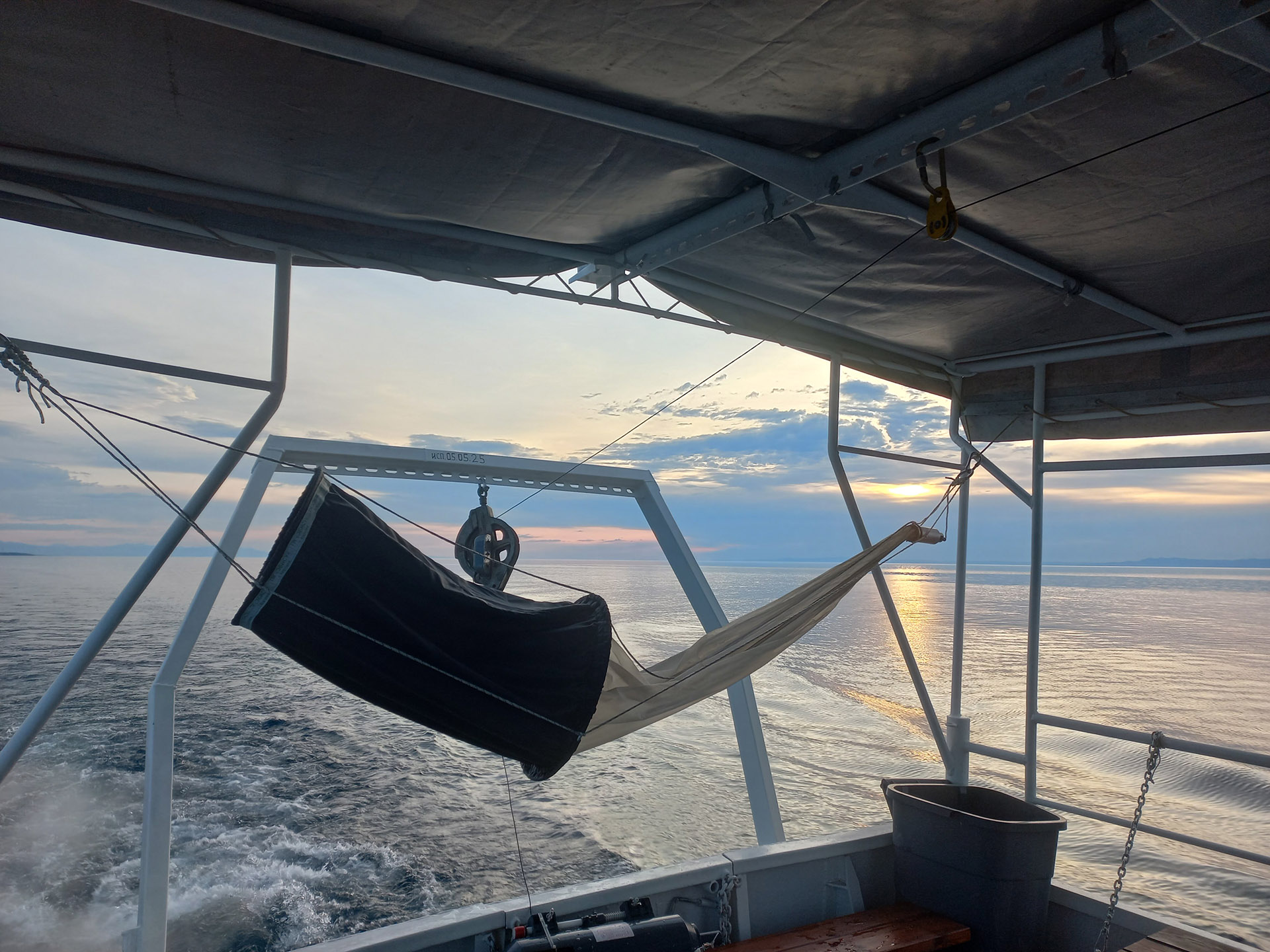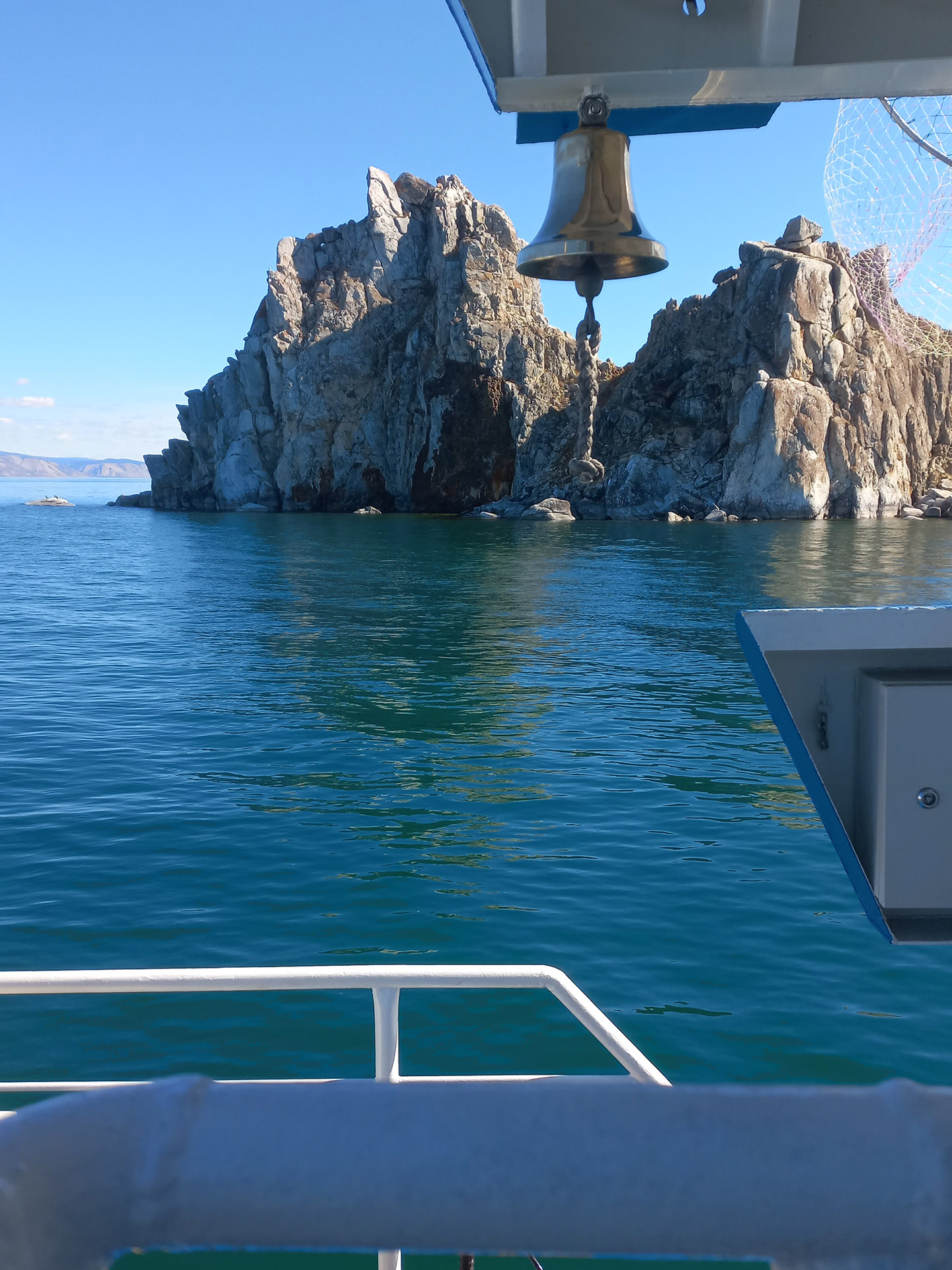



Expedition on R/V Papanin from May 22 to June 2, 2025
From May 22 to June 2, 2025, field work was carried out on the R/V Papanin to study ecological state of the coastal zone of Lake Baikal within the State Assignments No. 0279-2021-0005 “Study of transformations in the state of water bodies and watercourses of Eastern Siberia in seasonal and long-term aspects in the context of changes in climate, geological environment and anthropogenic loads” (led by A.P. Fedotov), No. 0279-2021-0007 “Comprehensive studies of the coastal zone of Lake Baikal…” (led by O.A. Timoshkin), and No. 0279-2021-0014 “Study of the role of atmospheric precipitation on aquatic and terrestrial ecosystems of the Lake Baikal basin, identification of sources of atmospheric pollution” (led by T.V. Khodzher).
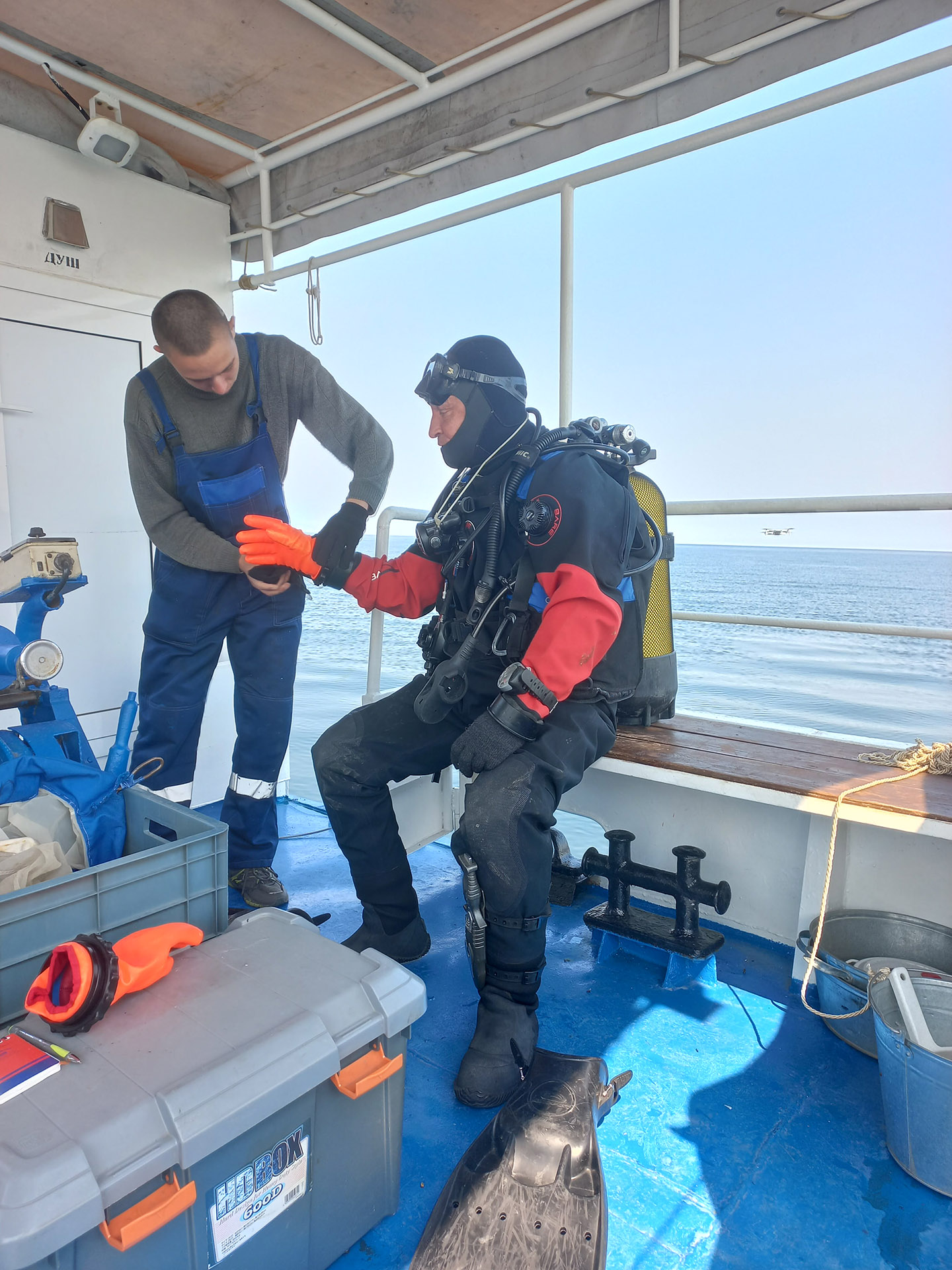
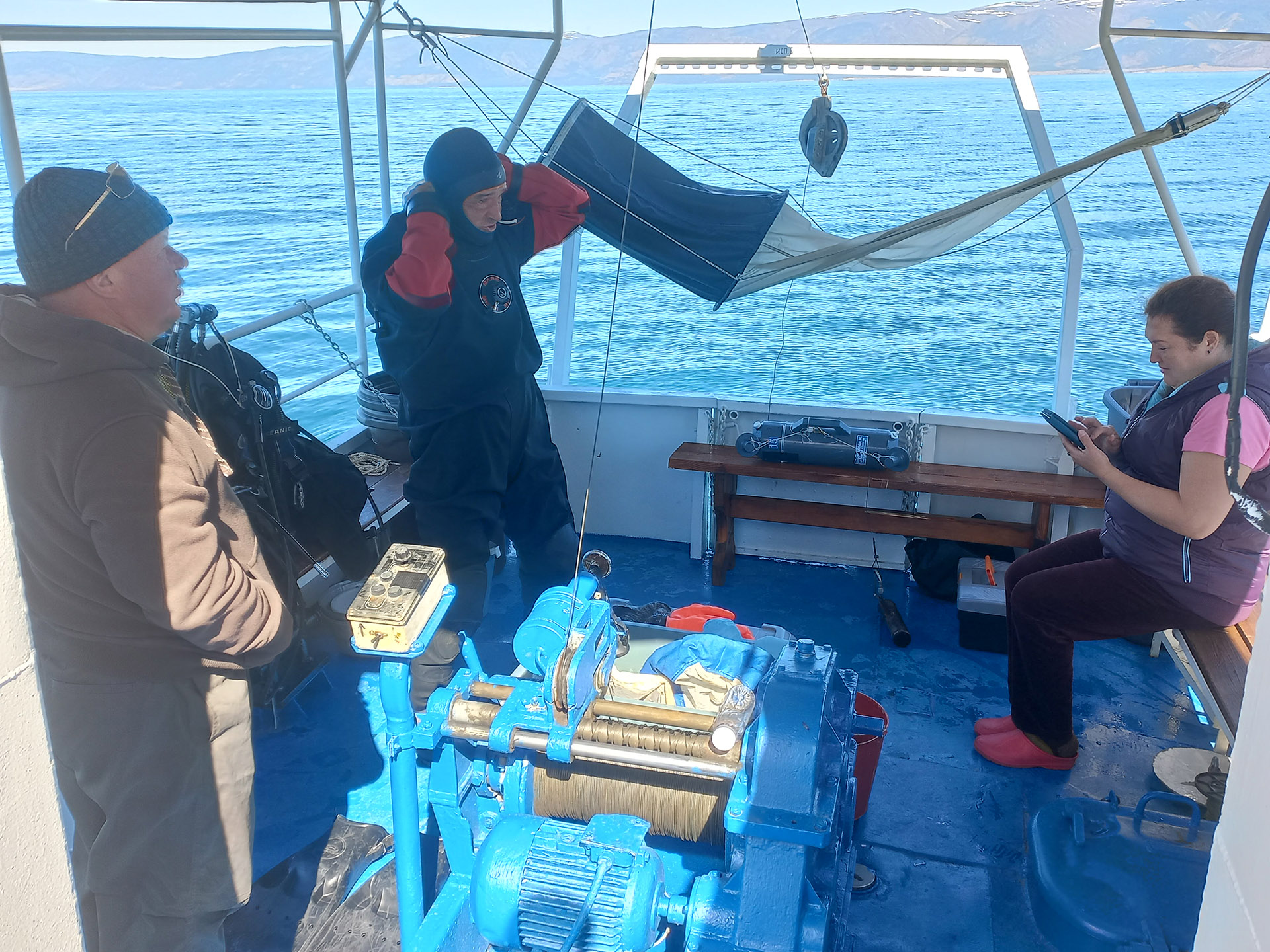
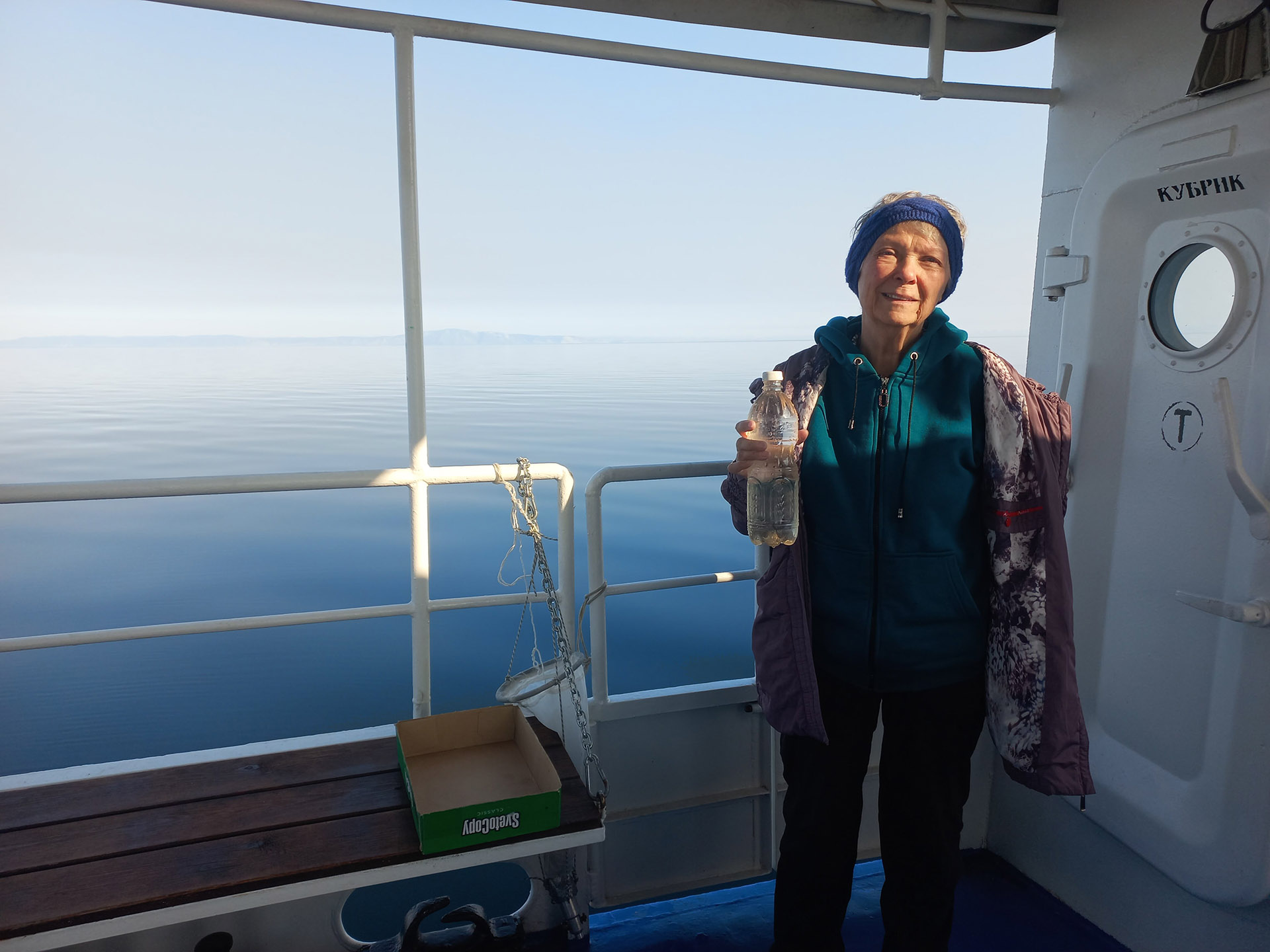
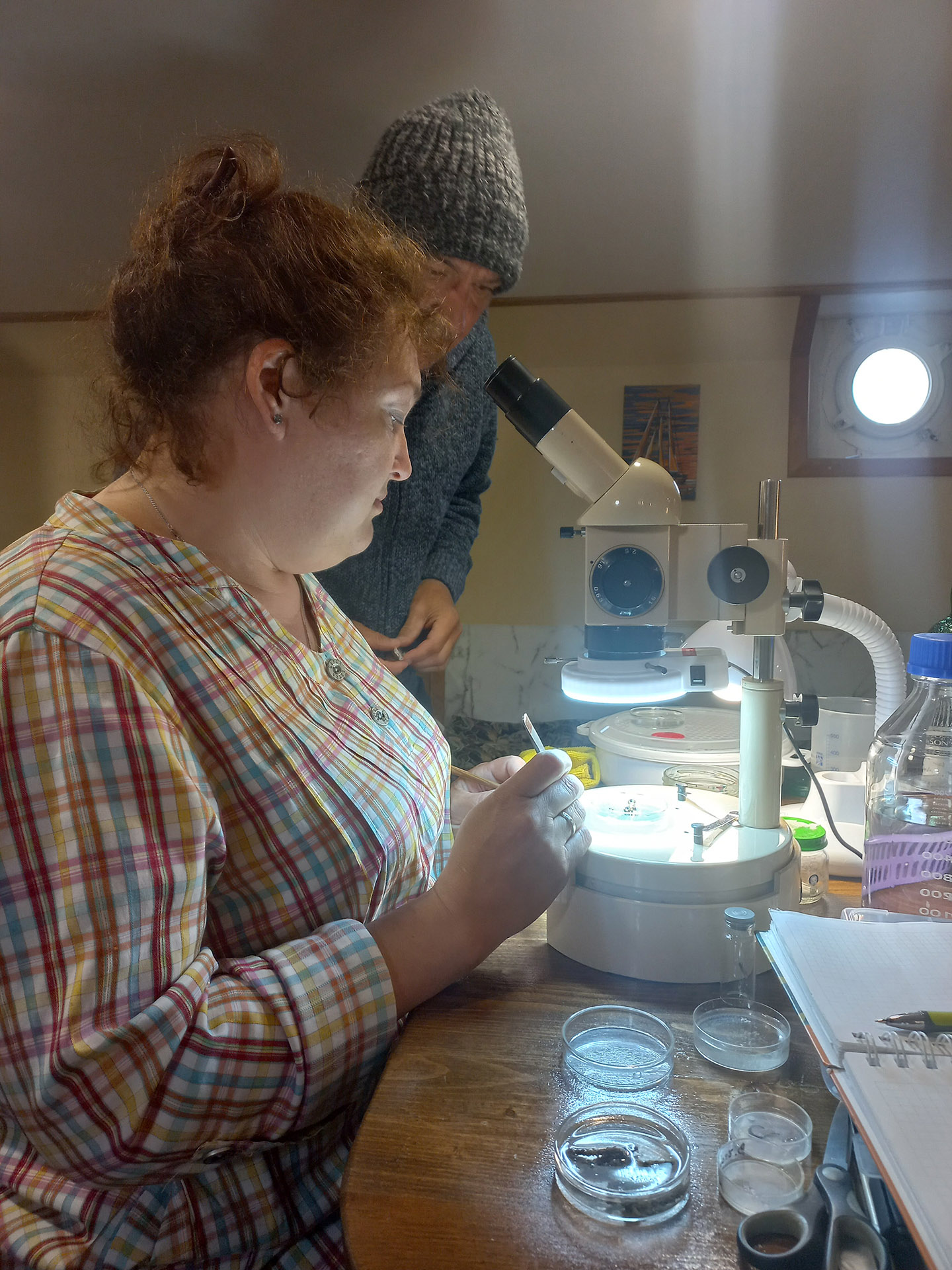
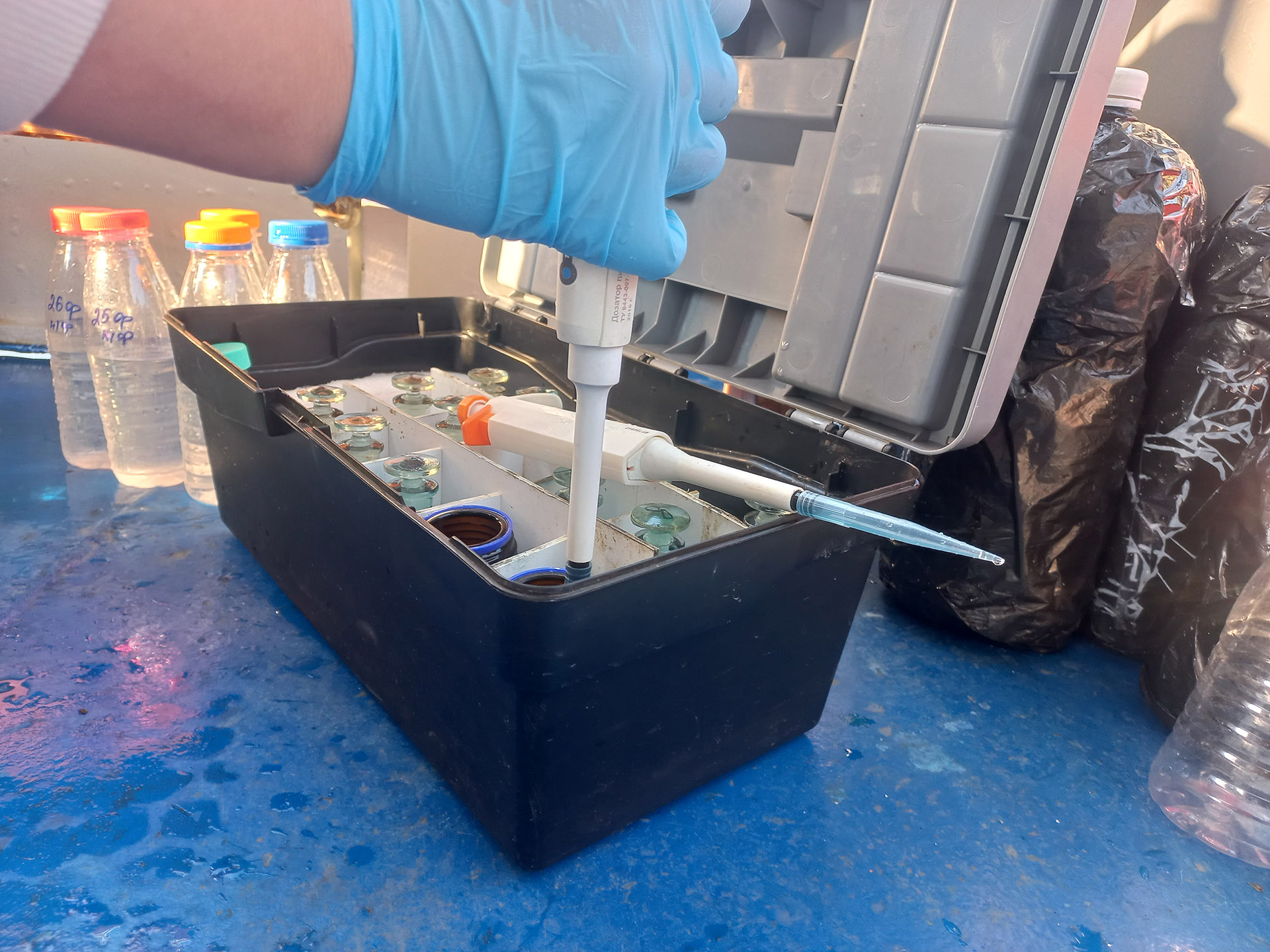
The tasks of the expedition included the study of the hydrochemical parameters of the shallow zone of the lake, the distribution of phytoplankton, zooplankton and zoobenthos. Surface water samples and quantitative phytoplankton samples were collected using a Niskin bathometer. Qualitative phytoplankton and quantitative zooplankton samples were collected using an Apstein net and a Juday net, respectively. Zoobenthos samples were taken with a hydrobiological scraper during diving works. At each station, water transparency was determined using a Secchi disk.
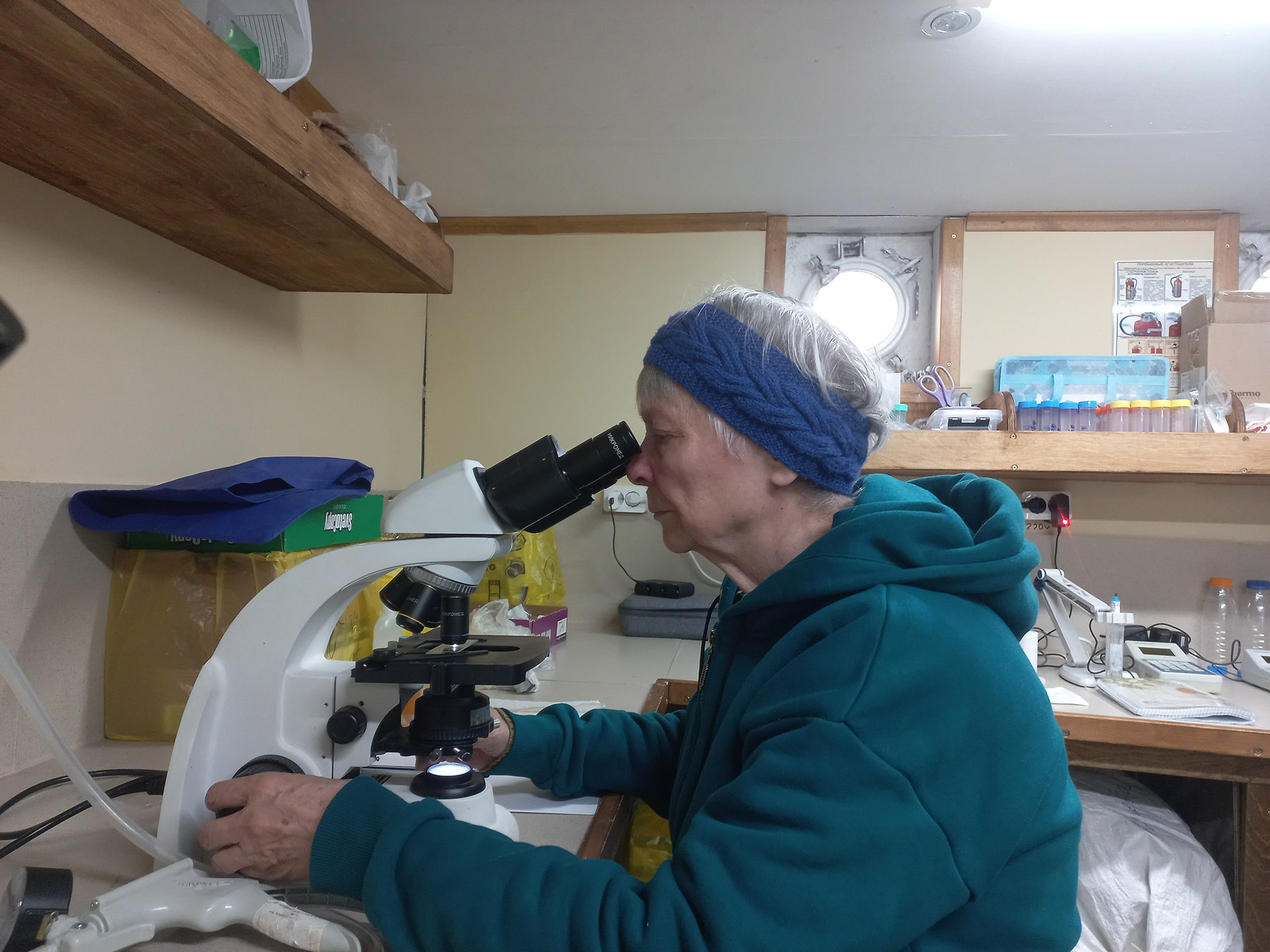
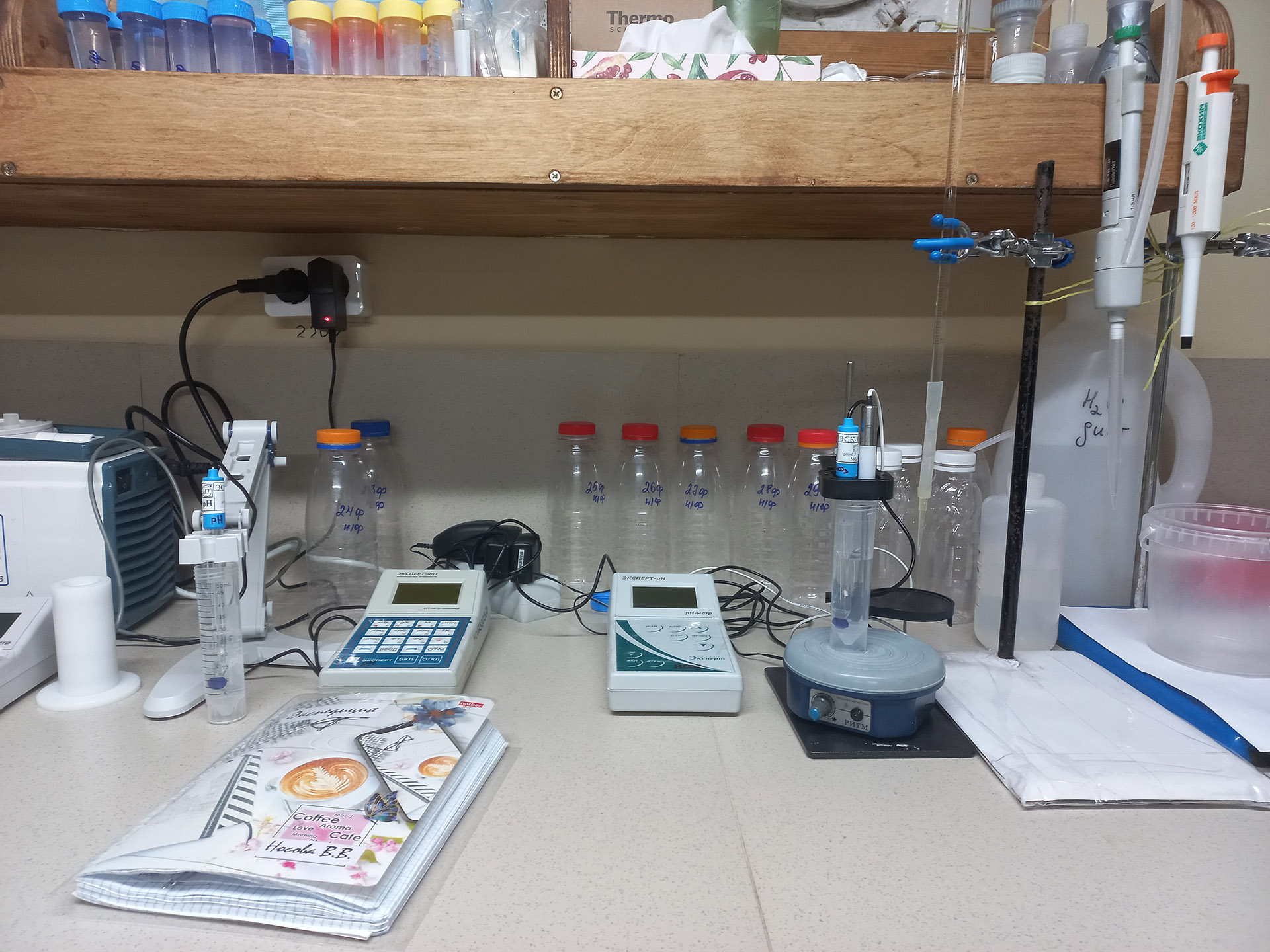
Therefore, 48 quantitative samples of zooplankton, 69 quantitative samples, and 51 qualitative samples of phytoplankton were collected for the microscopy study at 48 stations around the lake's perimeter, including Barguzinsky and Chivyrkuisky bays, Maloye More Strait with depths up to 50 m, and 3 pelagic stations. For high-throughput sequencing, 33 zooplankton samples were fixed. For hydrochemical analysis, 69 samples of surface water were taken for direct analysis and fixation, followed by determination of the ionic composition and the content of biogenic elements in the laboratory. During the expedition, water temperature, pH, electrical conductivity, hydrocarbonate content and dissolved oxygen content were measured in water samples. The minimum water temperature was 3.9 °C and was recorded at Cape Zavorotny in North Baikal, and the maximum was 14.2 °C in Barguzinsky Bay. In phytoplankton, according to preliminary data, the early spring Baikal complex of representatives of the genera Aulacoseira Thwaites, Stephanodiscus Ehrenberg, Synedra Ehrenberg и Dinobryon Ehrenberg dominated.
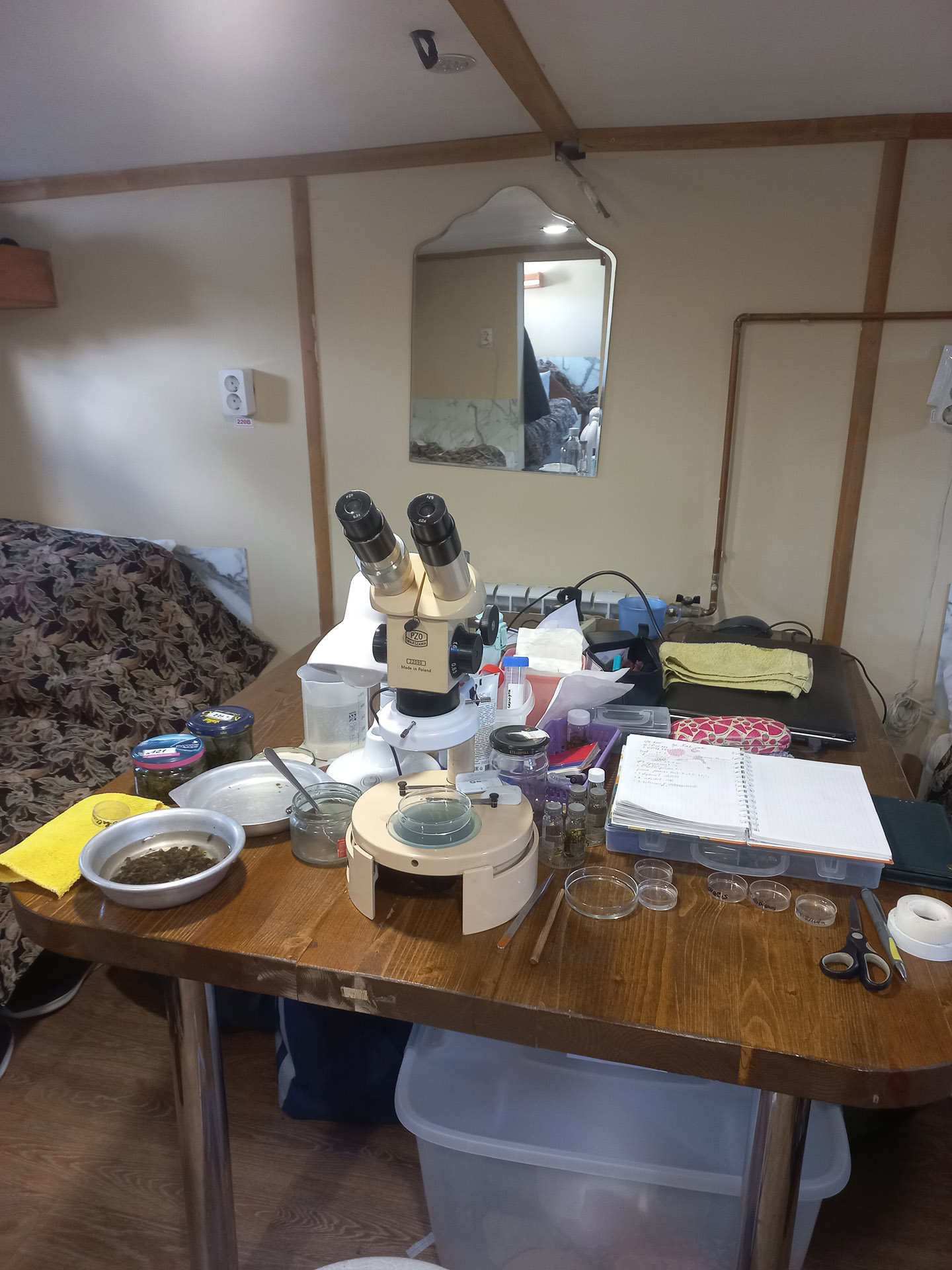
Research on the distribution of caddisflies at depths of up to 20 meters in areas not previously studied for this group was carried out. During the expedition, 28 high-quality samples of caddisflies were collected at 18 points at different depths. Qualitive mesozoobenthos samples were collected at 16 stations of Lake Baikal from depths up to 10 m. Live samples were analyzed during field work with the fixation of representatives of copepods: harpacticoid and cyclopids. The resulting material will expand knowledge on the ecology of endemic species and add new data on the distribution of alien fauna in the open littoral of Lake Baikal.